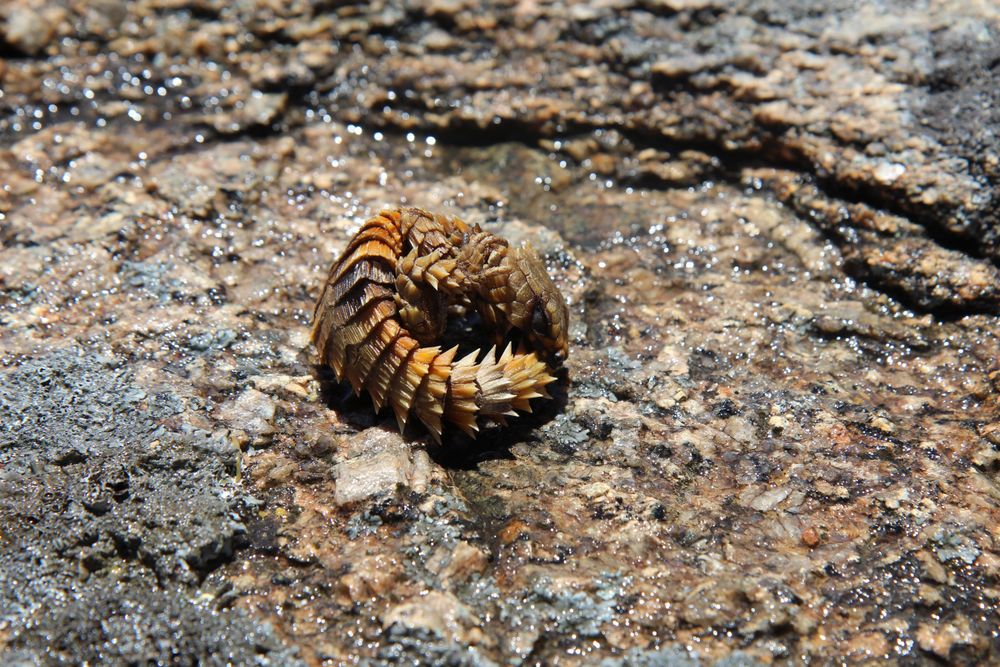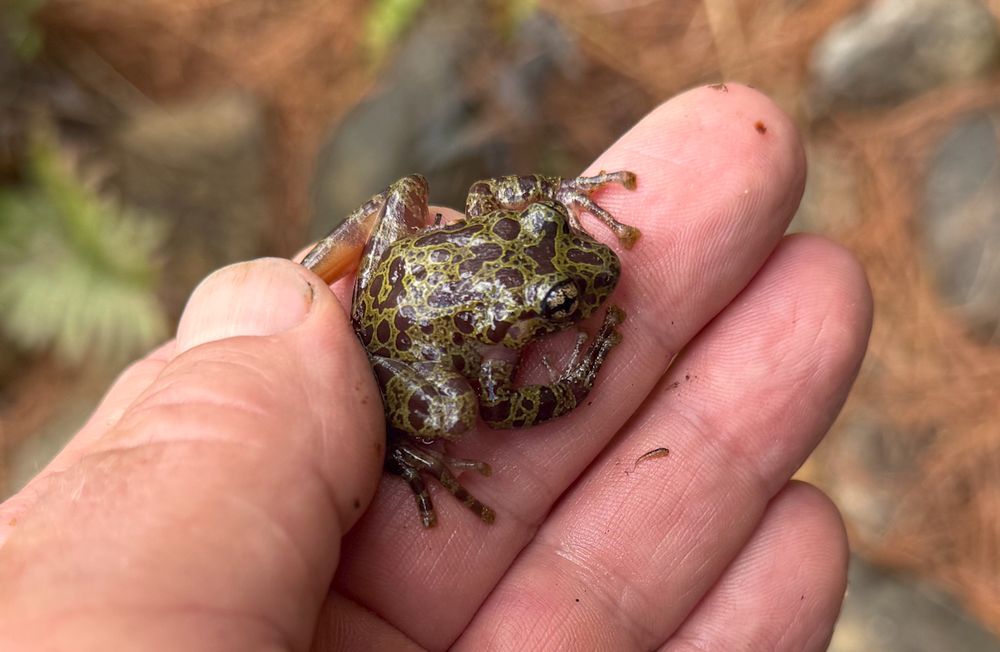
An example of the endangered Hewitt’s Ghost Frog, a species found in only a few locations globally, found on the grounds of MTO Forestry, where conservation efforts help protect the species.
As pressures mount on land intensify from ecosystem degradation, habitat fragmentation, and climate change, a growing consensus emerges: all landowners have a critical role to play in safeguarding biodiversity and ensuring ecological resilience. This call to action was made as South Africa’s forestry sector marked International Day for Biological Diversity on May 22 under the United Nations theme “Acting locally for global impact.”
Dr Ronald Heath, the Director of Research and Protection at Forestry South Africa (FSA), said “biodiversity stewardship must extend beyond the boundaries of protected areas.” He said nature conservation must occur within entire landscapes, enabling productive land uses and natural ecosystems to coexist and sustain one another.
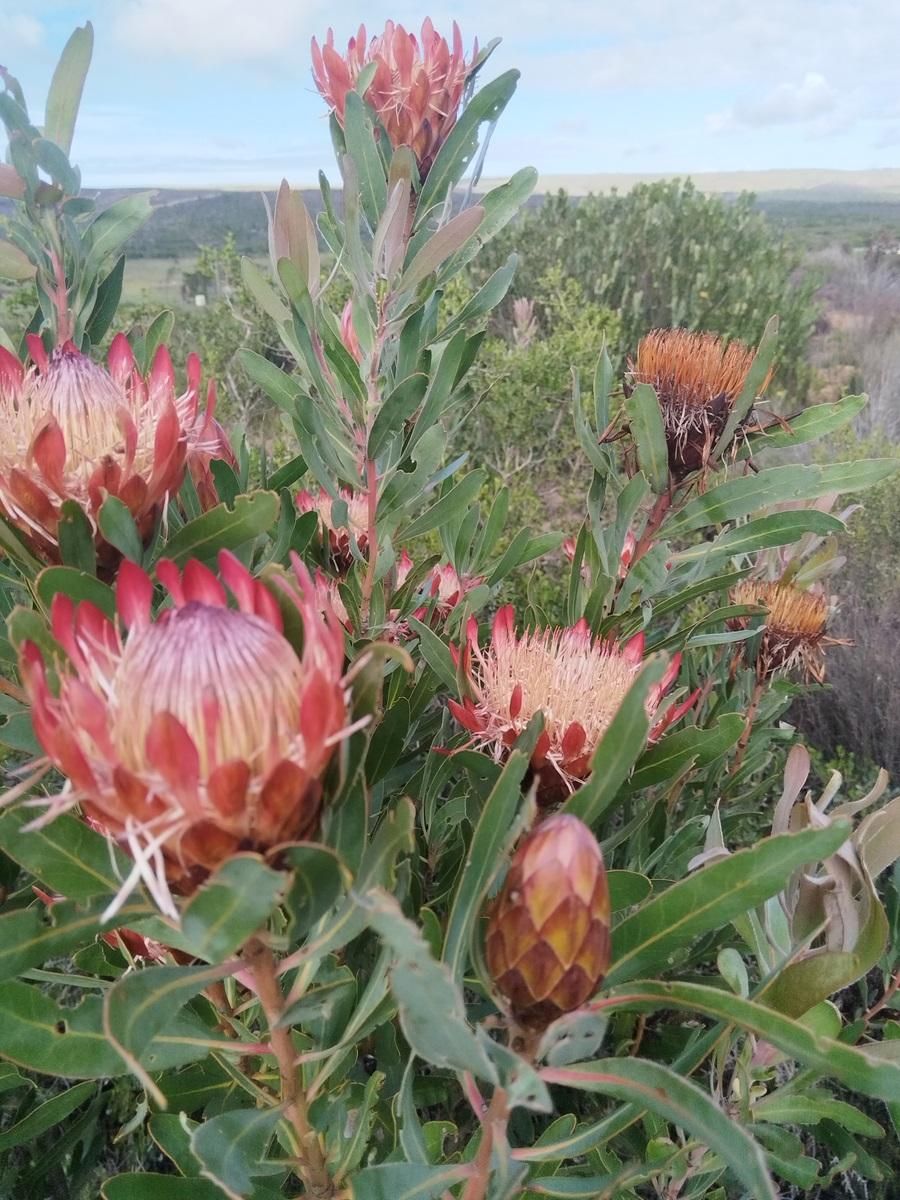
According to a recent survey, members of the FSA collectively manage to preserve more than 300,000 hectares of natural ecosystems within forestry landholdings – an impressive 20% of the total forestry area in South Africa. This commitment encompasses over 170,000 hectares of grasslands and wetlands, 61,000 hectares of indigenous forests, and 10,000 hectares dedicated to fynbos, all of which support extensive riverine ecosystems.