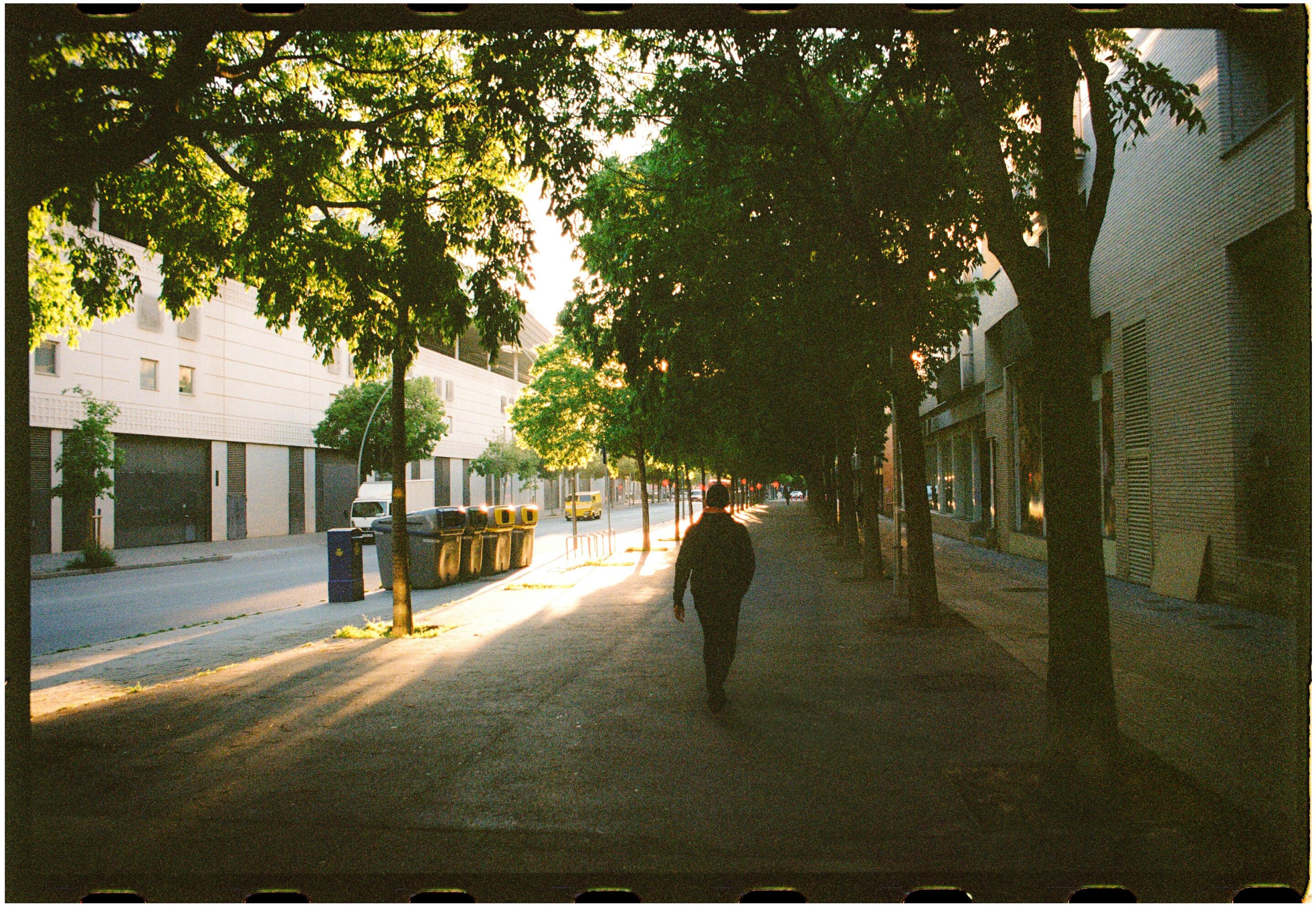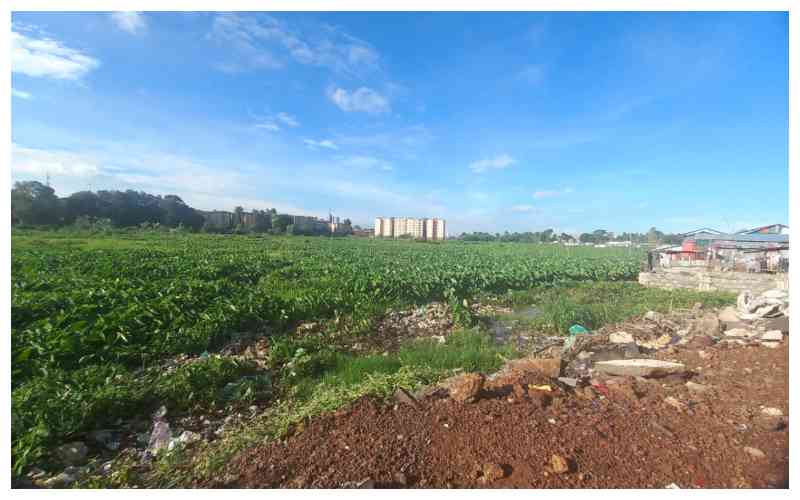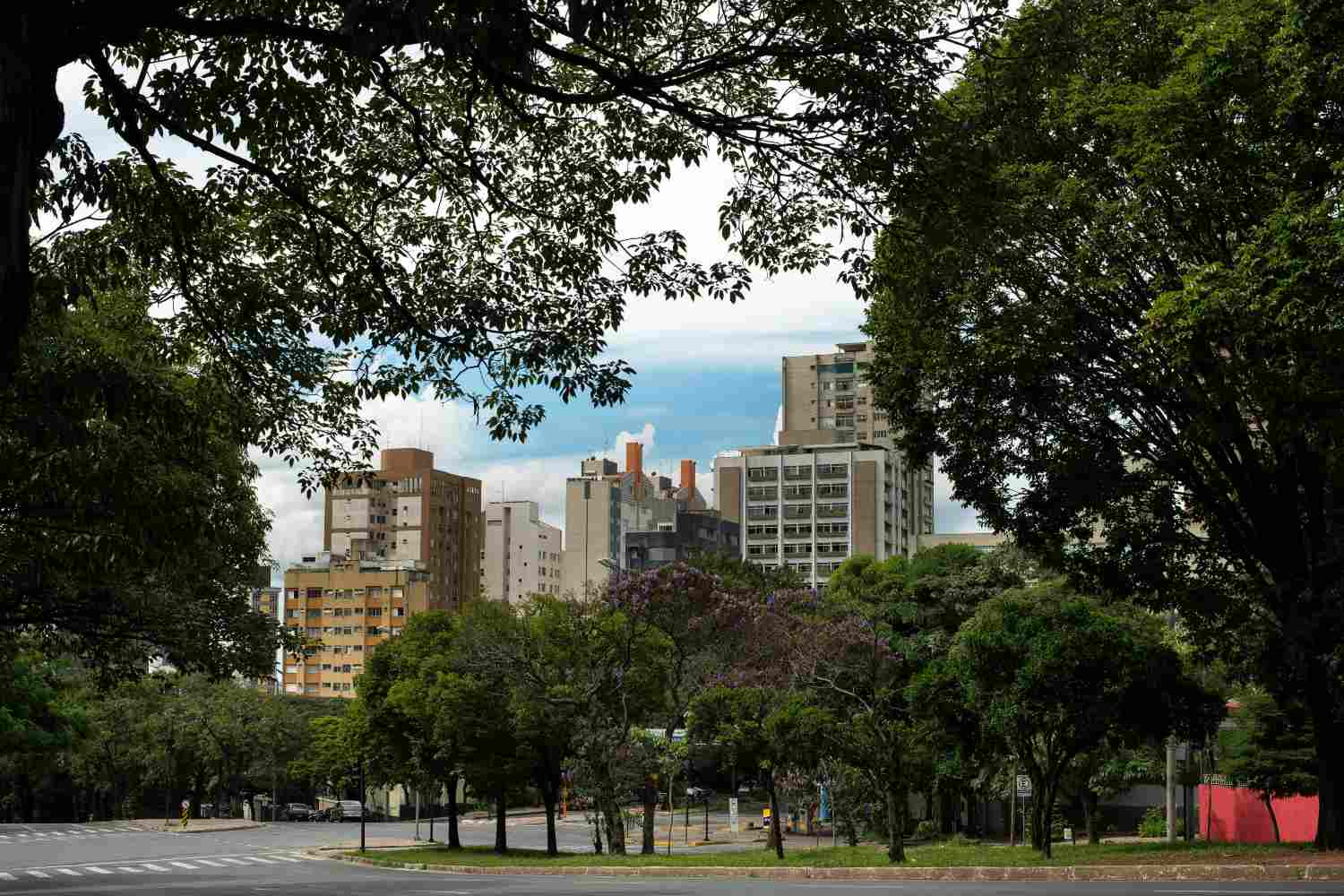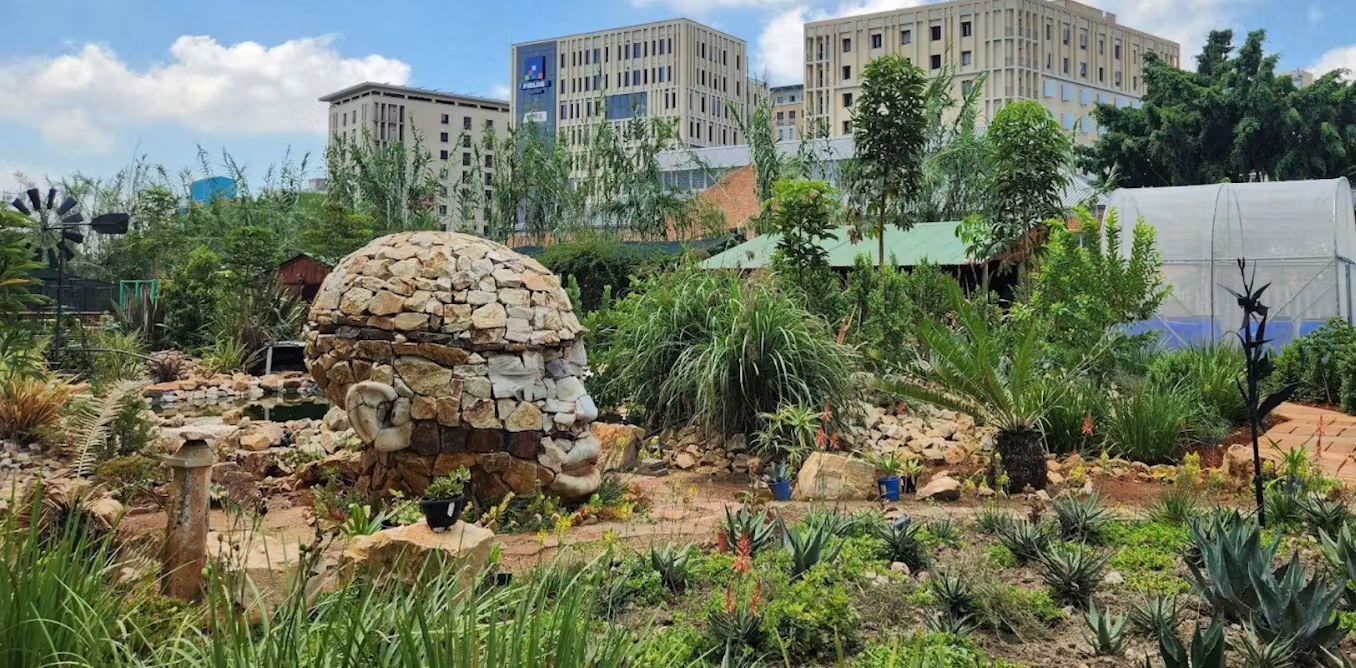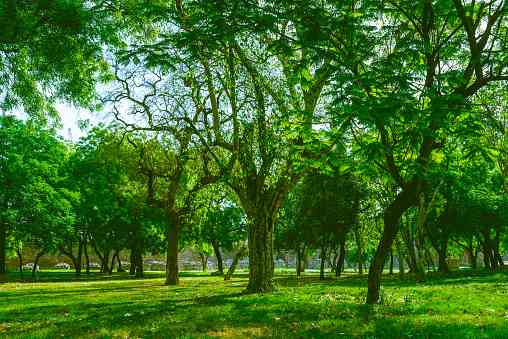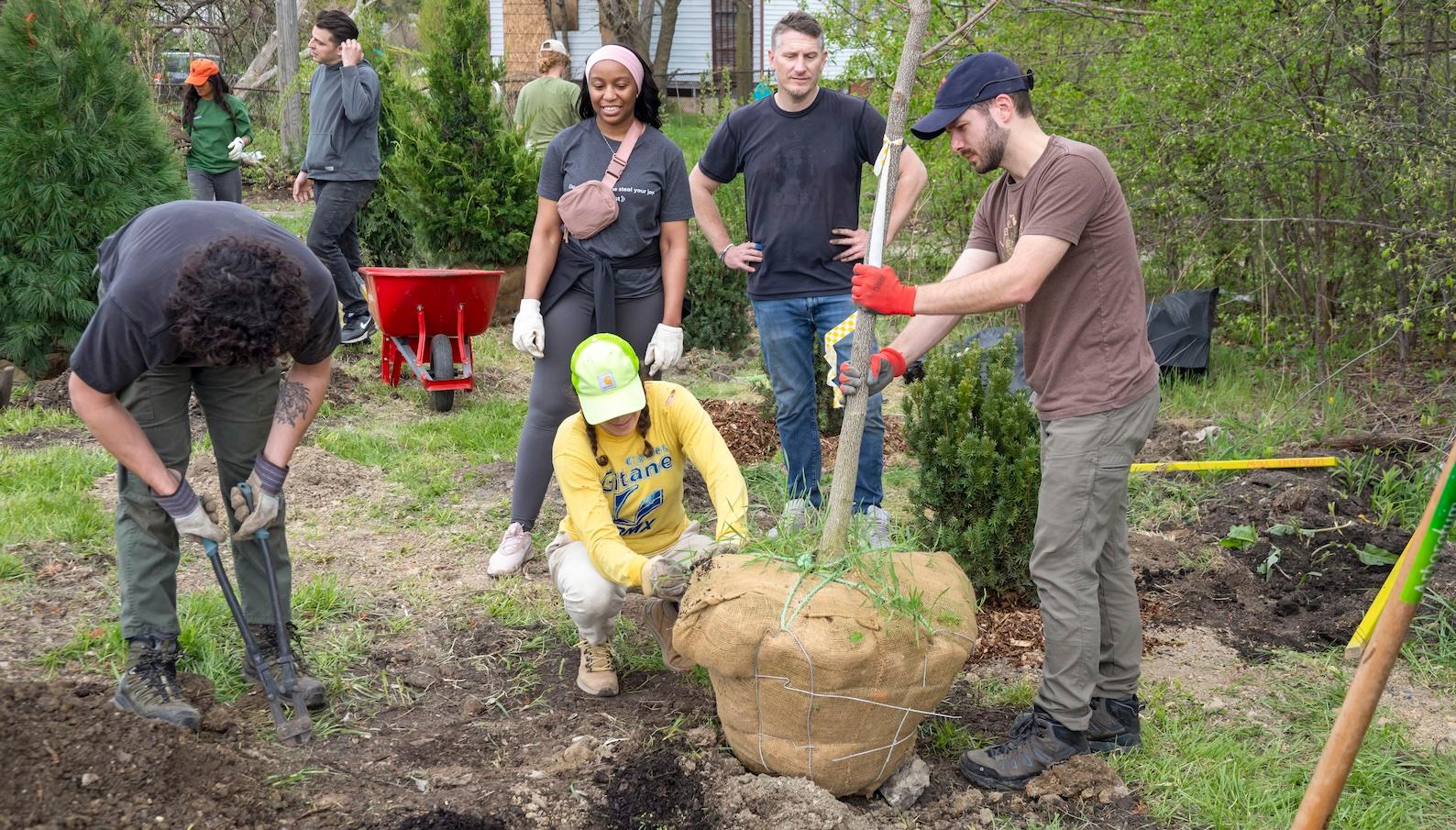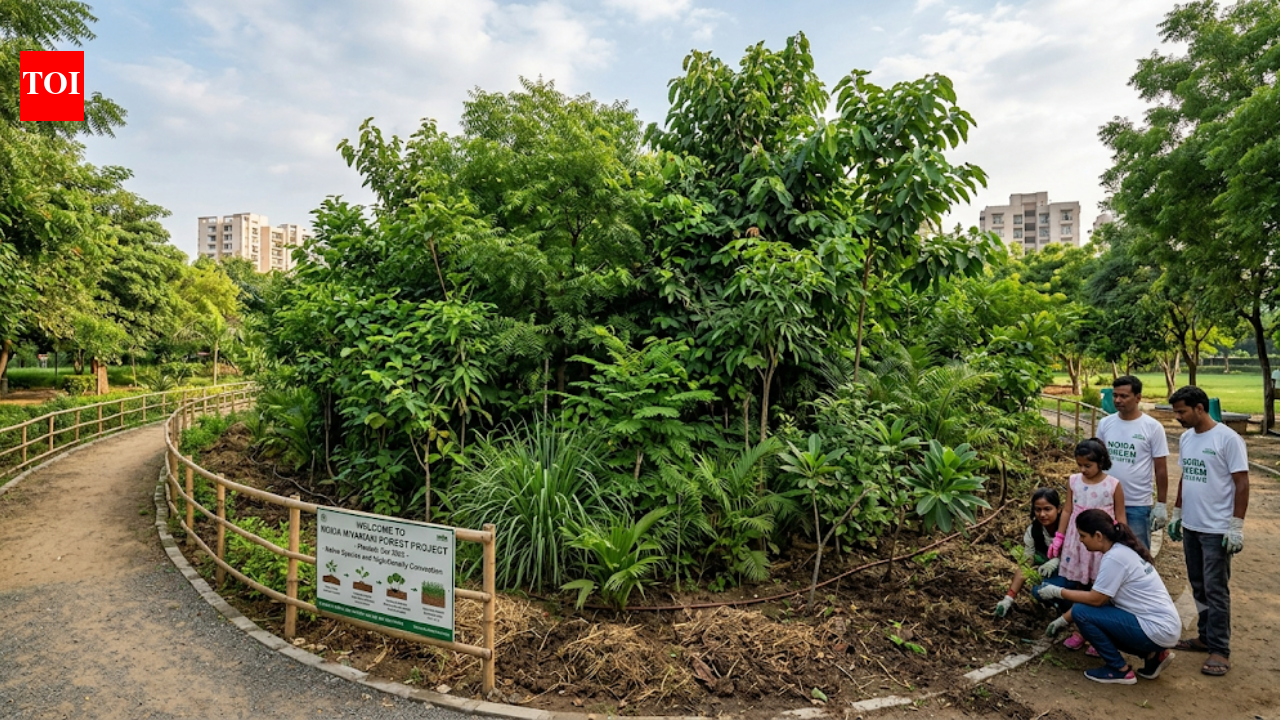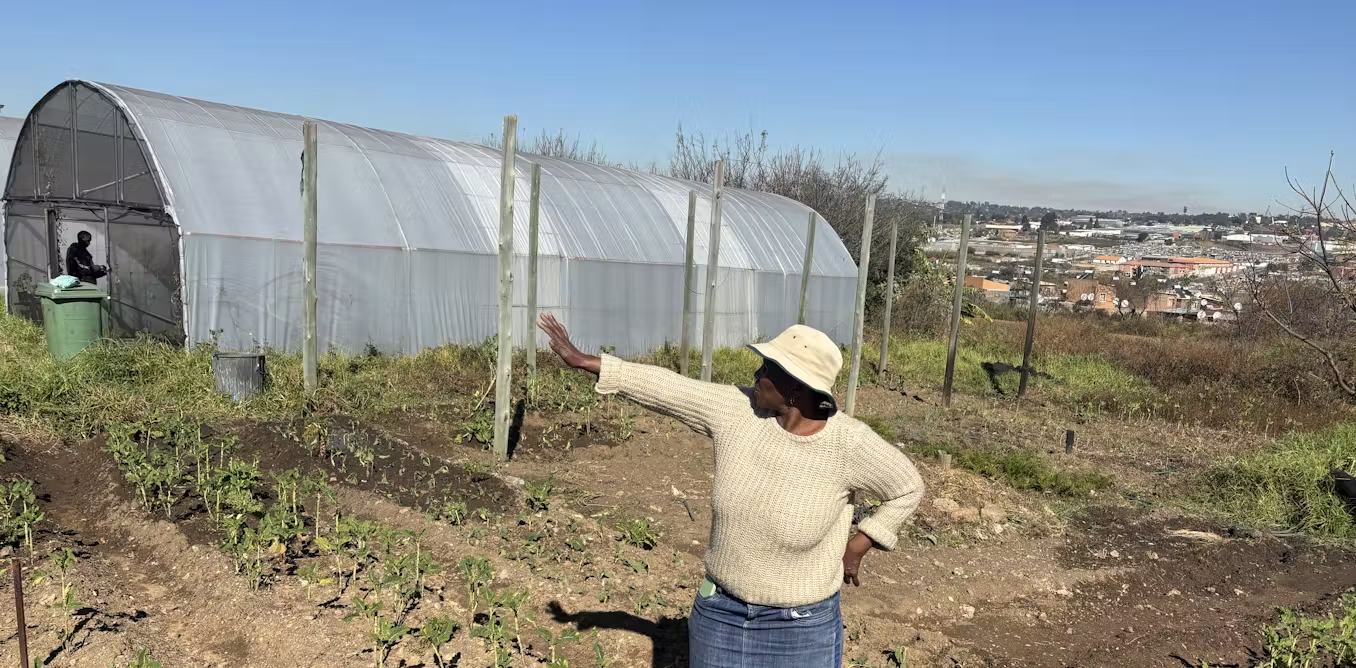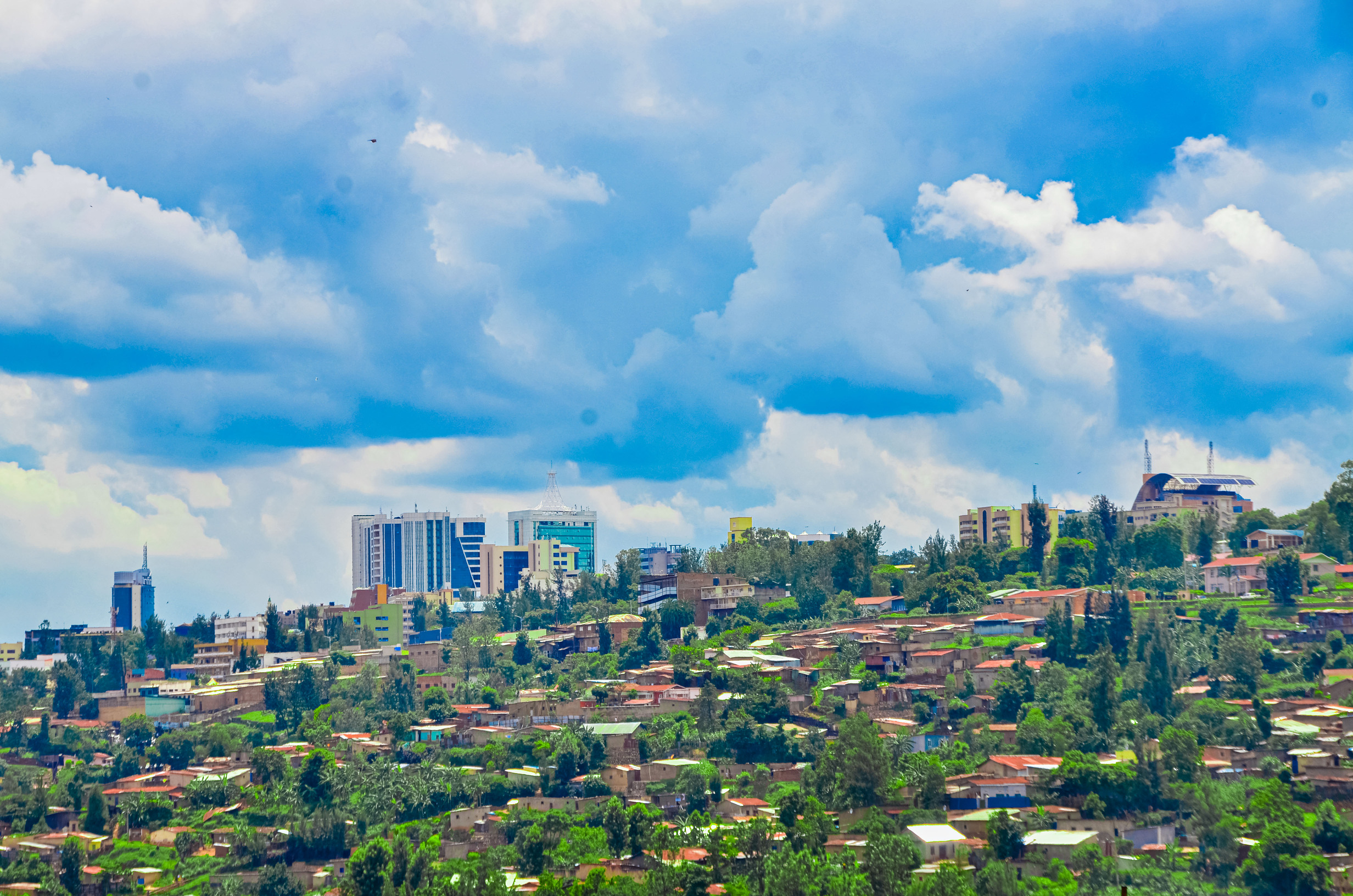
Africa’s population is now estimated at nearly 1.5 billion people; the continent is urbanizing faster than any other region in the world and projections suggest that nearly 80% of future population growth will take place in urban areas.As the climate continues to warm, scientific evidence shows with high confidence that hot days and nights will become more frequent, while many coastal cities are expected to face increasing flood risks related to rainfall events and sea level rise.Across the continent, national authorities, city councils and local governments are increasingly turning to trees and green spaces as part of the solution. But the effectiveness and long-term sustainability of many of these initiatives continue to raise questions.A new book documenting 34 case studies from Southern, Eastern, Western and Northern Africa places trees and urban green spaces at the center of efforts to address the continent’s intertwined climate, biodiversity and inequality challenges.
A newly released book documenting urban forestry efforts across Africa argues that trees and green spaces are no longer a luxury for African cities, but a critical response to climate change, biodiversity loss, and urban inequality.