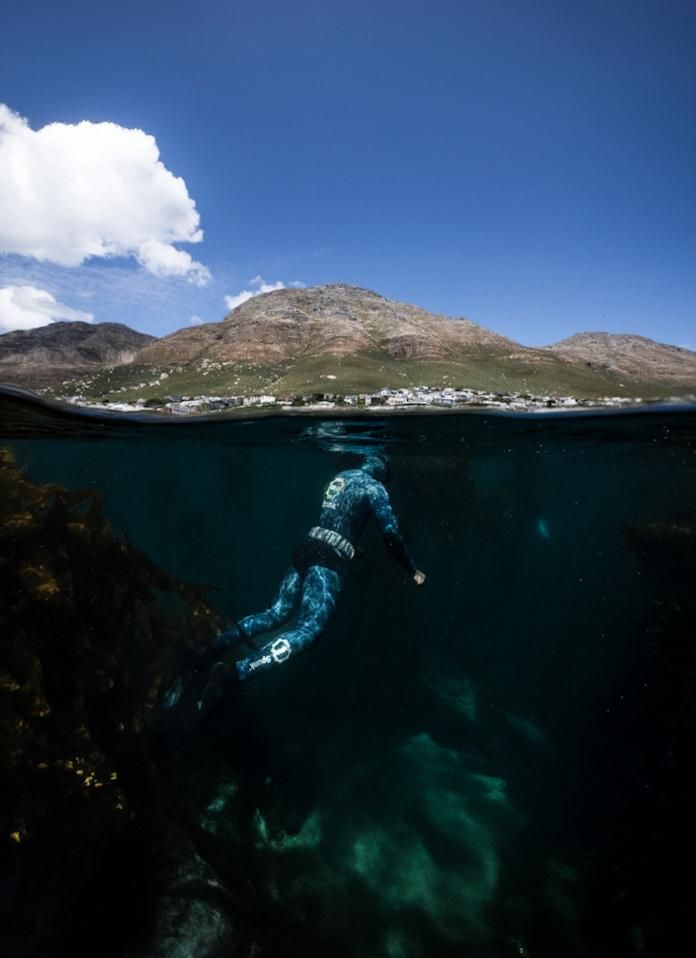
Stretching more than 1,300 kilometers (800 miles) along the coast of South Africa, the Great African Seaforest is home to thousands of species, many of them endemic, and is one of the few expanding kelp forests in the world.The Academy Award-winning documentary “My Octopus Teacher” was set in the Great African Seaforest.Although slivers of the kelp forest fall under marine protected areas, the ecosystem is mostly not conserved.Marine scientists are working to inventory the species found here in the hopes of raising its profile, both internationally and among the communities that live alongside it on the South African coast.
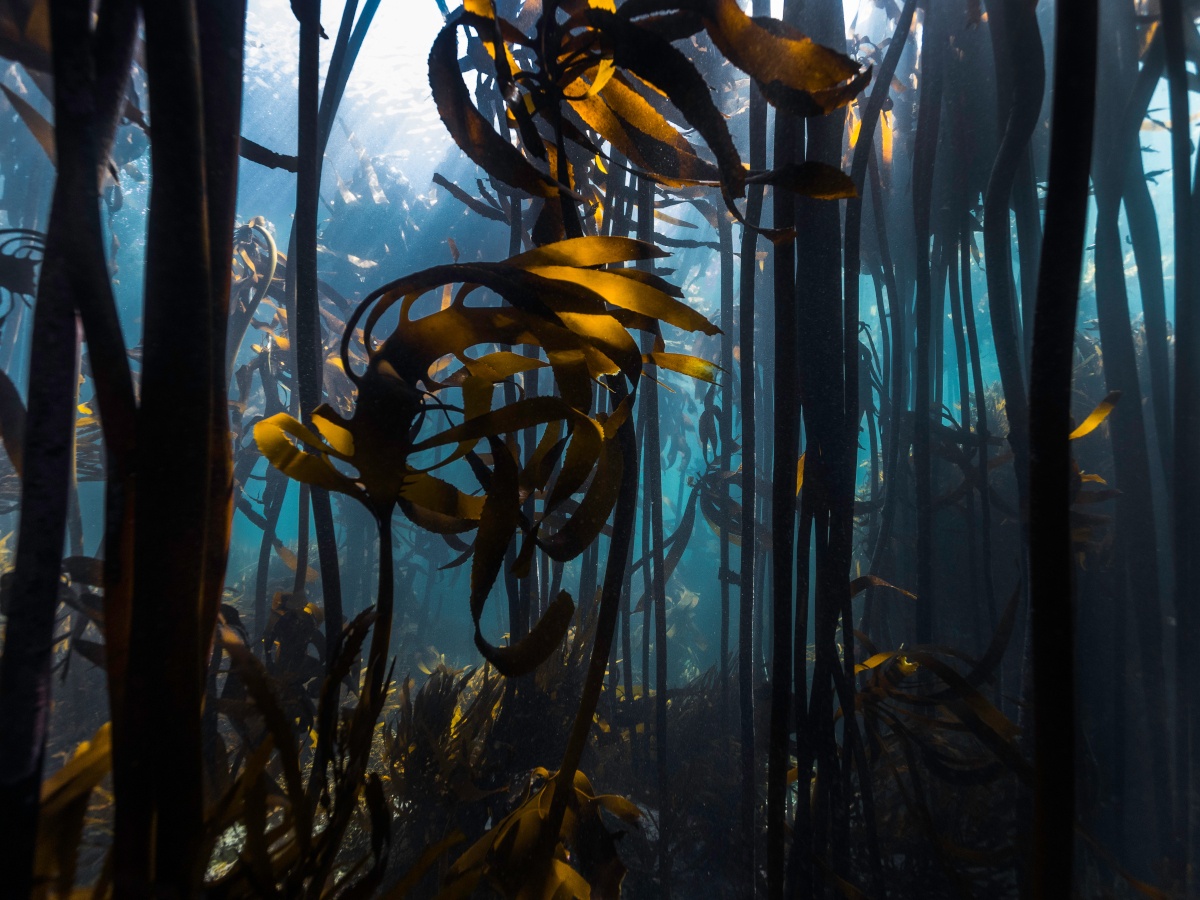
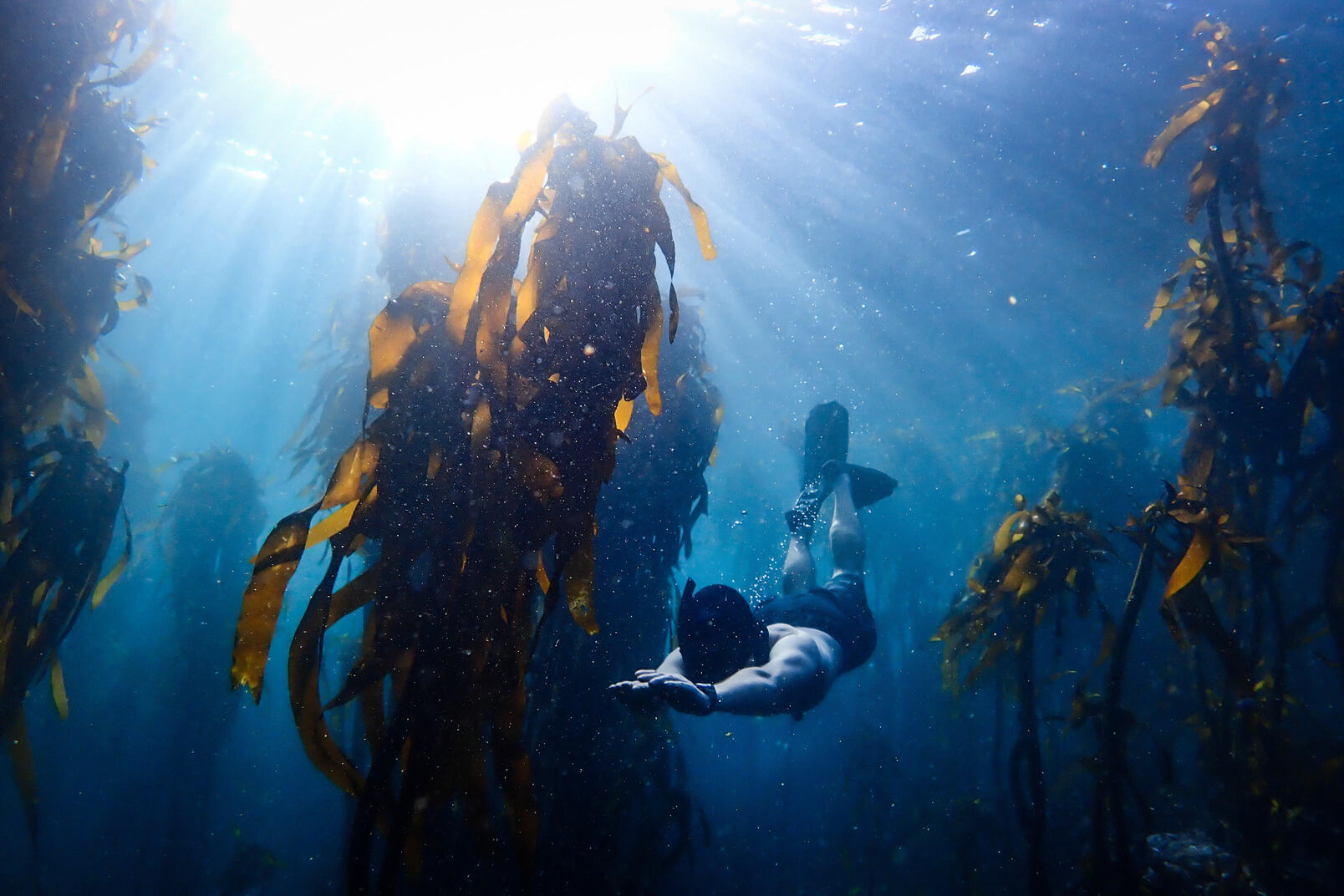
CAPE TOWN, South Africa — Diving in the Great African Seaforest, with its tightly packed towering kelp stipes that can rise up to 9 meters, or 30 feet, from the seabed, is a surreal experience, even for those who study this vast underwater habitat.
“You see fish swimming as birds would do in the forest,” says marine biologist Loyiso Dunga.
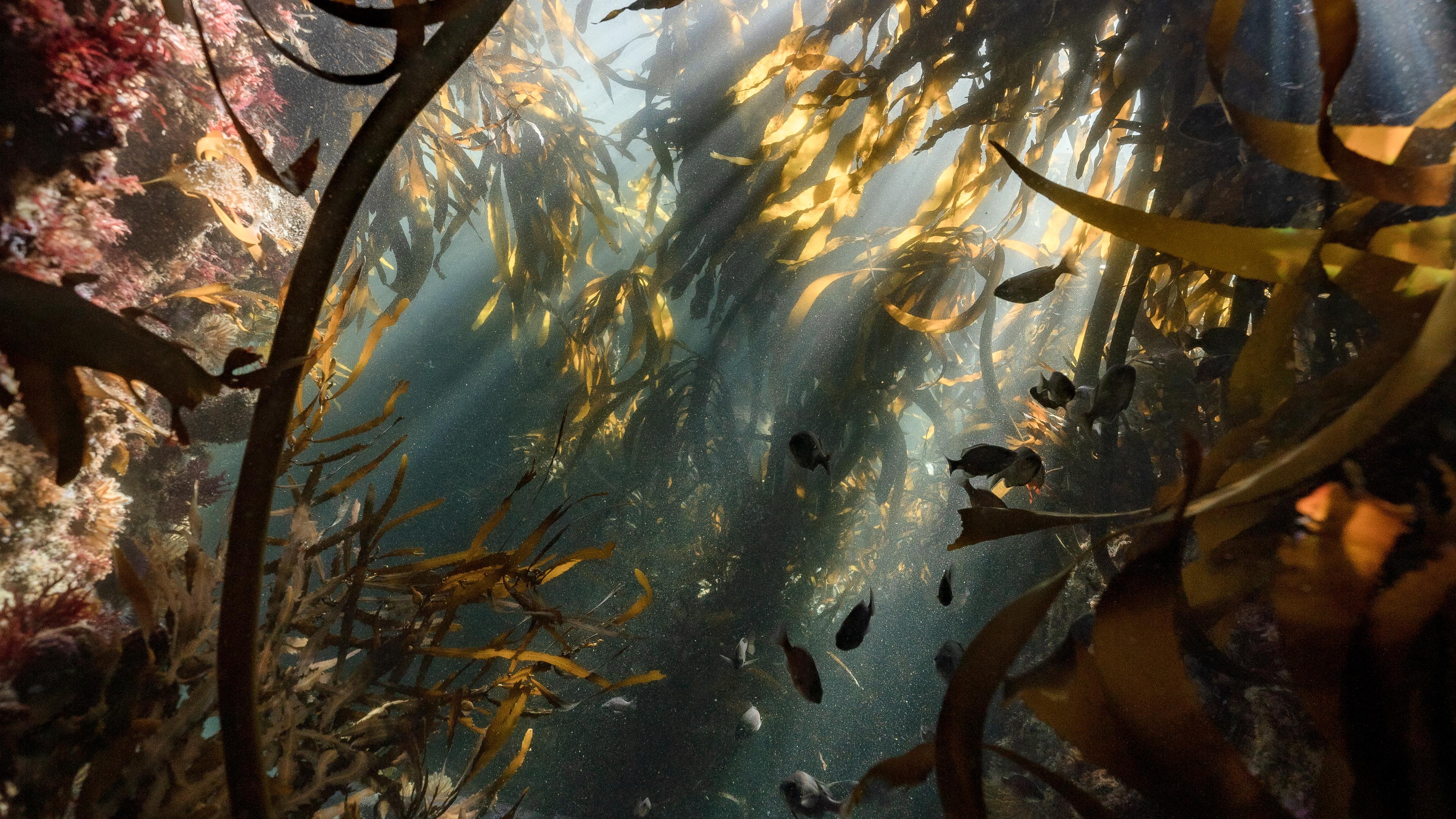
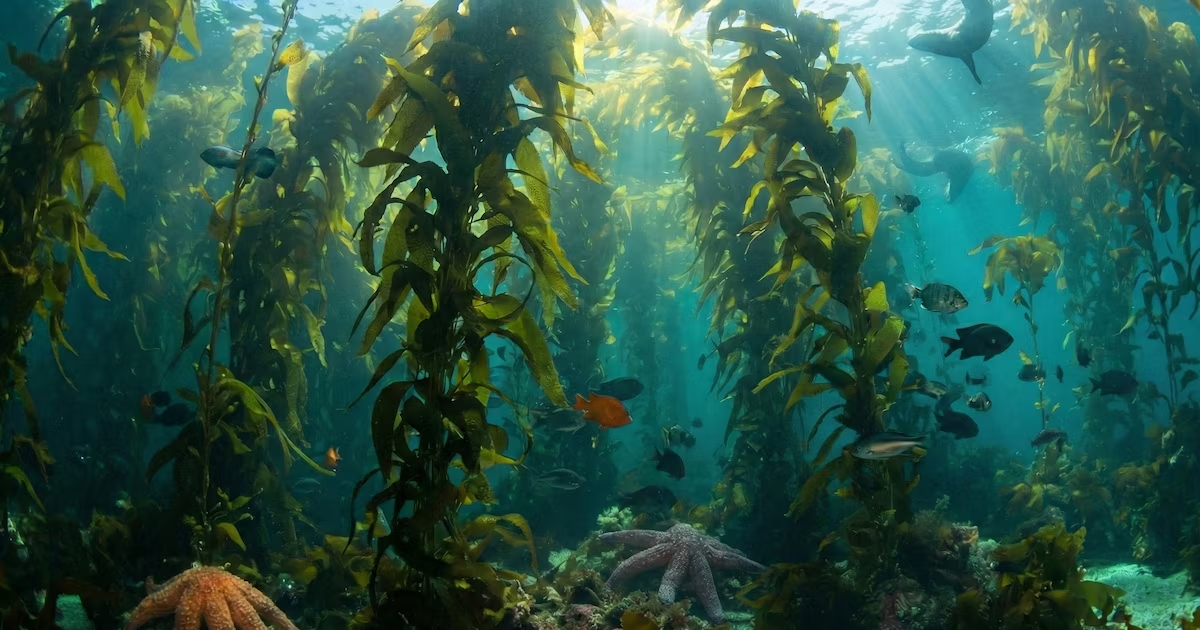
The Great African Seaforest is a biodiverse ecosystem, home to hundreds of species of seaweeds and thousands of species of marine organisms. Image courtesy of Jannes Landschoff.
The popping sounds made by snapping shrimps (belonging to the family Alpheidae) can be heard throughout the Great African Seaforest. Image courtesy of Jannes Landschoff.