Catalina A Musrri of the University of Sydney and Georgina Wood of Flinders University discuss the significance of underwater seaweed forests and how to preserve them.
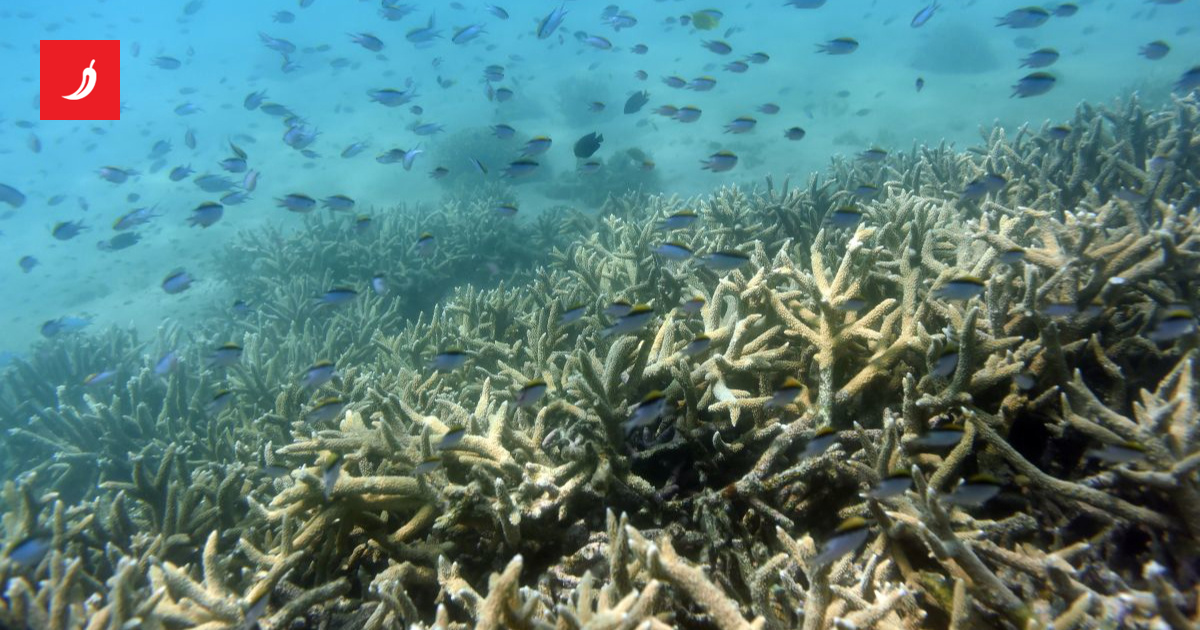
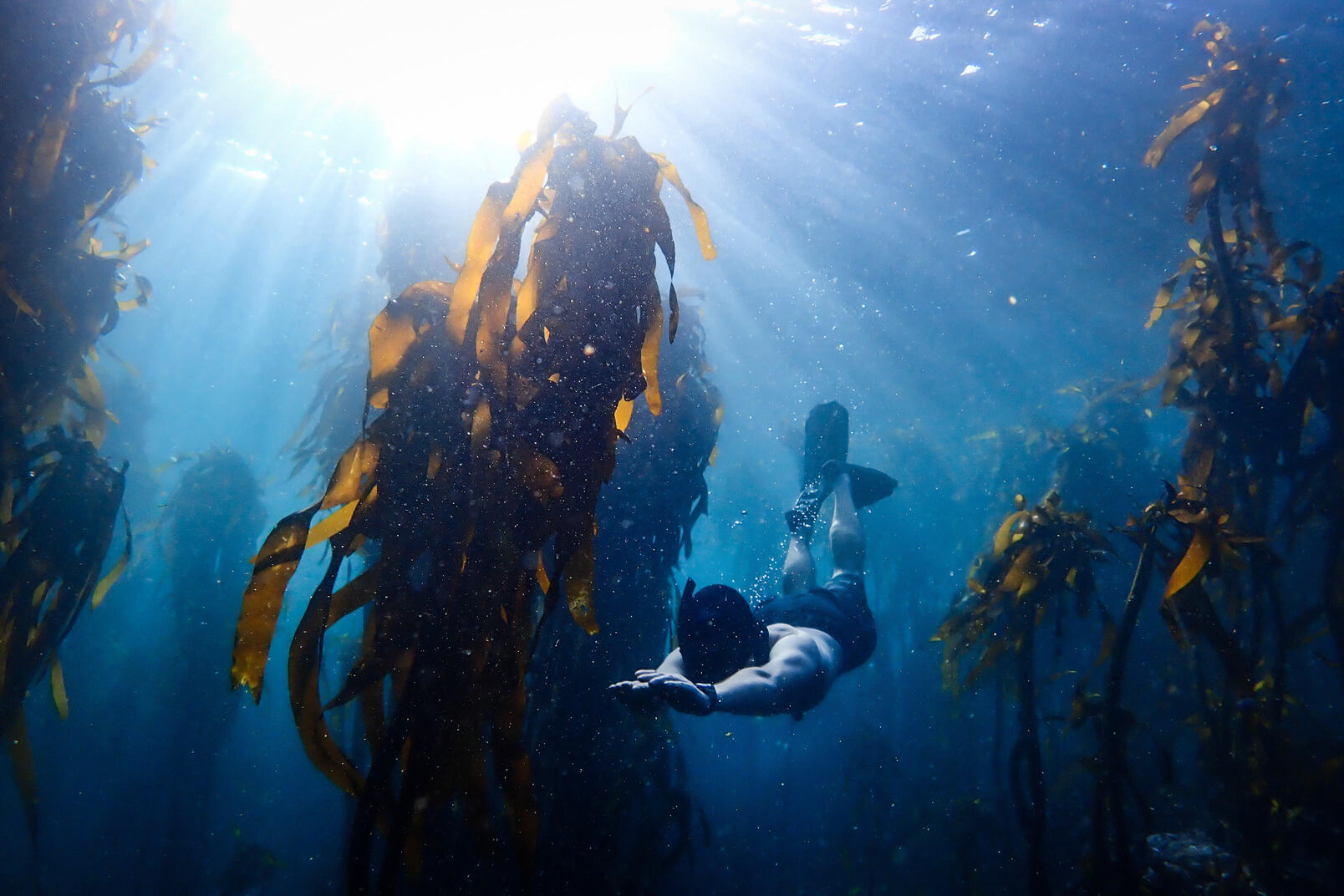
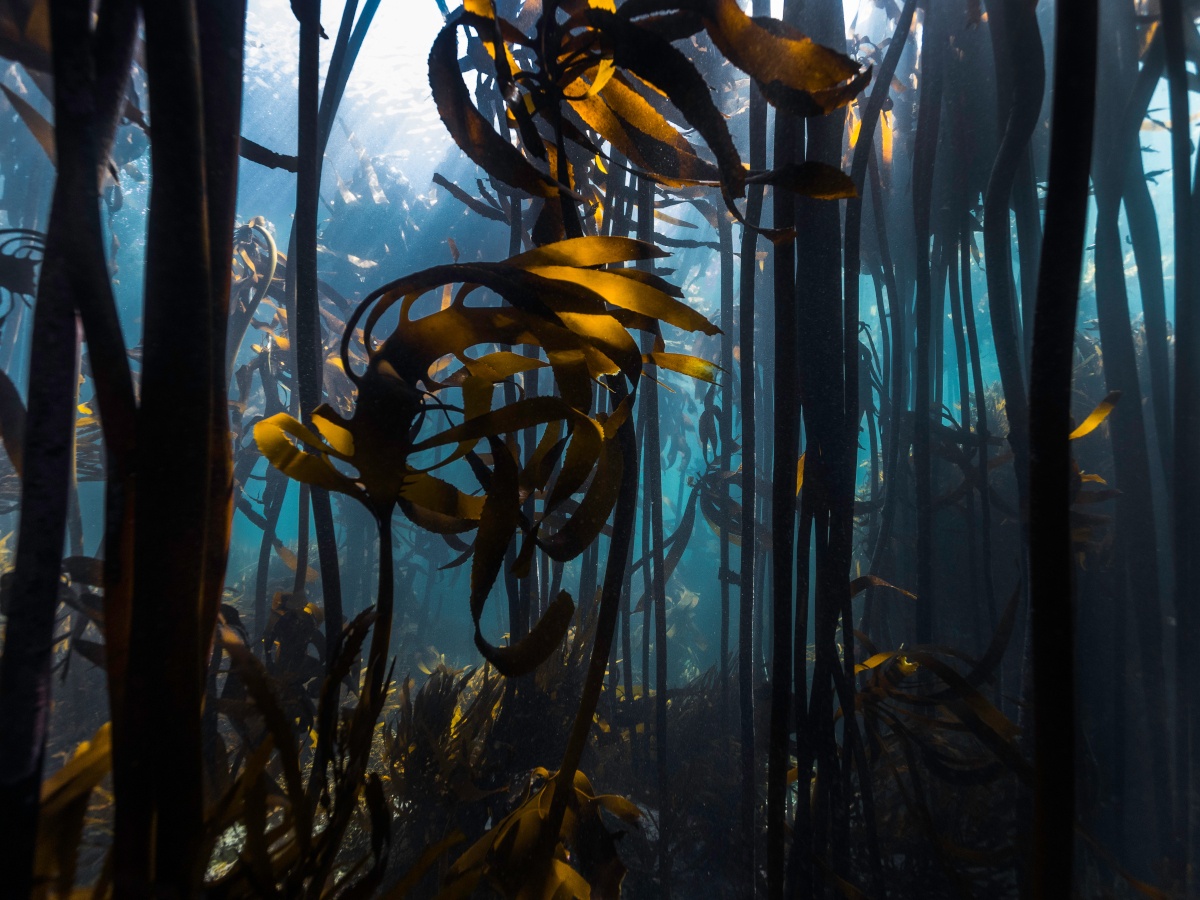
Australia’s Great Southern Reef is built not by coral but by seaweed. The seaweed forests on these rocky reefs stretch more than 8,000km around southern Australia.
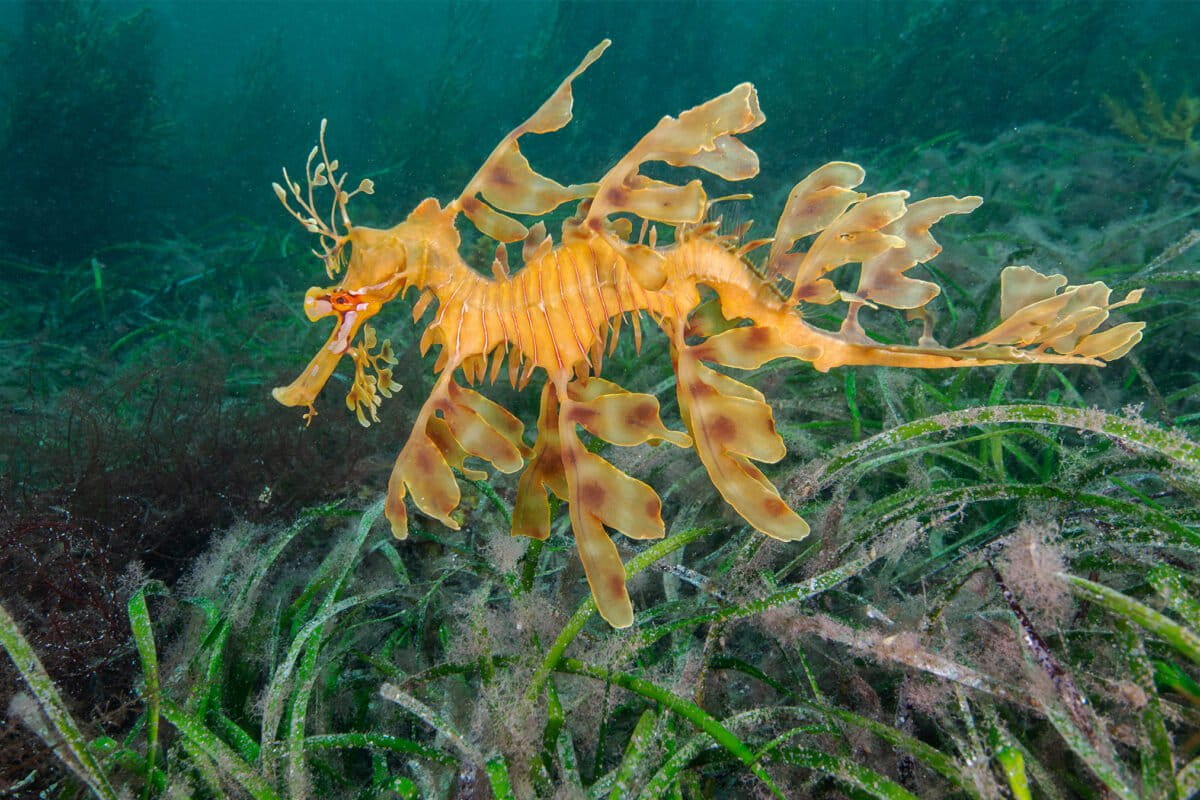
Amid the swaying fronds live seadragons, rock lobsters, giant cuttlefish and southern blue devils. The reef is home to more than 1,500 seaweed species and contributes billions to the economy each year.
But these remarkable cold water forests face a worsening threat. The ocean is getting steadily warmer, pushing seaweed species outside their survival zone. Much of this damage is done by sudden marine heatwaves, where temperatures spike and remain high for some time. Heatwaves have driven the decline of seaweed forests across the country.
To protect these underwater forests, we need to preserve their genetic diversity. We led the first attempt to cryopreserve (freezing and storing reproductive material at ultra-low temperatures) a key Australian seaweed, crayweed, and found the idea shows promise, though the techniques need to be perfected.