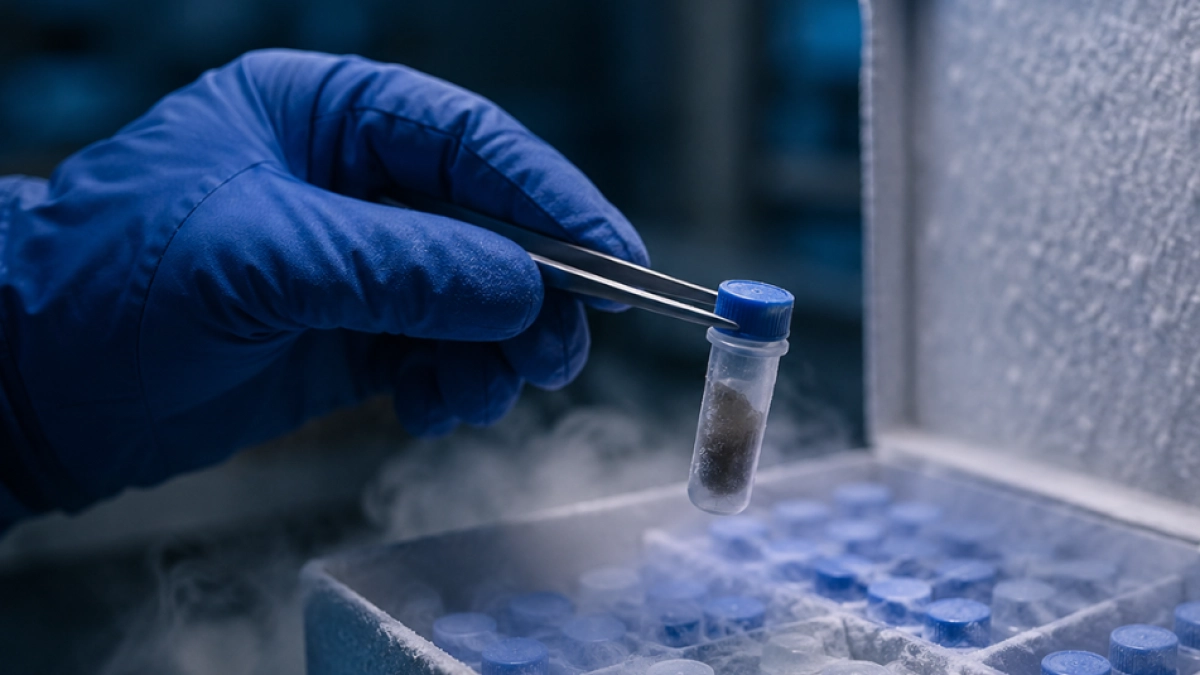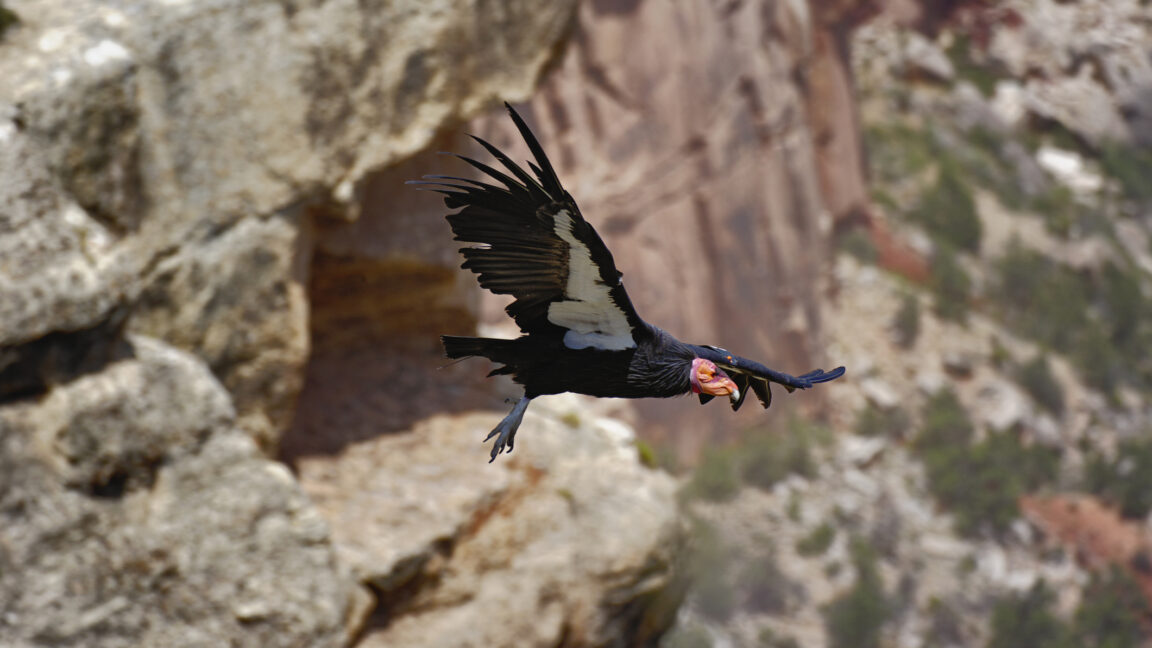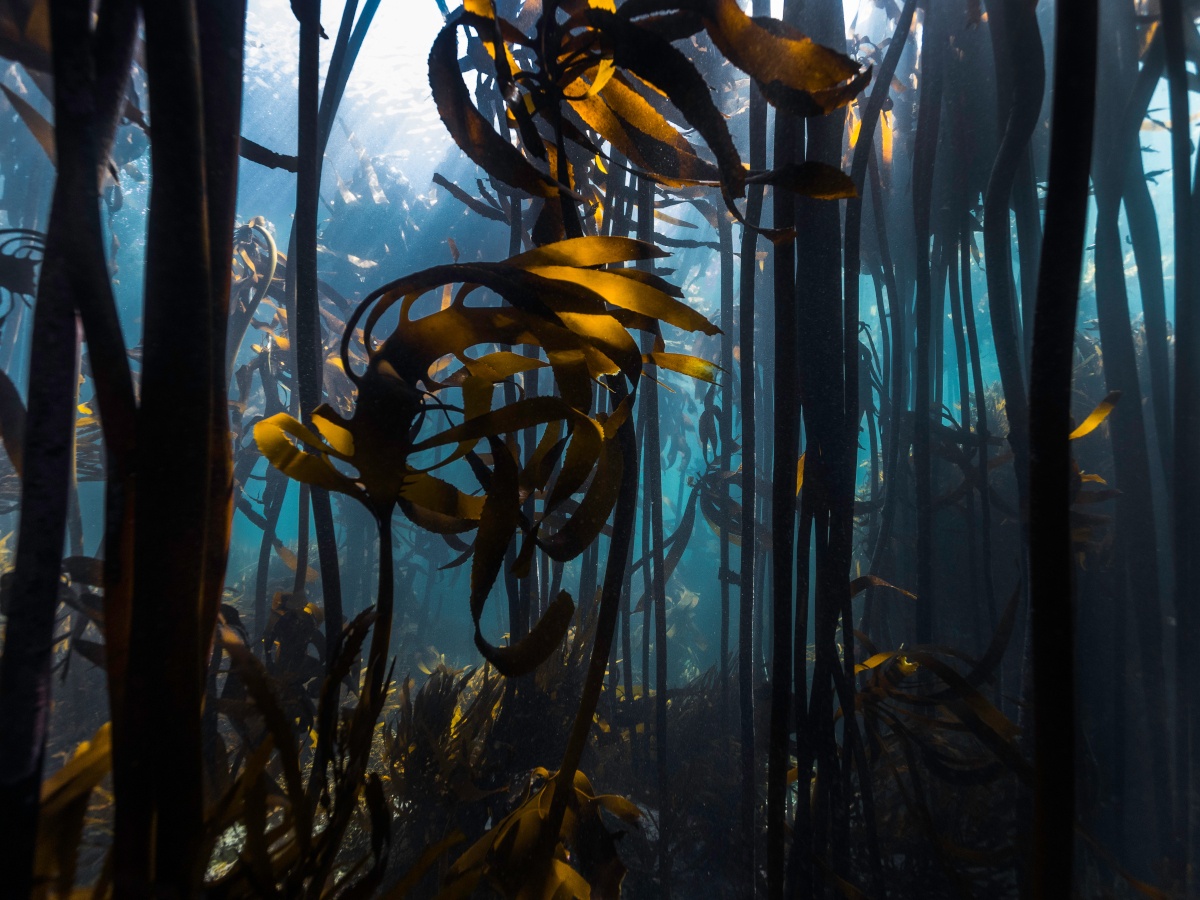
Australia’s biobanks store everything from seeds of native plants to the cells and tissue of threatened animal species
I
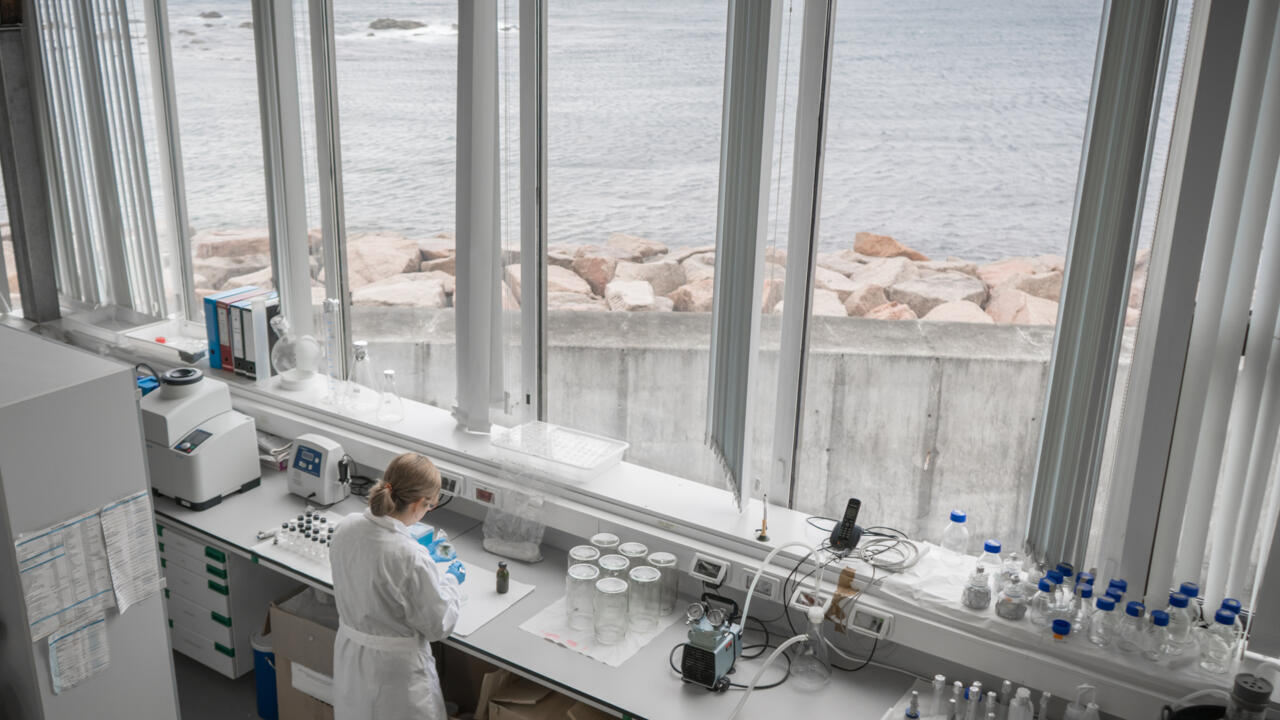
n the mudflats of Swan Bay, Victoria, royal spoonbills sweep their paddle-shaped bills through shallow water. Nearby, under the grass-covered roof of the Queenscliff marine research centre, a team of scientists from Deakin University are trying to bring the ecosystems those birds and many others rely on back from the brink.
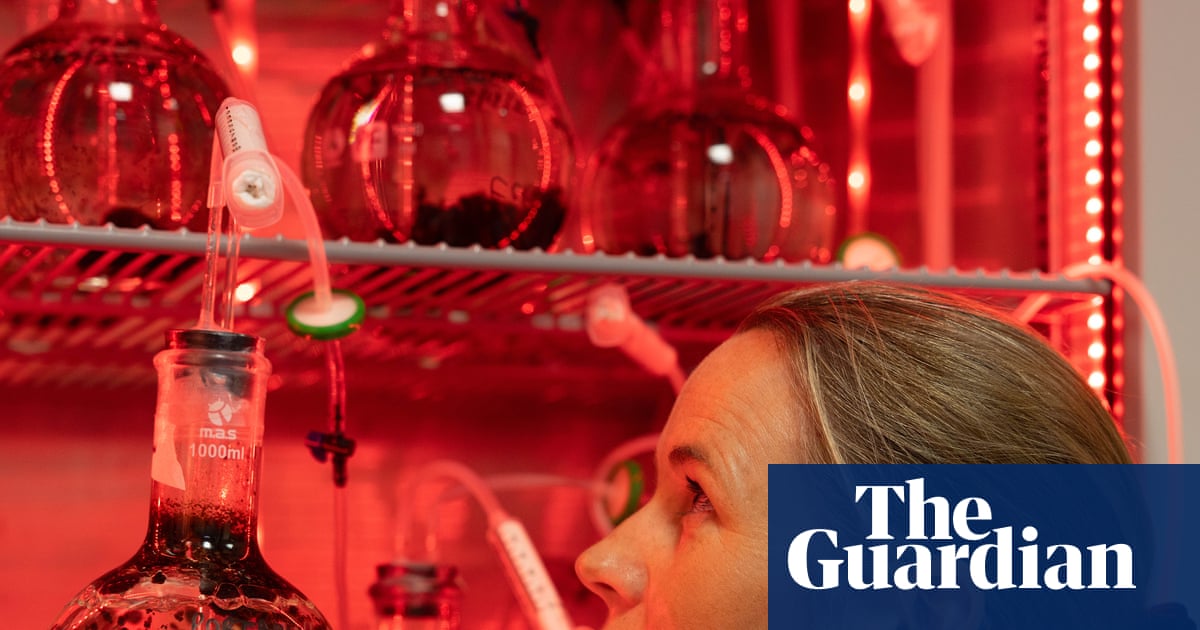
Some of that involves associate professor Prue Francis’s beakers – filled with bubbling brown gunk – that are bathed in red light inside a fridge equipped with sensors, alarms and a backup generator.
The beakers contain golden kelp. The red light keeps them perpetually in an early algal life stage. “They won’t produce the next stage. They’ll just keep growing like grass,” Francis says. Another fridge, smaller and colder, contains trays of tiny vials of the same stuff, but dormant.