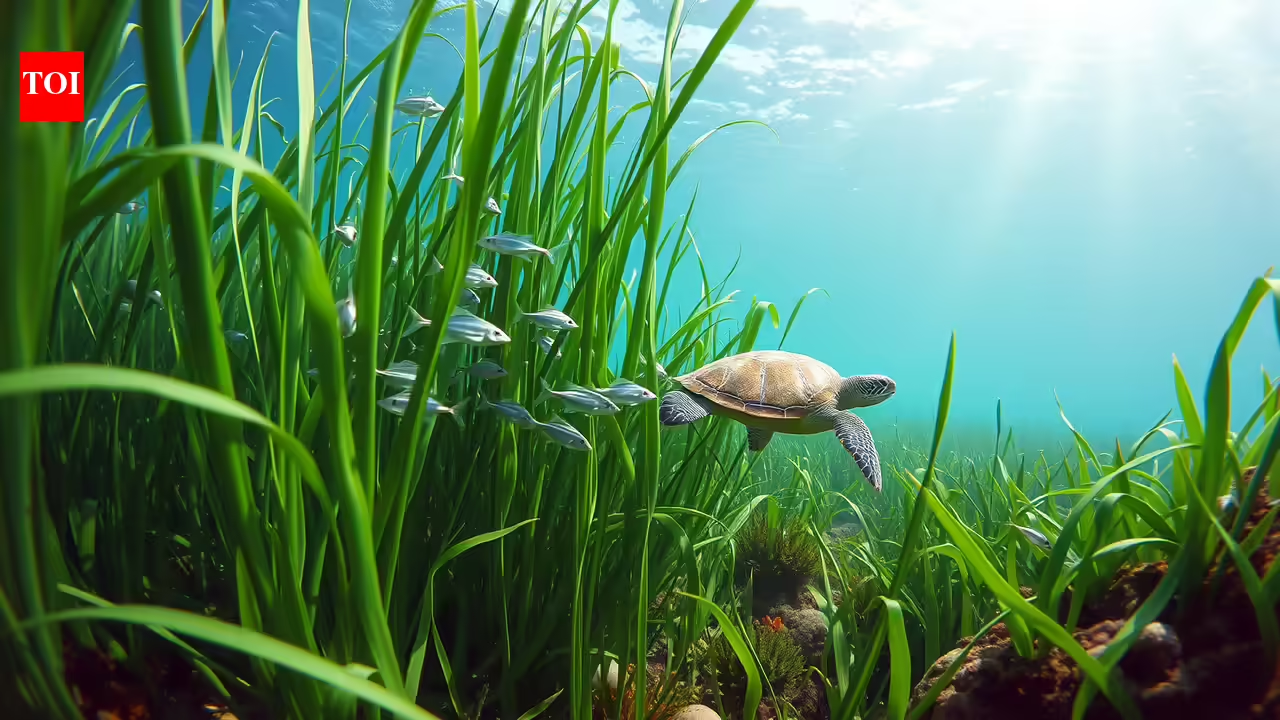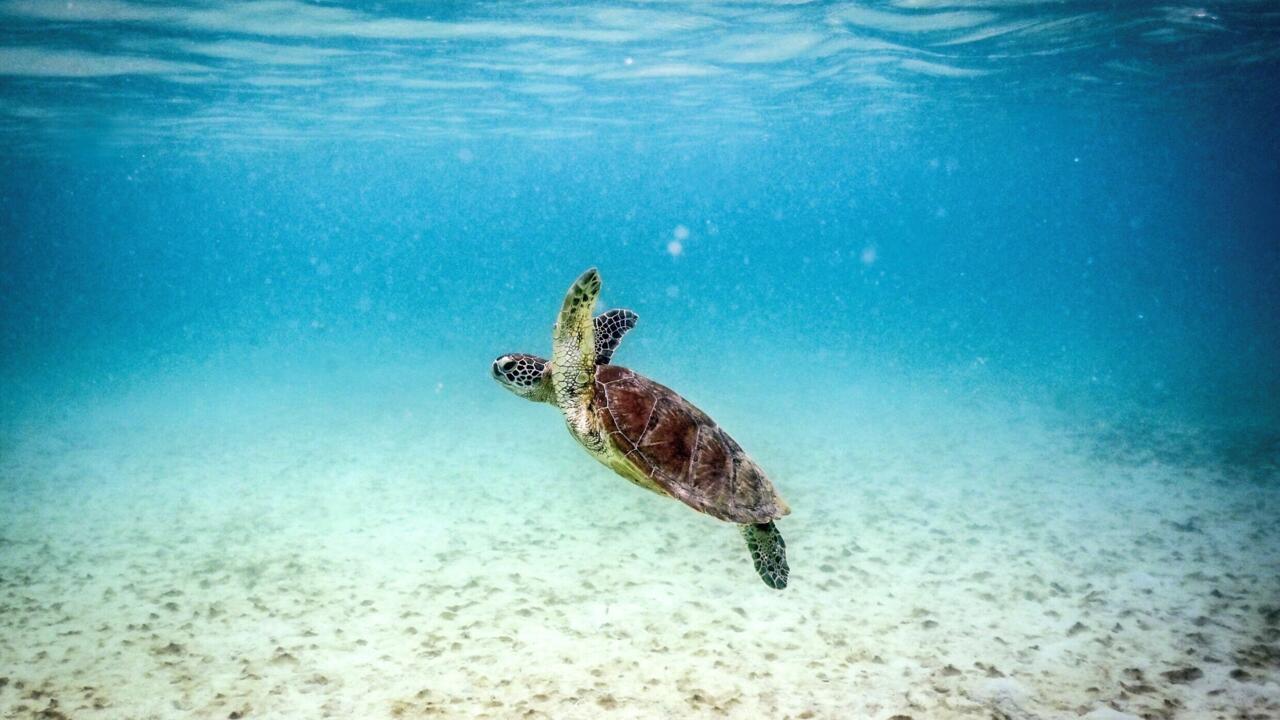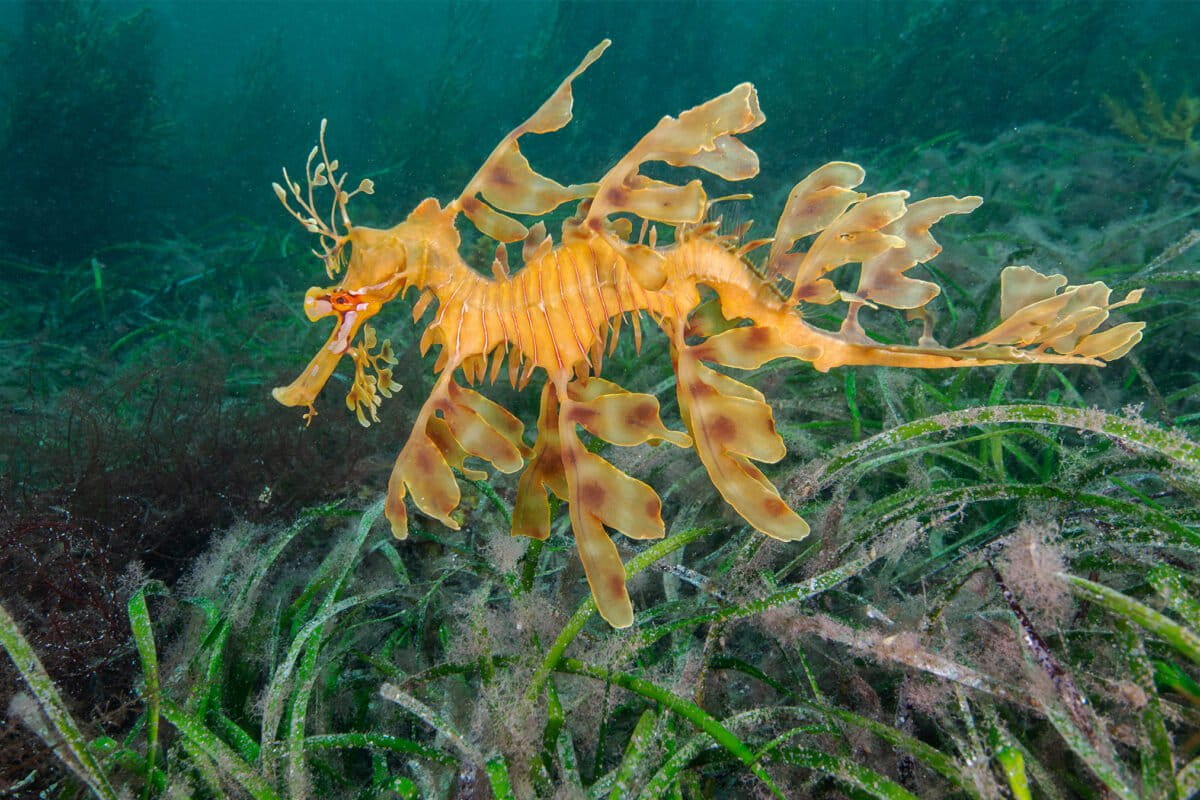
Australia is a global stronghold for seagrasses, the flowering plants that grow in coastal waters and bays.Seagrasses are unsung but vital ecosystem engineers: They stabilize sediments, provide habitat and food for marine species, help cleanse the water column of pollutants and sequester vast amounts of carbon dioxide.Across Australia’s waters, these undersea meadows are suffering as coasts are developed, seas are polluted and climate change continues to raise water temperatures.Conservationists are working to restore seagrasses and build resilience to preserve these vital marine ecosystems.
Australia’s Great Barrier Reef is renowned for its coral, but far less so for its expansive seagrass meadows.
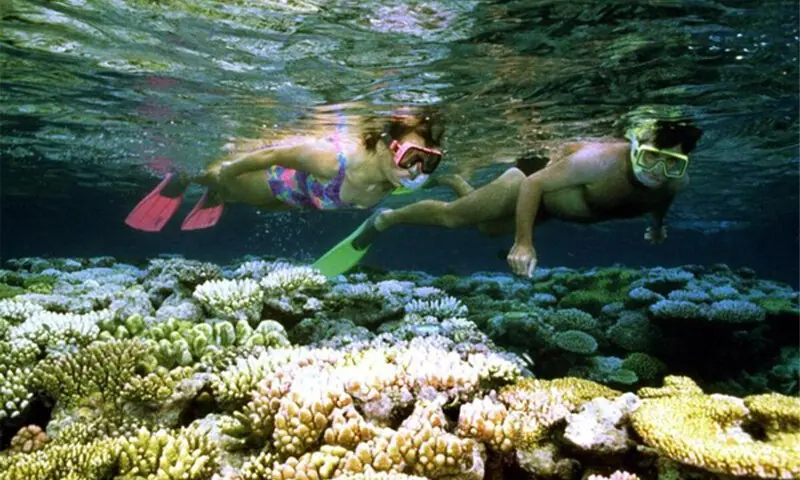
“People don’t dive on them, don’t snorkel on them, and don’t go rock pooling on them,” said Emma Jackson, director of the Coastal Marine Ecosystems Research Centre (CMERC) at Central Queensland University. She’s a self-confessed seagrass nerd. One reason, she said, is because “they have this wealth of different ecosystem services.”
Though they’re known as the “ugly cousins” of coral reefs, these flowering grass-like plants provide a home and foraging grounds for marine life, as well as habitat for commercial fish species. These meadows stabilize sediments, help cleanse the water column and sequester substantial amounts of carbon.