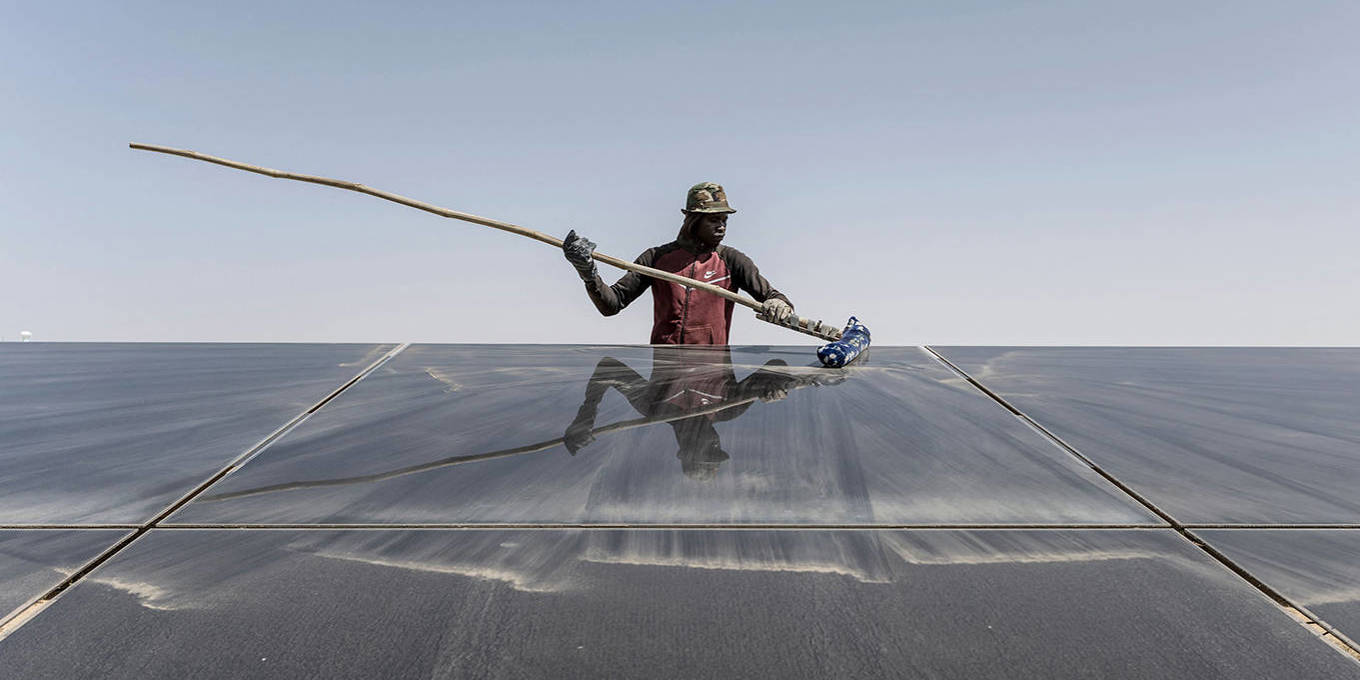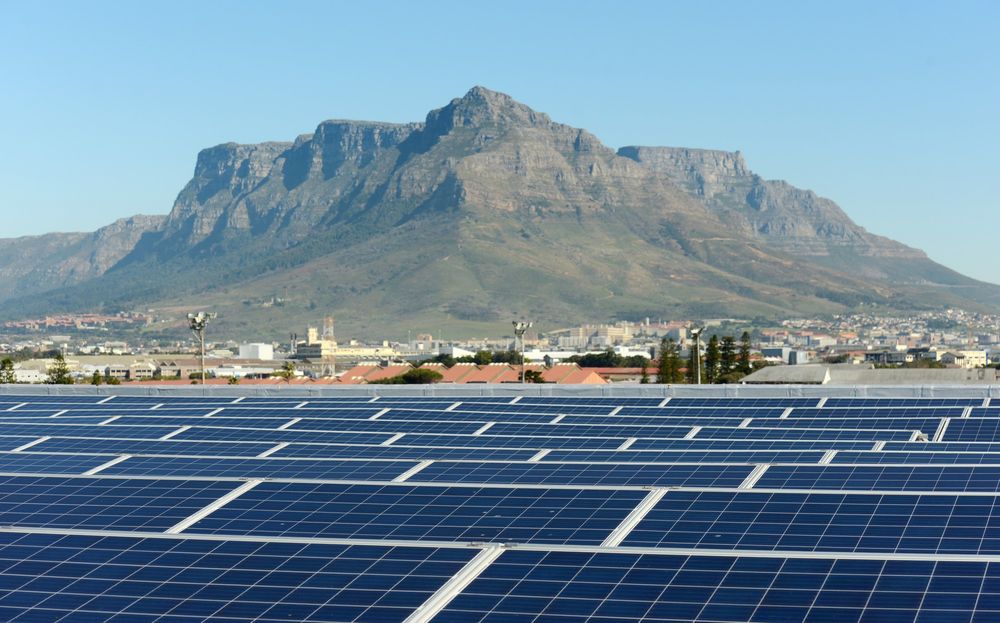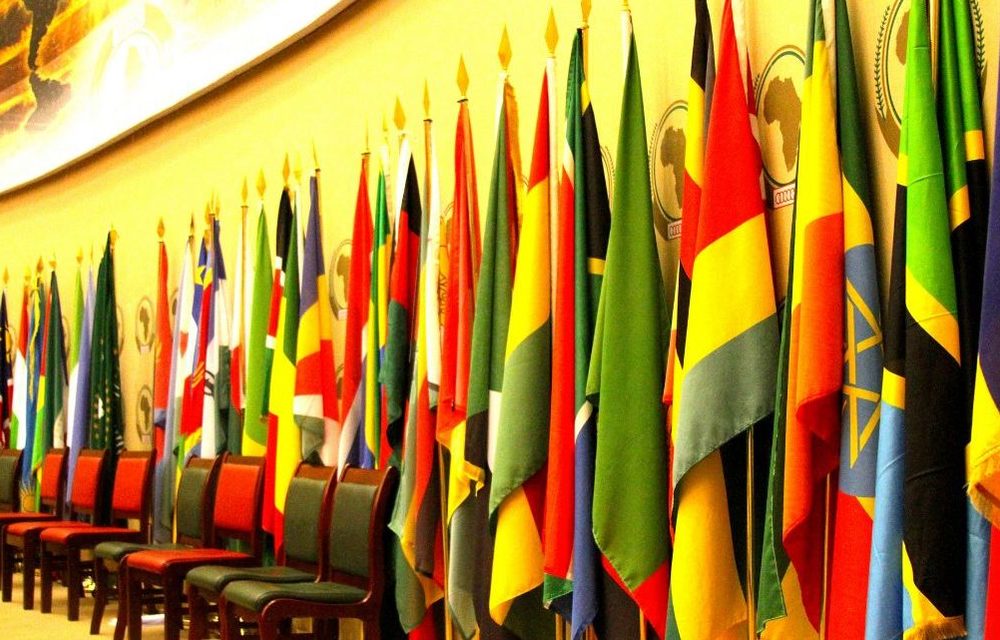
Africa Day, being celebrated on Monday, arrives this year at a moment of genuine consequence. The global architecture that has shaped climate action for three decades is under strain. Major powers are retreating, multilateral co-operation is faltering, and the quiet question being asked across the continent is whether the transition now accelerating in Africa will be one that Africans shape, or one that is shaped for them. That question — of who defines the problems, who designs the solutions and whose conditions and capabilities are the starting point — is the most important one we can ask on this day. Climate in Africa cannot be understood apart from development. The two are not parallel concerns but deeply entangled ones. This may seem obvious now, but for much of the past two decades the dominant climate narratives emanating from the continent were not born here, but conceived in donor capitals and Northern research institutes, filtered through humanitarian frameworks and migration anxieties, and handed back to African governments and organisations as the terms of engagement. Climate was a crisis to be managed by others, not a transformation to be seized for ourselves. That framing has done considerable damage. It has obscured the essential economic argument for climate action in Africa. It has positioned the continent primarily as a victim — of emissions it did not produce, and of a transition it did not design. And it has made it harder, not easier, to unlock the investment that genuine transformation requires. The reality, as any serious review of the energy landscape will show, is considerably more interesting. Kenya now generates about 90% of its electricity from renewable sources, not because of a climate epiphany but because it possesses one of the world’s great geothermal belts and it had the policy intelligence to exploit it. Ethiopia inaugurated the Grand Ethiopian Renaissance Dam in 2025, a 5,000MW hydropower installation built without a single foreign loan, funded by Ethiopians for Ethiopians. In South Africa load-shedding has done more to accelerate solar PV adoption than a decade of climate policy diplomacy. The country now has over 10GW of solar capacity, a renewable pipeline that has grown from 63GW to 220GW in three years, and a Just Energy Transition Partnership that has mobilised $13.7bn from international partners. The island economies of Mauritius and Madagascar illustrate the stakes in starker terms: Mauritius imports fossil fuels at a cost of billions of rupees annually, while Madagascar’s president declared a state of national energy emergency in April when Middle East supply disruptions left the country’s fuel-dependent grid critically exposed. These are economies under pressure, reaching for alternatives with whatever leverage they have. What binds these stories together is not a shared commitment to net zero but a shared recognition that energy security and economic resilience are inseparable and that the cost of fossil fuel dependency is a structural economic risk, not merely an environmental one. As we have argued for years, climate shocks are no different in their systemic effects from economic shocks. They collapse fiscal capacity, deepen debt, widen inequality and reduce the ability of governments to invest in the very things that would make their populations more resilient.A drought that raises food prices is an agrarian crisis and an inflationary one. A fuel supply disruption is an energy crisis as well as a macroeconomic one. The countries that understand this and build their climate strategies from this economic starting point are the ones most likely to make the transition durable. This is where I want to be frank about the current geopolitical context, because clarity is more useful than consolation. The US has retreated from many of its climate commitments. The rivalry between major powers is generating friction that makes seamless multilateral co-operation increasingly difficult. The delegitimisation of collective climate effort, the quiet implication that it is performative and will not bear fruit, is a real psychological and political force. It creates an environment in which individual and collective African effort can be made to feel futile, as though the point is to wait for the great powers to find their way back to the table. We should resist this framing. Not because geopolitics does not matter — it does, profoundly — but because the argument for climate action in Africa does not, ultimately, rest on the behaviour of other countries. It rests on the straightforward logic of economic and enlightened self-interest. The task is to build the policy frameworks, investment conditions and institutional capabilities that ensure when necessity strikes — and it will — the response moves in the right climate and development directionReducing dependence on volatile fossil fuel imports strengthens the fiscal position of governments. Bringing down the cost of electricity supports industrialisation and diversification. Building resilience against extreme weather events — such as the pending potential catastrophe of a looming Super El Niño — protects the productive base. These are not concessions to foreign pressure but strategies for national development. None of this diminishes the importance of deliberate climate policy — if anything, it reinforces it. Necessity and crisis have always been powerful drivers of change. But necessity without preparation simply entrenches whatever is cheapest and fastest, not what is best. The task is to build the policy frameworks, investment conditions and institutional capabilities that ensure when necessity strikes — and it will — the response moves in the right climate and development direction. There are, of course, real structural constraints that African governments and organisations cannot resolve through will alone. The cost of capital remains perhaps the most stubborn. Where a renewable energy project in Germany attracts financing at 8%–12% returns, the same project in Sub-Saharan Africa may need to offer 18%–20%. This differential reflects currency risk, governance perceptions, and the depth, or absence, of domestic capital markets. The solution is not to simply recruit more foreign investment, even though it remains a priority. Instead, it is to do the harder work of building the domestic financial and institutional ecosystems that can make investment cheaper and more enduring. It is also, emphatically, to resist the idea that the right technologies or the right methodologies will be handed down by those with more resources. Africa needs to build through good policy, reduced investment risk and commercial agreements with technology suppliers that reflect the continent’s actual interests, rather than extracting a premium from its vulnerability. Ethiopia’s emerging relationship with clean vehicle technology, made viable precisely because its hydropower provides cheap clean electricity, is an example of what this looks like in practice. As the African Climate Foundation enters a new strategic period we return to the principle with which we began. The ideas shaping Africa’s climate future, the people doing the work, the partnerships being built, must be rooted here, shaped by African conditions, accountable to African priorities and capable of growing in the face of setbacks rather than retreating to safer ground. Funding, inevitably, comes from many places. But the intellectual and strategic ownership cannot be outsourced. The mistakes, as much as the victories, belong to us. That is not a burden. It is what capability looks like in the making. This Africa Day we must admit that the continent’s transition will not be given to it. It will be made, unevenly and imperfectly, by Africans themselves. • Fakir is executive director of the African Climate Foundation.
SALIEM FAKIR | Africa’s climate transition must be shaped from within
Local priorities and capabilities rather than donor-driven narratives should drive the transition
1,221 words~6 min read