May 24, 2026 | 06:29 pm
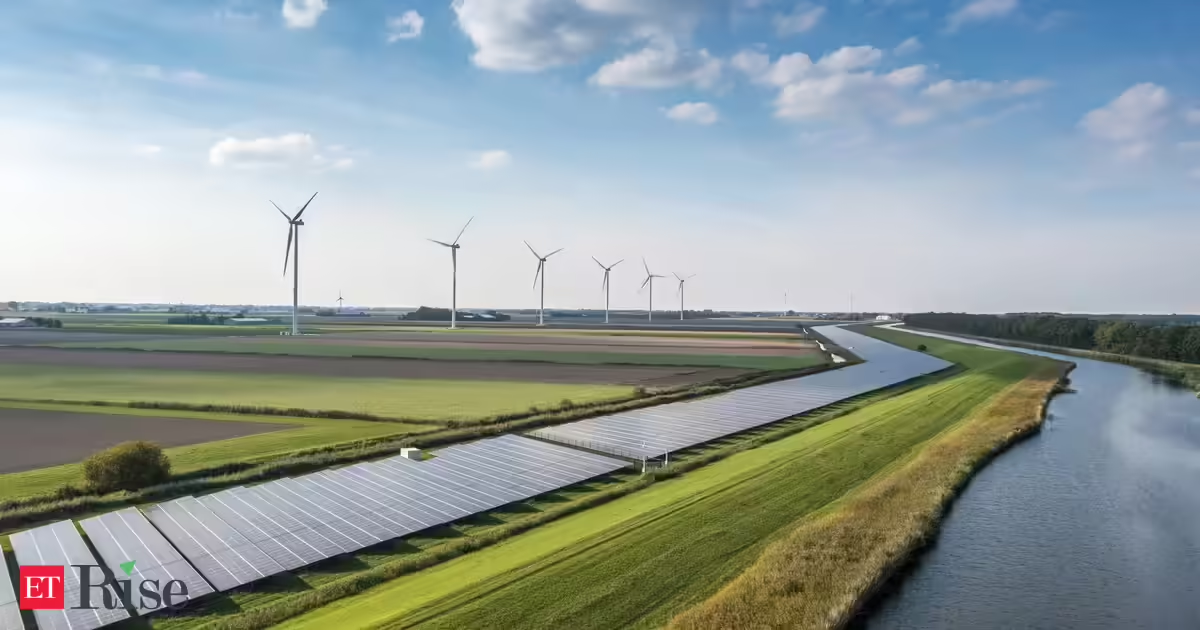
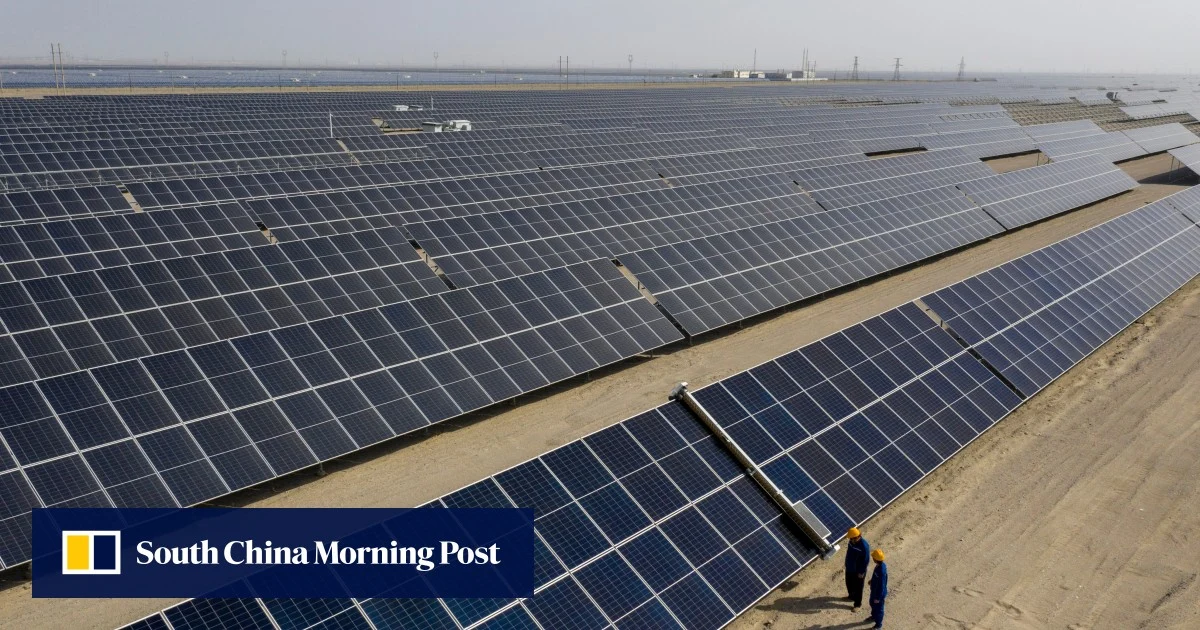
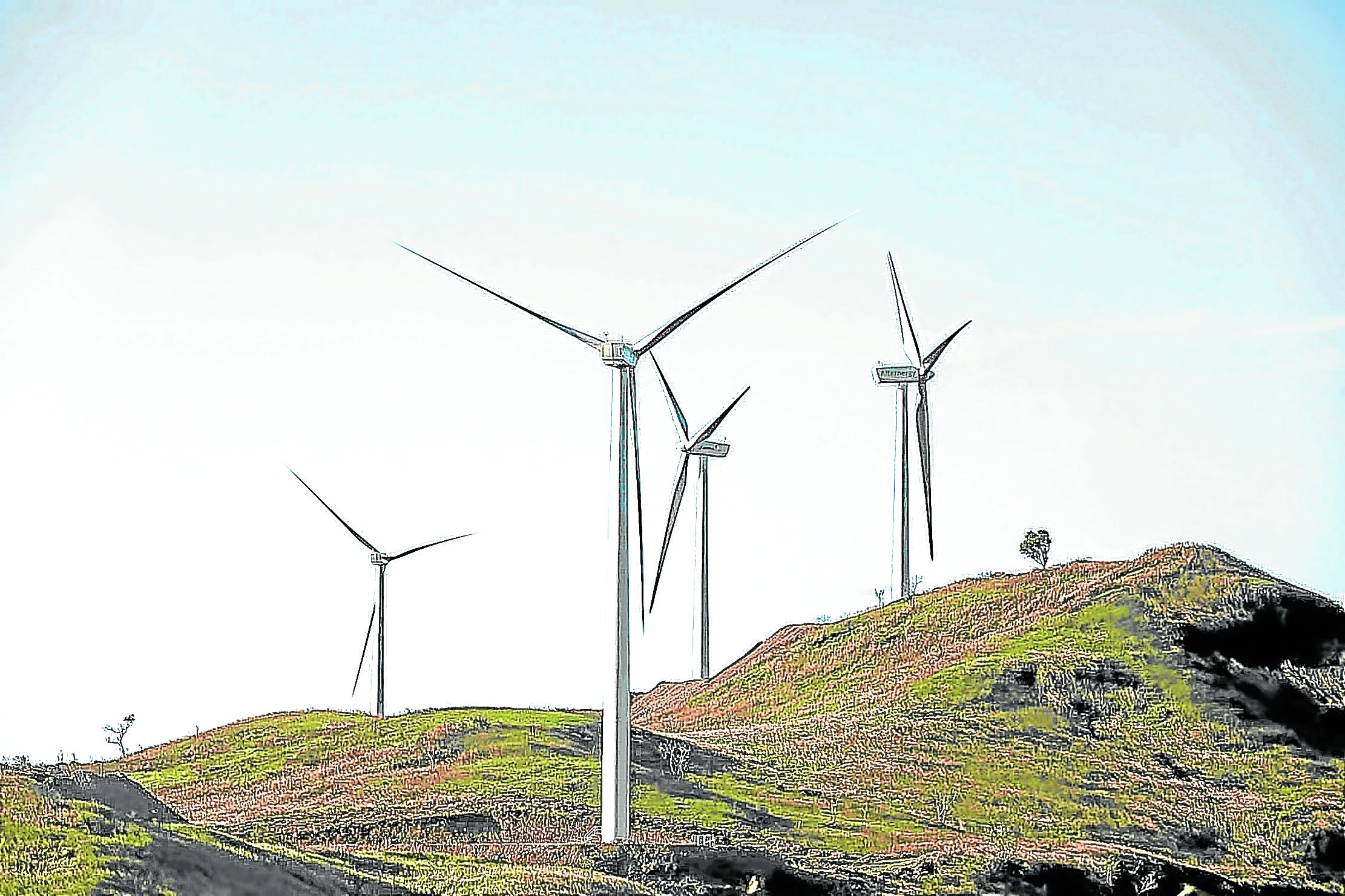
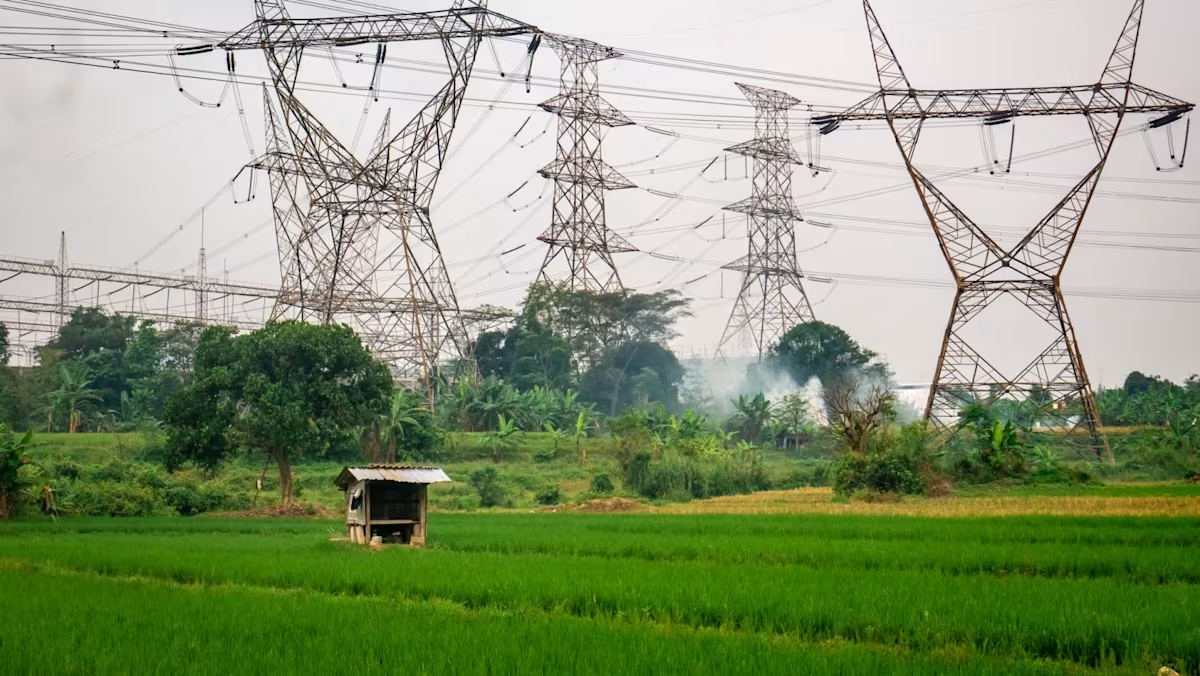
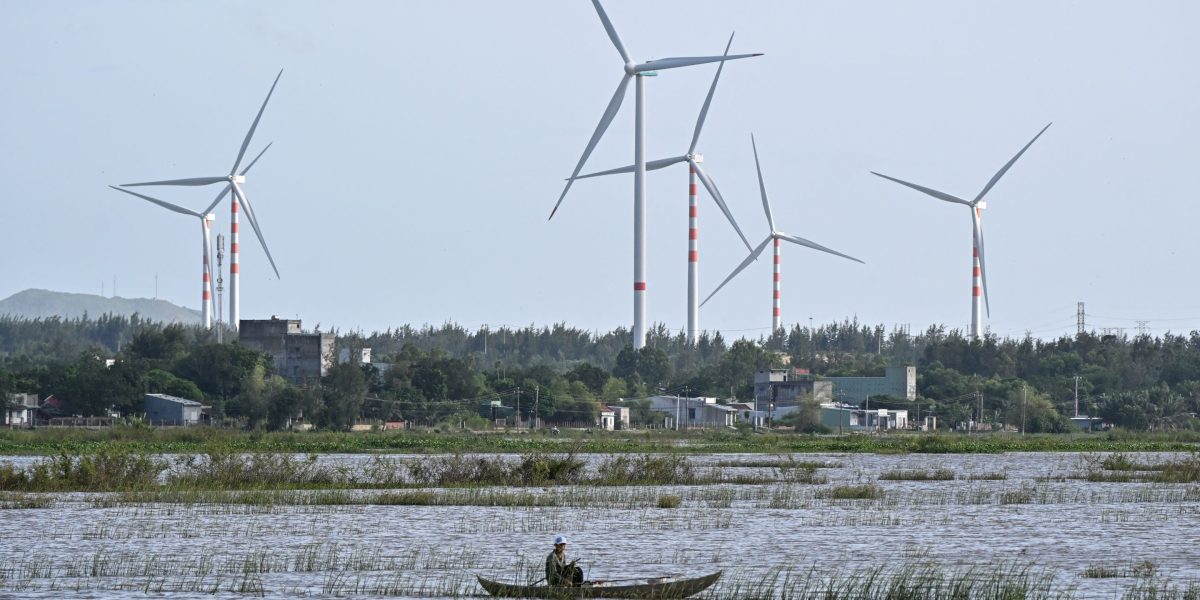
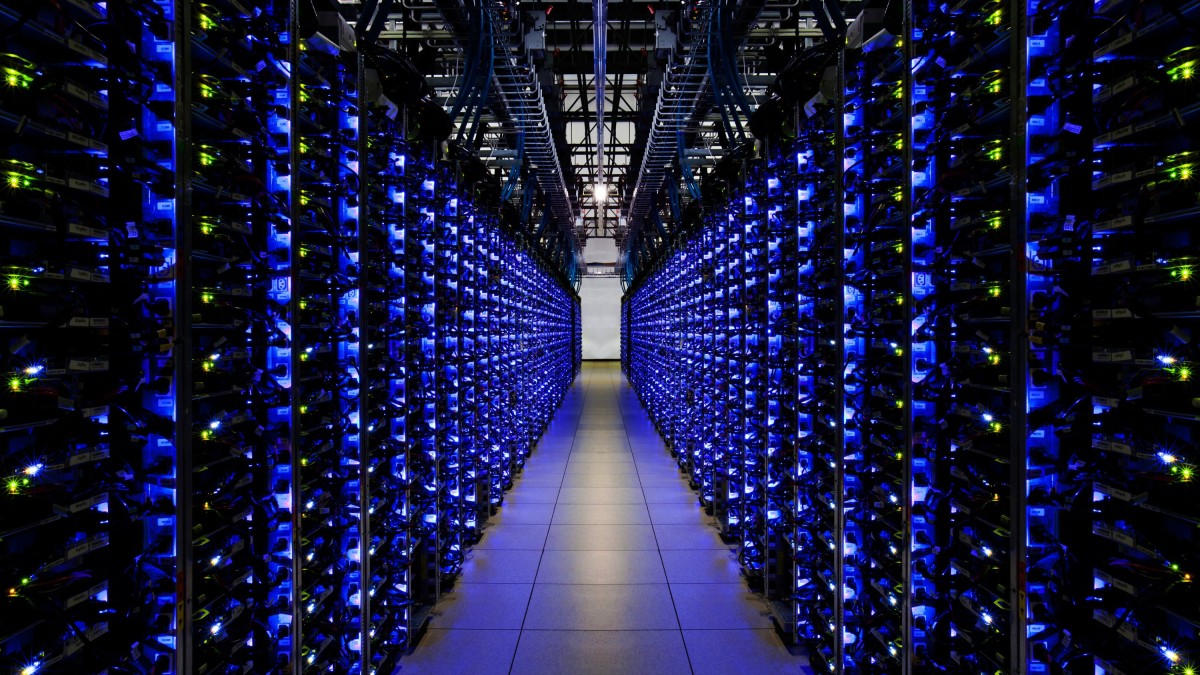
TEMPO.CO, Jakarta - Google believes Asia possesses all the necessary elements to drive a green industry transition, from manufacturing capacity to high corporate demand for clean energy. But these elements are not fully integrated, thus hindering the acceleration of energy transition in the region."Asia has the manufacturing prowess and the corporate demand, but the demand alone, unfortunately, isn't enough anymore," said Spencer Low, Head of Regional Sustainability for APAC at Google, at the Climate Group Asia Action Summit in Singapore on Thursday, May 21, 2026.Spencer Low made the statement during a green industry transition forum discussing the findings of the 2026 industrial development report by UNIDO. The report highlights several major trends such as artificial intelligence (AI), digitalization, energy transition, and global supply chain changes that reshape industrial development and widen productivity, scale, and environmental performance gaps.According to Spencer Low, systemic transformation is required to realize the green industry, as high demand for clean energy alone is no longer sufficient to bring significant changes.On that occasion, he emphasized three main aspects that require advancing: market access, power grid infrastructure, and policy support to raise carbon awareness.In terms of market access, Spencer said Asia has a large potential for renewable energy, albeit with a fragmented mechanism for companies to purchase clean energy. Google sees the policy space available to expand direct power purchase agreements, green electricity tariffs from utilities, and cross-border energy trading.He also mentioned the importance of developing the ASEAN Power Grid as part of regional energy integration. According to Low, clean energy can no longer be treated as an additional factor in investment decisions but must be part of data center and industrial area development planning.Spencer Low also highlighted the possibility of developing clean energy zones by locating industrial areas near low-carbon energy sources such as solar and wind power. In supporting decarbonization targets, Google strives to operate using carbon-free energy that adjusts the company's energy consumption periodically to use carbon-free sources as much as possible.To support this system, according to Spencer Low, an increase in infrastructure and policy support is needed to enable more detailed energy consumption monitoring. He believes that several countries in the Asia Pacific have been more advanced in implementing the system, such as Taiwan with a 15-minute monitoring interval and Australia with a five-minute interval.Spencer Low emphasized the importance of decarbonizing supply chains or Scope 3 emissions. Because, according to him, Asia is a major source of global supply chains, so supplier involvement is crucial in energy transition. Major players on the demand side can leverage their purchasing power to open opportunities for second and third-tier suppliers, which are considered too small to drive change independently.In these efforts, he said, Google collaborates with several coalitions such as the Clean Energy Buyers Association, Asia Clean Energy Coalition, and SEMI CEA focusing on semiconductor industry sustainability. He believes that a sectoral approach is needed to drive involvement and decarbonization throughout the industrial supply chain.Read: How B50 Will Cut Indonesia's Energy Import DependenceClick here to get the latest news updates from Tempo on Google News