Poised to collectively be the world’s fourth-largest economy by 2030, Southeast Asian countries continue to grow as a strategic hub for global operations with its young, dynamic and tech-savvy workforce. Despite a rapidly changing international environment and geopolitical uncertainty, investors and innovators alike flock to the region, drawn by its resilient supply chains and burgeoning consumer markets.
But while regional ambition is high, the threat of climate catastrophe looms larger. Southeast Asia’s promising growth remains vulnerable to extreme weather events that can derail economies overnight — destroying critical infrastructure, disrupting supply chains, displacing communities and interrupting schooling and livelihoods. With Myanmar, the Philippines and Vietnam ranked among the ten most climate-vulnerable countries globally, the human and economic toll of the climate crisis is compounding with each passing year. Manila too is already experiencing land subsidence seven times faster than the average sea-level rise between 2015 to 2020. ASEAN needs to catch on, as the climate crisis is already a recurring reality for many of its member states.
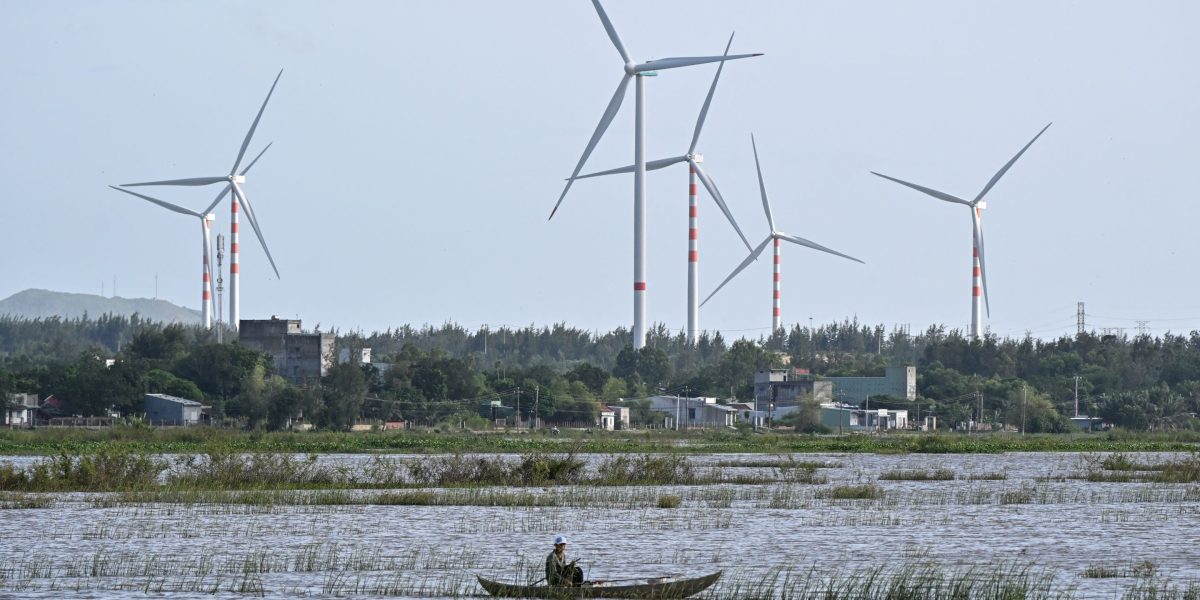
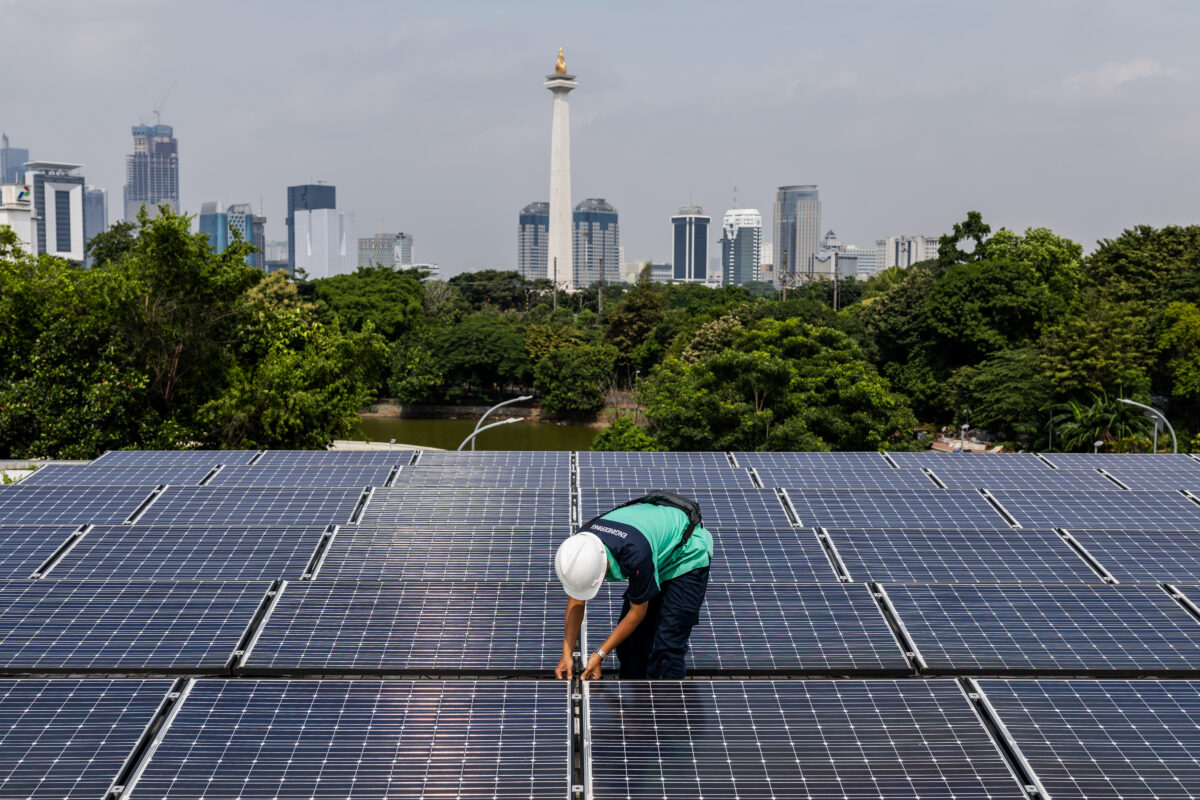
For many countries in Southeast Asia, the shift towards greener industries is an urgent question of survival as much as it is a strategy for economic growth. Since the mid-2010s, ASEAN member states have been charting out their green growth strategies, with the energy sector playing a central role. The bloc is projected to account for 25 per cent of global energy demand growth over the next decade. Southeast Asia’s energy transition objectives are more ambitious than ever and meeting them will require a massive mobilisation of human capital. Estimates suggest that achieving Paris Agreement objectives in ASEAN could generate 11 million jobs by 2050, 45.8 per cent of which would be concentrated in renewable energy.