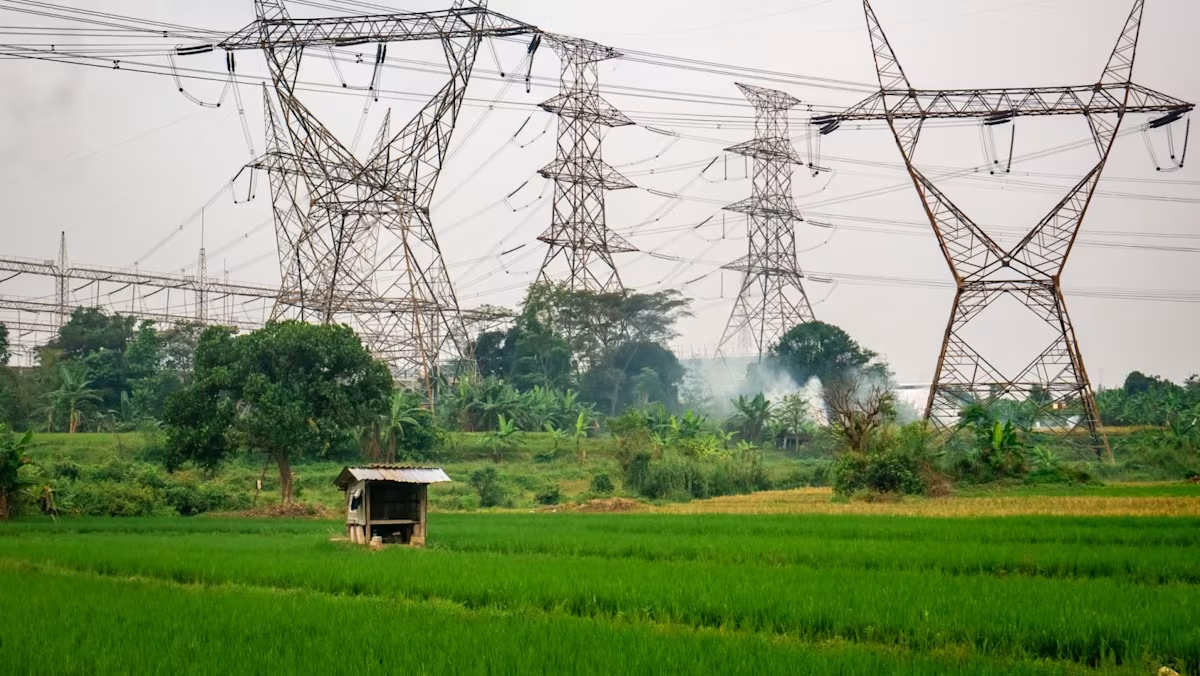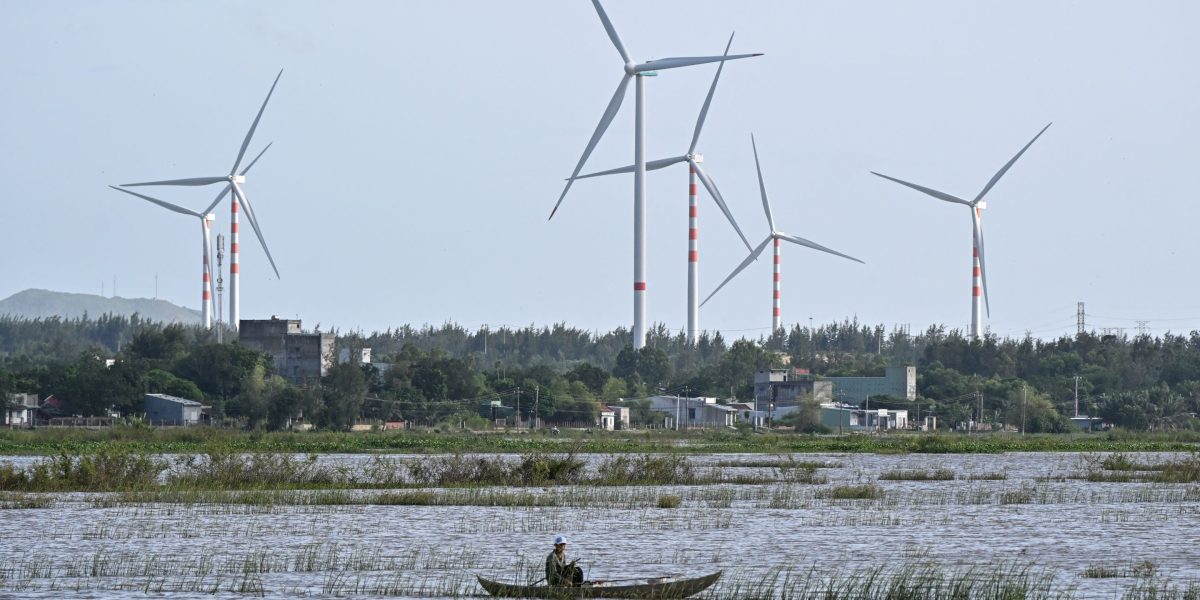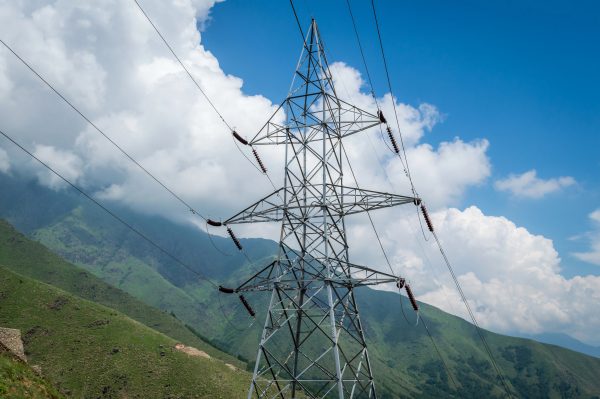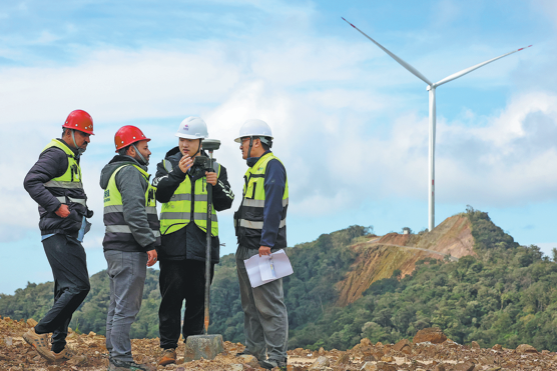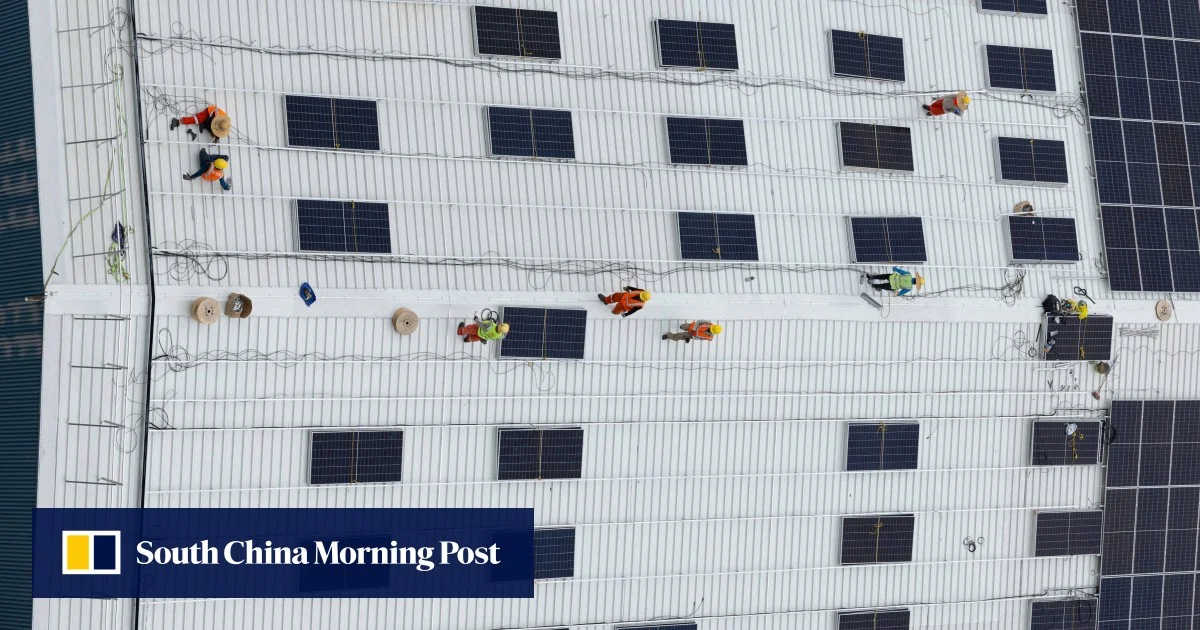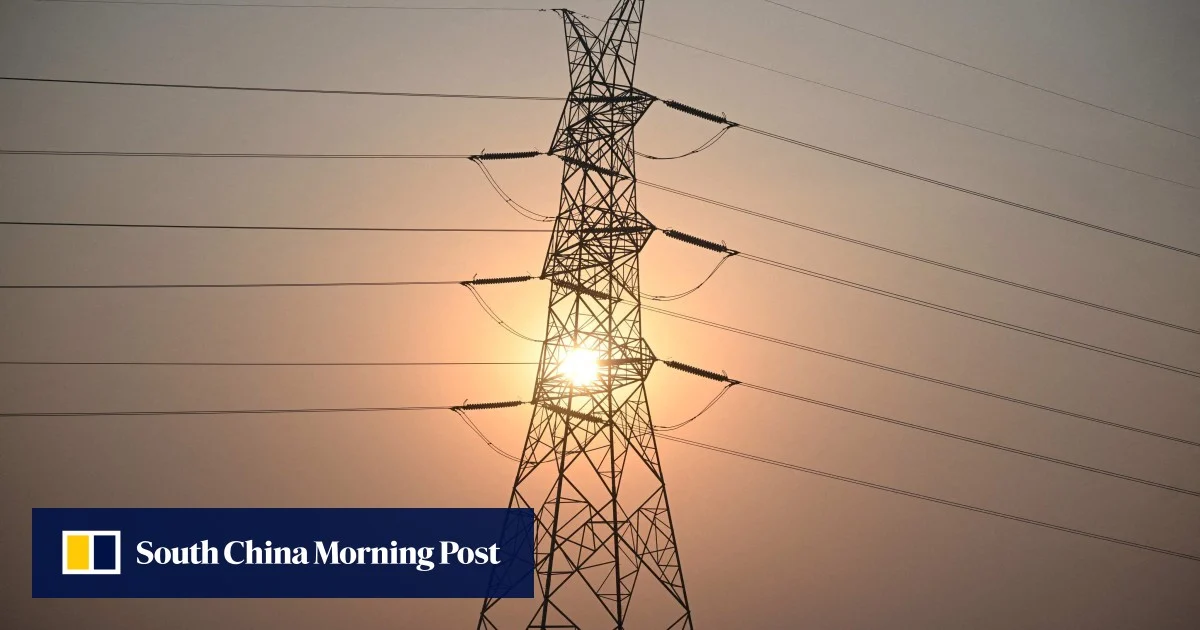
Southeast Asia has been planning a unified electricity grid since 1997. Now, nearly 30 years later, its leaders are giving renewed impetus to the push to get energy flowing seamlessly across borders and seabeds.In Cebu earlier this month, leaders of the Association of Southeast Asian Nations put the power grid’s development high on their summit agenda, aiming to better insulate the region against the next big energy shock.But as regional governments try to turn the decades-long dream of an Asean power grid into reality, the system they are working to build faces more challenges than it was initially designed for.“The existing system needs to be redesigned to accommodate this new technology,” said Muyi Yang, a senior energy analyst at the Ember think tank and co-author of its new report, “Rewiring Resilience: AI for Climate-Adaptive Power Grids in Asia-Pacific”, released on Thursday.“The main thing is about making the existing system more flexible and to be able to manage variabilities introduced by renewables.”A Vinfast electric car on a street of Hanoi. Rising demand for EVs is placing extra strain on national power grids. Photo: EPA-EFEExplosive growth in renewable energy, electric vehicles and data centres is already placing ever greater demand on existing national grids. And the original regional grid blueprint – conceived for a fossil-fuel world – is looking increasingly ill-suited to the task.
Shock absorber: will Asean’s power grid be up to the task by 2045?
With only eight of 18 links built and a 100-terawatt demand surge looming, analysts say the blueprint may need an overhaul for the AI age.
TL;DRAI
ASEAN leaders at the Cebu summit revived the decades-old regional power grid initiative, acknowledging that the original fossil-fuel blueprint must be redesigned to handle renewable variability, EV load, and surging data center demand. For tech managers expanding infrastructure in Southeast Asia, grid reliability timelines—and the 2045 target's execution risk—are a direct constraint on regional data center siting and energy SLA planning.
222 words~1 min read