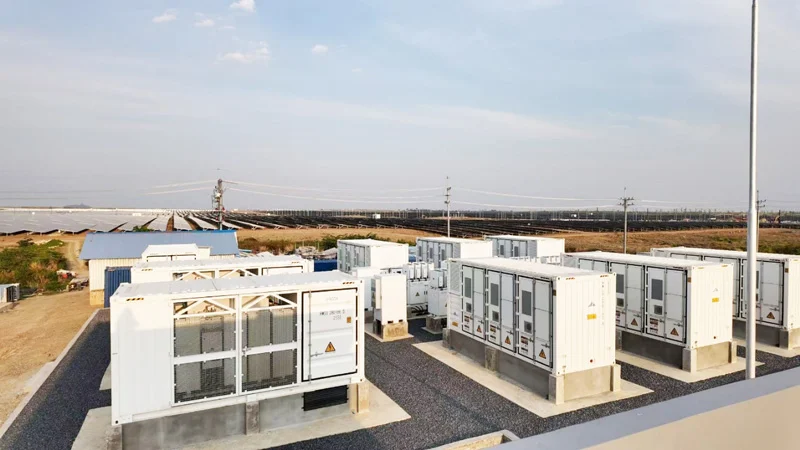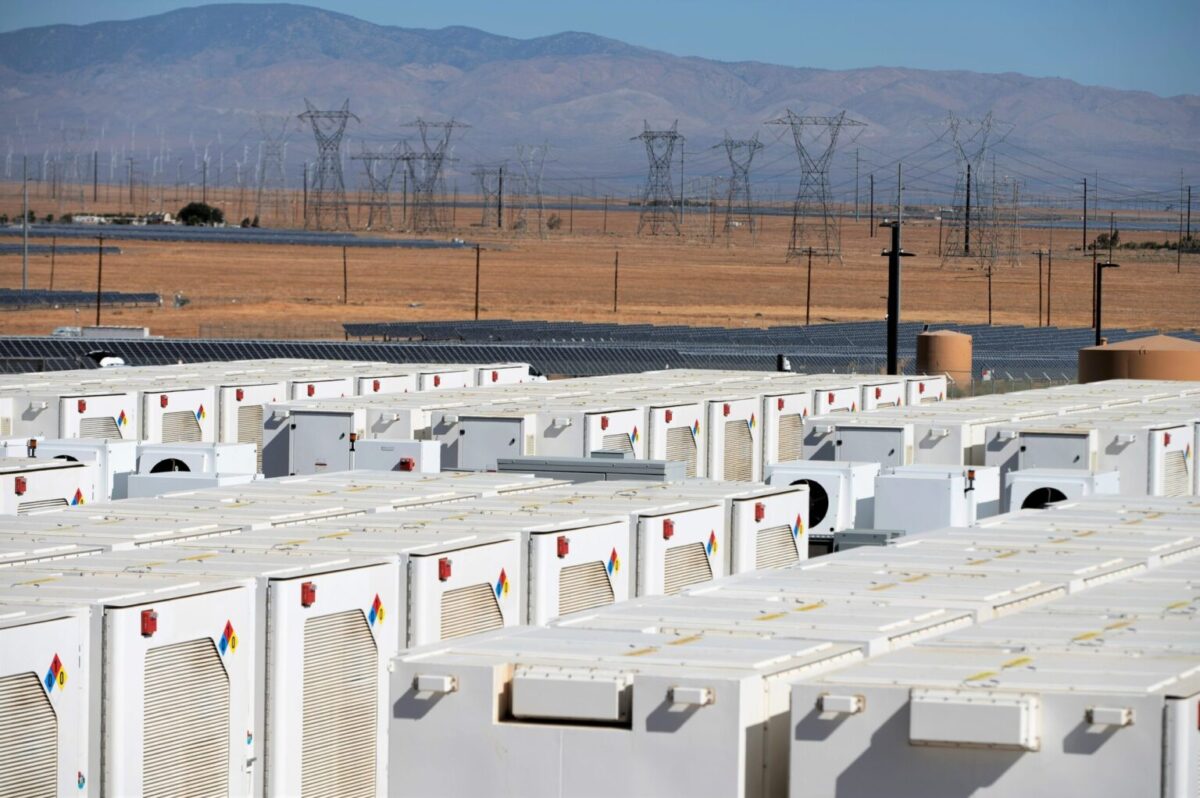
Despite global trends, such as a near-90% reduction in BESS costs since 2013 and the large-scale deployment of solar PV and wind, FESSIA has counted just 1.4GW of BESS in operation across ASEAN countries and around 400MW of operational projects.
BESS does not fit neatly into existing regulatory classifications, given its unique characteristics, such as ultra-fast response times and the ability to stack revenues from different use cases. However, the regulatory environment is more developed in mature markets elsewhere, and ASEAN countries could learn from these and from the early-adopter examples of the Philippines and Vietnam within their region, FESSIA said.
BESS ‘must become central’ in planning, operations and market design
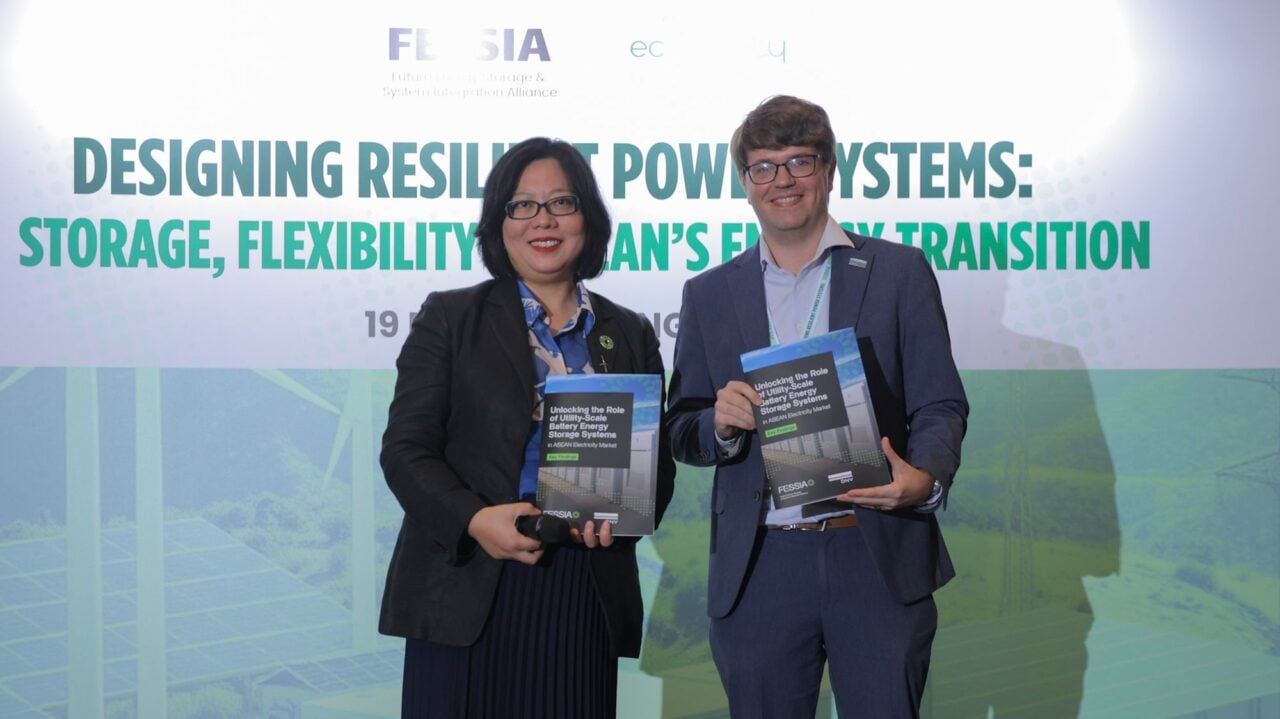
FESSIA was launched last year by Global Wind Energy Council (GWEC) chief strategy officer Liming Qiao, a clean energy strategist based in Singapore. Its partners include the Asian Photovoltaic Industry Association (APVIA), the Global Solar Council, the renewable energy policy network REN21, the Philippine Solar and Storage Energy Alliance (PSSEA), and the global coalition Utilities for Net Zero Alliance (UNEZA).
In announcing the new report, Qiao said that the value of flexibility in the power system, which BESS can help provide, “must become central to power-system planning, operations, and market design.”