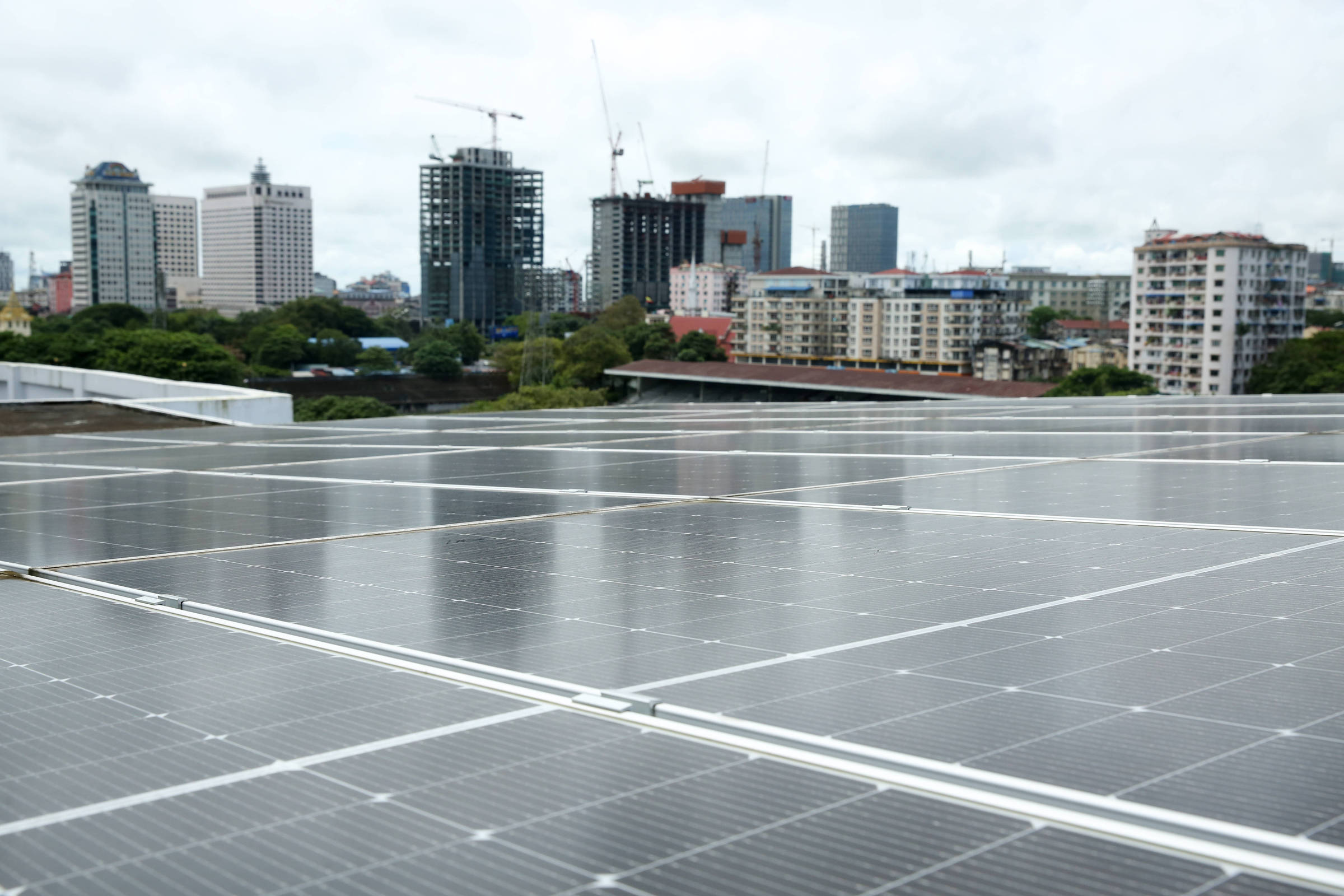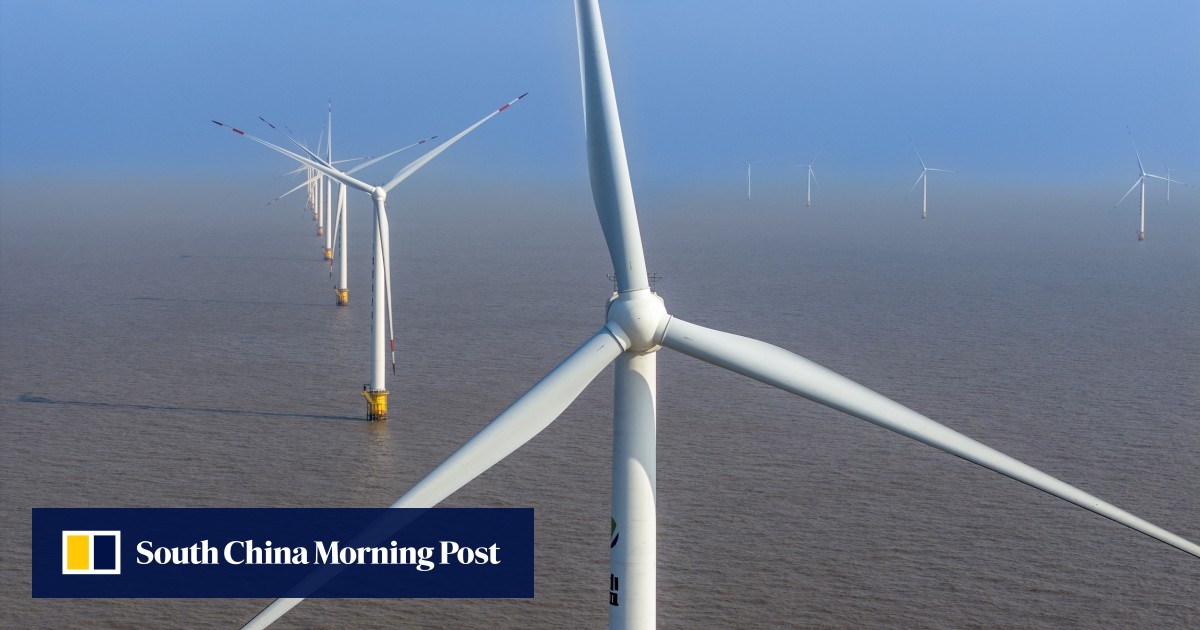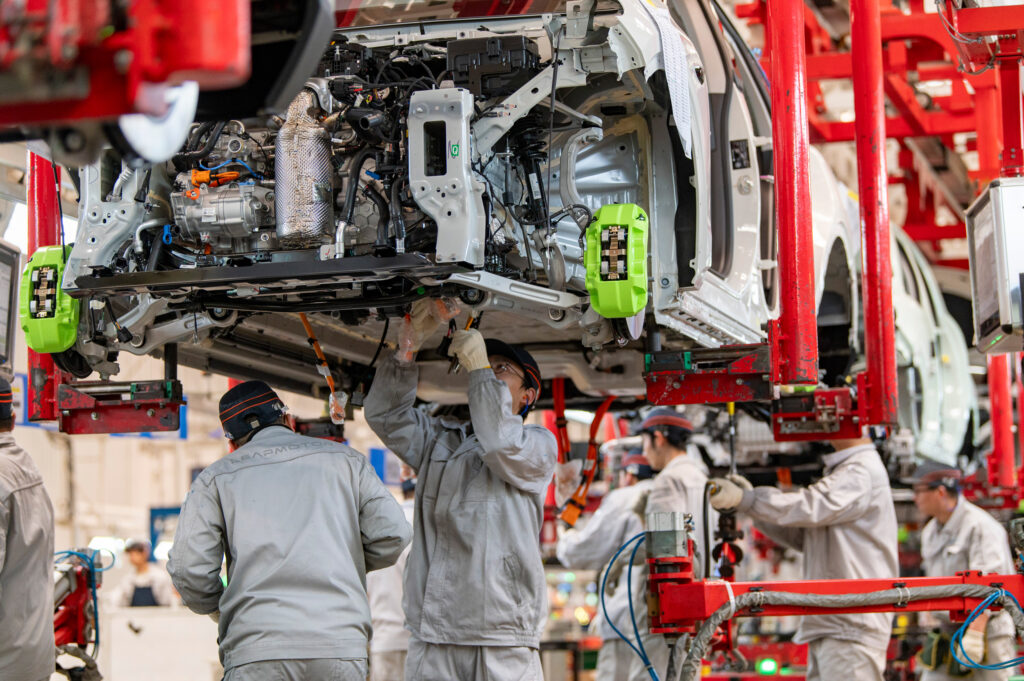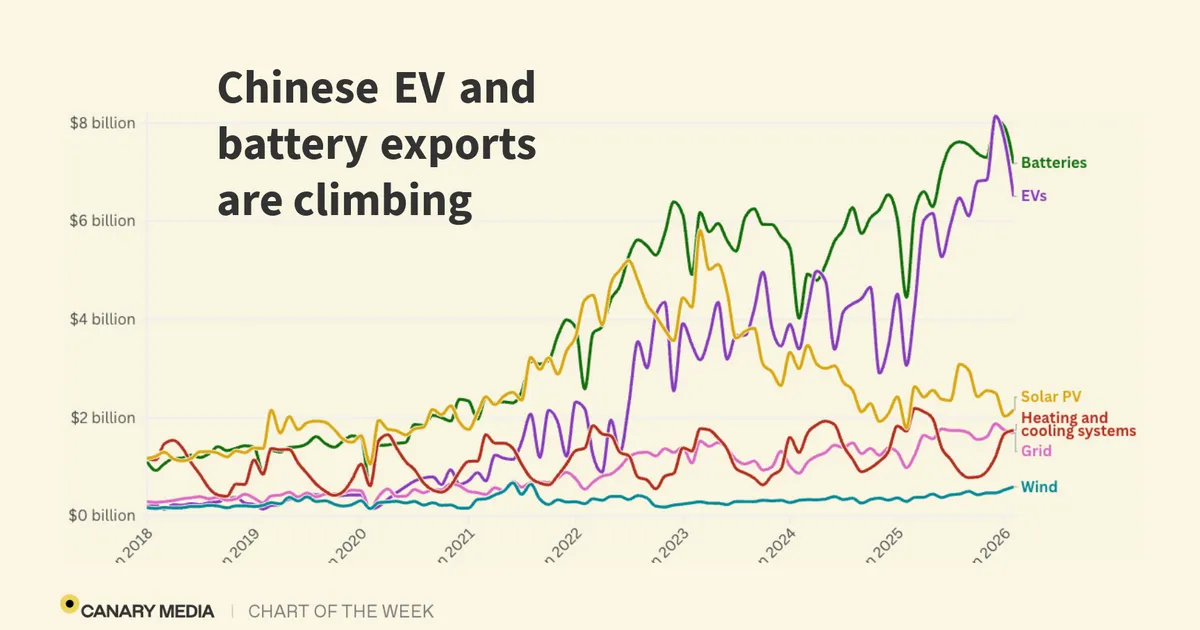
Clean-energy manufacturers around the world now have double the production capacity needed to meet global renewable energy demand as factory output surges in Asia while the US and Europe lag behind.Production of the parts required to make solar, battery and wind energy far outstripped demand last year across the entire supply chain, BloombergNEF said in its 2026 Energy Transition Supply Chain report released Wednesday, reflecting rapid manufacturing growth in parts of Asia despite China’s enduring dominance.The oversupply pushed renewable-energy prices lower in 2025 before oil prices soared as a result of the war in Iran, strengthening the appeal of clean energy as an alternative to fossil fuels. Countries including Myanmar, Laos, Vietnam, Cambodia and Chile are responding to higher fuel prices with policies aimed at accelerating clean-technology adoption, according to the report.BloombergExpanded manufacturing capacity outside China is contributing to a worsening global supply glut, according to the report, as India, Turkey and countries in Southeast Asia ramp up solar output. Meanwhile, the US has tried to capture a larger share of the solar supply chain, though with limited success. US solar companies have won several trade cases aimed at shielding domestic producers through steep tariffs on cells and panels imported from China and Southeast Asian nations. Even so, excess global supply has continued to weigh on American manufacturers, and many new factory projects are being canceled or delayed due to policy uncertainty and international competition.“China is dominant on the manufacturing capacity side,” said Stephanie Muro, a BNEF analyst and one of the report’s authors. Other countries are slowly gaining ground, particularly for solar manufacturing, she said. Still, China controls more than 70% of manufacturing capacity for almost every renewable-energy segment.BloombergChina’s dominance in finished solar modules is lingering behind solar cells, which are the components that convert sunlight into energy. That’s because the nature of solar output is shifting as more countries import components from China in order to build and export the final products themselves, according to the report. That trade shift was more noticeable last year, with solar cells making up 44% of solar-related global trade in 2025, up from 25% a year earlier.However, solar panel manufacturers across Southeast Asia still reflects China’s influence. About 80% of solar manufacturers in the region are Chinese companies as the country seeks lower labor costs and ways to avoid tariffs by building and exporting final products abroad, Muro said.Global battery-cell manufacturing was almost double demand last year and battery-powered electric vehicle demand also remained strong. Global plug-in hybrid EV sales climbed 83% in 2025 from a year earlier and pure battery EV sales rose 15%, helping total EV shipments climb to 6.4 million units from 4.9 million in 2024.
Global clean-energy manufacturing supply far exceeds demand
Global clean-energy manufacturing capacity now exceeds demand. Asia, led by China, dominates production, pushing prices down. This oversupply benefits clean energy as an alternative to rising oil prices.
447 words~2 min read