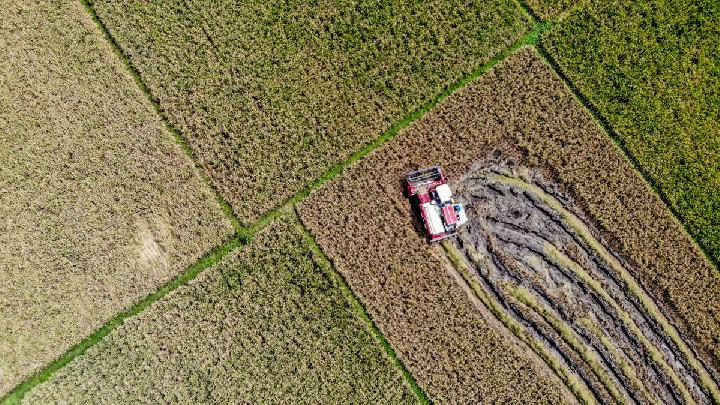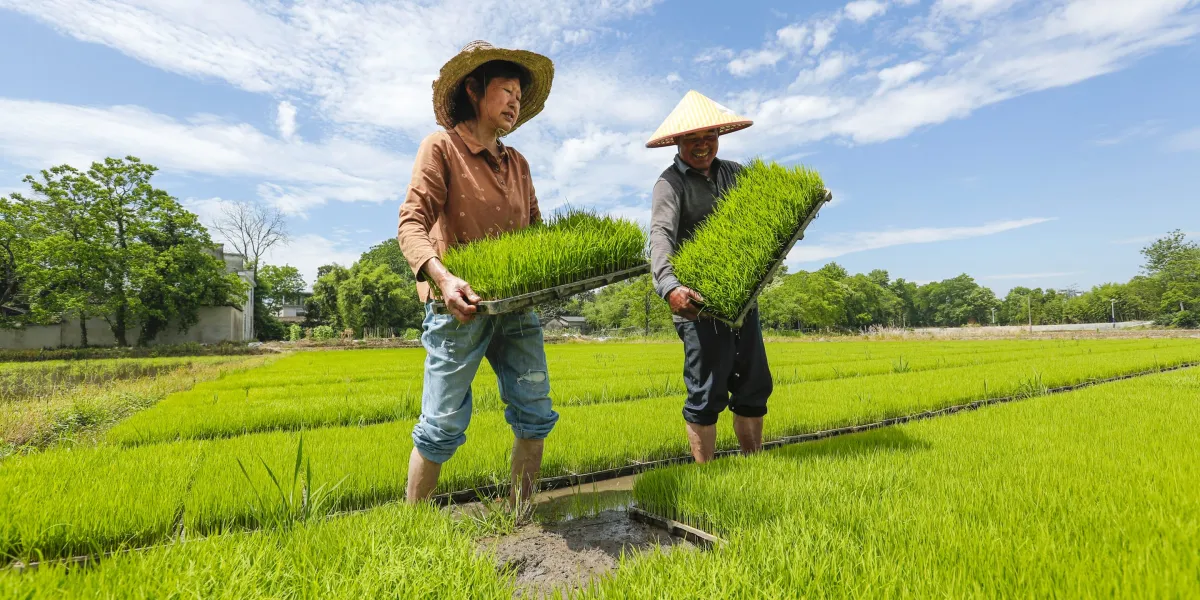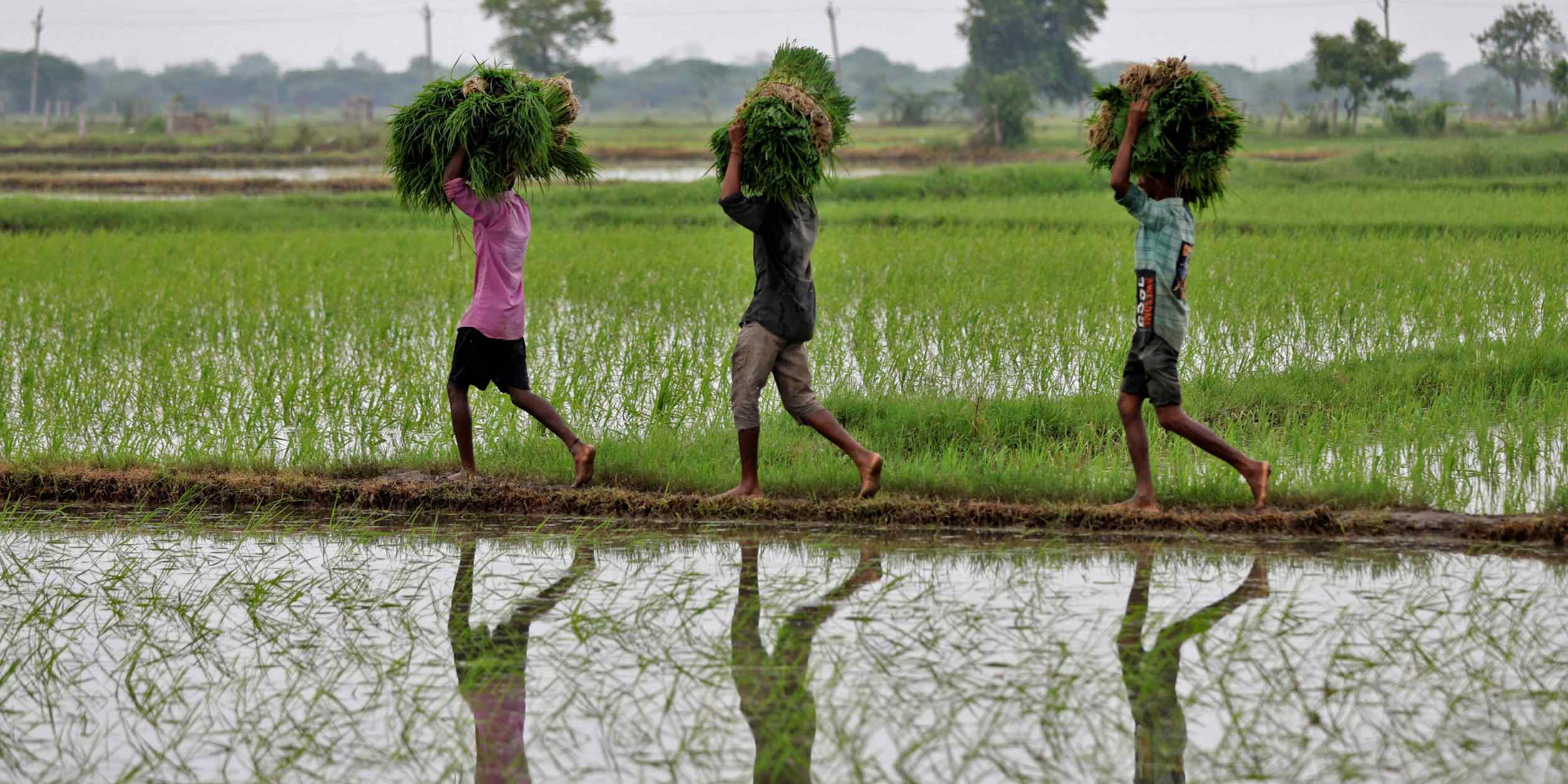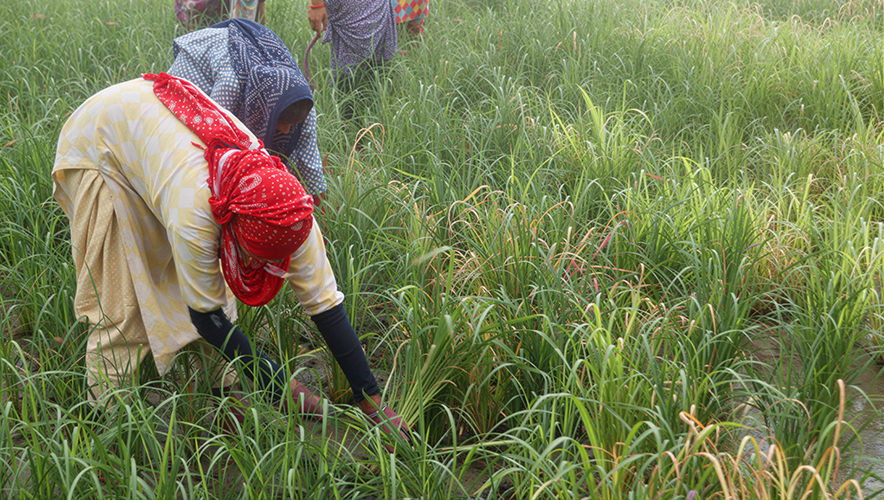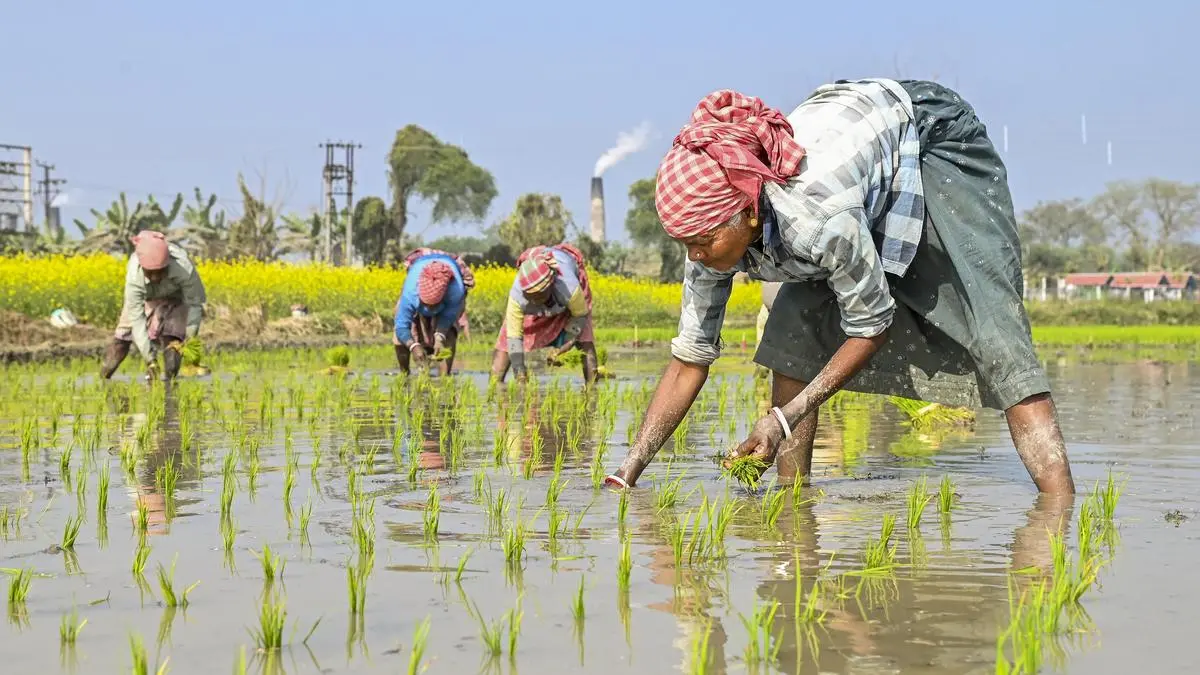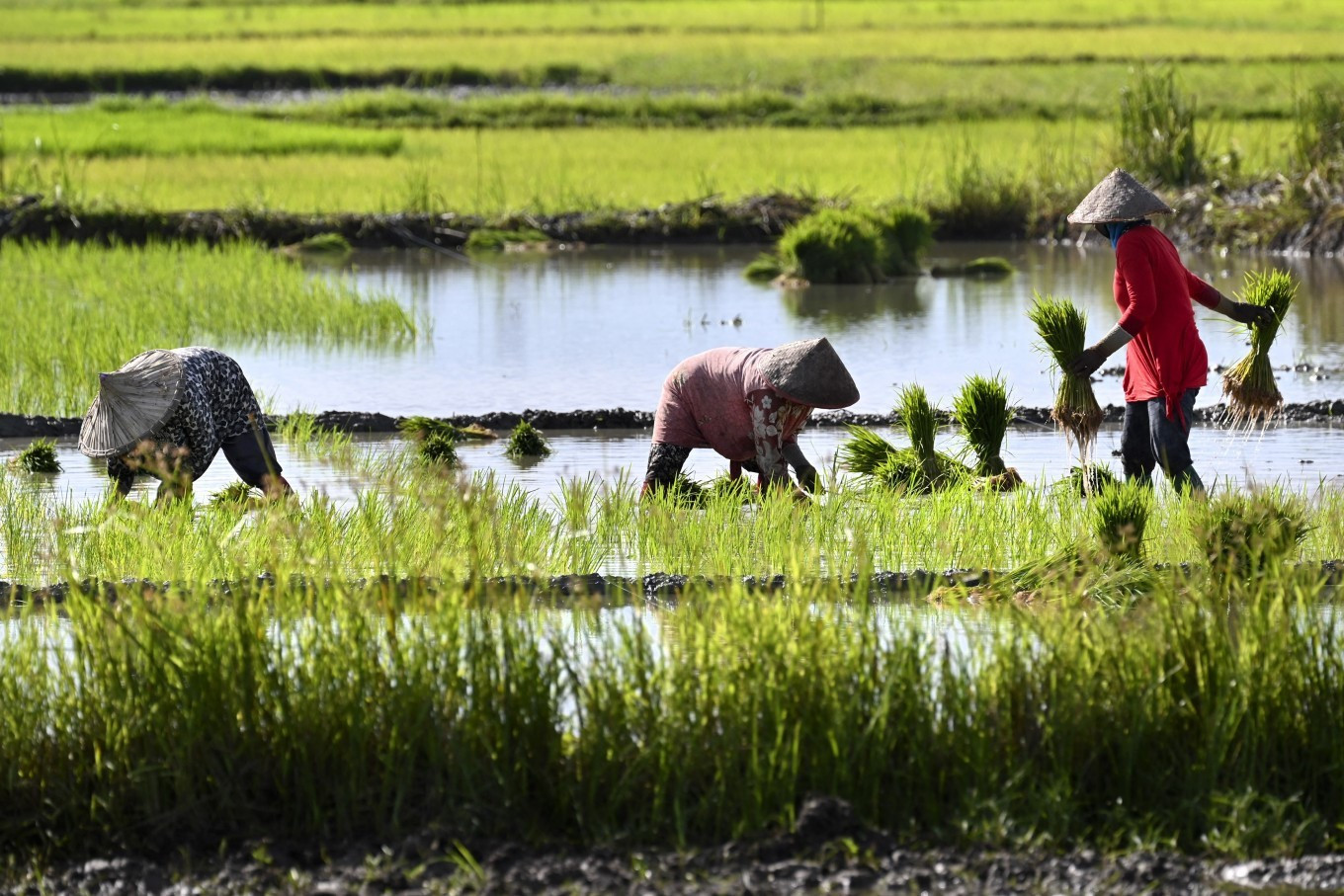
Mr Kasno, 55, was only a child when he started working in his parents' paddy fields in the Grobogan area in Central Java, in Indonesia.That means he's had a front-row seat to observe how rice planting processes have evolved over decades.The use of machinery has lightened once labour-intensive processes such as ploughing, harvesting and milling, making up for the growing manpower crunch as farmers' children migrate to urban centres seeking better careers.The underlying traditional principles, though, have remained largely the same "according to our ancestors' methods", which involve keeping the fields flooded from seed planting to harvest.
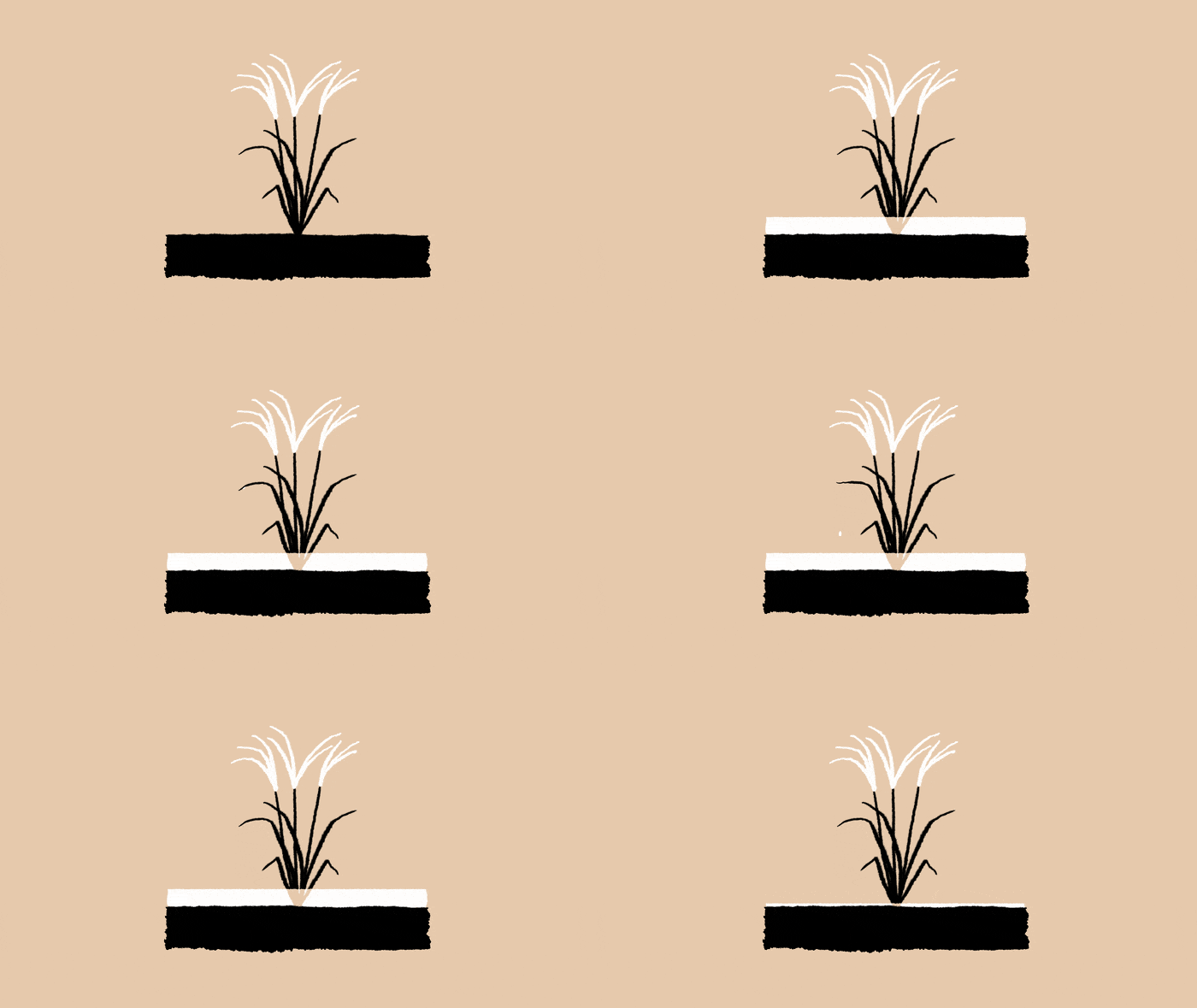
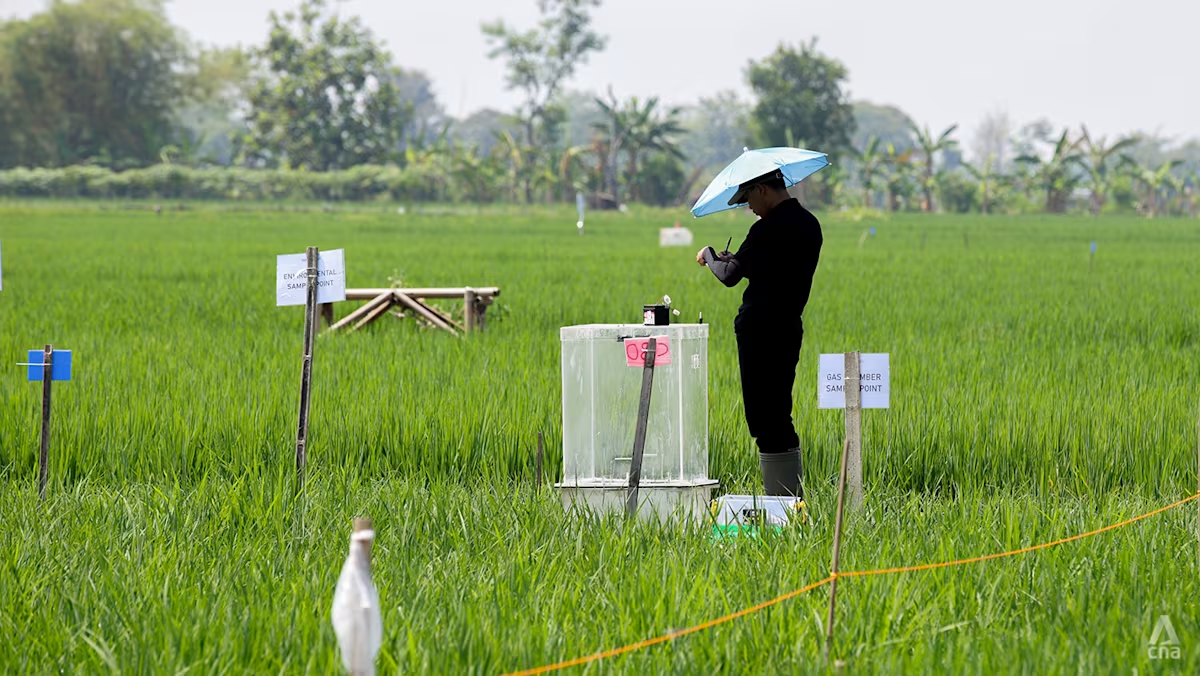
That is until September last year, when he and about 170 other rice farmers in Indonesia tried a different way of farming as part of a large-scale trial spearheaded by Singapore's Temasek Life Sciences Laboratory (TLL).TLL scientists, with the help of local partners, introduced to the farmers a new method involving a different concoction of fertiliser, a more weather-resilient rice variety and a different irrigation method called alternate wetting and drying (AWD)."Typically one hectare produces about six or seven tonnes of rice. With this TLL project, it went up to about eight or nine tonnes," Mr Kasno said during CNA TODAY's visit to the rice fields in April.The farmers could see the positive impact for them immediately, given the reduced amount of water and fertiliser required by this method. At the same time, TLL is also aiming for something loftier: to cut the emission of methane from the rice production process.