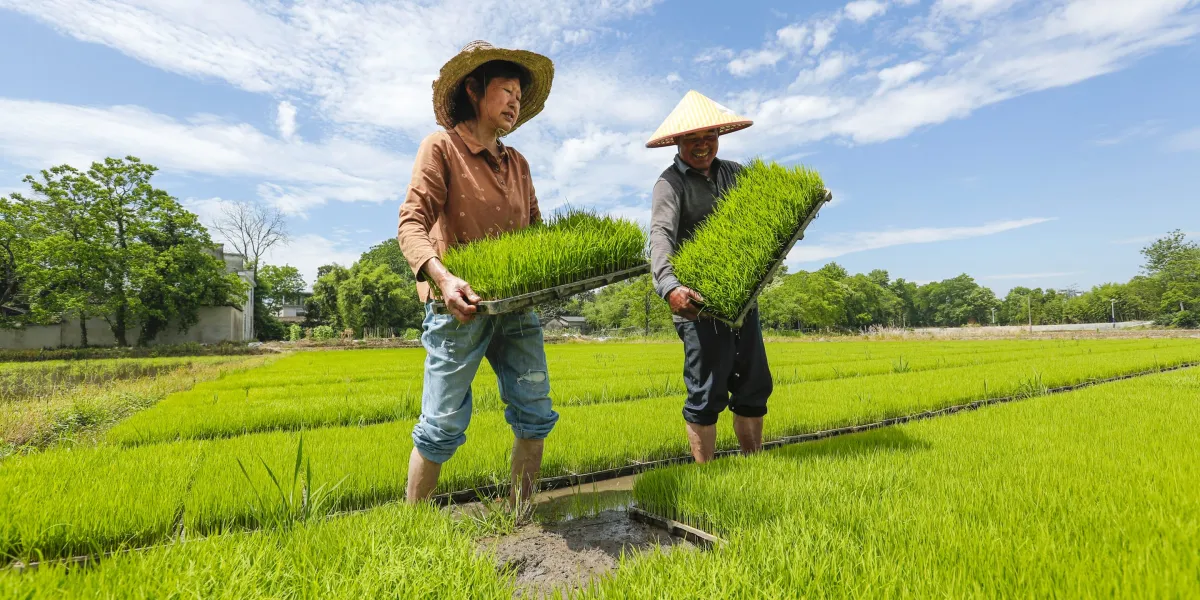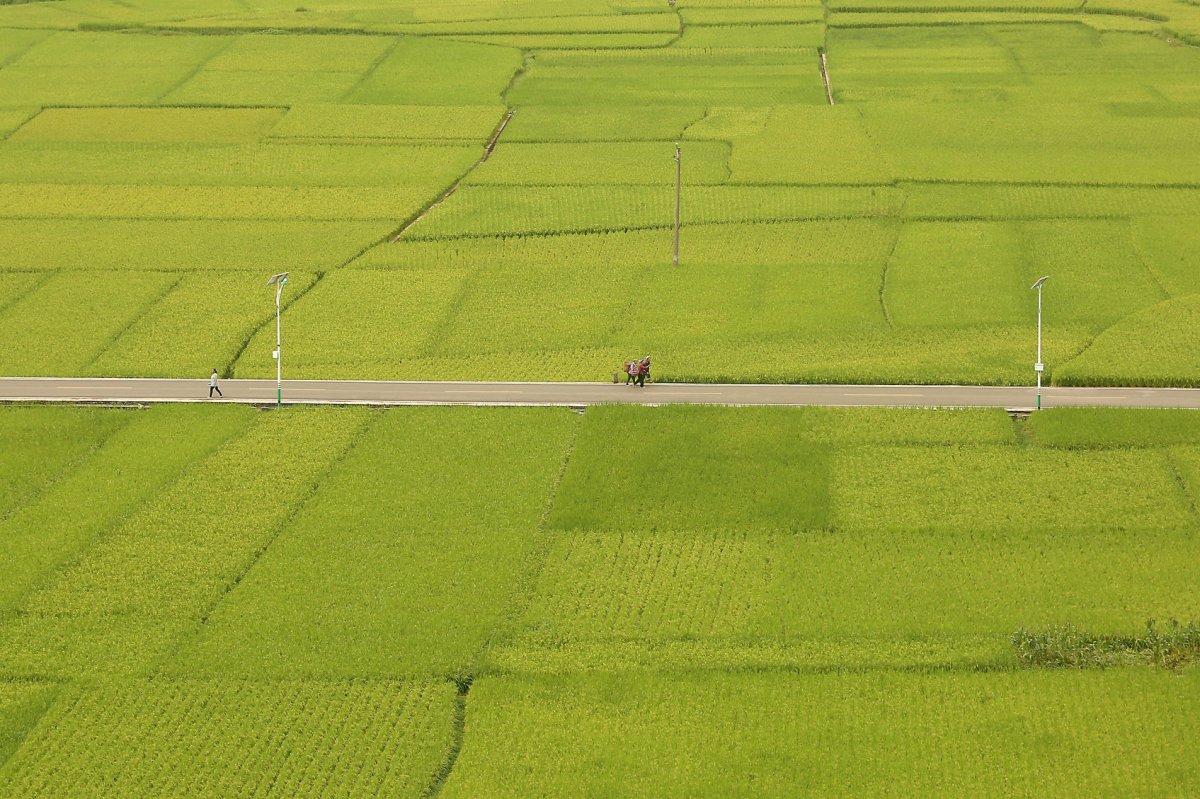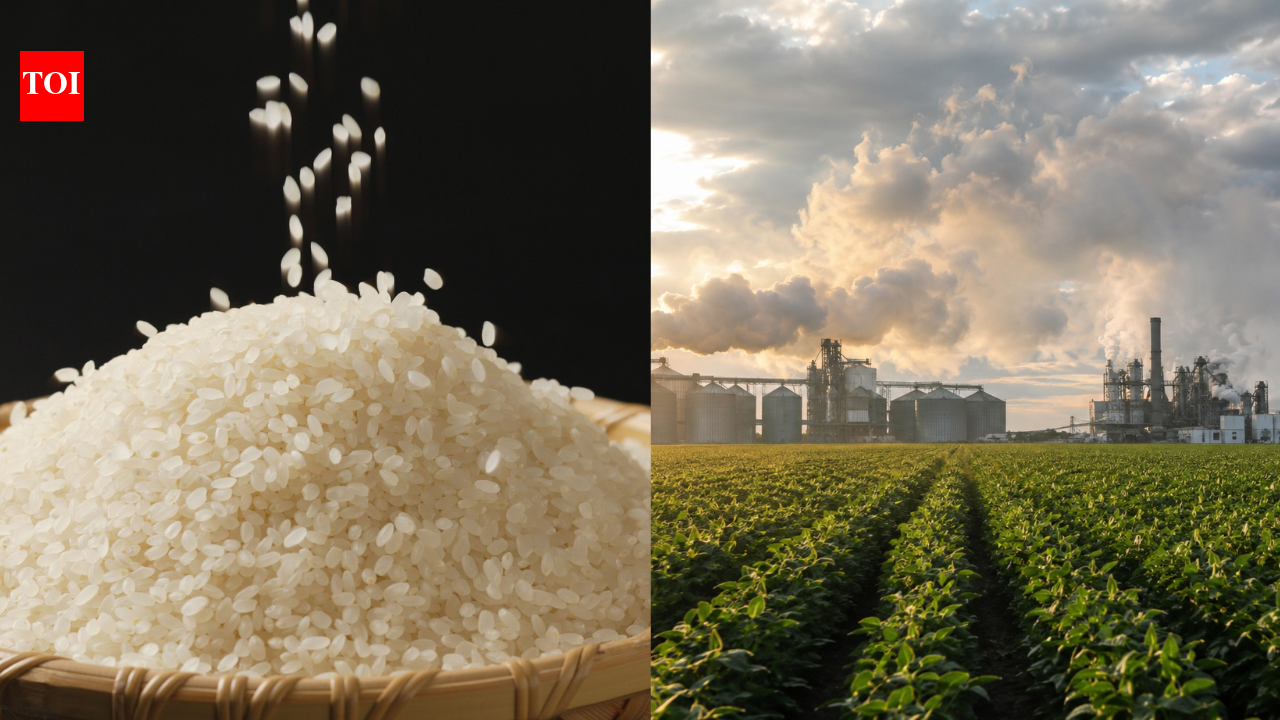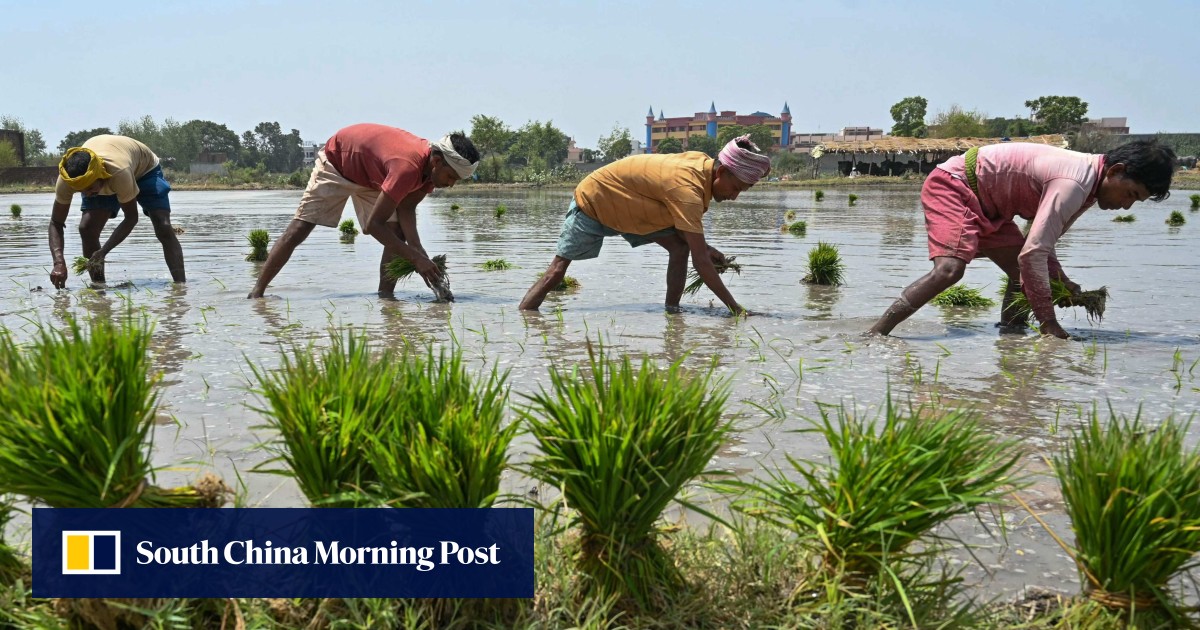
Rice is perhaps the world’s most important foodstuff — it feeds more than half the global population. But it is also one of the most climate-damaging crops.
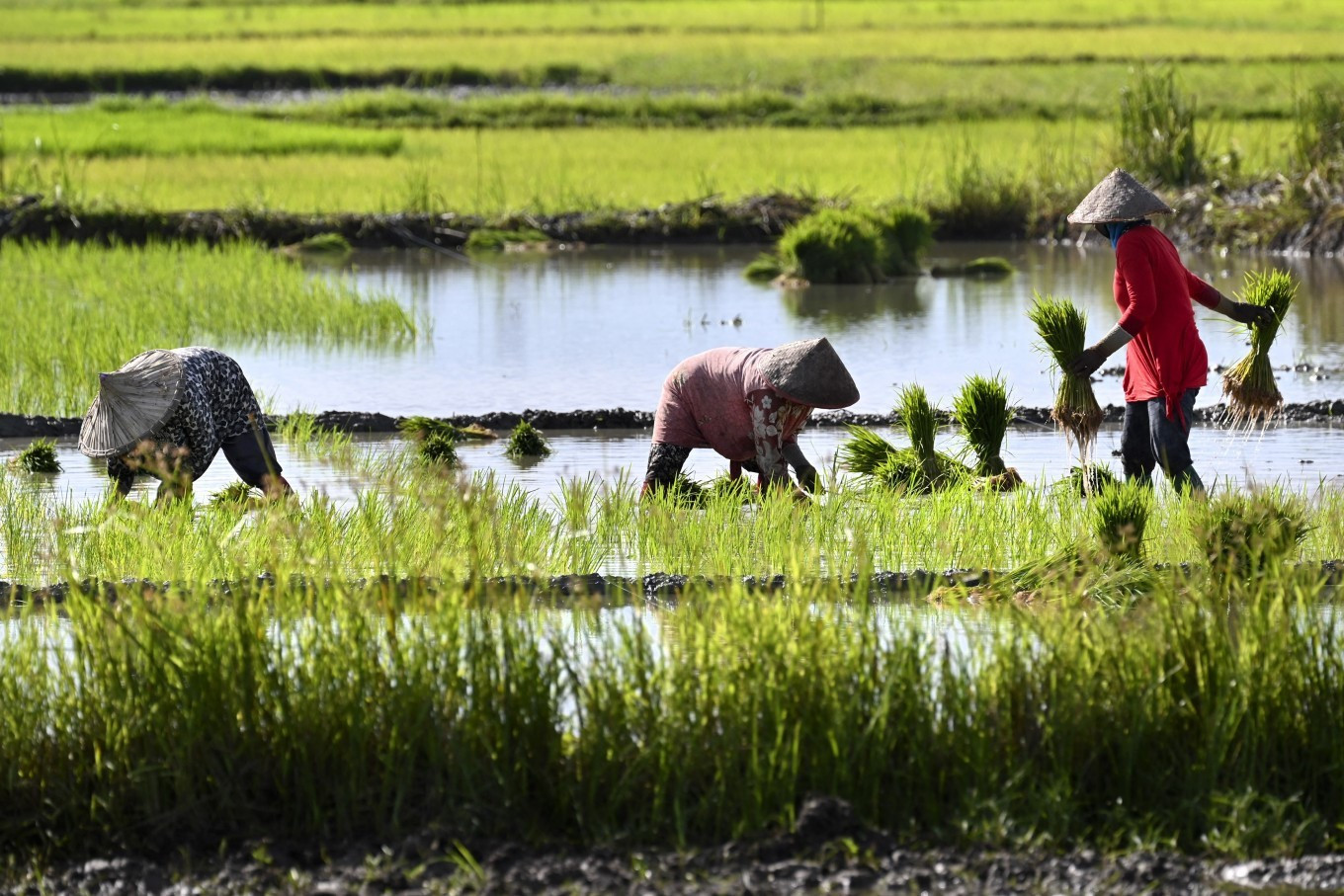
Rice is usually grown in waterlogged paddy fields, which creates oxygen-starved soils that release methane — a greenhouse gas that is far more potent than carbon dioxide.
Techniques and technologies exist to change this, if farmers and governments can work together. “The deployment, the adoption, the government support . . . those are the factors that need to come together.” says Shalabh Dixit, a plant breeder at the International Rice Research Institute (IRRI).
How does it work?
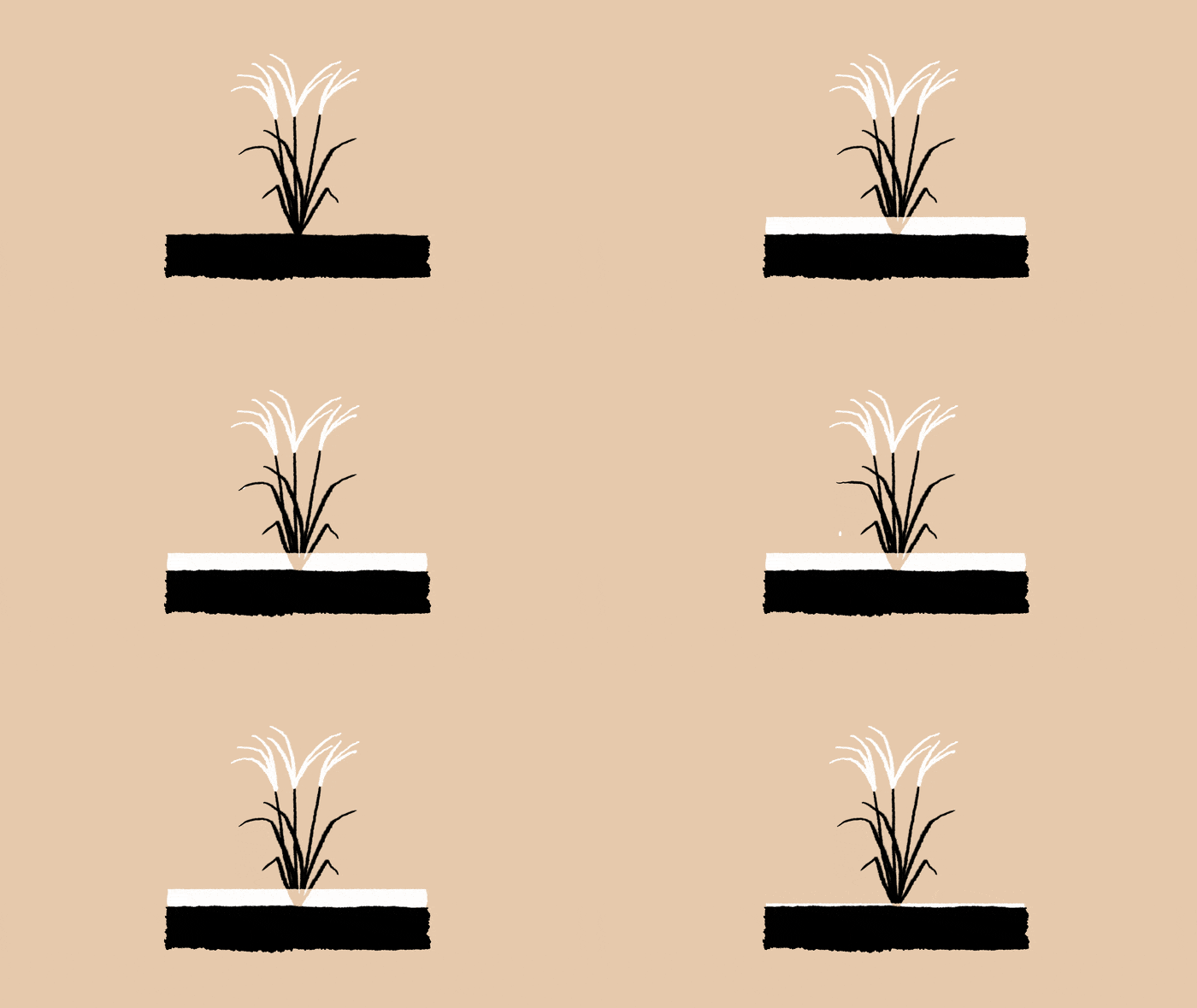
Methane from rice comes largely from the way it is grown — flooding paddy fields cuts off oxygen from the soil, creating the anaerobic conditions in which microbes thrive and release methane. The longer a field is submerged, the more methane builds up.