RIYADH: How could a missile strike on a Qatari gas facility drive up the price of rice in Bangladesh? The answer lies in an unappealing commodity, yet one that forms a significant part of the world’s food supply: fertilizer.
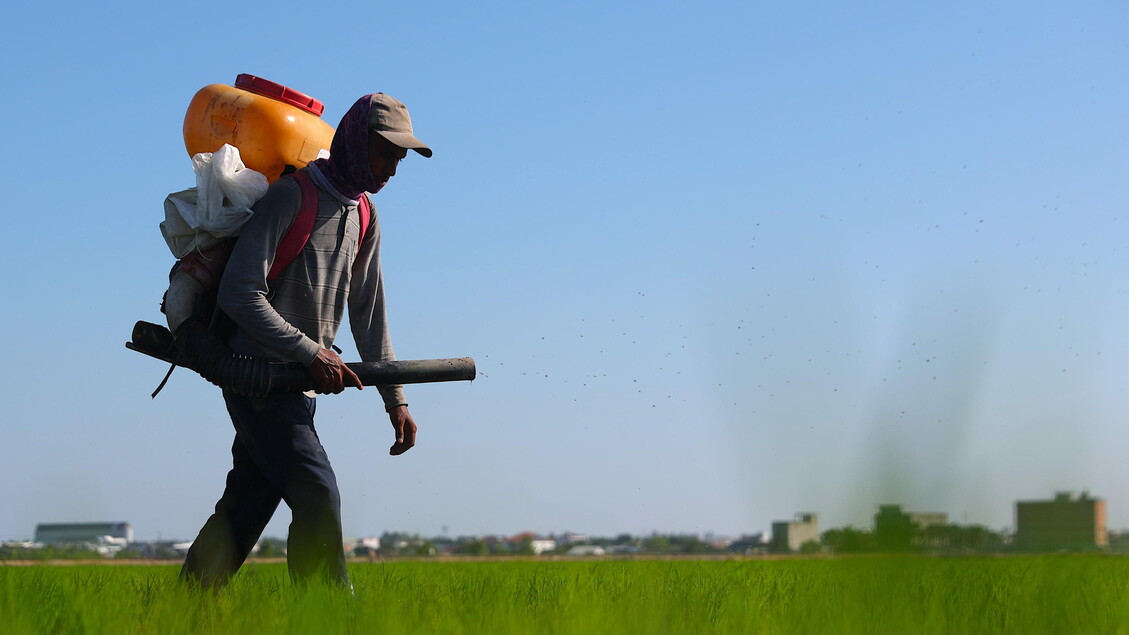
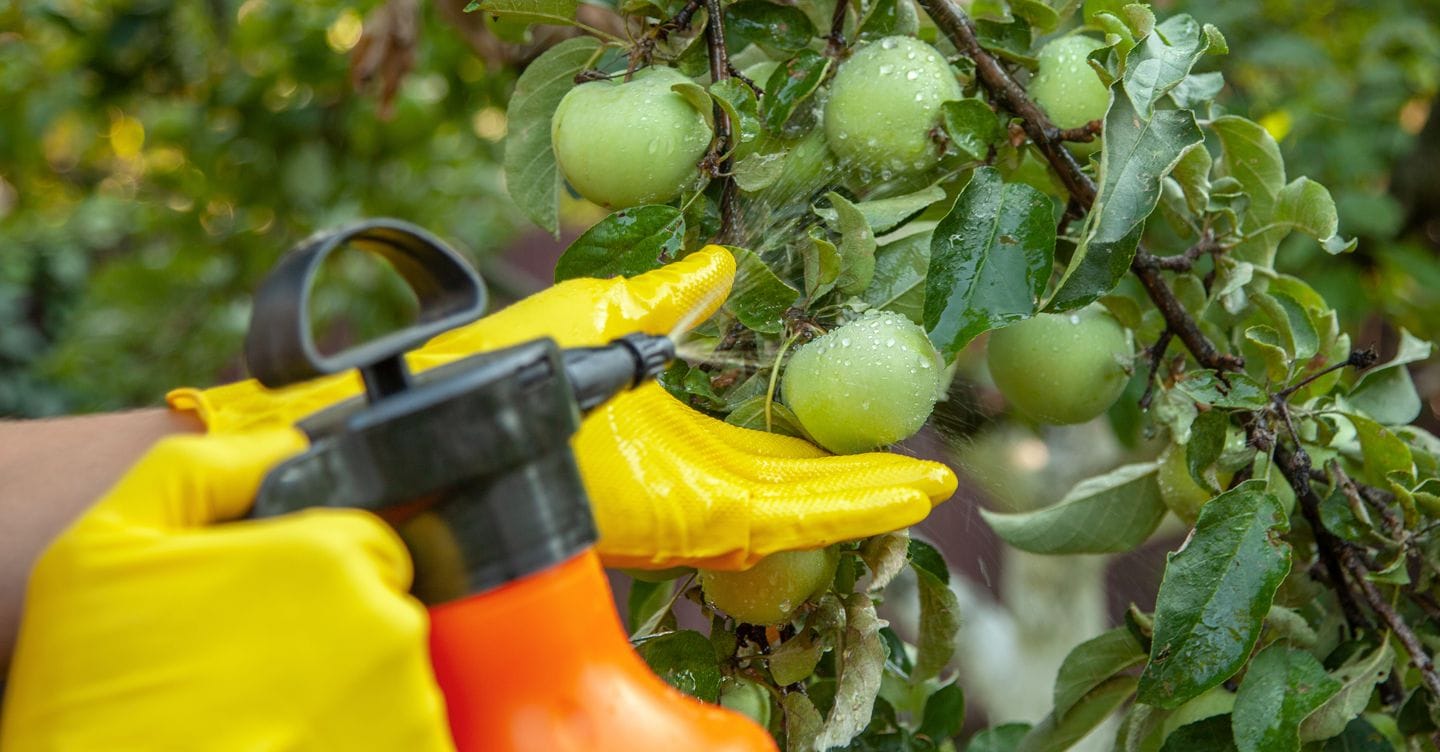
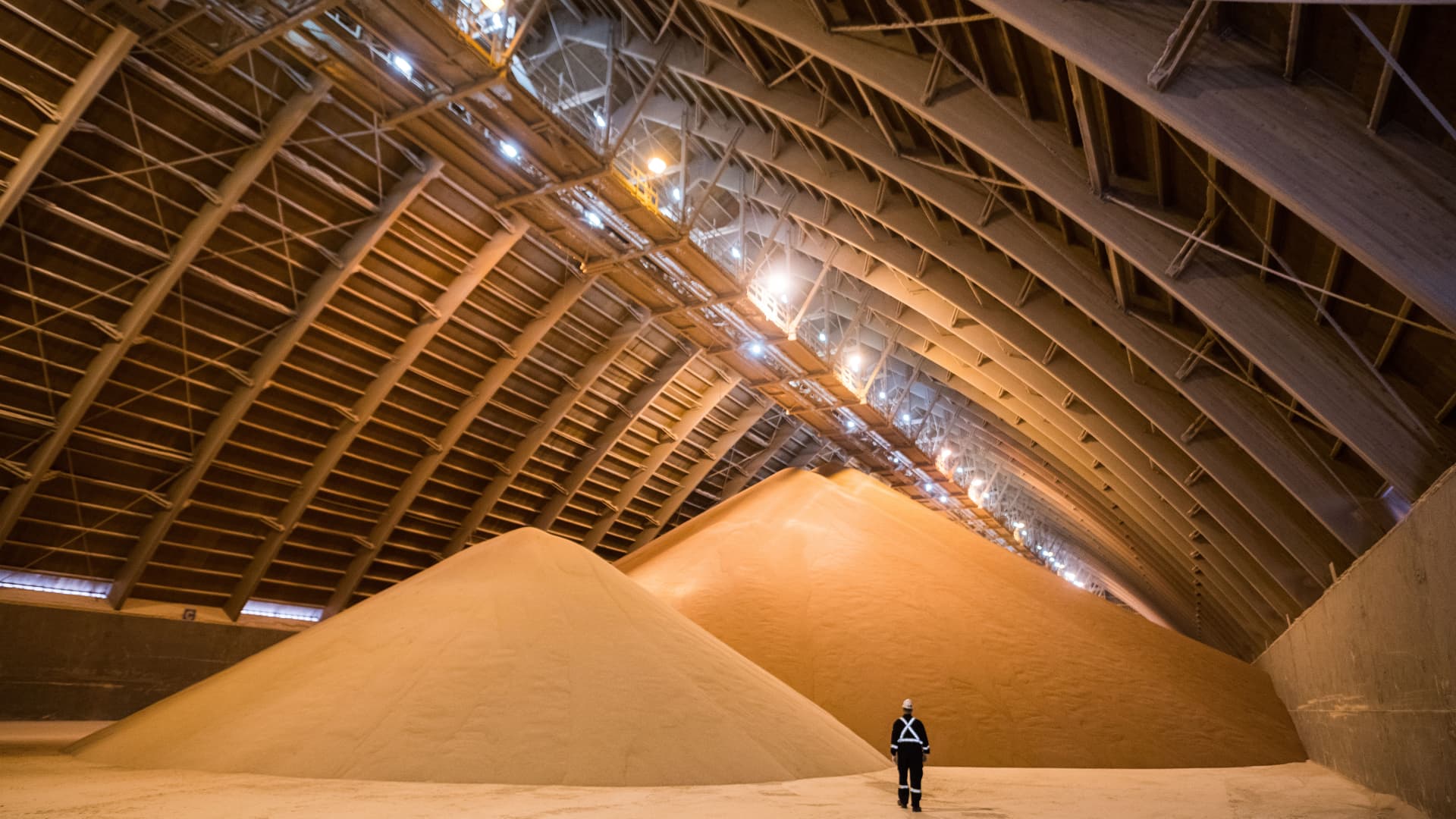
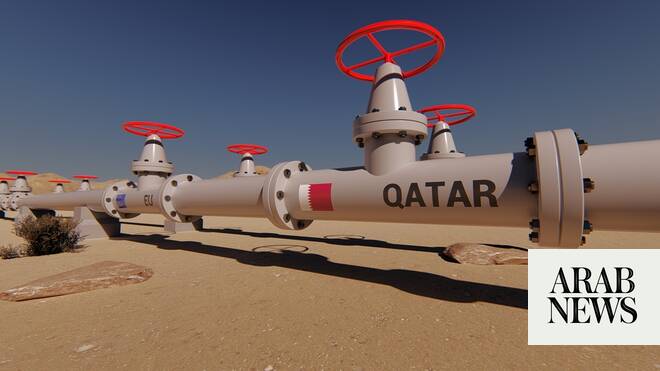
Qatar burns natural gas to produce ammonia, which is then converted into urea. Urea is added to the soil, where grain is grown.
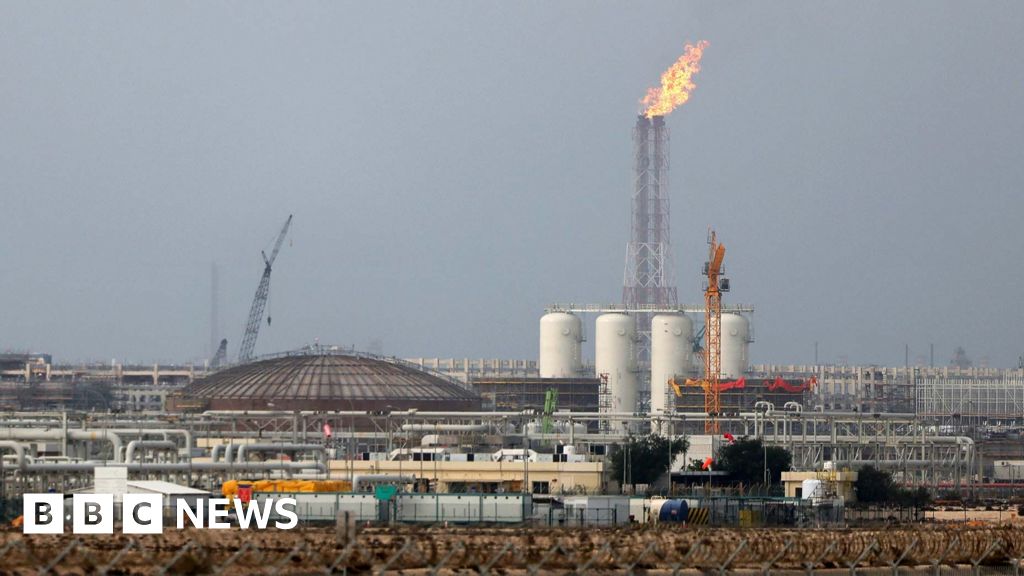
According to the South China Morning Post, disrupting the first step, as Iran did when it struck QatarEnergy’s liquefied natural gas processing facility on March 1, will have cascading effects along the food production chain.
The price of urea in Southeast Asia has jumped by more than 40 percent since the Qatari LNG plant went offline.
By March 9, prices for April and May shipments had surpassed $700 per tonne, their highest level since the third quarter of 2022, when the Russia-Ukraine War disrupted global supplies.