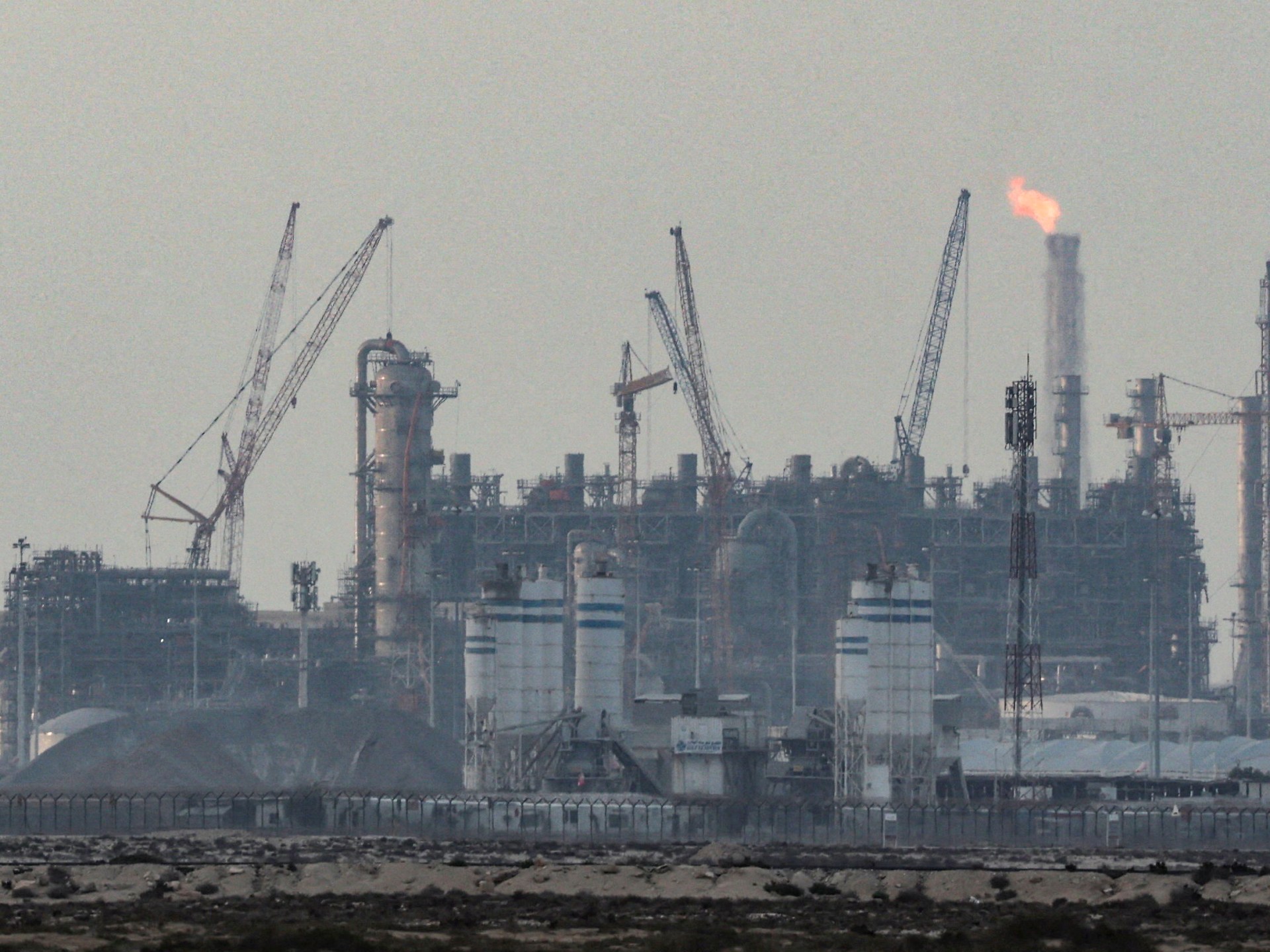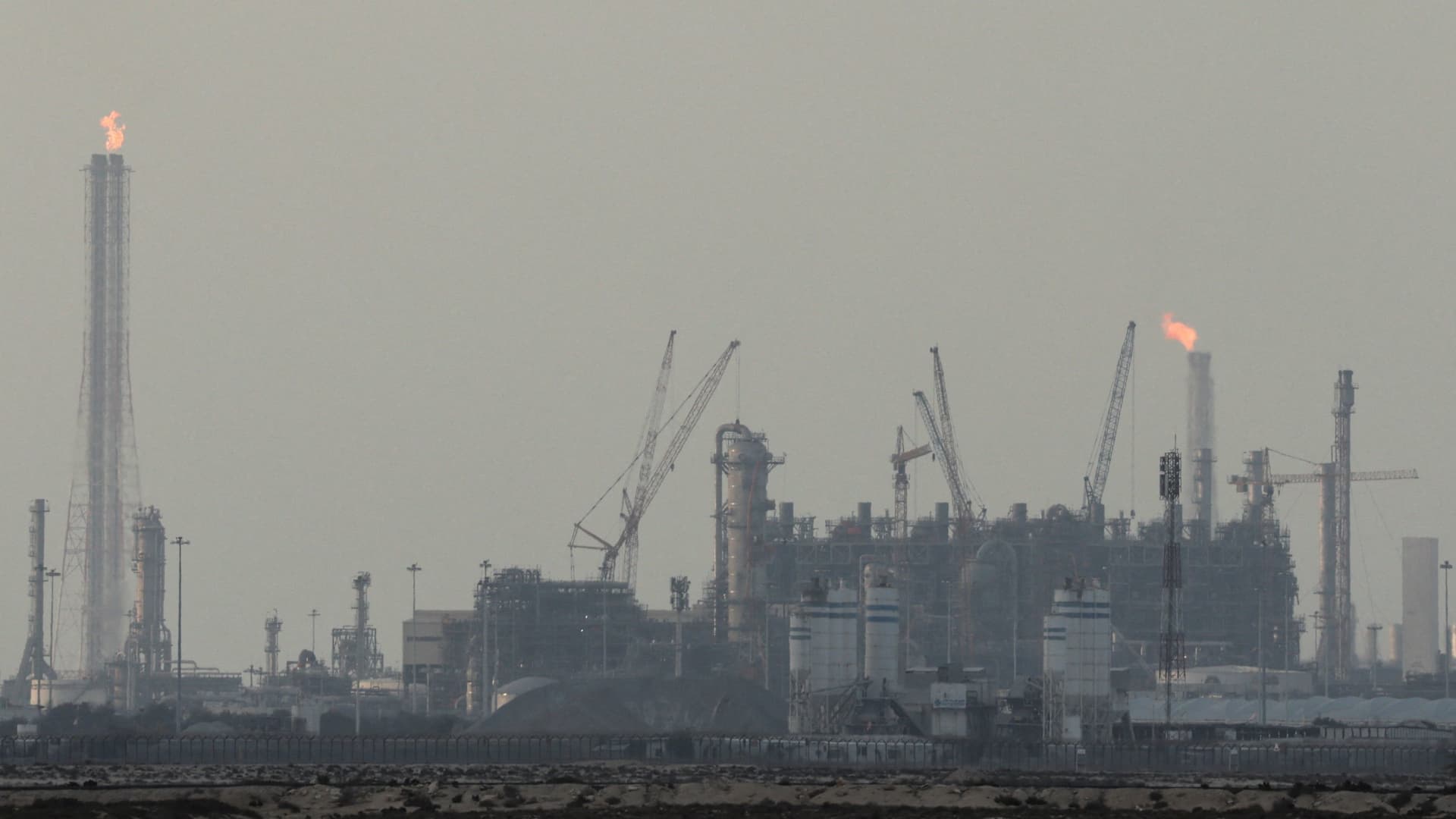
RIYADH: Following QatarEnergy’s announcement that missile strikes have knocked out 17 percent of the country’s liquefied natural gas export capacity, energy analysts are split between warning of a structural market shift and downplaying the risk of an immediate supply crunch.
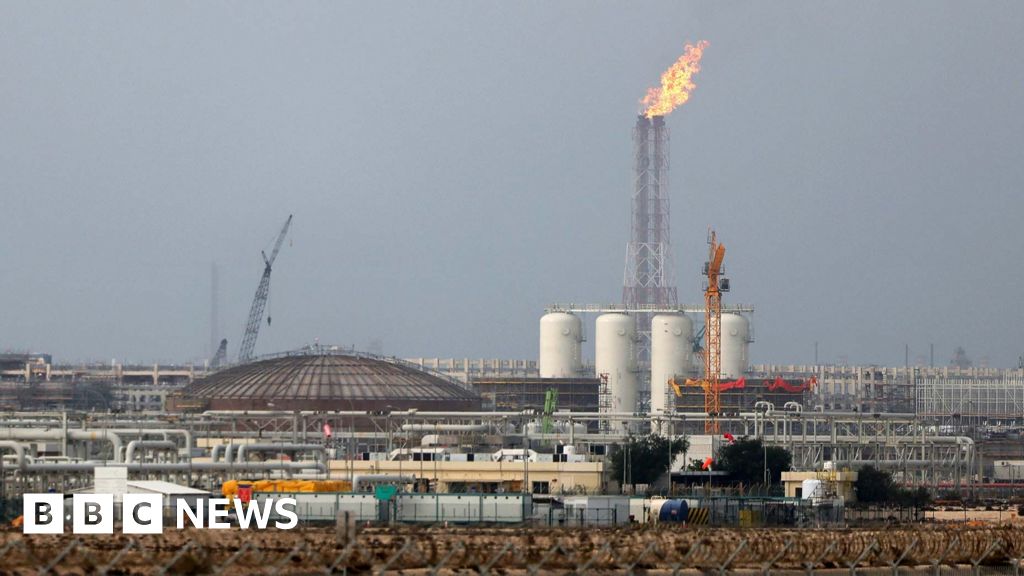
The attacks on Ras Laffan Industrial City on March 18, damaged two major LNG trains— a blow estimated to cost $20 billion annually in lost revenue and take up to five years to repair, according to CEO Saad Al-Kaabi.
While the immediate market reaction saw price spikes — with those in Europe skyrocketing as much as 35 percent on Thursday — analysts noted that prices remain below recent highs, suggesting that traders are betting on demand destruction and alternative supply to fill the gap.
Jan-Eric Fahnrich, senior analyst in gas and LNG Research at Rystad Energy, described the incident as a turning point for the market. “This is a directional shift for the gas market: from expecting more supply flexibility over time to confronting tighter balances and greater infrastructure risk,” he said.
Fahnrich emphasized that the lasting impact may extend beyond the lost volume. “What matters now is not only the volume lost, but the precedent set— once critical Gulf energy infrastructure is seen as vulnerable, buyers will price that risk for longer than the initial outage itself.”