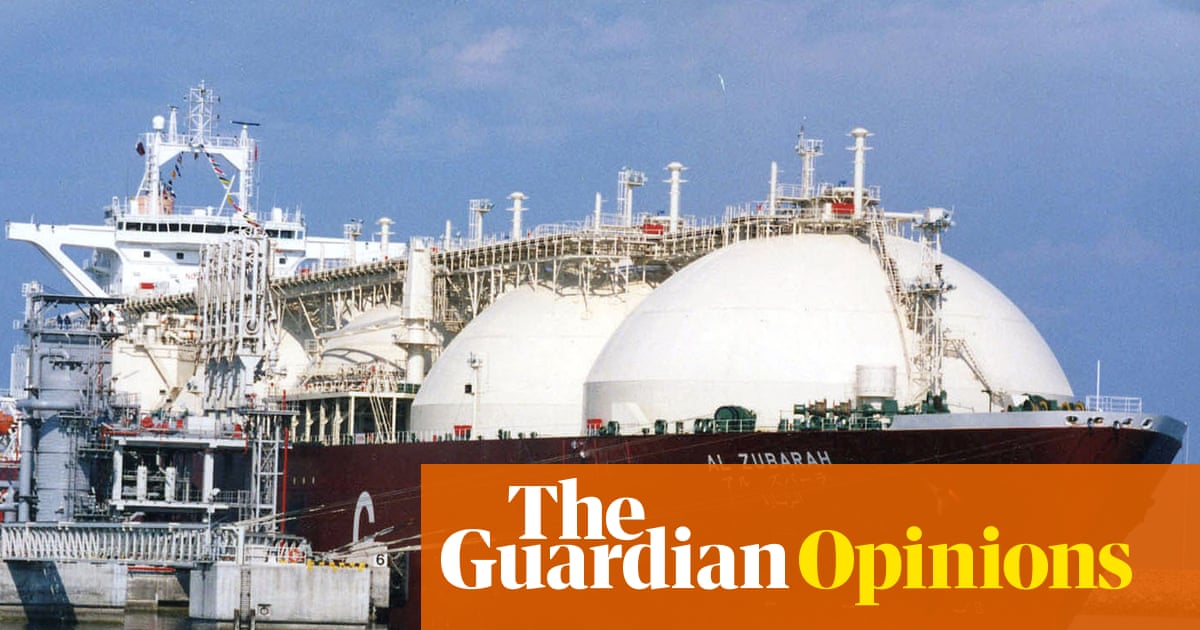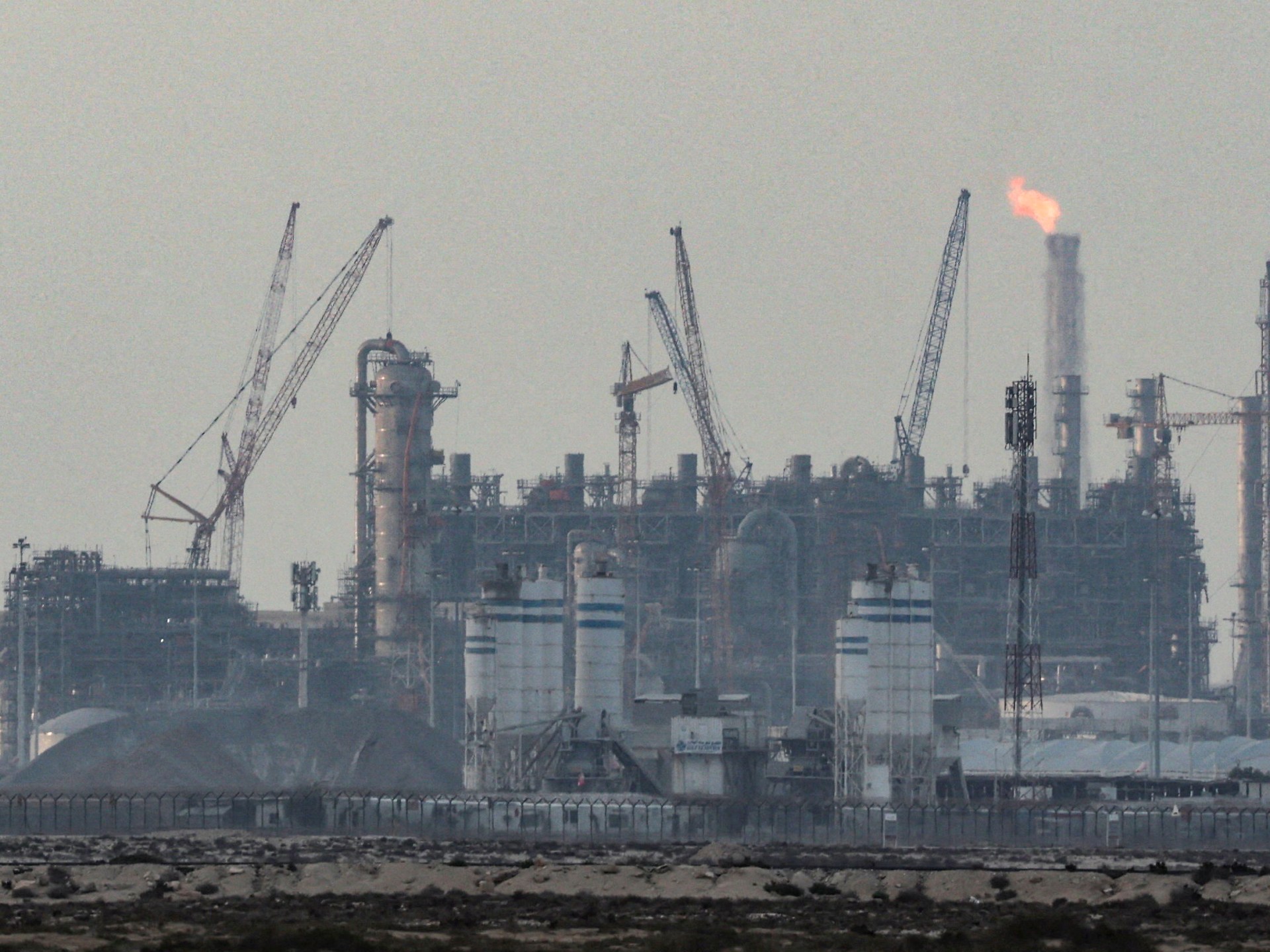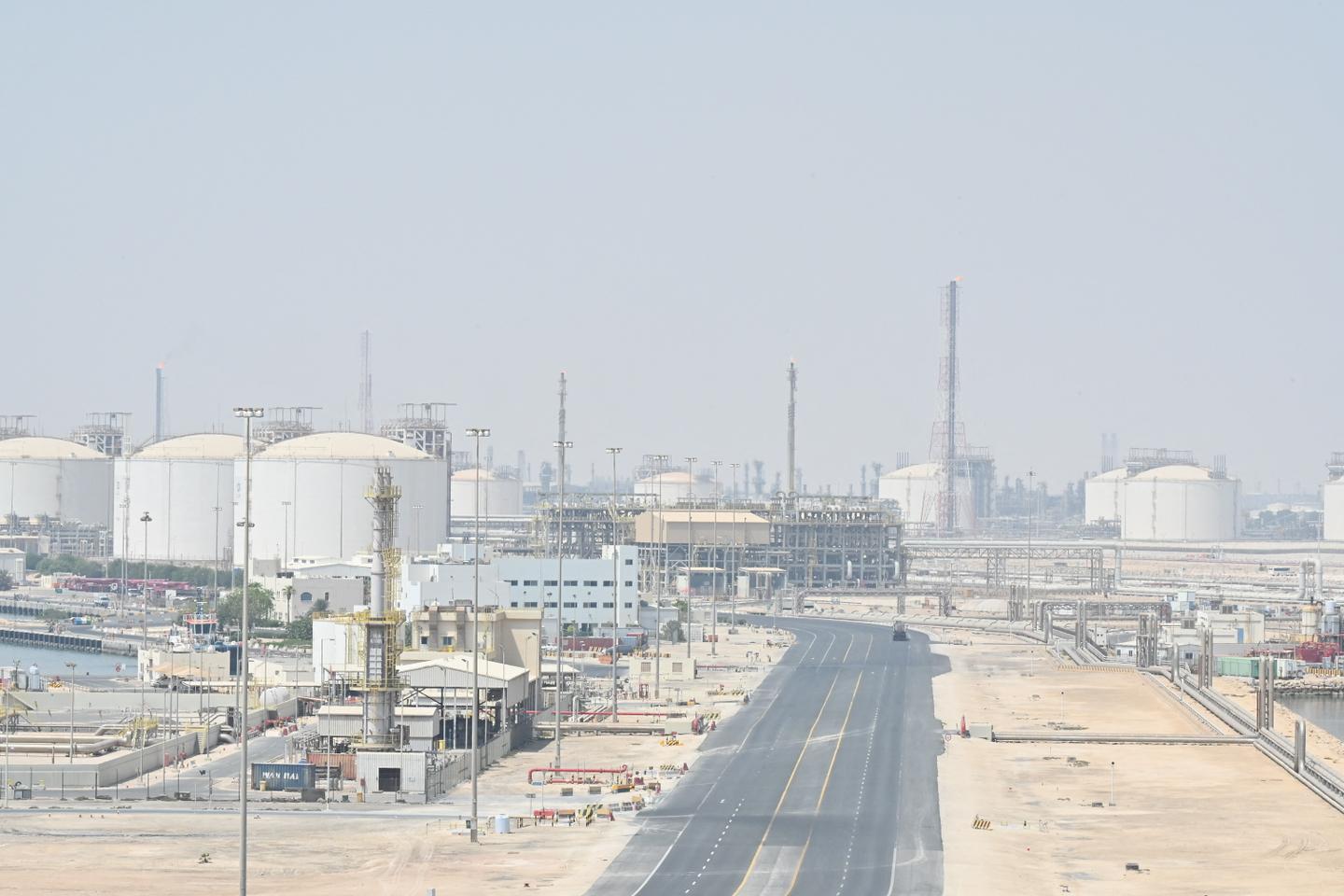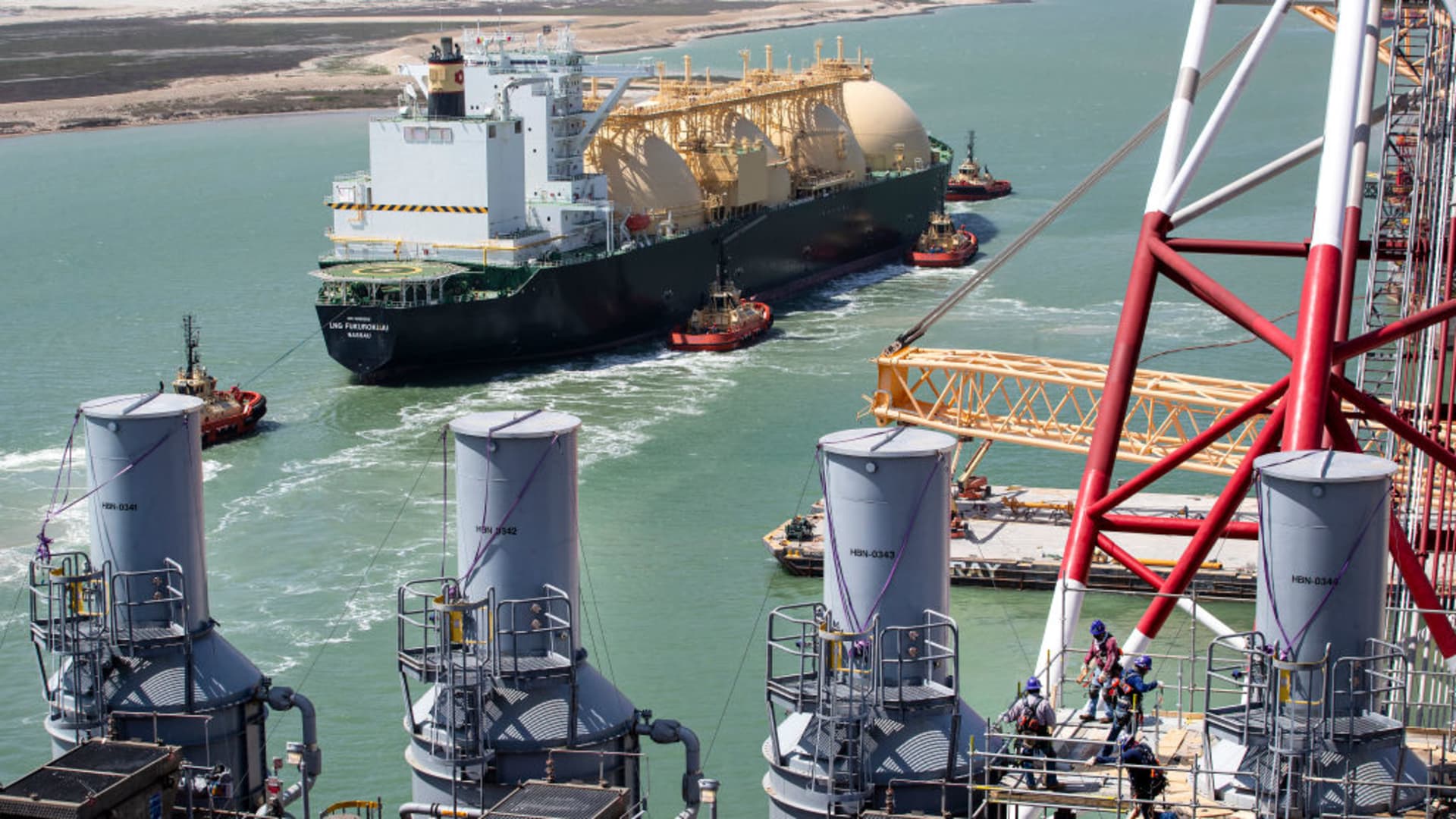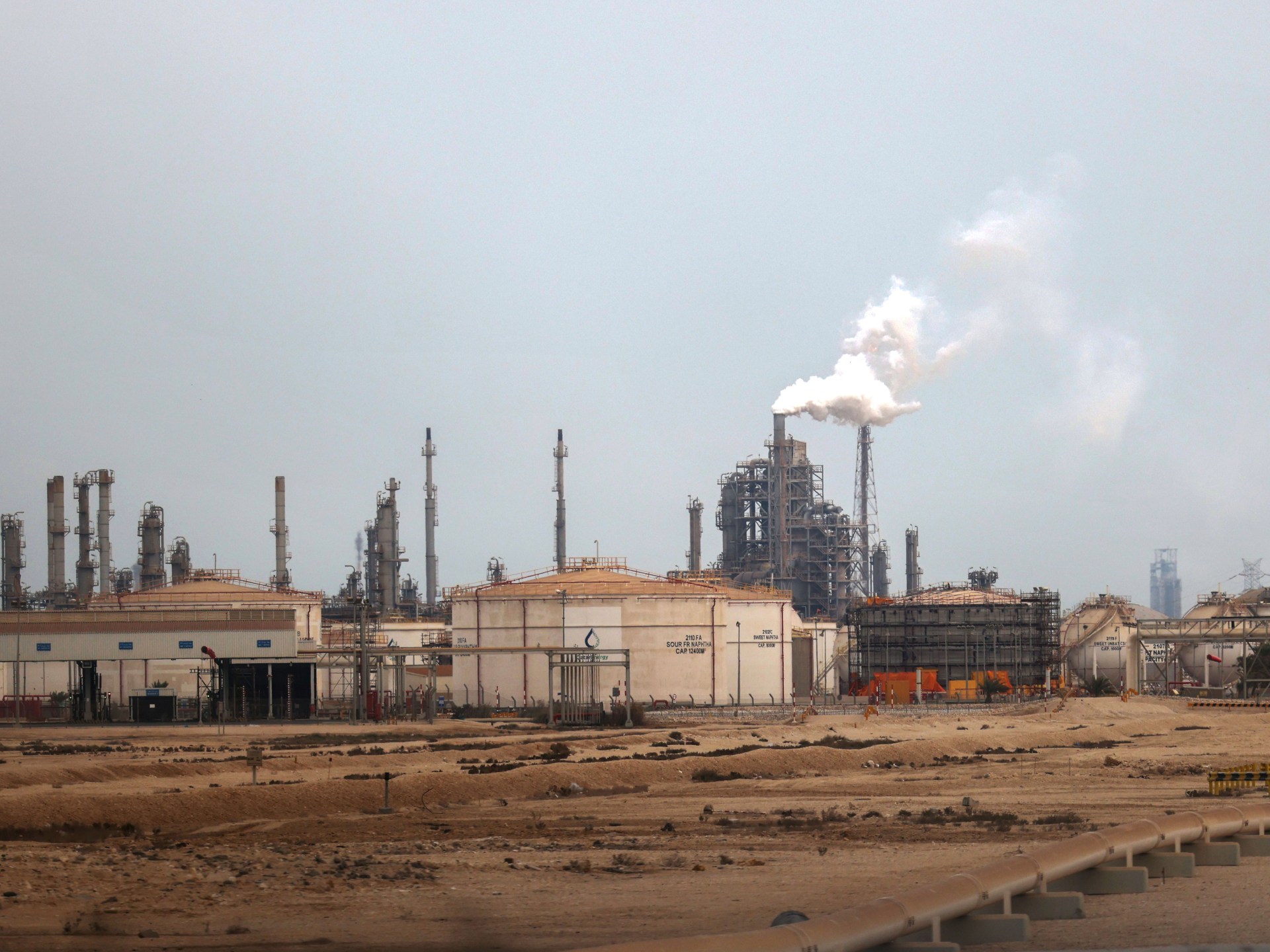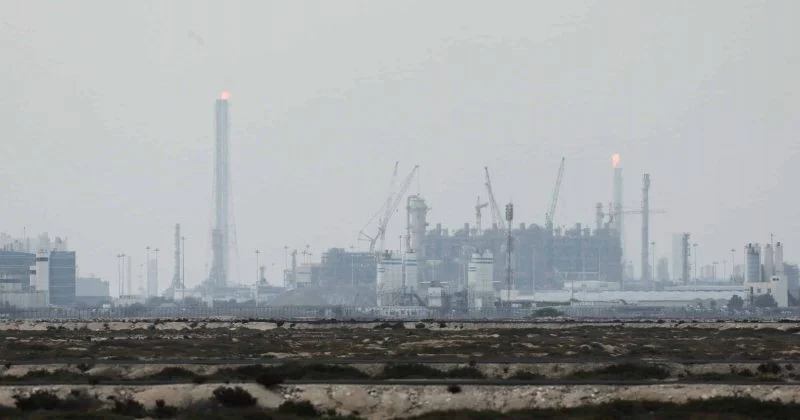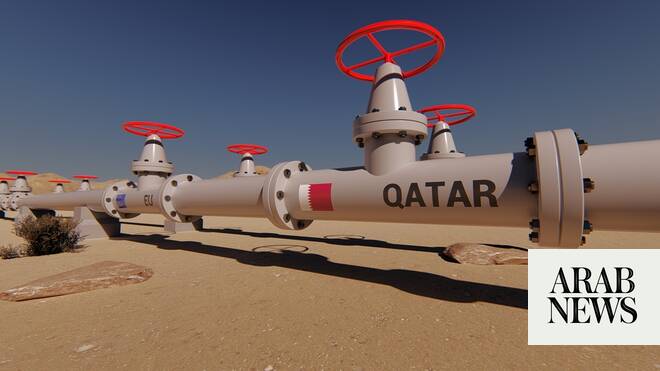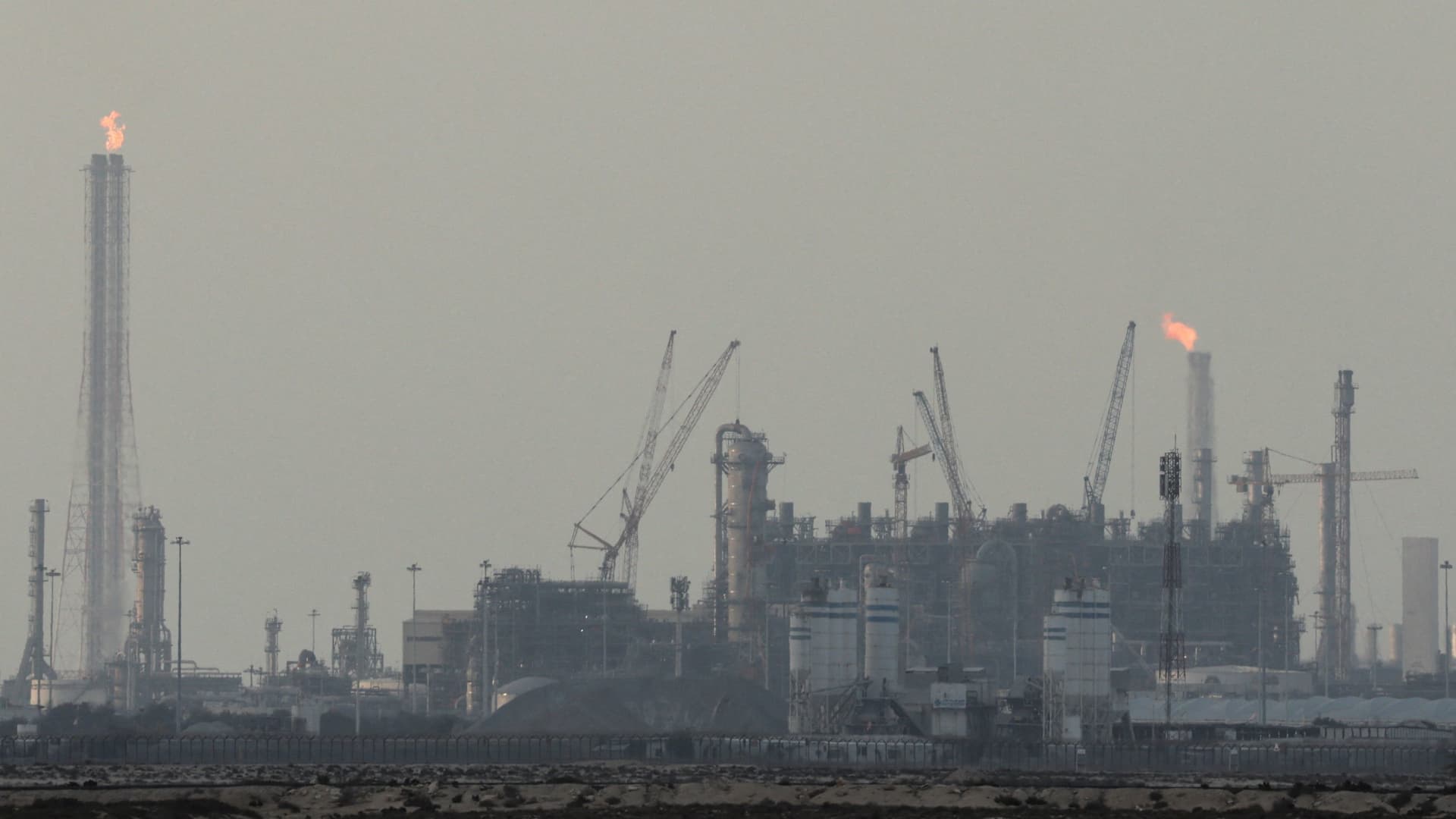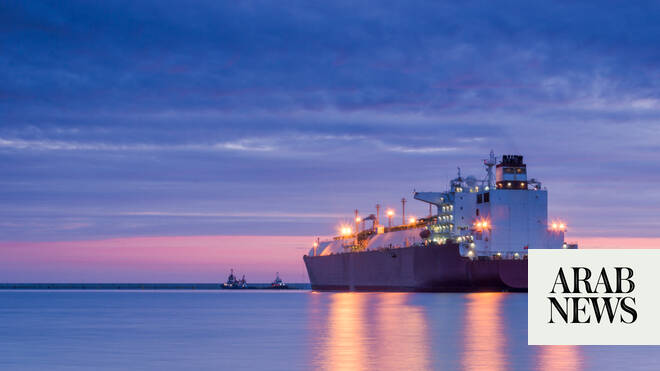
RIYADH: Qatar’s temporary halt in liquefied natural gas output has become the most immediate energy-market shock from the US–Iran war, tightening global supply expectations and driving gas prices sharply higher as buyers in Asia and Europe scramble to gauge how long the disruption will last and whether volumes can be replaced.
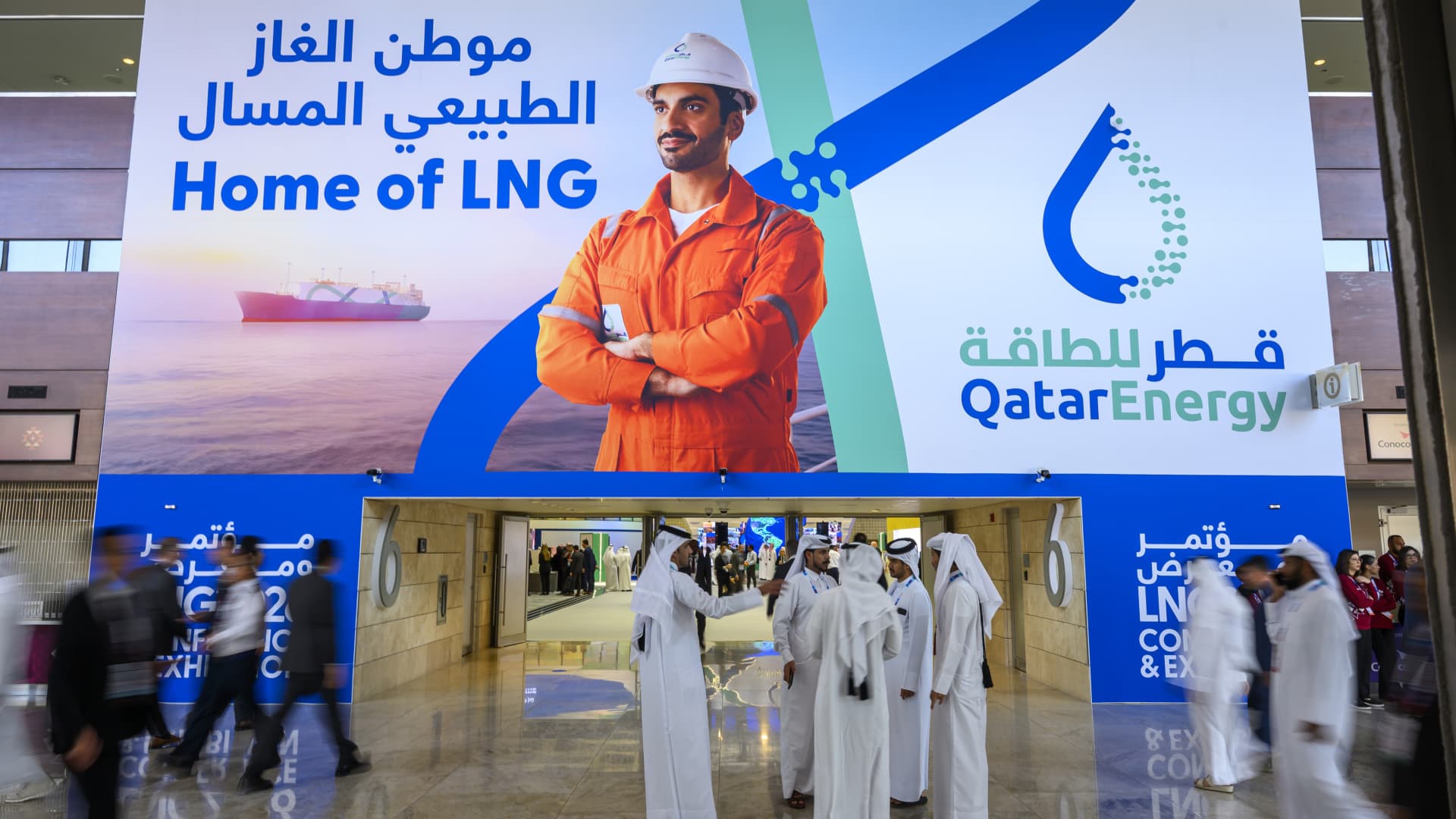
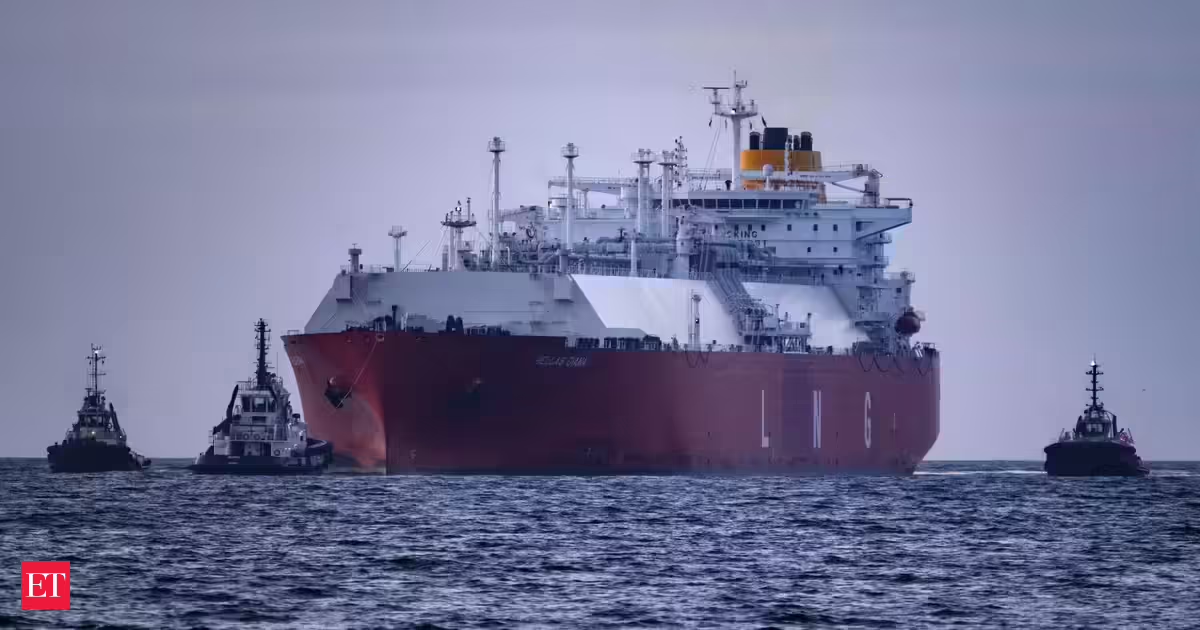
The outage is significant because Qatar sits at the heart of the seaborne gas trade, accounting for about 20 percent of global LNG exports. Most shipments transit the Strait of Hormuz, with QatarEnergy exporting nearly 81 million metric tonnes in 2025.
Head of Economics and Next Generation Research at Julius Baer, Norbert Rucker, said the market’s reaction has been most visible in gas rather than oil.
“While oil’s reaction has been almost surprisingly unemotional, natural gas prices have spiked related to the war in the Middle East. The precautionary shutdown of Qatar’s export facility alongside the halting of trade through the Strait of Hormuz fuels supply concerns,” Rucker told Arab News.
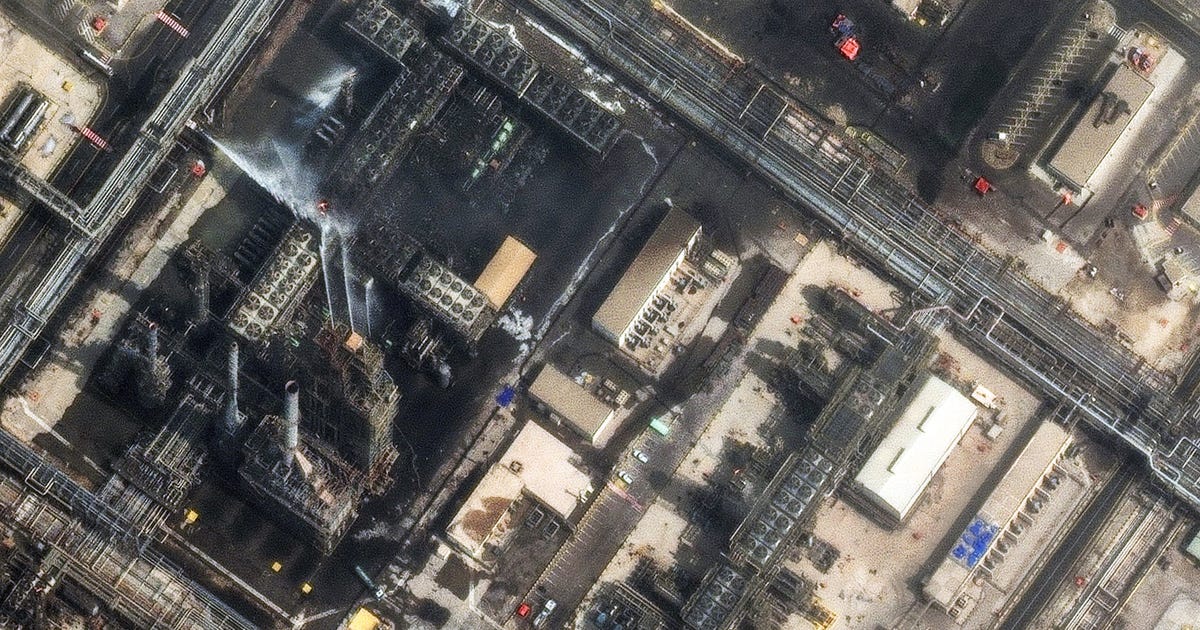
“A full and lasting disruption would indeed be serious, and this seems to be partially priced in by the market. However, damage to energy facilities remains minimal so far, and the natural gas market has entered the spring season, where demand is pummelled by strong renewables power generation,” he added.