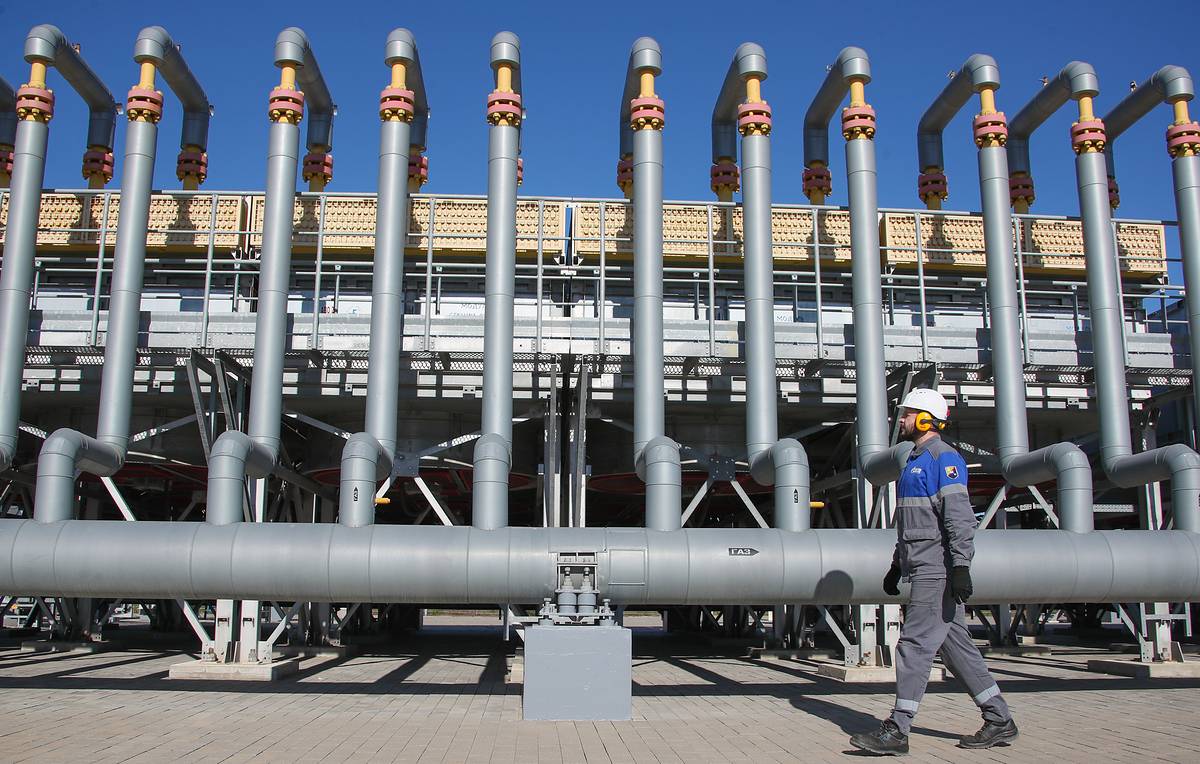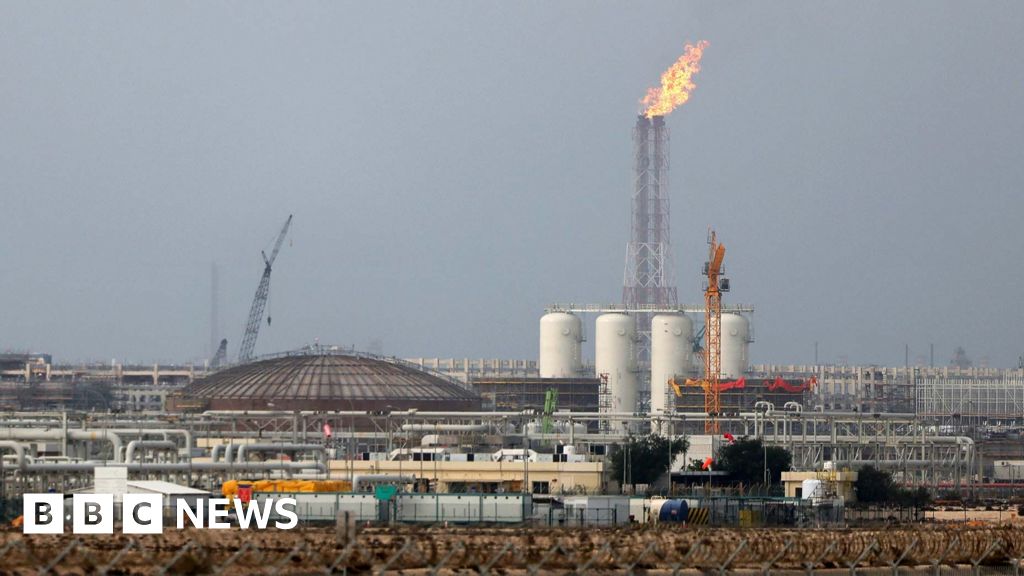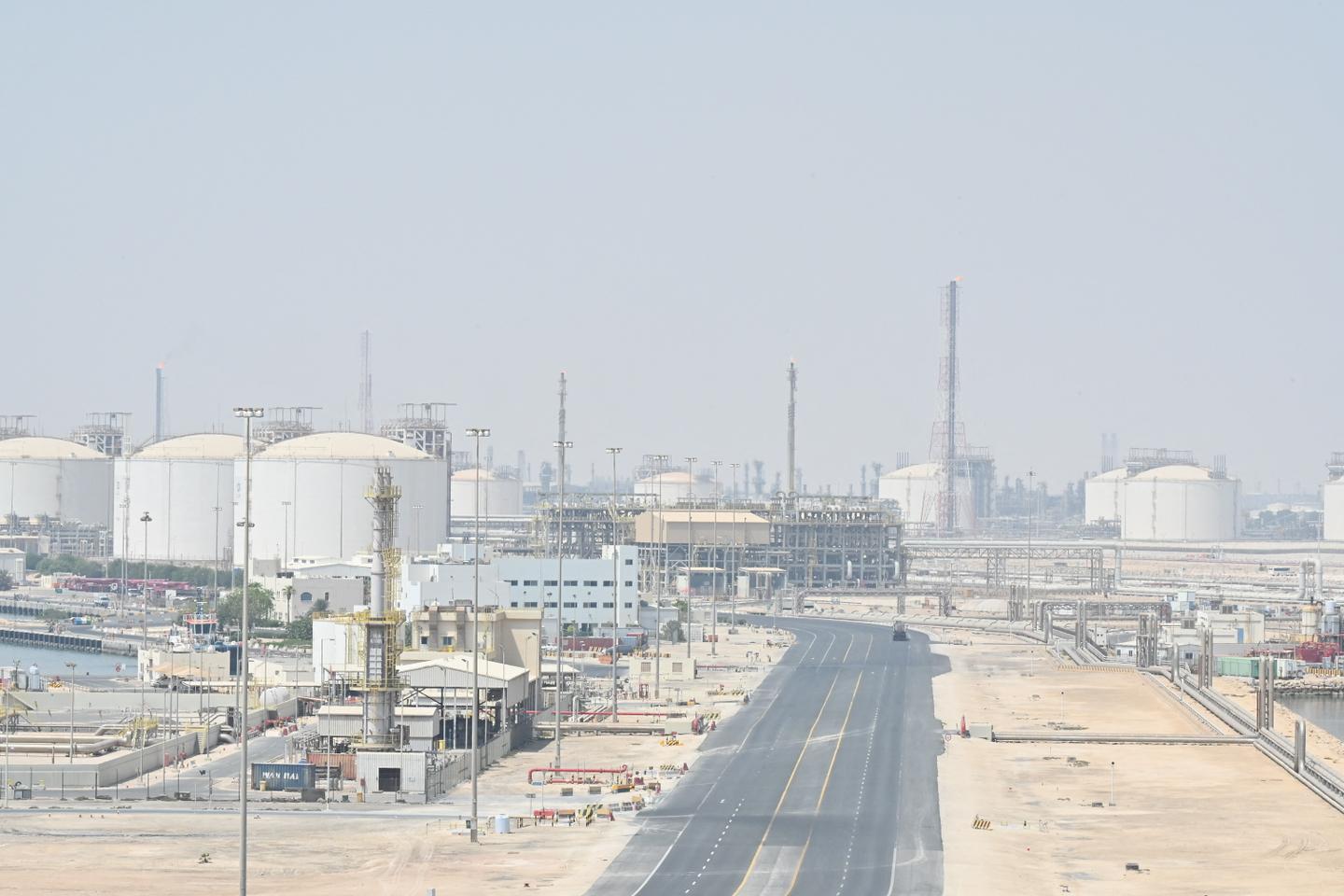
General view of the Ras Laffan industrial zone in Qatar, August 26, 2022. ELODIE GREGOIRE/ABACA
The launch of the US-Israeli offensive against Iran, which began on Saturday, February 28, revived fears of a new oil shock. But it is a gas shock that the escalation in the Persian Gulf now threatens to unleash.
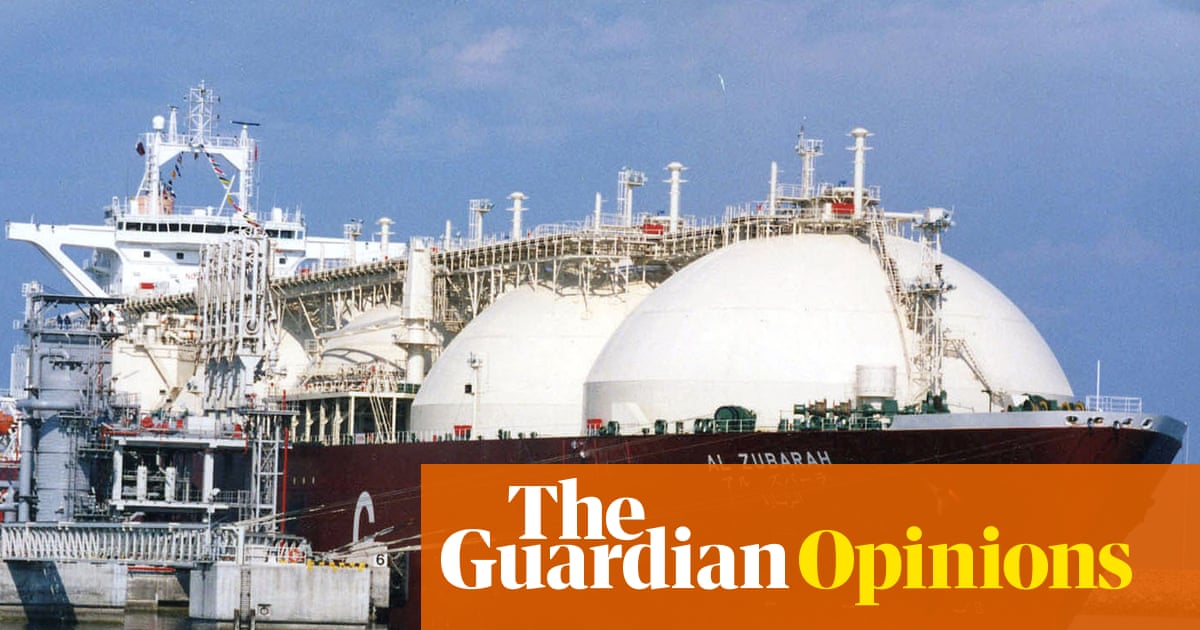
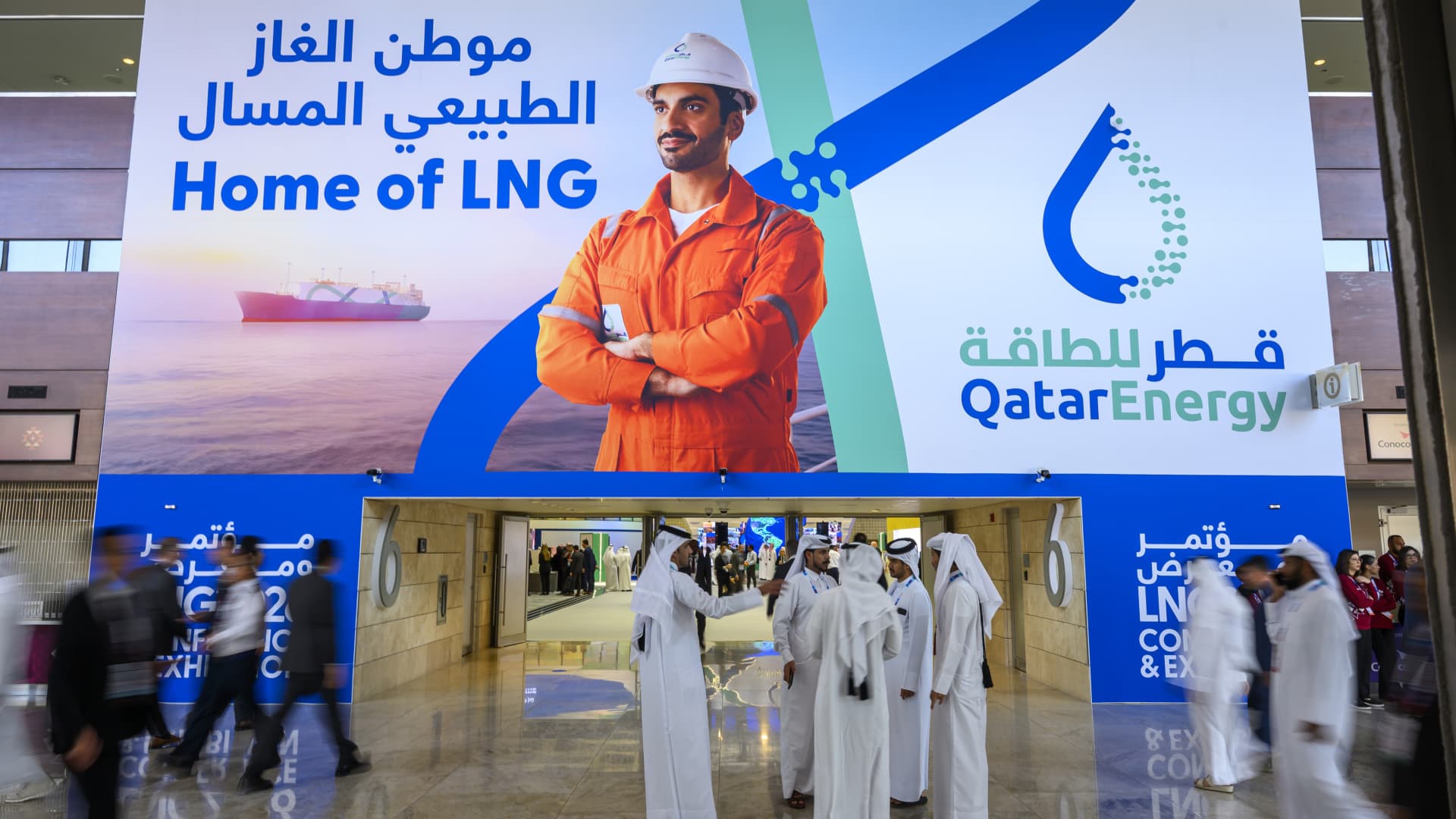
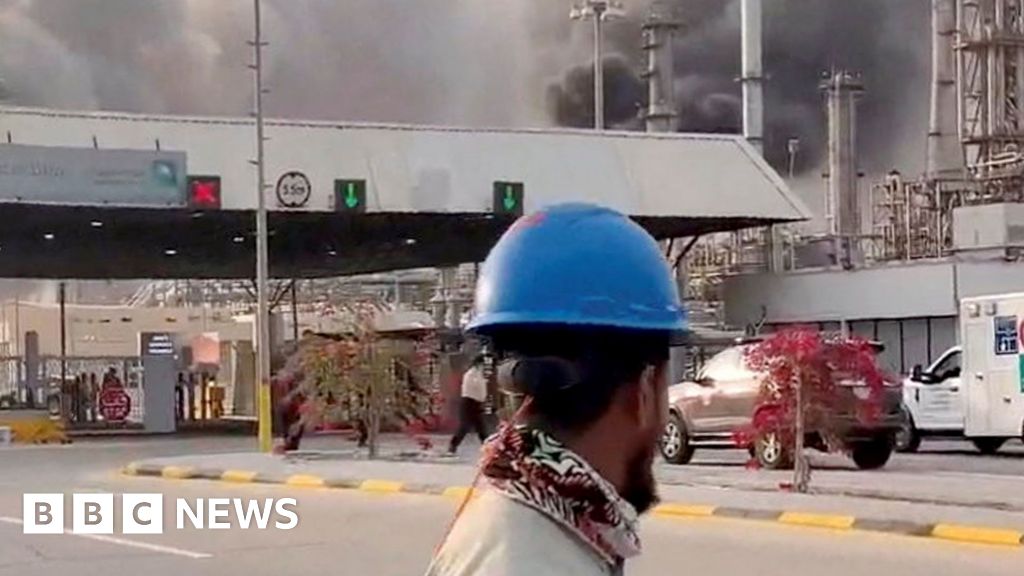
On Monday, March 2, QatarEnergy, the state-owned Qatari company, announced it was halting production at its Ras Laffan site, the world's largest liquefied natural gas (LNG) plant. The complex, which typically produces 77 million metric tons of LNG per year, had just suffered drone attacks carried out by Tehran.
The market reacted immediately. The Dutch TTF futures contract, considered the European benchmark, surged by more than 50% to reach €47.70 per megawatt-hour (MWh). This served as a reminder that the region is not only a hub for oil but also plays a major role in gas production and trading.
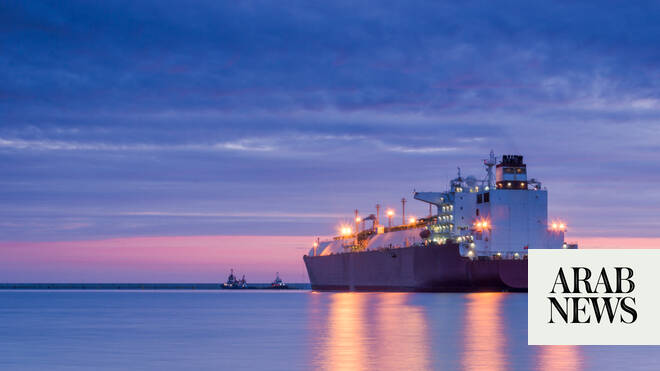
All LNG exports from Qatar and the United Arab Emirates – accounting for about 20% of global trade in LNG transported by tanker – pass daily through the Strait of Hormuz, the narrow waterway bordering Iran and the Sultanate of Oman, linking Gulf countries to the Indian Ocean. The confusion and insecurity now gripping the Strait has nearly paralyzed traffic, fueling anxiety among traders. "The gas market is tighter than the oil market, making it more sensitive to supply shocks," analysts at Oxford Economics noted.