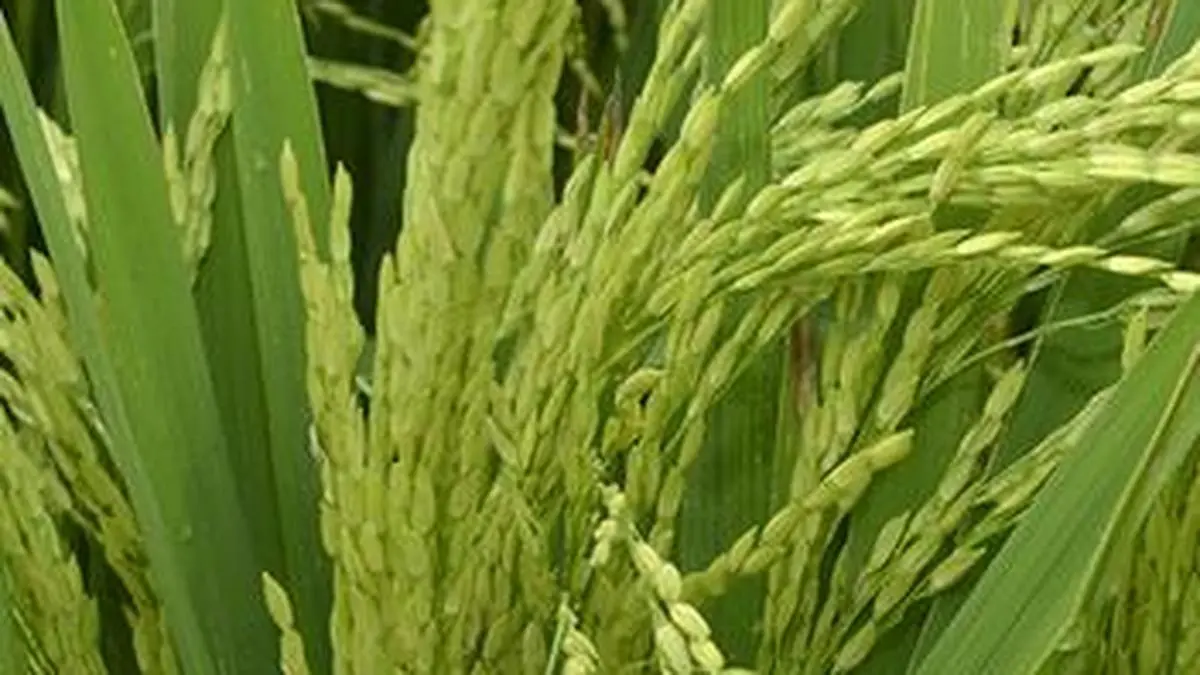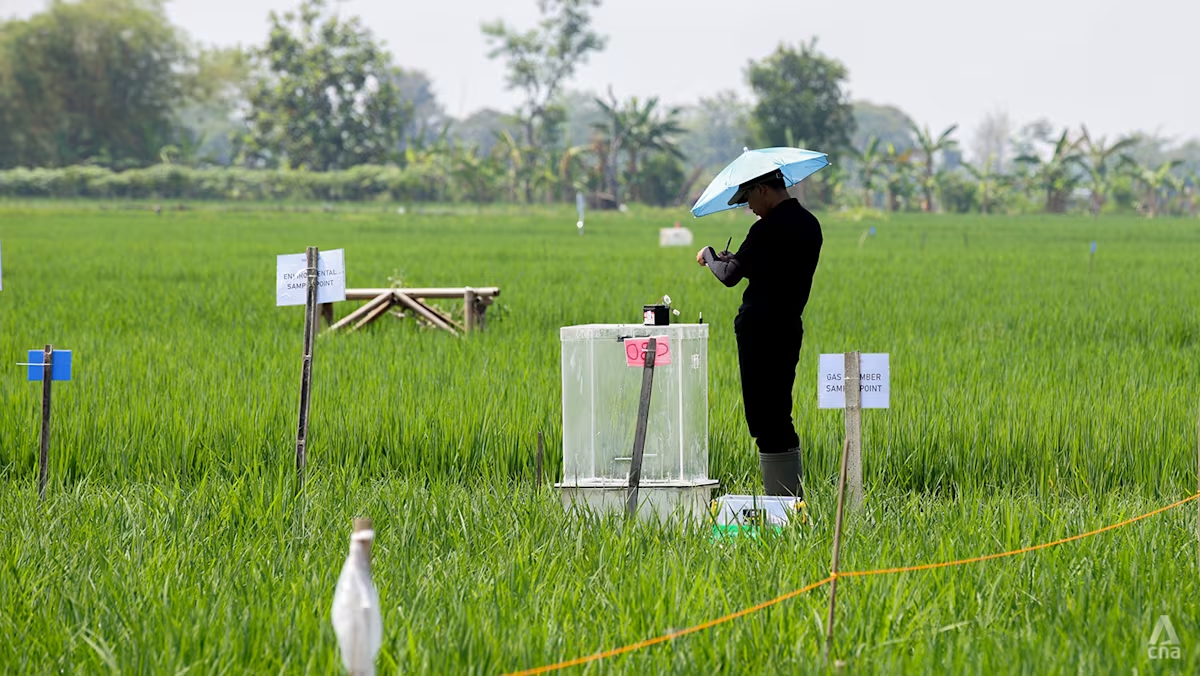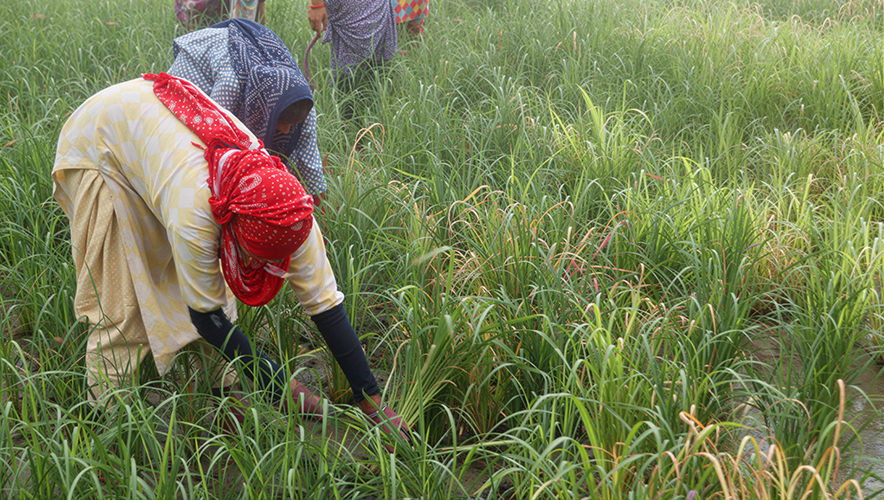
Field trials in India show that bio-fertilisers containing naturally occurring soil fungi enhance growth in rice plants. This may offer a pathway to reducing farmers’ reliance on synthetic fertilisers, and reducing greenhouse gas emissions in rice farming.
The trials, led by researchers at the University of Cambridge in partnership UK rice brand Tilda and basmati farmers in India, tested fungi-based bio-fertilisers under real farming conditions.
These bio‑fertilisers contain arbuscular mycorrhizal fungi - beneficial soil fungi that can live inside plant roots and help to extend their reach into the soil to collect nutrients.
In a report released today by Tilda, trial results show a yield boost of between 5% and 15% in basmati rice grown using synthetic and bio-fertilisers together, compared with rice grown using synthetic fertilisers alone.
“Every farmer in the trial saw increased rice yield in fields where they applied mycorrhiza-based bio-fertilisers, compared to the fields without it,” said Dr Emily Servante, a researcher in the University of Cambridge’s Crop Science Centre and lead scientist on the trial.