May 20, 2026 | 04:14 pm
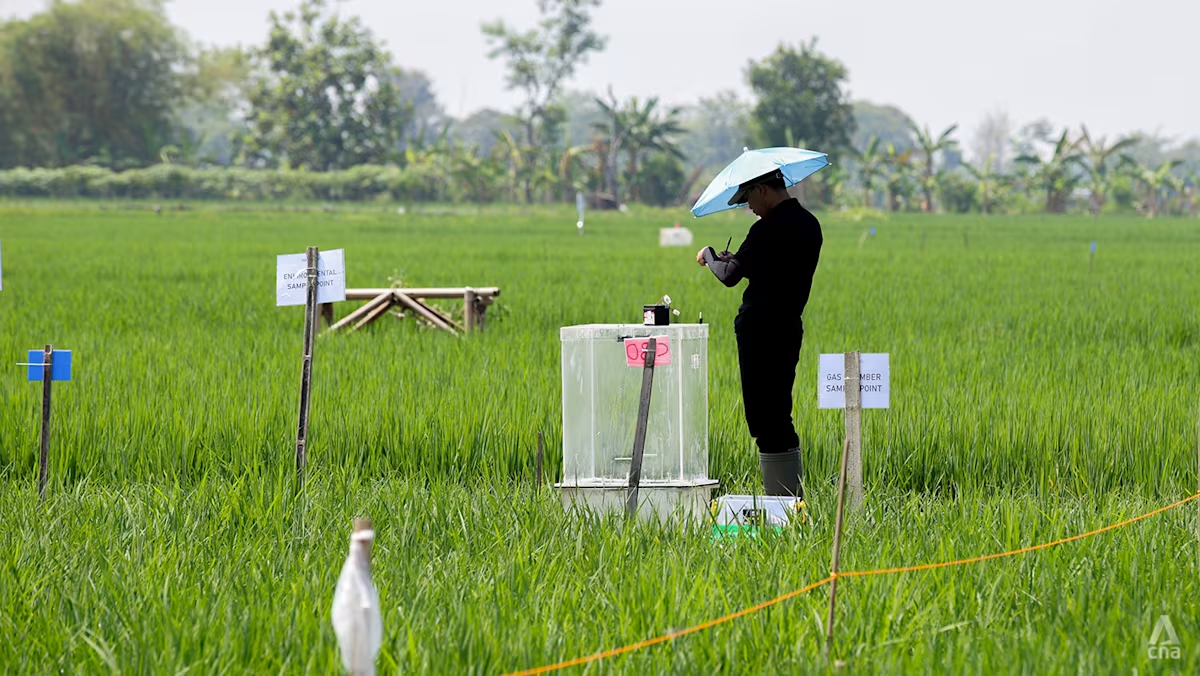
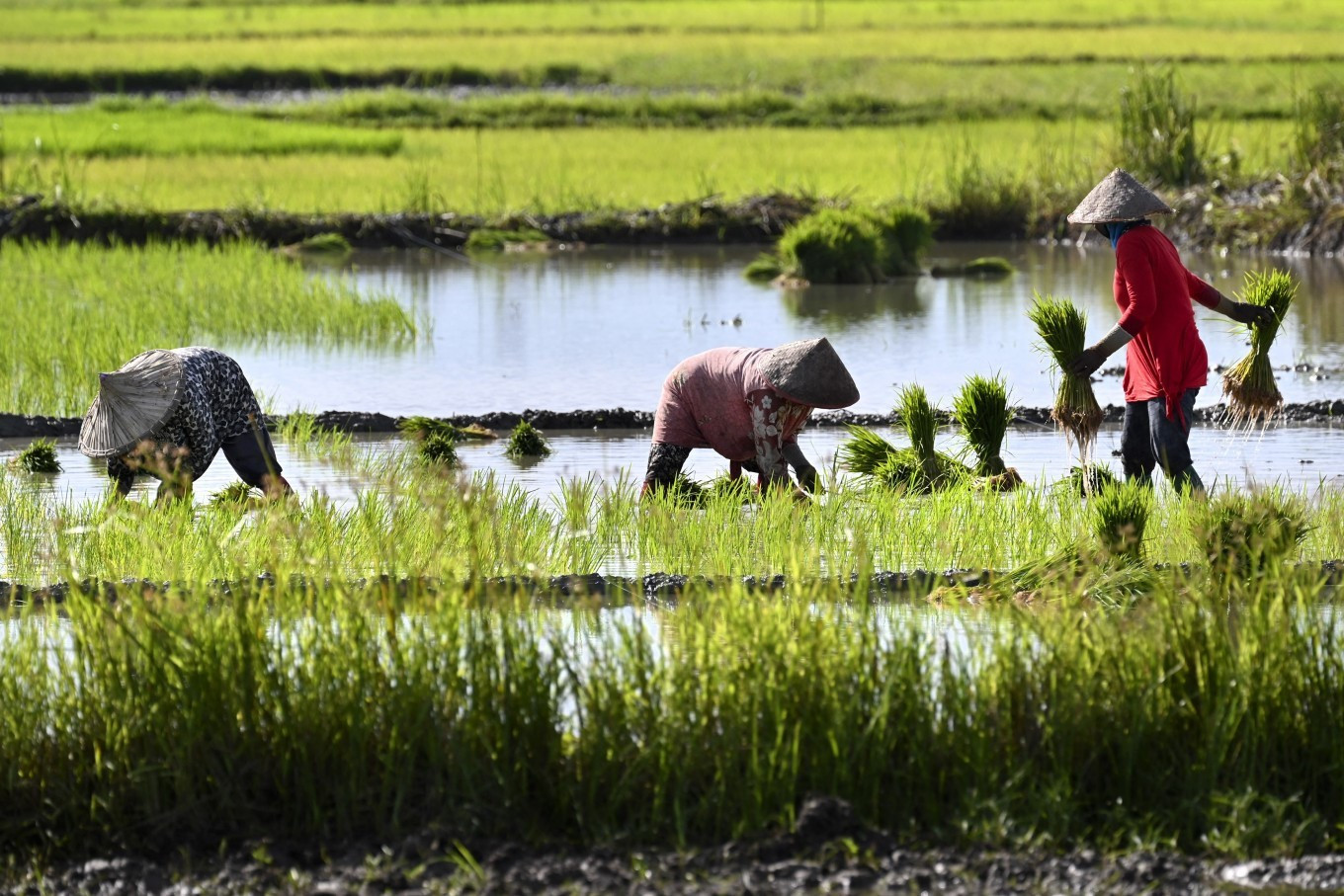
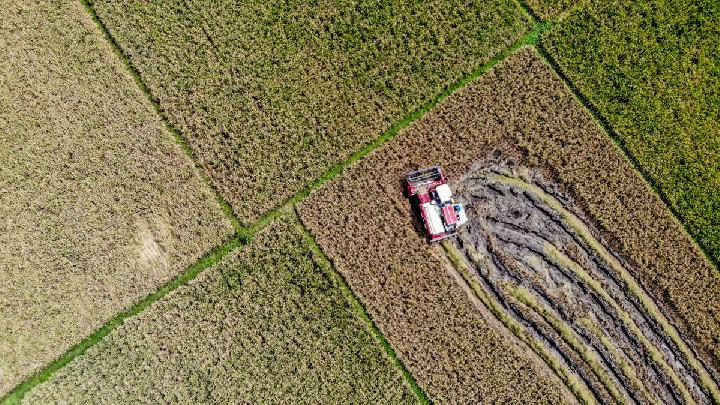
TEMPO.CO, Jakarta - The Singaporean agricultural technology company, Rize, and Temasek Life Sciences Laboratory (TLL), a research institution based in Singapore, have agreed to expand the low-emission rice project in Indonesia. Rize and TLL announced the signing of a memorandum of understanding (MoU) for this collaboration at the Philanthropy Asia Summit in Singapore on Tuesday, May 19, 2026."The collaboration with TLL demonstrates that climate-smart agricultural practices can go beyond the pilot phase and have a real impact on a large scale. This is an important achievement," said Sheetal Sharma, Head of Innovation and Carbon at Rize, after announcing the MoU.Both organizations launched a large-scale field trial to produce low-emission rice in Central Java, including Grobogan, in July 2025. This large-scale field trial project is a science-based effort to reduce greenhouse gas emissions from rice cultivation without sacrificing harvest yields or farmer welfare.The field trial in Central Java is supported by the Philanthropy Asia Alliance, an alliance of philanthropic organizations operating in Asia, and is carried out in collaboration with the Agriculture Assembly and Modernization Agency (BRMP). Over two planting seasons, the trial tested combinations of water and nutrient management, with emissions measured at the paddy field level using laboratory standards. The impact on soil health, harvest yields, and farmer income was monitored simultaneously.After nearly a year of operation, from production on 93 hectares of land, there is a 5 percent increase in harvest yields due to optimal fertilizer doses from TLL. Despite increased harvest yields, methane emissions decreased by 30 to 35 percent compared to conventional practices. Rize also mentioned that the net harvest gains increased by 5-6 percent during the trial. The program reached 173 smallholder farmers.As a result, Dhruv Sawhney, Rize CEO, added that their organization and TLL will continue their strategic partnership for the next five years to transition low-emission rice production from large-scale validation to commercial-scale. The newly renewed MoU bridges cutting-edge scientific innovations with on-the-ground applications to support sustainable rice cultivation, thus improving farmer welfare while reducing climate impacts."This partnership shows that improving rice cultivation methods does not require farmers to sacrifice anything. This is a significant finding," said Dhruv Sawhney.The five-year partnership aims to produce 50,000 tons of sustainable, low-emission rice. In addition to Indonesia, the project is also implemented in Vietnam.TLL contributes by dedicating expertise in agrobiology, including the development of climate-resistant rice varieties, soil microbiome science, and stringent agronomic protocols to ensure emission reductions can be measured and credibly verified. On the other hand, Rize translates this scientific approach into tangible impact by engaging intensively with farmers and implementing large-scale field programs that produce quality data trusted by markets, governments, and international carbon standards.The two organizations will strengthen their collaboration in research, implementation, and market development. They will focus specifically on establishing sustainable, traceable, and verifiable rice supply chains that meet the needs of commercial buyers and support Singapore's food resilience.Through this partnership, both parties are working to achieve a goal that has long been discussed in the industry but rarely realized: the supply of verified, traceable, low-emission rice. This goal links innovations in the field with commercial needs and food resilience. "Rice is the most important food crop in the world for food, water, and climate. Therefore, how we manage it is crucial," said Dhruv Sawhney.Rize is an agricultural technology company that focuses on decarbonizing rice cultivation. Its mission is to empower farmers, transform rice cultivation, and restore the Earth. The company's goal is to reduce 500 million tons of CO2 emissions by 2040. Meanwhile, the non-profit organization TLL was founded in 2002. It focuses on molecular biology and genetics research that impacts the agricultural, food, industrial biotechnology, and human health sectors.Read: Oil Palm Farmers Warn of Monopoly Risks in New Export RuleClick here to get the latest news updates from Tempo on Google News