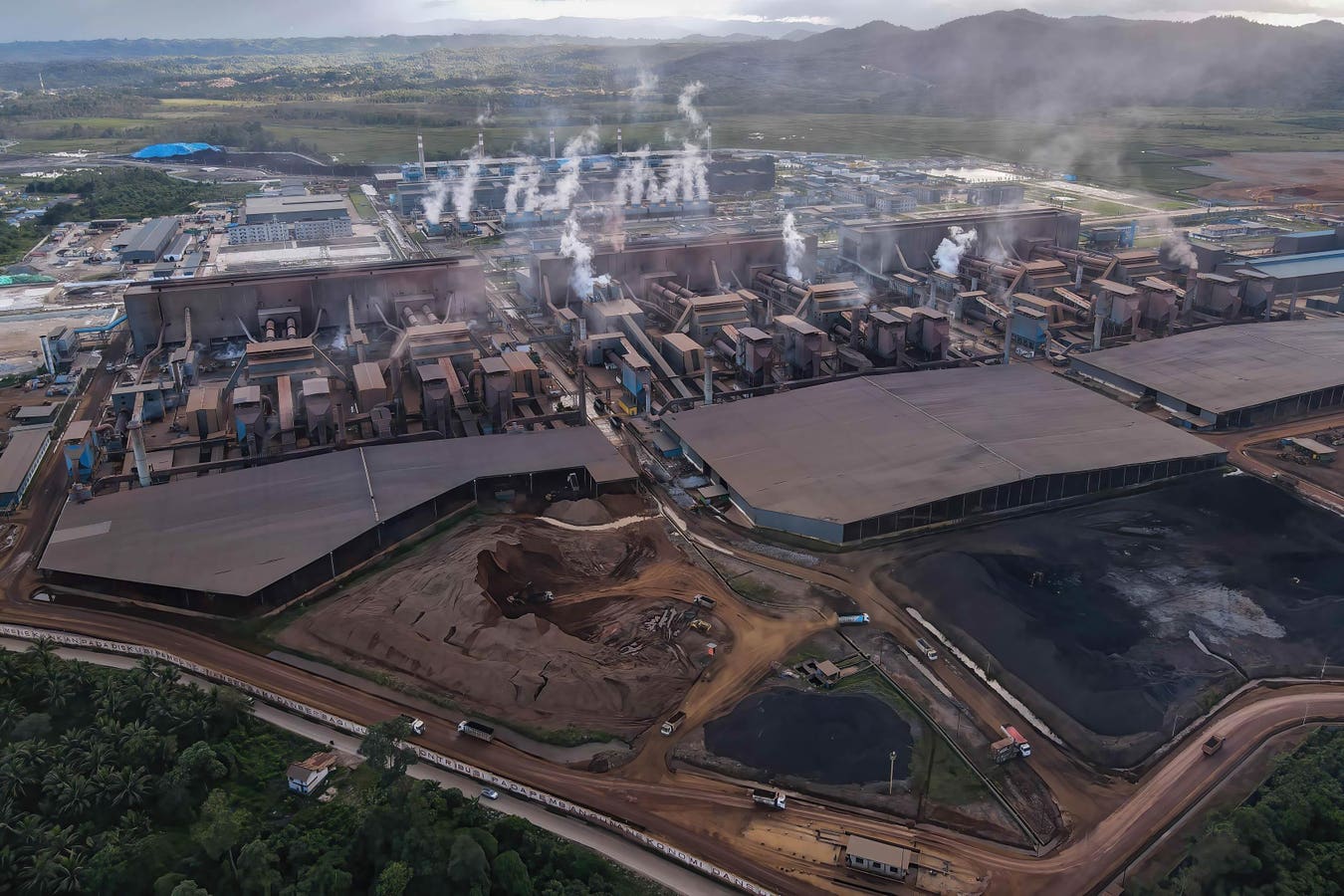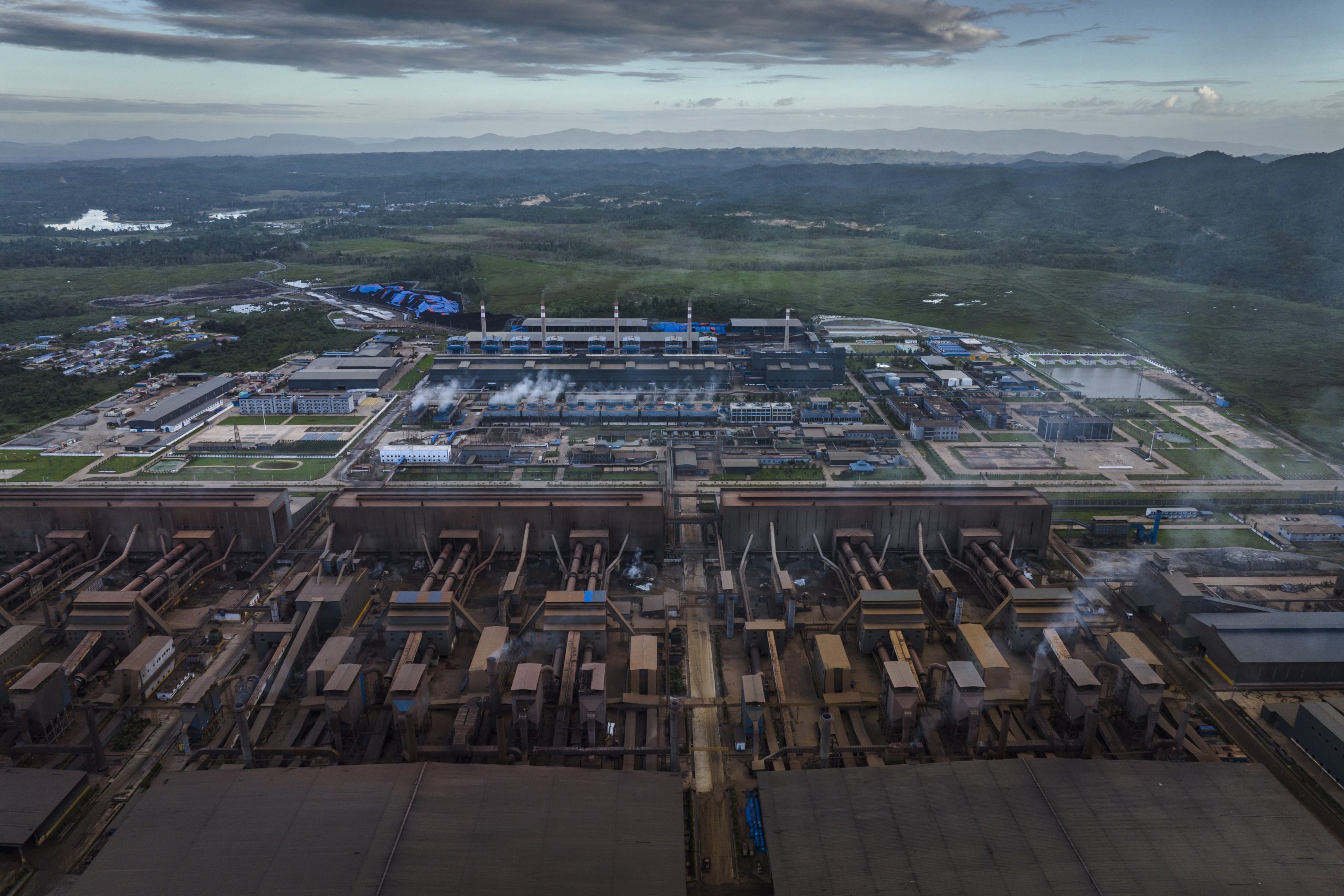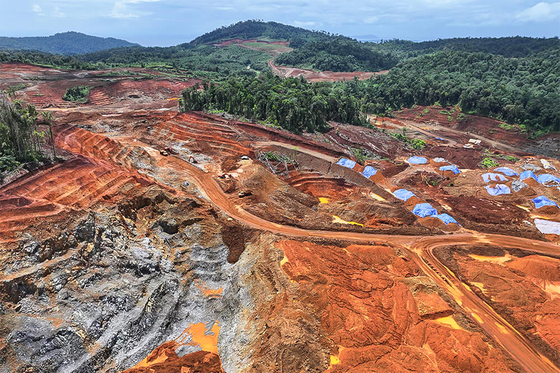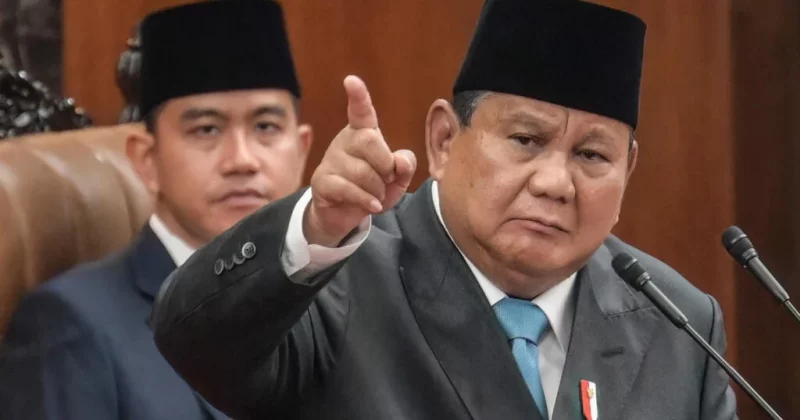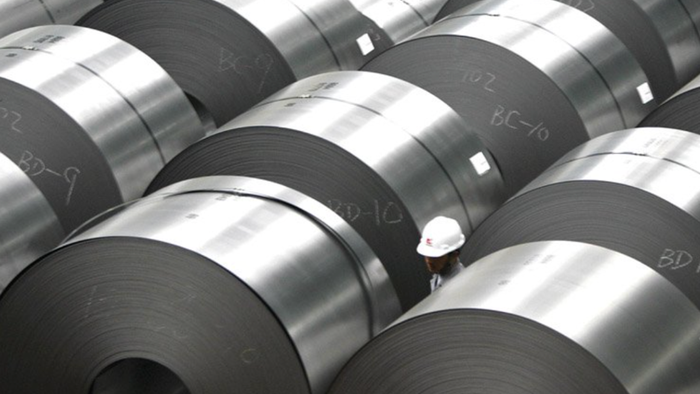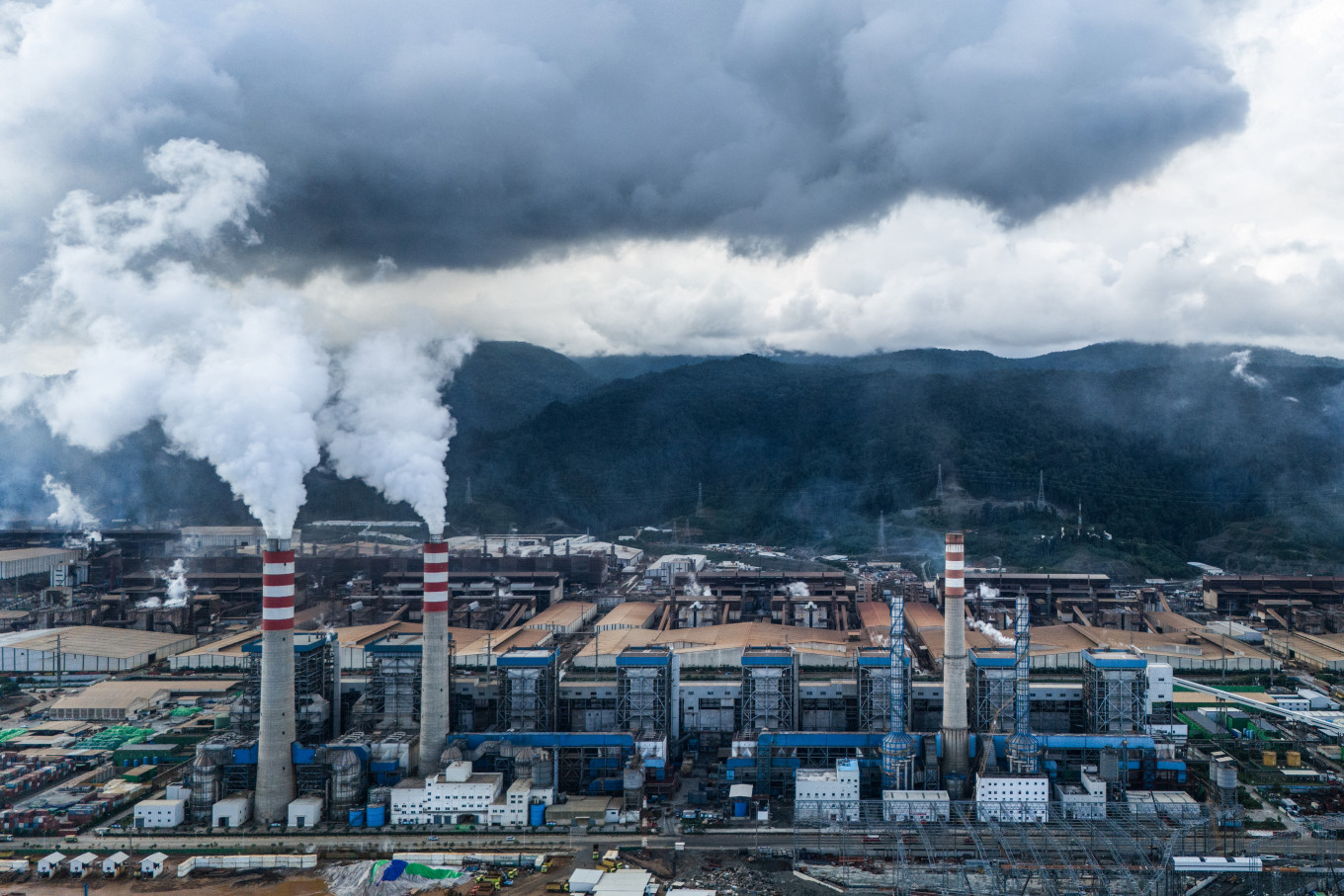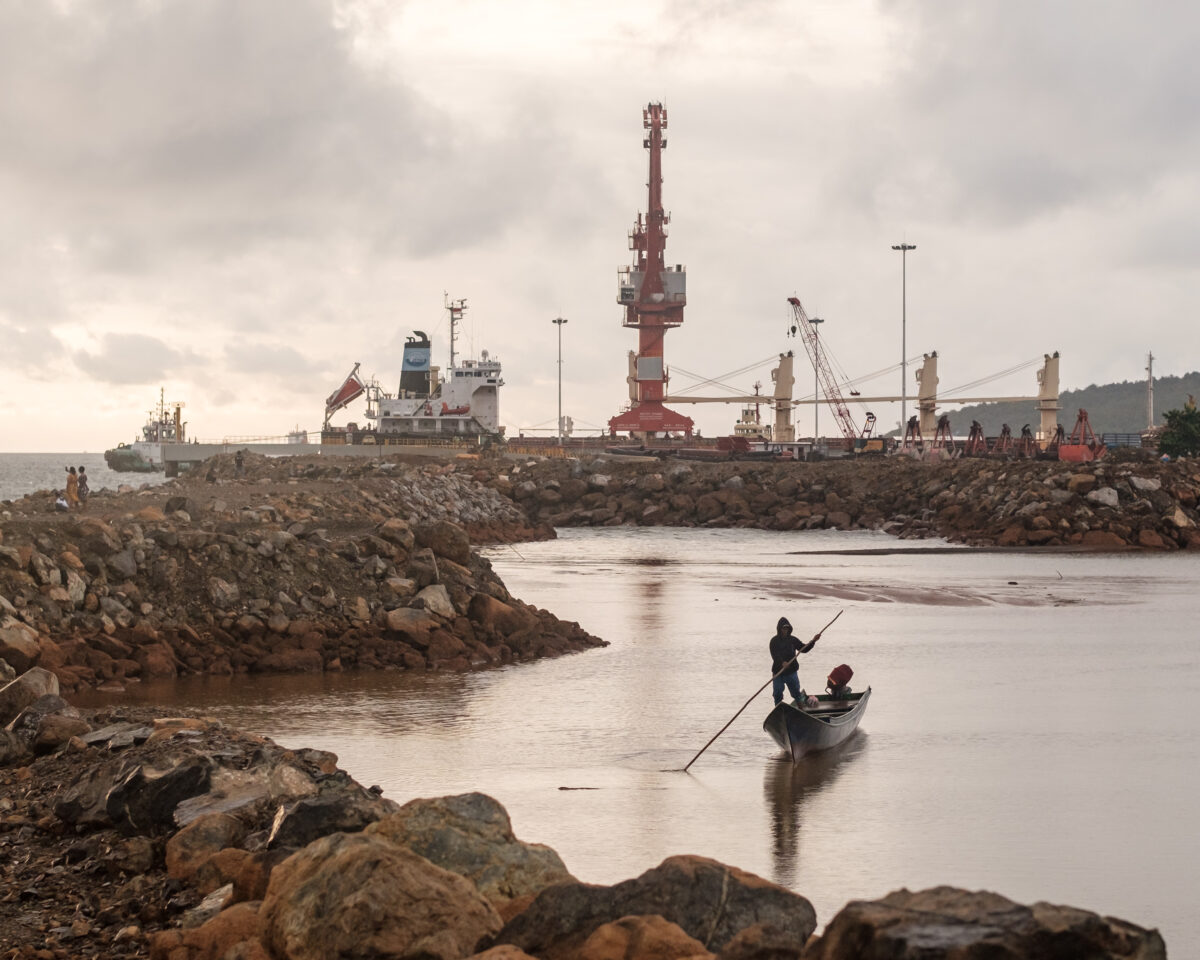
When Indonesian President Prabowo Subianto broke ground on 13 new natural resource processing projects worth US$7.2 billion on 29 April 2026, he called downstreaming — known locally as hilirisasi — the path to national revival. State investment vehicle Danantara is now coordinating 18 downstream projects worth around Rp 600 trillion (US$34 billion), with nickel as the centrepiece. By processing raw minerals at home, the logic goes, Indonesia can capture more value and escape the middle-income trap.
Indonesia crossed into upper-middle-income status in 2023, with a GNI per capita of US$4810 — still well below the US$13,935 high-income threshold. Meanwhile growth has hovered around 5 per cent for more than a decade, reaching 5.11 per cent in 2025. The World Bank’s 2024 World Development Report found that countries can break out of the middle-income trap only by combining investment with the absorption of foreign technology and home-grown innovation.
This is the case proponents make for downstreaming. If Indonesia can absorb foreign technology, transfer it to domestic firms and innovate at the next stage, downstreaming becomes a path out of stagnation. The risk is that the current architecture is built for volume, not capability.