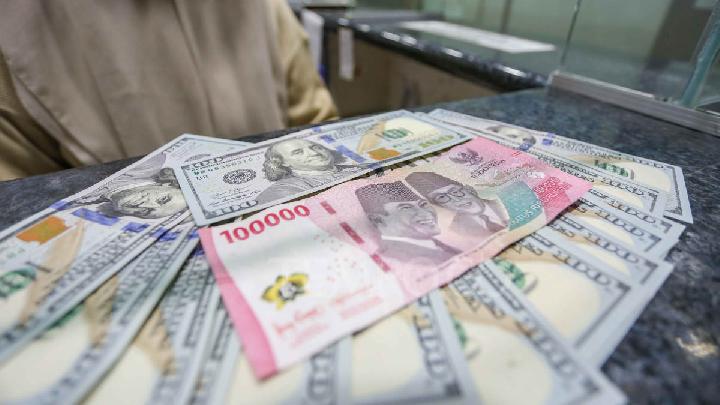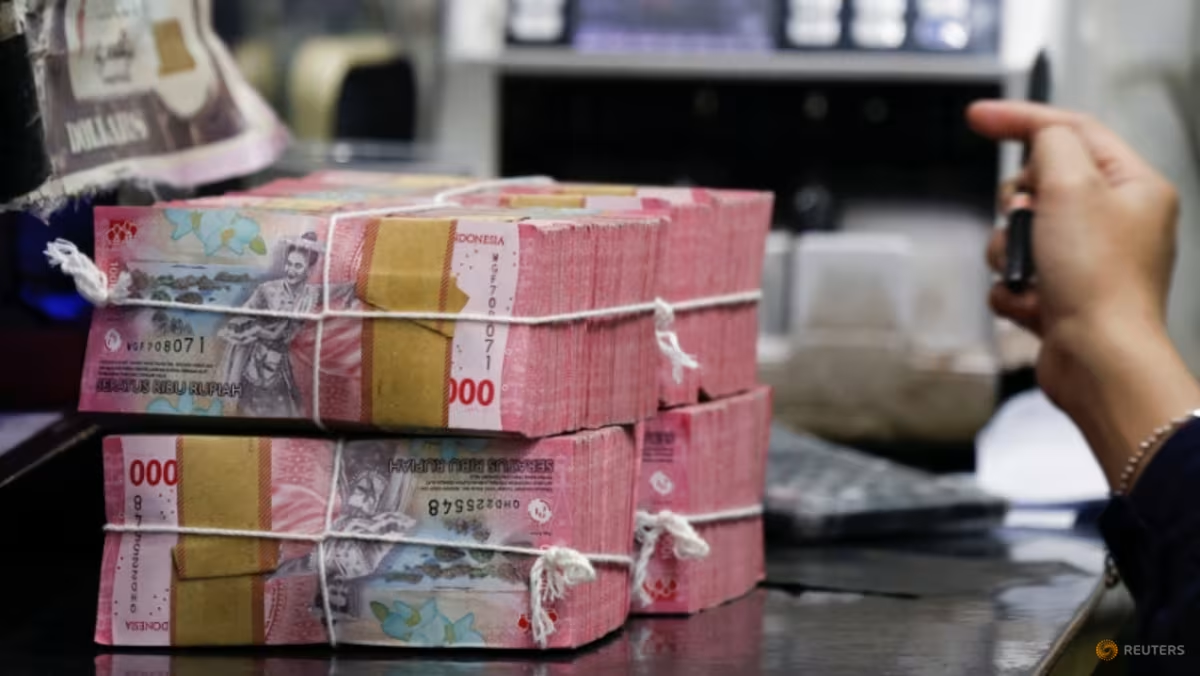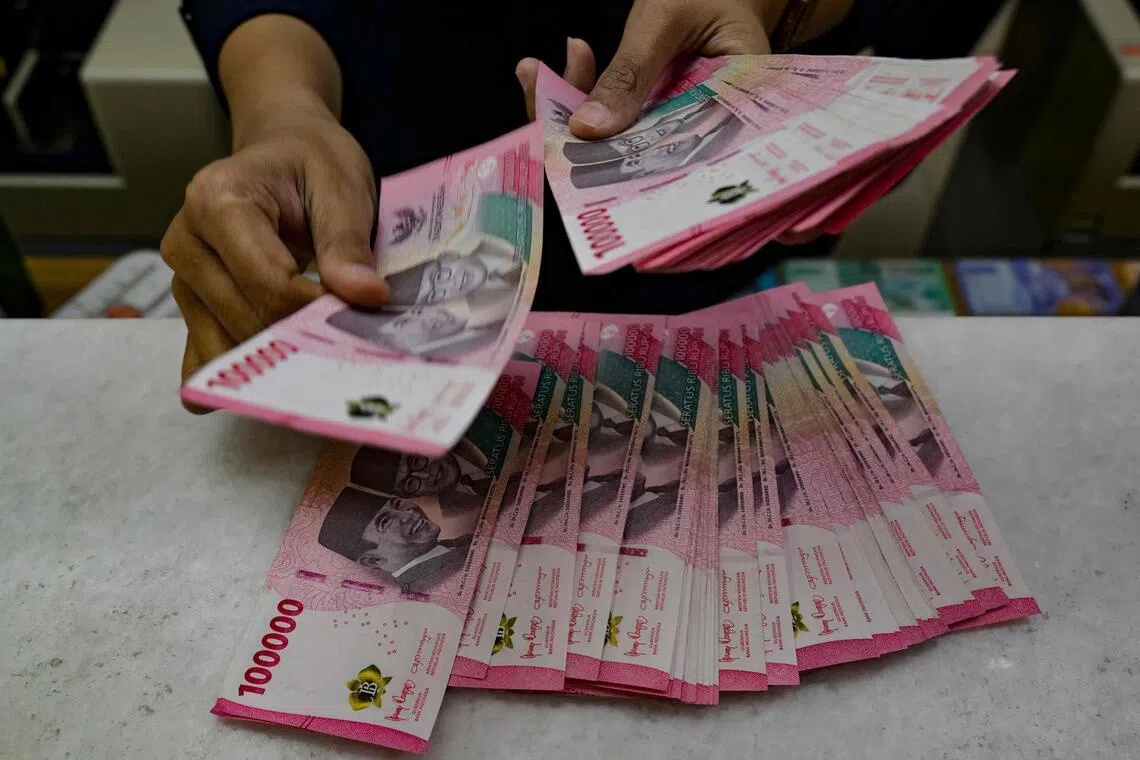
The rupiah’s depreciation has raised the costs for Indonesia’s National Strategic Projects, with contractors warning of squeezed margins, cash flow strain and potential construction delays for import-heavy infrastructure works.
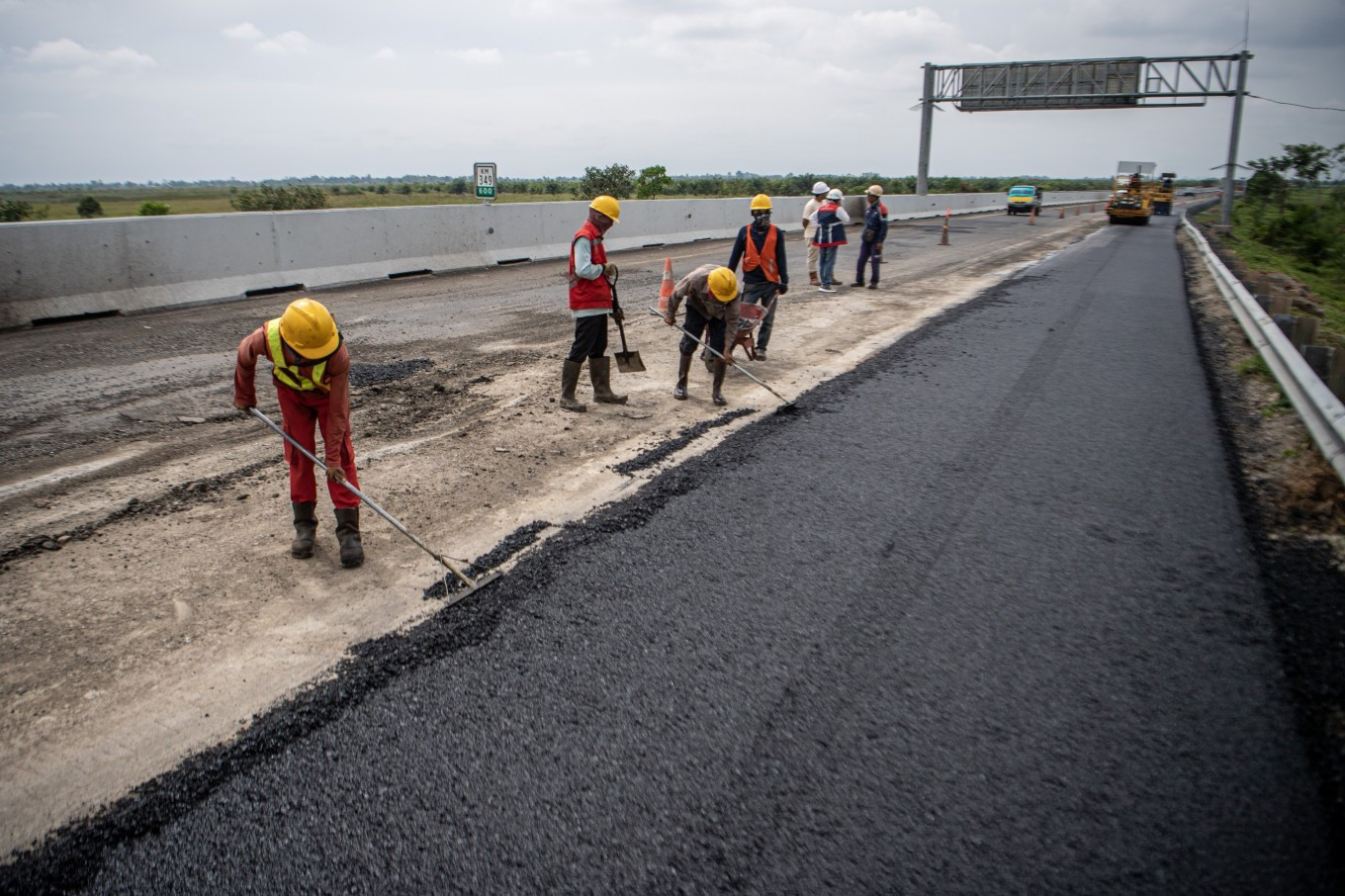
Workers from PT Waskita Sriwijaya, a subsidiary of state-owned construction firm Waskita Karya, use rakes on April 3, 2023, to spread asphalt along a section of the trans-Sumatra toll road in Ogan Komering Ilir regency, South Sumatra. (Antara//Nova Wahyud)
The rupiah’s depreciation has begun to weigh on Indonesia’s infrastructure push, with contractors warning that rising import costs could disrupt progress in several National Strategic Projects (PSN), particularly those heavily reliant on imported materials and equipment.The Indonesian Contractors Association (AKI) said the depreciation of the rupiah against the United States dollar had directly increased construction costs for projects that depend on imported inputs like steel, bitumen and heavy machinery.
"Contractors whose contracts are rupiah-based but whose cost structure is 30-50 percent imports, will experience margin pressure," Djoko told Bisnis on Wednesday.
He pointed to the ongoing construction of the trans-Sumatra toll road as an example of a project vulnerable to exchange-rate volatility, saying the rupiah’s depreciation could hamper cash flow and slow construction progress.