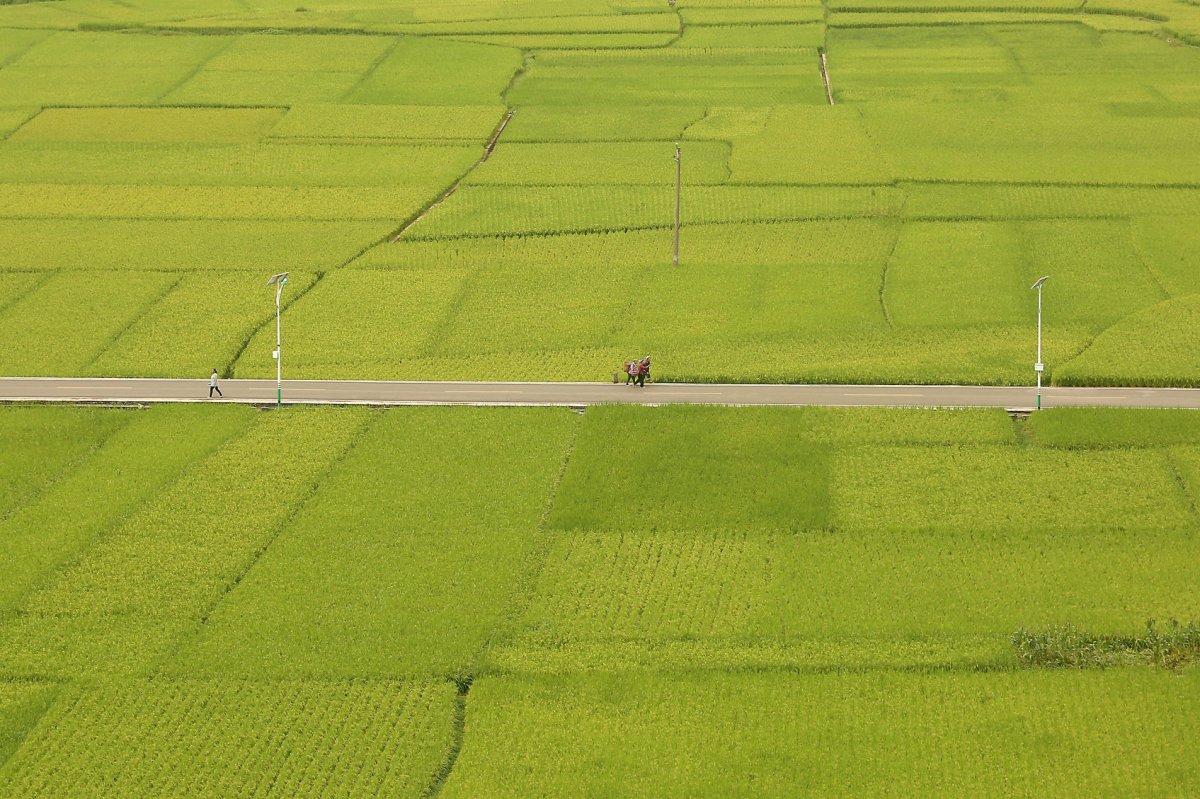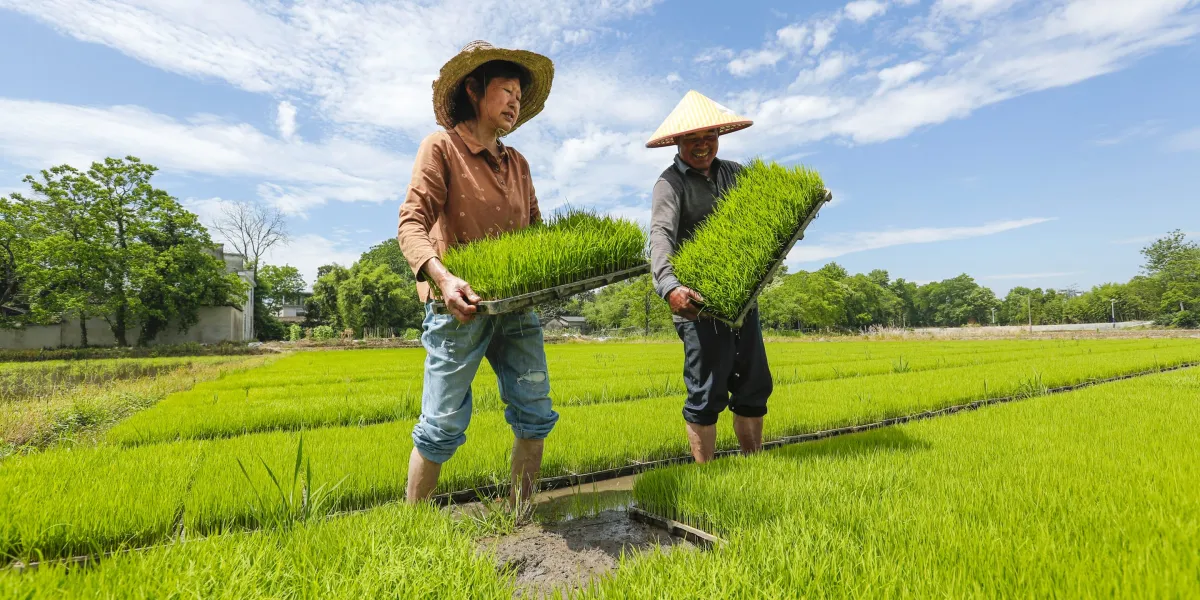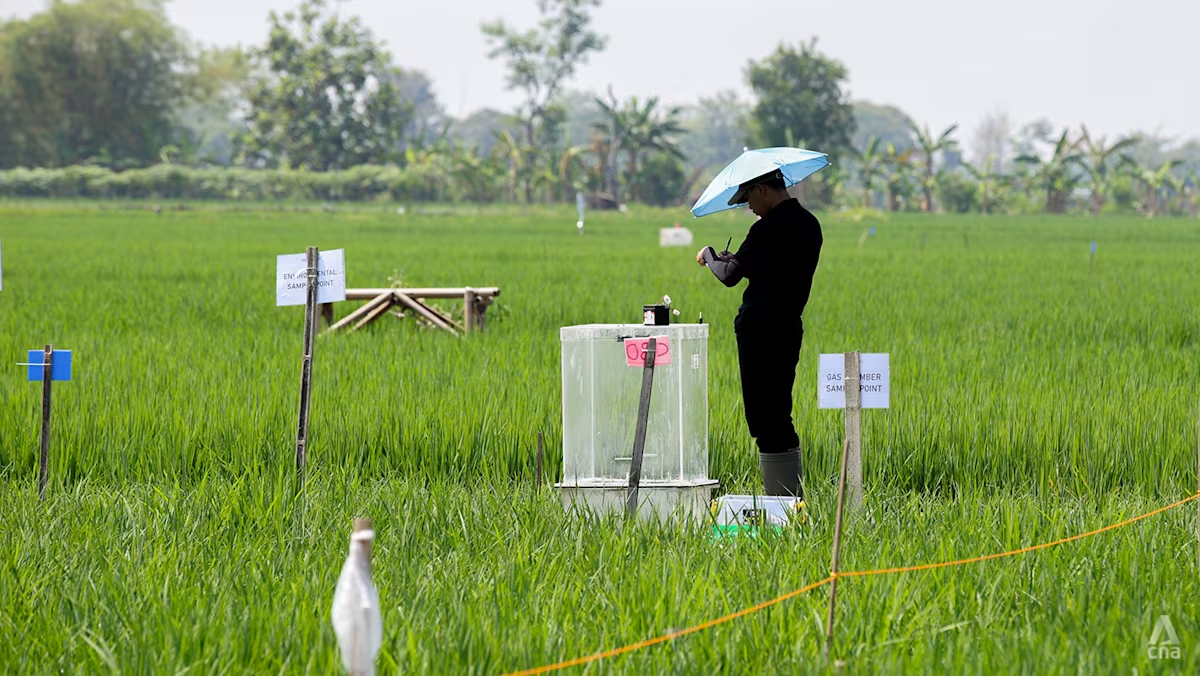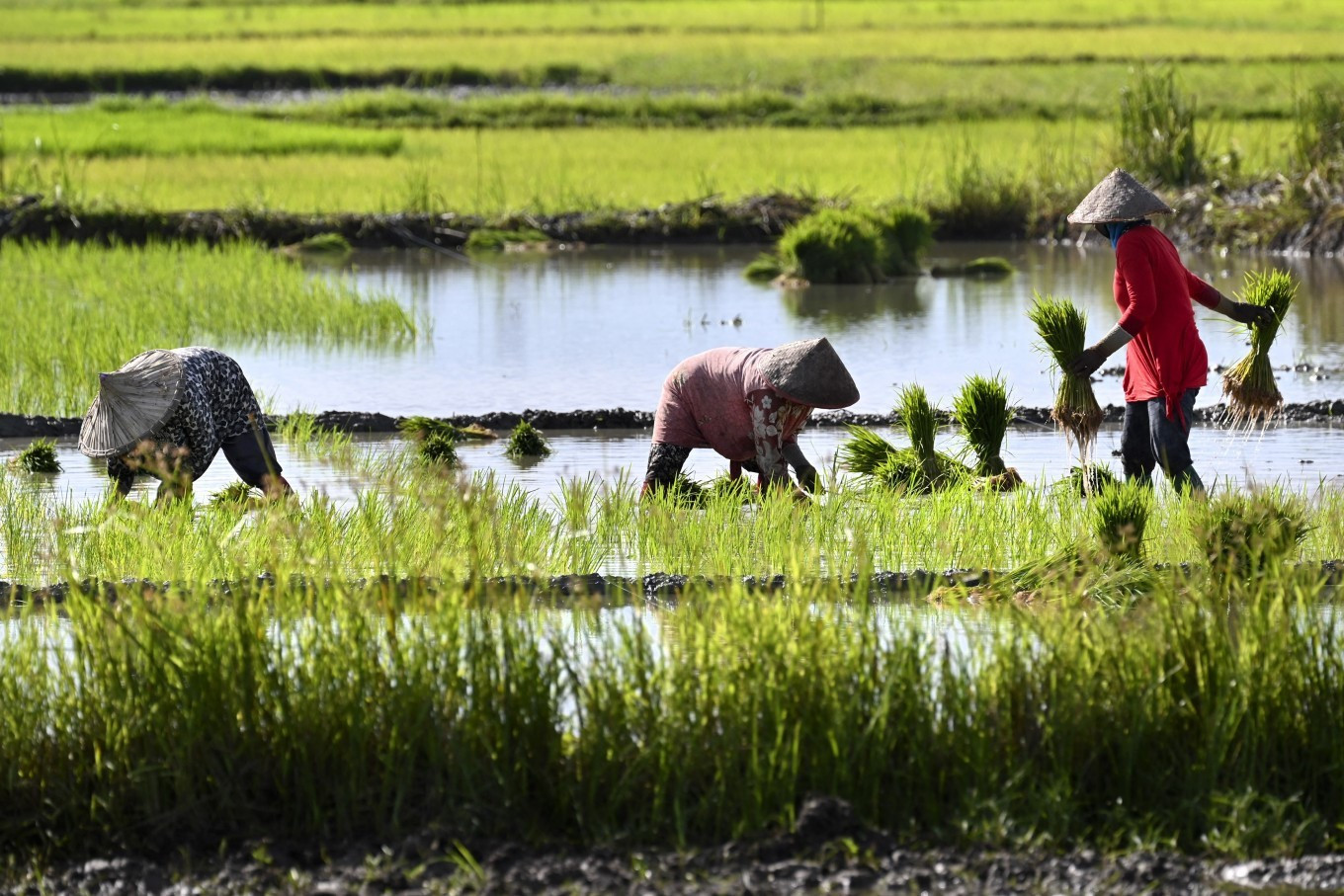
Rice feeds more than half the world. From terraced paddies in Southeast Asia to irrigated fields in China and India, it underpins daily meals for billions of people.But the same flooded soils that help rice thrive also create ideal conditions for microbes that release climate-warming gases.
In a new study, our team of environment and agriculture scientists found that greenhouse gas emissions from rice paddies have nearly doubled globally since the 1960s, averaging about 1.1 billion tonnes of carbon dioxide-equivalent emissions per year in the 2010s. That’s roughly equal to the annual emissions of 239 million cars.
This makes rice-growing the largest emissions source in agriculture outside of livestock, and rice demand is expected to keep rising.
Farmers have ways to reduce their rice crops’ emissions without lowering their yields. If every grower used the best currently available “climate-smart” options, we found that global rice emissions could be reduced by about 10 percent by mid-century. However, greater reductions are needed to slow climate change, which would require developing additional, more effective strategies.
Rice emissions have risen for two reasons: the expansion of rice cultivation area and the intensification of management practices.