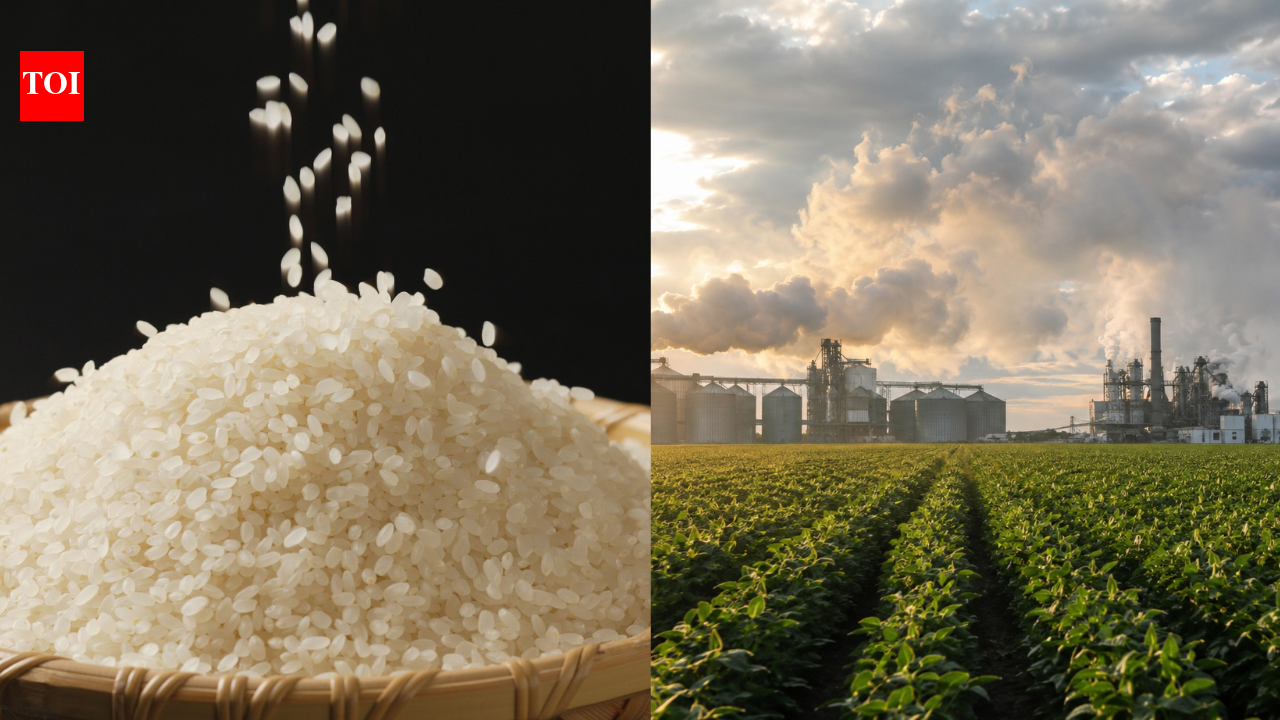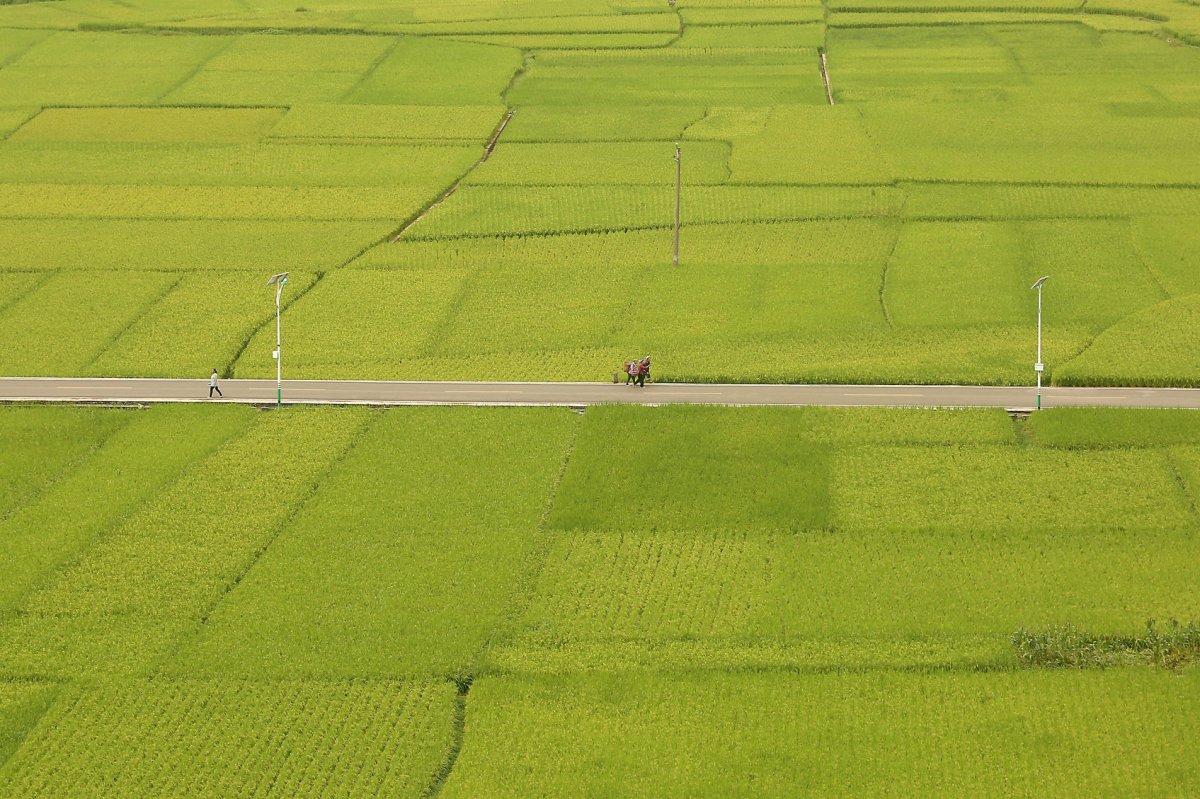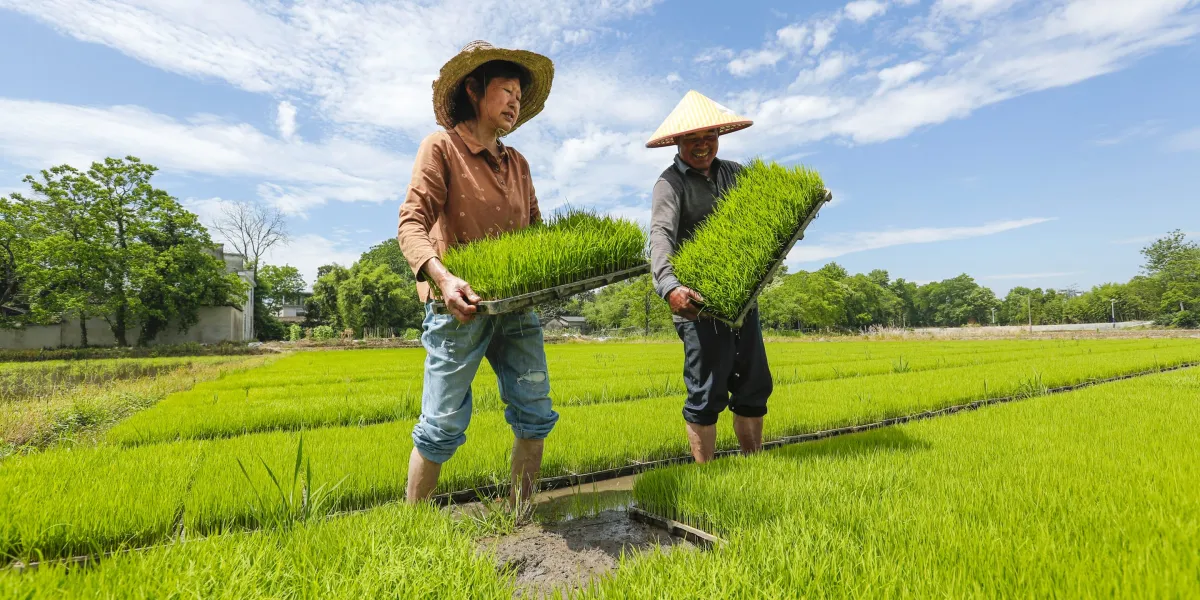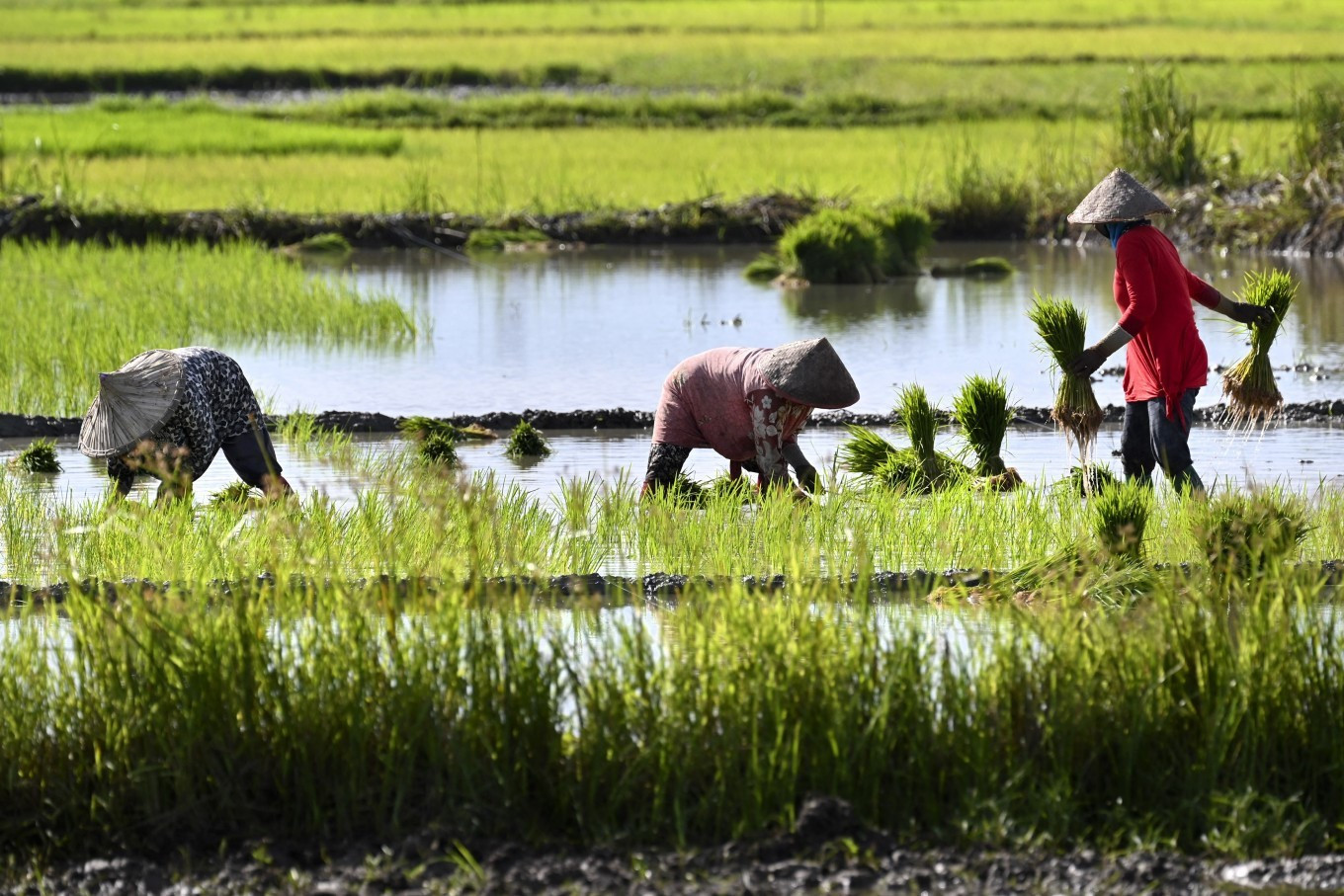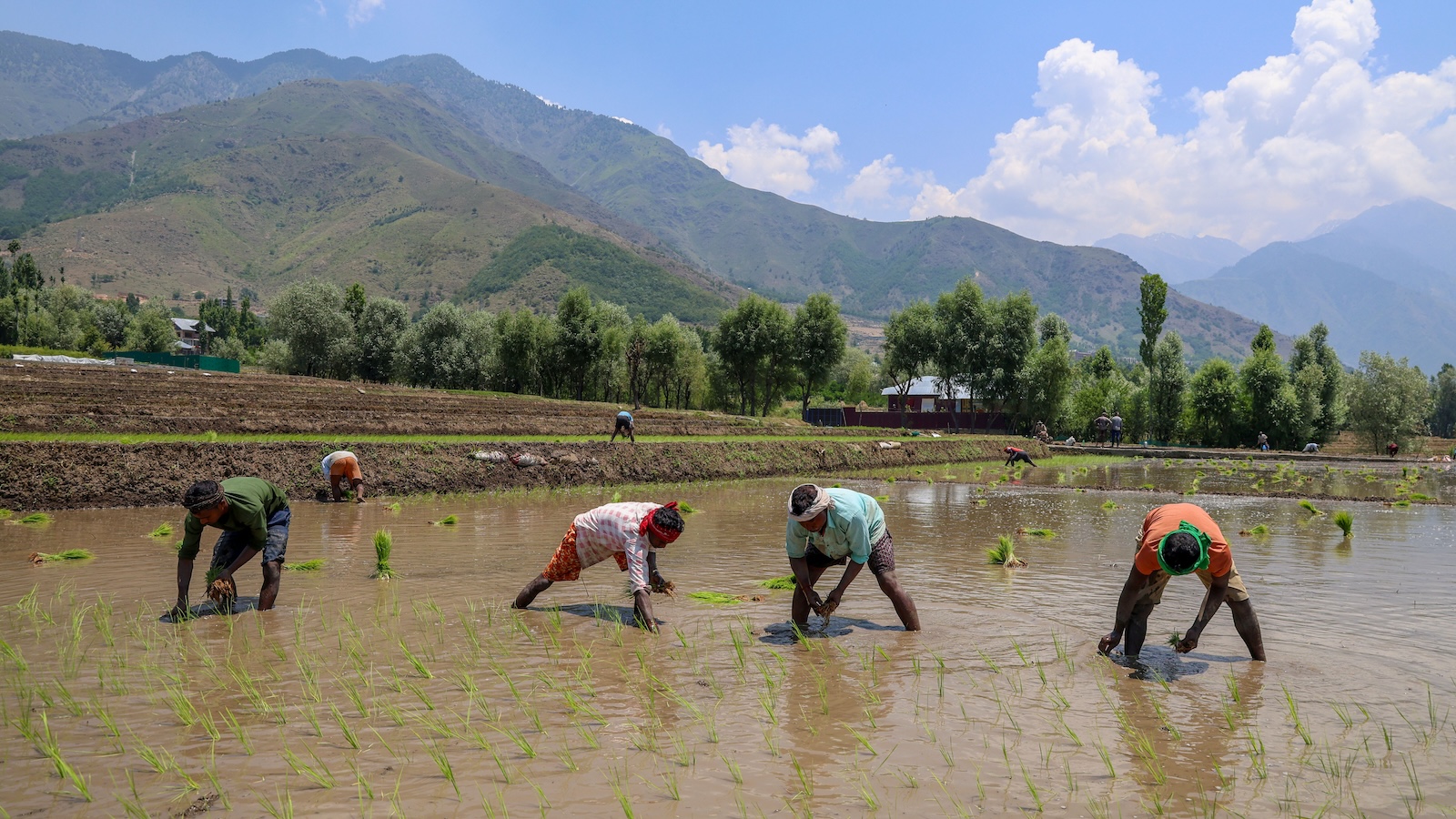
Rice is as American as takeout Tuesday and sushi night. It’s on the shelves of every grocery store, appears in everything from burrito bowls to stir-fries, and feeds more than half the world’s population. But a growing body of research is asking a question most of us have never stopped to ask: Is the way we grow rice quietly breaking the planet?Mahmood, Ghani, and Gheewala tackled that exact question in a 2023 study, ‘Absolute environmental sustainability assessment of rice in Pakistan using a planetary boundary-based approach’ in Sustainable Production and Consumption, using a technique called planetary boundary-based life cycle assessment, or PB-LCA. This framework does something that traditional environmental studies don’t measure, namely, whether the total impact of producing a food actually stays within the safe operating limits of Earth’s natural systems. Mahmood et al. discovered that rice production surpassed the safe operating space for a range of important categories, including climate change, freshwater eutrophication, and water use, thereby contributing to the triple planetary crisis described by scientists.What are planetary boundaries?Imagine that the Earth has a number of linked systems, like the climate, the water cycle, and flows of nutrients that have a natural limit. If you push those limits too far, you risk pushing the planet into conditions that are harder and harder to reverse. Nine such limits have been identified by scientists. Four are especially pertinent to food systems: climate change, freshwater use, land use, and nutrient pollution from nitrogen and phosphorus. PB-LCA follows the whole path of a food; in this case, from flooded paddies to packaged grain, and checks if every step respects these planetary guardrails. According to the Frontiers Planet Prize study, ‘Harnessing Planetary Boundaries in Rice Farming,’ which recognized this research, the approach incorporates Earth’s carrying capacity into the evaluation of farming practices to keep food production within ecologically safe operating spaces.Flooded paddies release methane, a potent greenhouse gas. Image Credits: PexelsWhy rice hits so many limits at onceThe problems are not hard to see if you understand how rice is really grown. Fields are flooded, seedlings planted, fertilizers applied, water levels managed over an entire growing season, and then the crop is harvested, dried, transported, and milled. Each stage requires energy and resources and produces environmental impacts.Methane is one of the world's biggest climate problems. Microbes living in oxygen-poor flooded paddies break down organic matter, releasing methane as a byproduct. According to a 2019 study in Environmental Science & Technology by Runkle et al. , rice cultivation accounts for 11% of global anthropogenic methane emissions. The same study also showed that alternate wetting and drying irrigation practice can save water and reduce methane emissions through the deliberate introduction of periodic aerobic conditions in the soil.Water's another big problem. Rice is one of the thirstiest crops grown on a large scale, and irrigation is a major drain on groundwater, which is a finite resource, and is often powered by diesel pumps that add to fossil fuel emissions. Nitrogen and phosphorus-rich fertilizers also leach into rivers and lakes, causing eutrophication, a runaway algae bloom that chokes aquatic life of oxygen. This impacts both freshwater ecosystems, such as rivers and lakes, and eventually coastal marine environments, which respond differently and require separate management strategies, Mahmood et al. note. Significantly, the study also found that rice cultivation tends to stay within safe planetary limits for land use, one of the few categories where this was the case relative to other impacts.The fix farmers are already usingScientists and farmers have found that practical solutions already exist, and some are surprisingly simple.Growing enough rice for the world puts enormous pressure on land and water. Image Credits: PexelsOne of the most proven techniques is known as AWD or alternate wetting and drying. Instead of flooding the rice paddies all season long, farmers let the fields dry out a bit and then reflooded them. A 2024 global meta-analysis in Agricultural and Forest Meteorology reported that AWD decreased irrigation water use by nearly 34% and methane emissions by about 47% worldwide, with only a slight decrease in yields of about 1.56%, resulting in an overall decrease in global warming potential of nearly 39%.We are seeing results from changes other than AWD. Mahmood and colleagues say that switching from diesel to solar energy to power irrigation pumps can cut carbon emissions dramatically, and applying fertilizers at the right time and in the right amounts cuts the nutrient runoff that causes eutrophication. Faster-growing or higher-yielding rice varieties also mean fewer resources are needed to produce the same amount of food.Why this matters to AmericansYou may grow rice, but you probably eat it. The US imports rice from all over Asia and Latin America, and American consumers have real purchasing power. Ways to participate in the shift include supporting sustainably grown rice, paying attention to country-of-origin labelling, and advocating for agricultural research funding.The UN’s 2024 population projections expect the world’s population to reach approximately 9.6 billion by 2050, meaning farmers will have to produce far more food than they do today on an already overburdened planet. Rice has sustained humanity for millennia. The question isn’t whether we can keep growing it; it’s whether we can keep growing it without quietly dismantling the systems that make growing anything possible. According to science, we have the tools. What comes next is actually using them.
Rice feeds more than half the world, but scientists say current farming is crossing Earth’s safe limits for climate, water, and nutrients, and that makes every bowl part of a bigger planetary balancing act
Rice feeds over half the world's population, but farming practices are crossing critical environmental limits. Discover how current rice production methods impact climate, water, and ecosystems, and explore sustainable solutions to keep rice viable for the future.
887 words~4 min read