view more
EMBARGO 7pm Sydney | 10am London | 5am NYC | Friday 22 May 2026
Long-distance migration along Peru’s Pacific coast began at least 800 years ago, centuries before the rise of the Inca Empire and much earlier than previously thought, a new international study reveals.
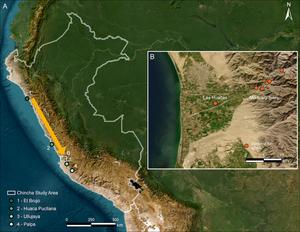
By analysing ancient DNA (aDNA) alongside archaeological and historical data, the study provides some of the strongest evidence to date of population movement along the Pacific coast prior to Inca rule (AD 1400 to 1532), demonstrating that pre-Inca coastal communities were far more mobile and connected at local and interregional scales than historically believed.
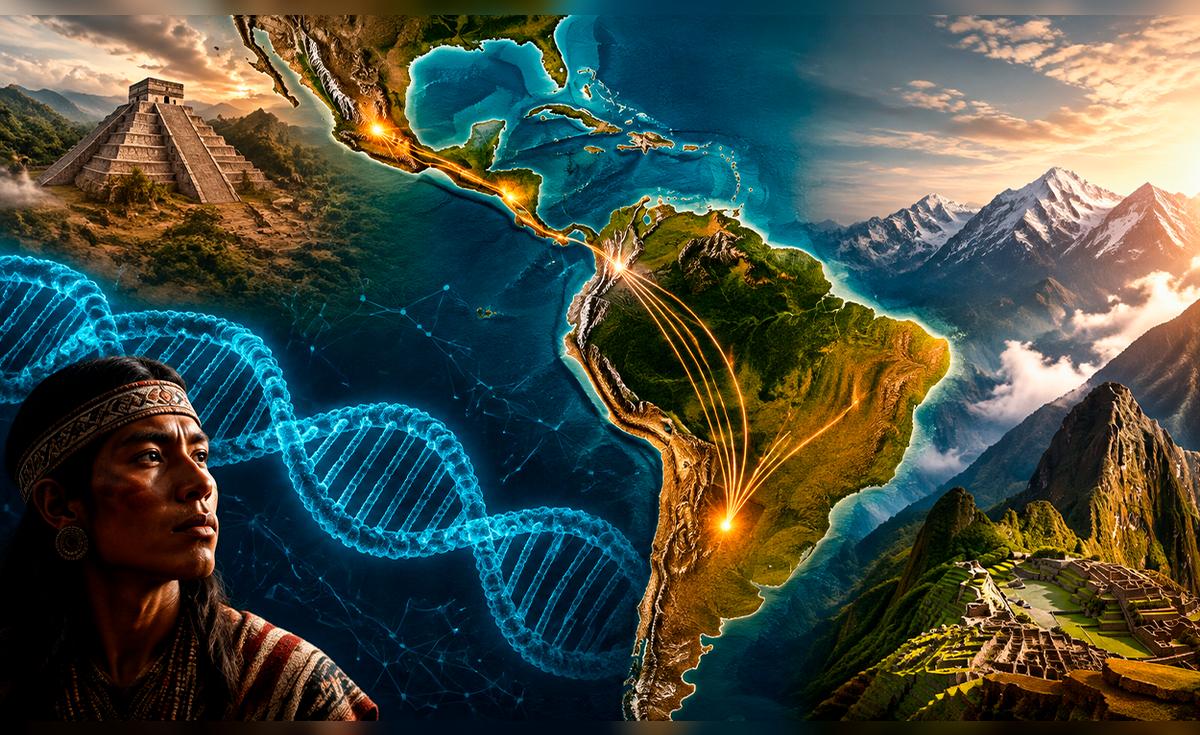
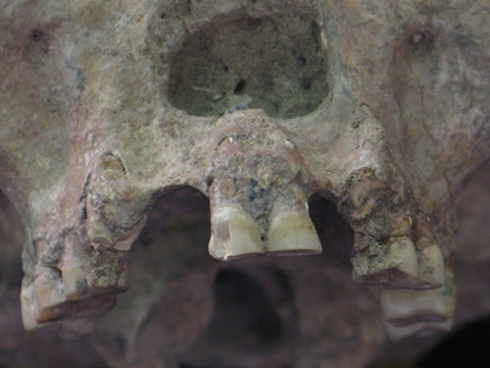
Published in Nature Communications, it suggests people travelled more than 700 kilometres from Peru’s north coast to the Chincha Valley in the south. Here, they settled and intermarried with neighbouring populations, while maintaining distinctive cultural traditions – such as cranial modification and painting the dead with red pigment – for generations. The study also identified a single grave containing relatives who engaged in endogamy, or close-kin procreation.