Experts find artefacts left behind in Caral showing how population survived drought without resorting to violence
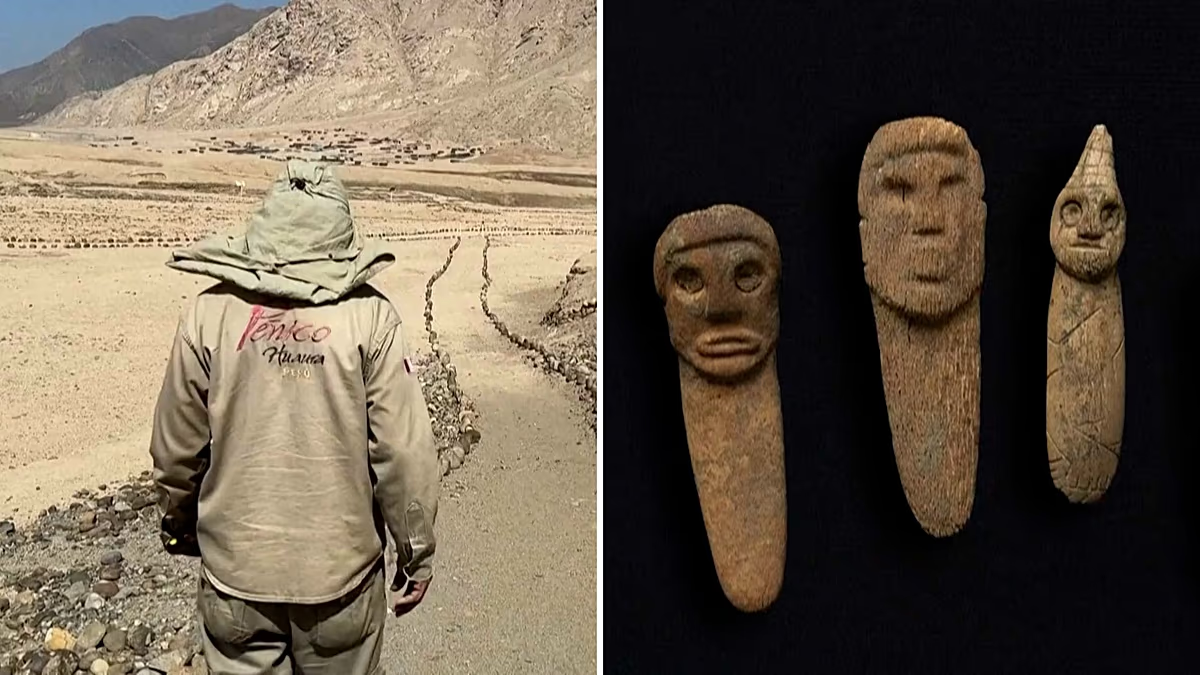
Archaeologists in Peru have found new evidence showing how the oldest known civilization in the Americas adapted and survived a climate catastrophe without resorting to violence.
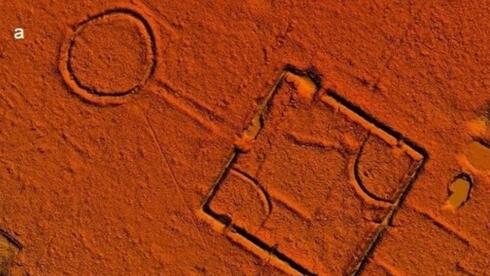
A team led by the renowned Peruvian archaeologist Ruth Shady, 78, concluded that about 4,200 years ago, severe drought forced the population to leave the ancient city of Caral, and resettle nearby.
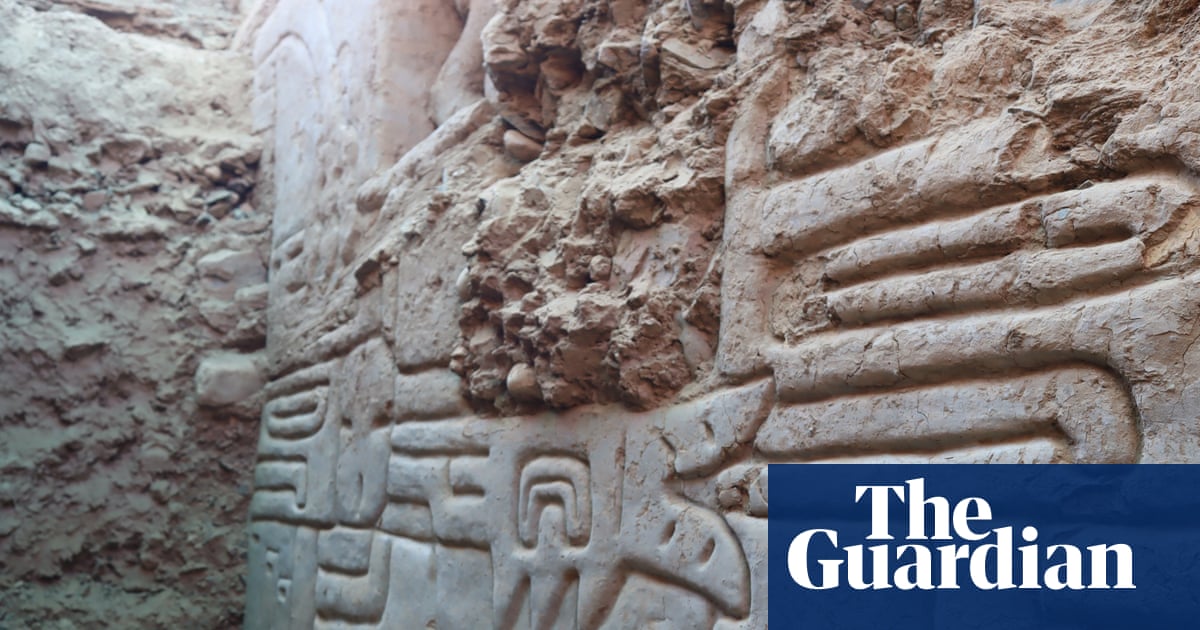
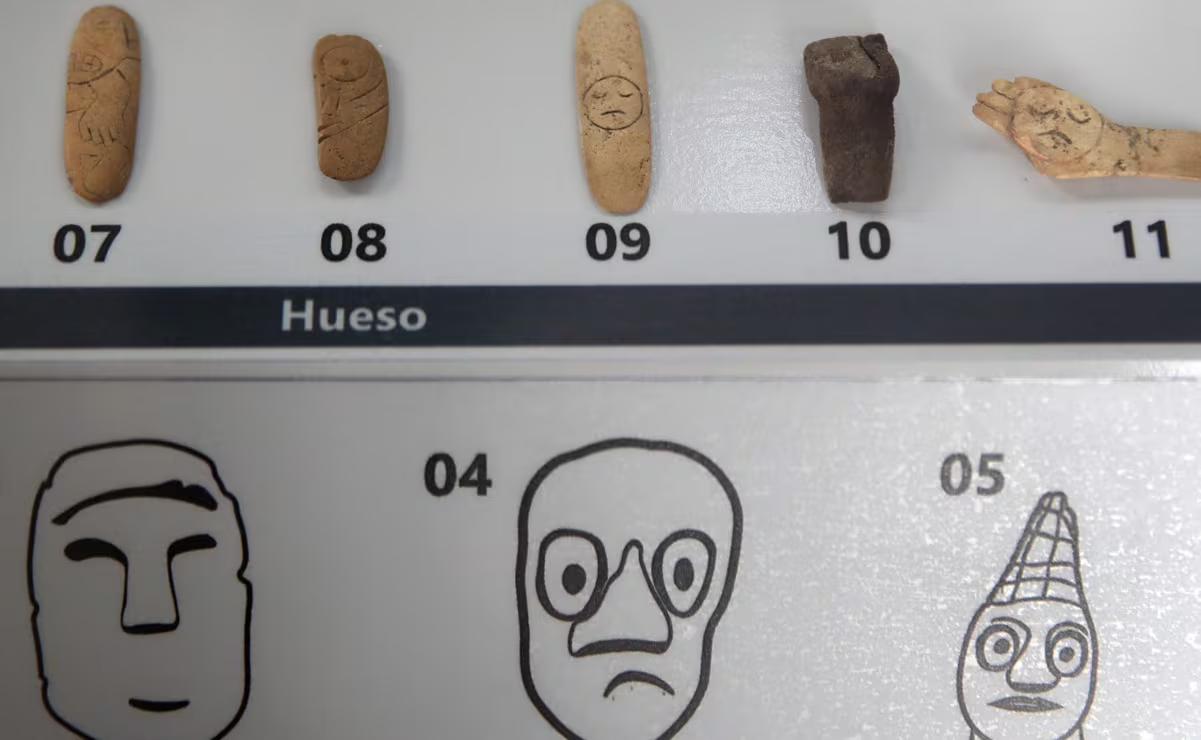
In the new settlements, they left intriguing friezes depicting victims of a famine with messages for future generations, Shady said.
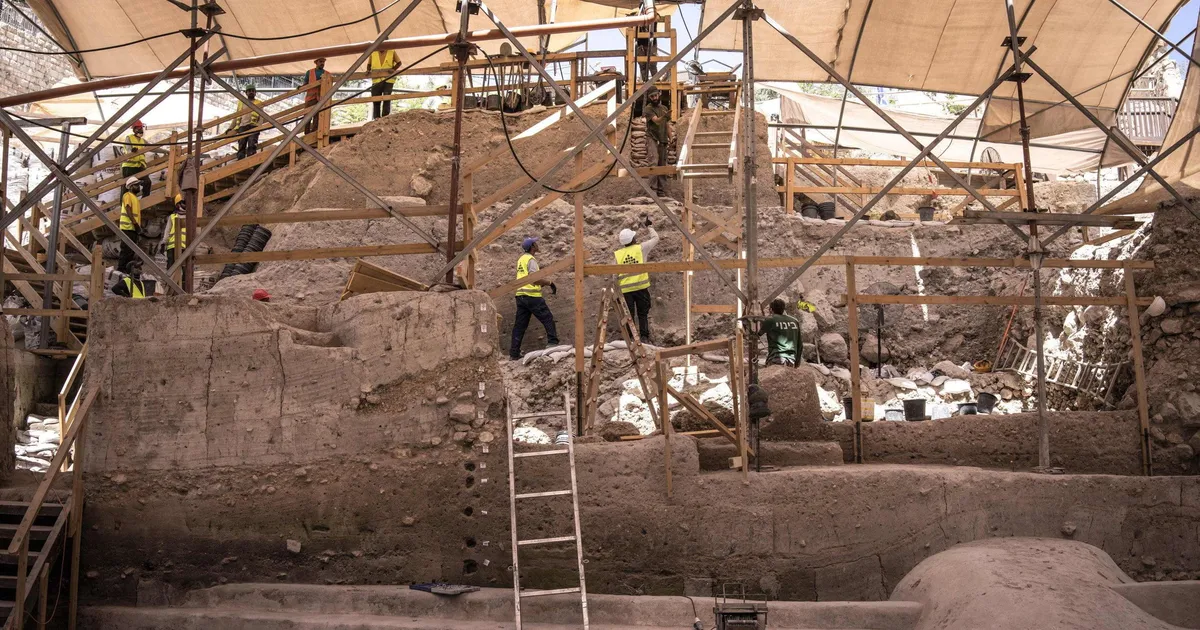
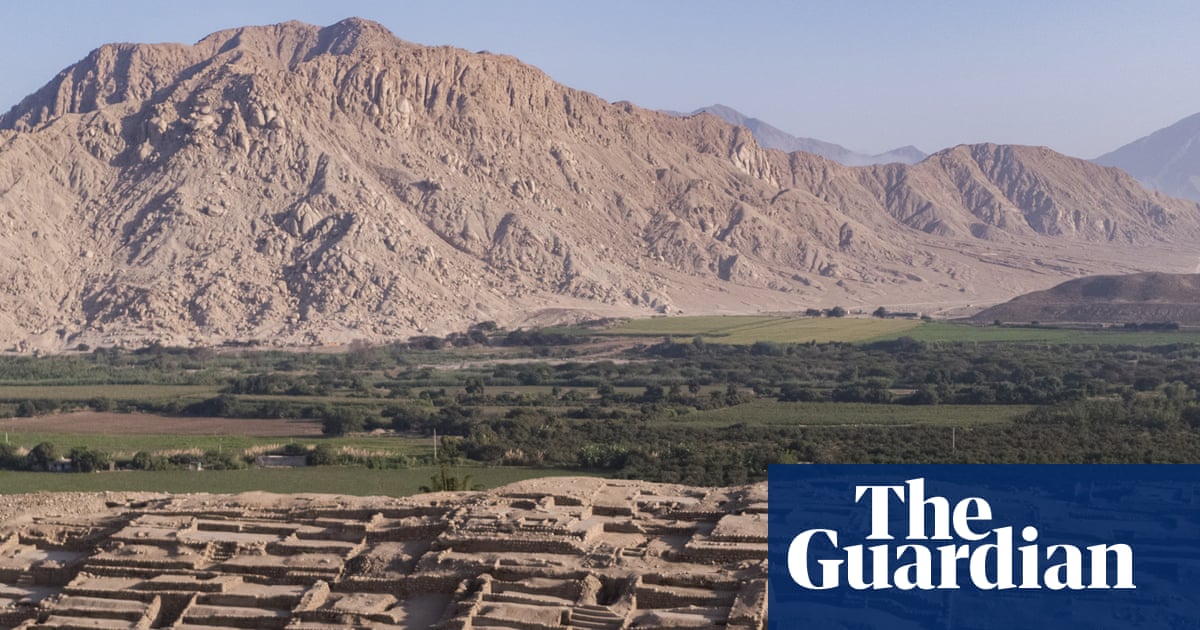
“They left behind all this evidence so that people would not forget that the climate change was very severe, causing a crisis in Caral’s society and its civilization, and they did not want people to forget what caused it,” she said at one of sites where she was examining a temple pyramid.