A new UCLA-led study reveals how graphene oxide, a carbon-based nanomaterial, can be incorporated into cementitious mixtures to produce higher-performance concrete. The researchers found that effectiveness depends more on how evenly graphene oxide is distributed rather than how much is added. The findings point to practical pathways for producing durable concrete while using less cement, potentially reducing carbon dioxide emissions associated with cement manufacturing.
Published in ACS Applied Engineering Materials, a journal of the American Chemical Society, the study shows that ultrasonic treatment improves graphene oxide dispersion and enables early strength gains at lower dosages. Carefully controlled use of polymer surfactants, long-chain molecules that regulate particle interactions, enhances long-term strength by refining pore structures and limiting microcracks.
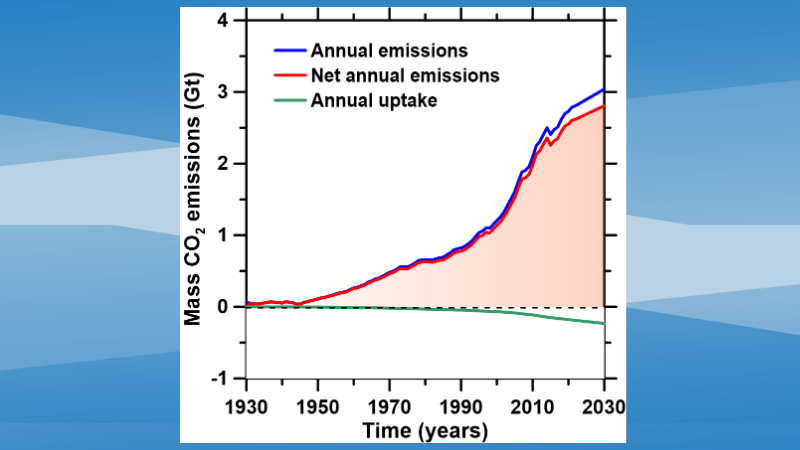
Concrete is the world’s most widely used building material. Cement, the binding ingredient in concrete, accounts for about 8% of global carbon dioxide emissions. Enhancing the efficiency of cement use is therefore essential, as it would reduce the amount needed to build infrastructure — including buildings, roads and bridges — and help lower overall emissions. Graphene-enhanced concrete could last longer and require fewer repairs because stronger concrete cracks less easily and better resists water intrusion and corrosion, which in turn can increase its service life.