Scientists in Sweden experimentally evaluated a Stirling engine–based Carnot battery (SECB) prototype using low-cost sand as thermal energy storage, aiming to validate electricity-to-heat-to-electricity storage concepts. Tests showed that higher engine temperatures improved output and duration, but round-trip efficiency remained low, mainly due to thermal losses and limited heat transfer in the sand bed.
May 21, 2026
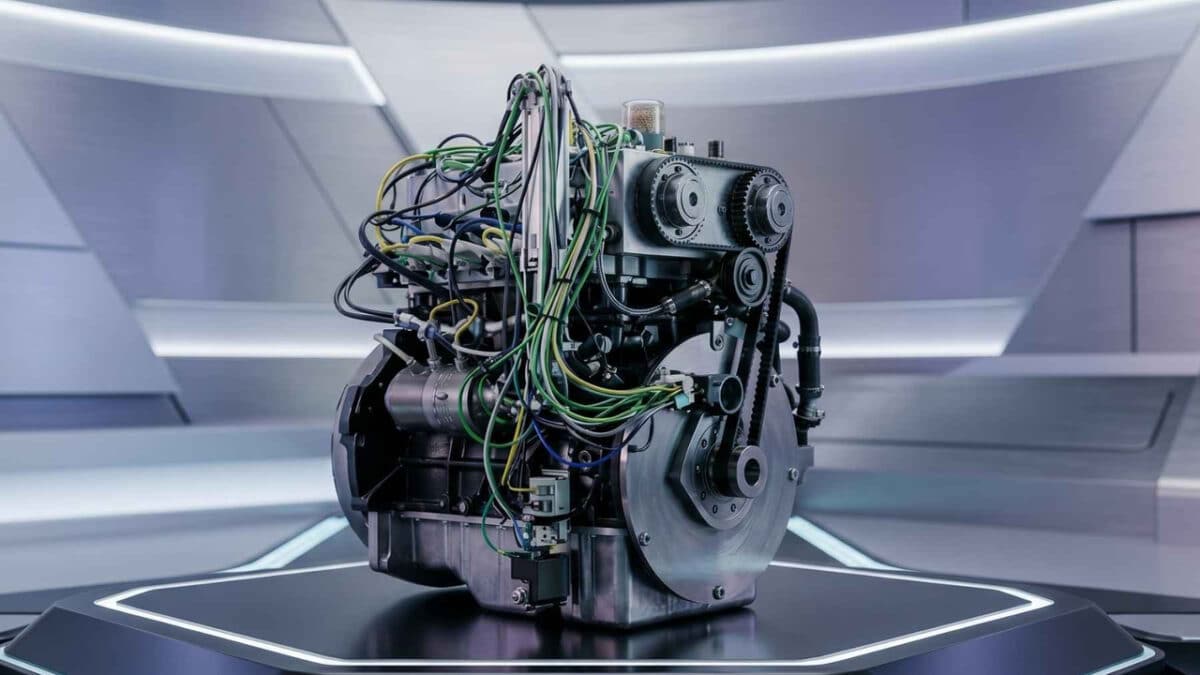
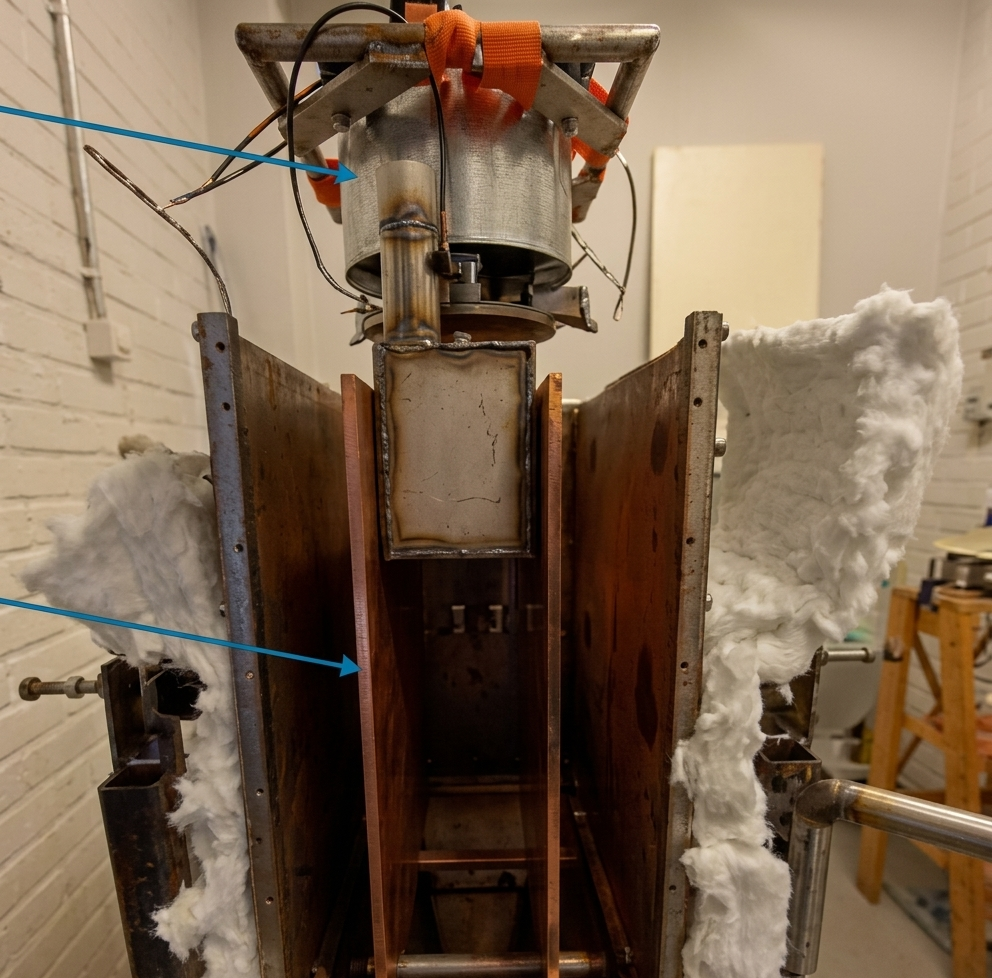
Researchers from Finland's Aalto University have conducted experimental and numerical evaluations of a Stirling engine-based Carnot battery (SECB) prototype that uses sand as the thermal energy storage (TES) material. SECB is a system that uses a Carnot battery to store electricity as heat, then uses a Stirling engine to convert the stored heat back into electricity.
A Stirling engine is a closed-cycle regenerative heat engine with a permanent gaseous working fluid such as gas or air. It generates mechanical motion from the heat-driven compression and expansion of the fluid – using a heat transfer fluid to meet demand.
“Theoretical and numerical studies predict high efficiencies but lack experimental validation, while experimental Stirling-based Carnot batteries rely almost exclusively on costly metal-based phase change material (PCMs),” said the researchers. “Although sand has been identified as a promising alternative thermal storage medium, its performance within a complete, integrated Carnot battery system has not yet been experimentally demonstrated.”