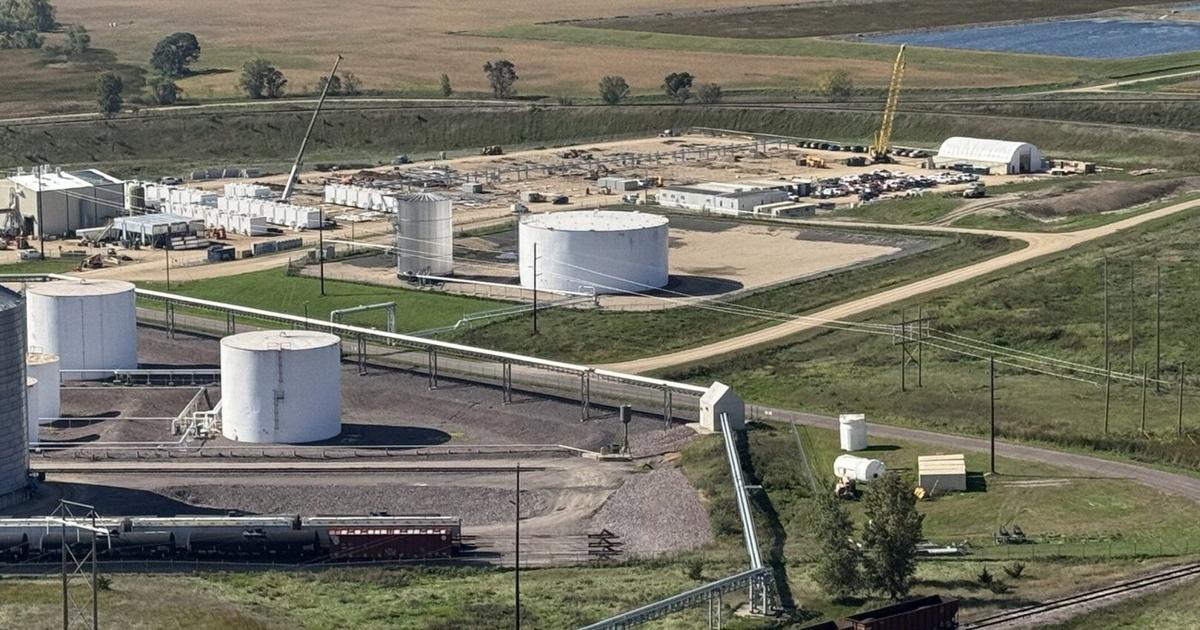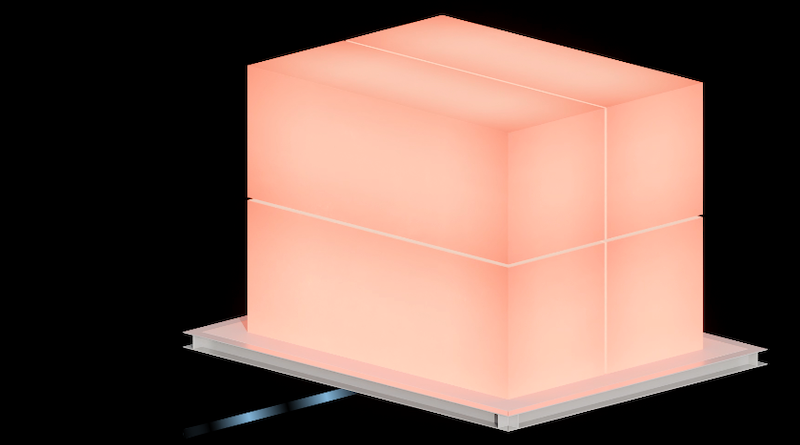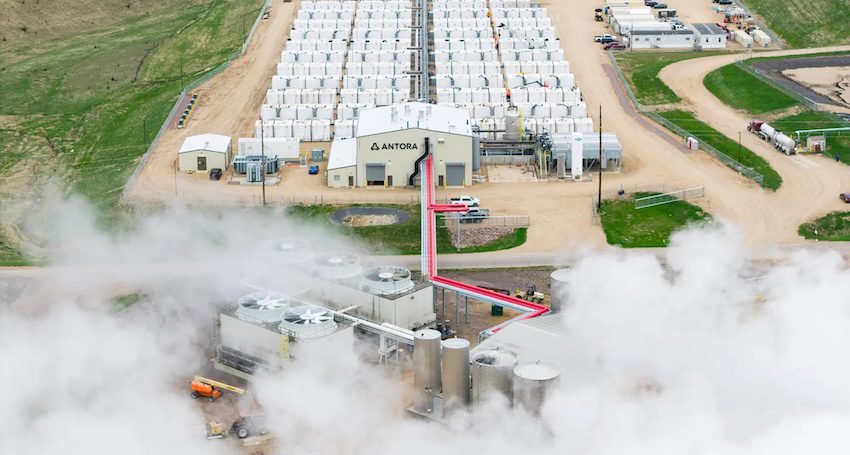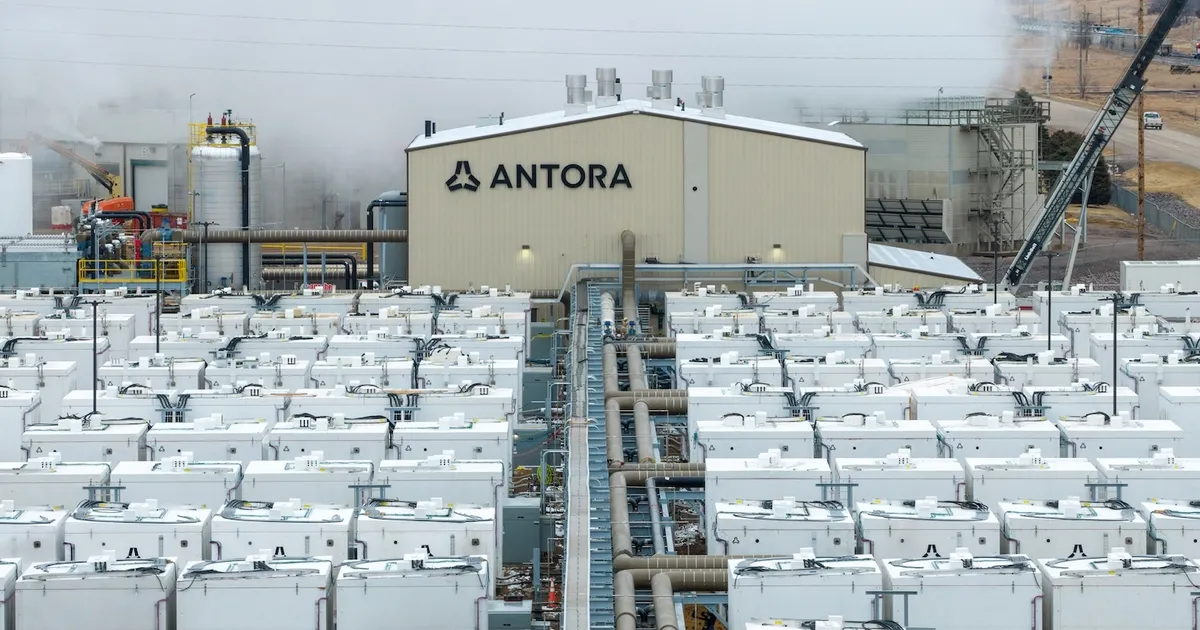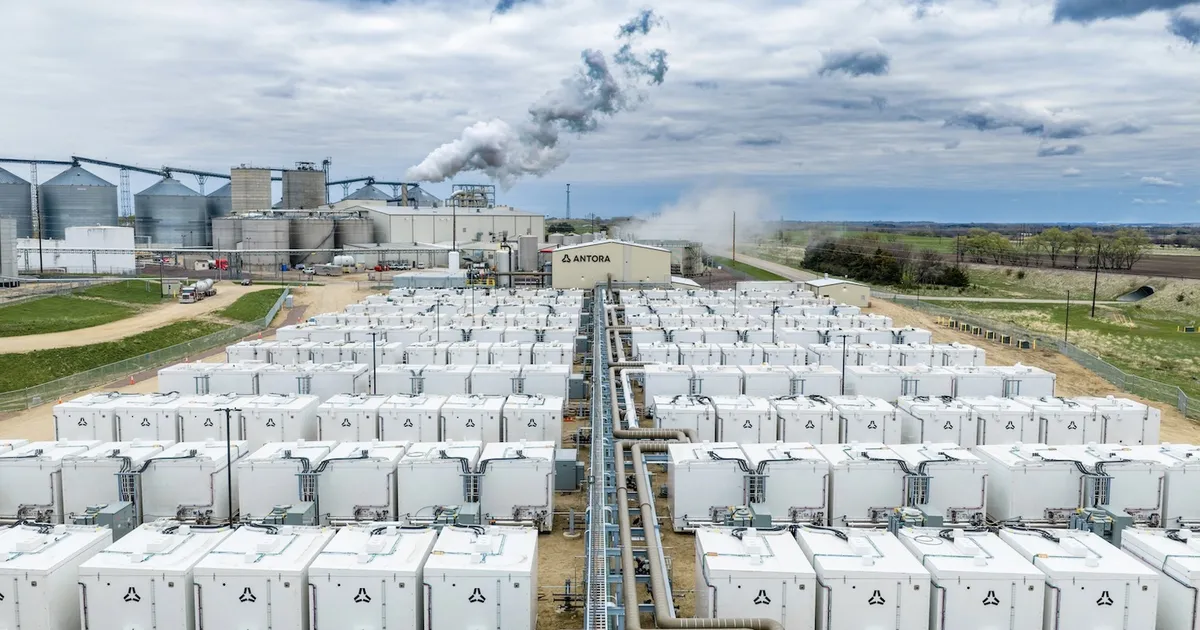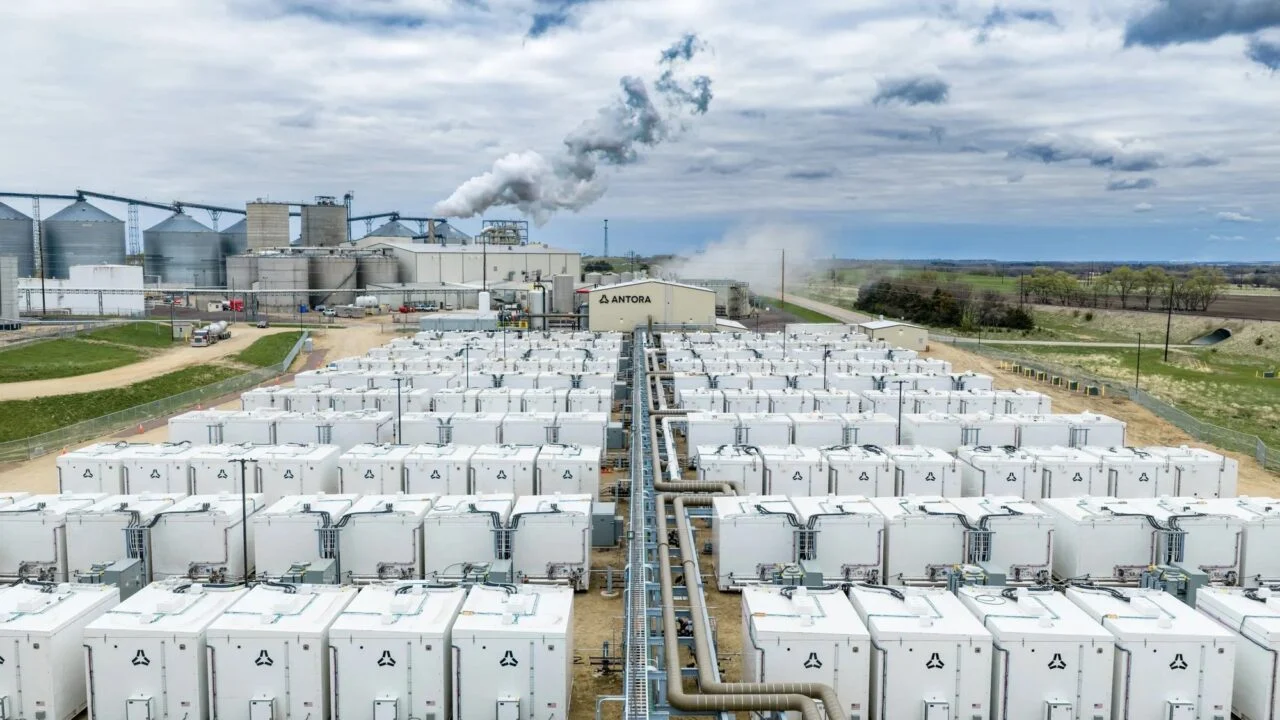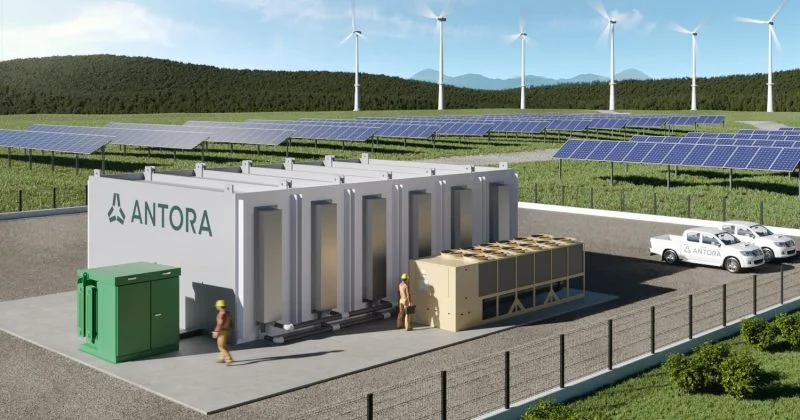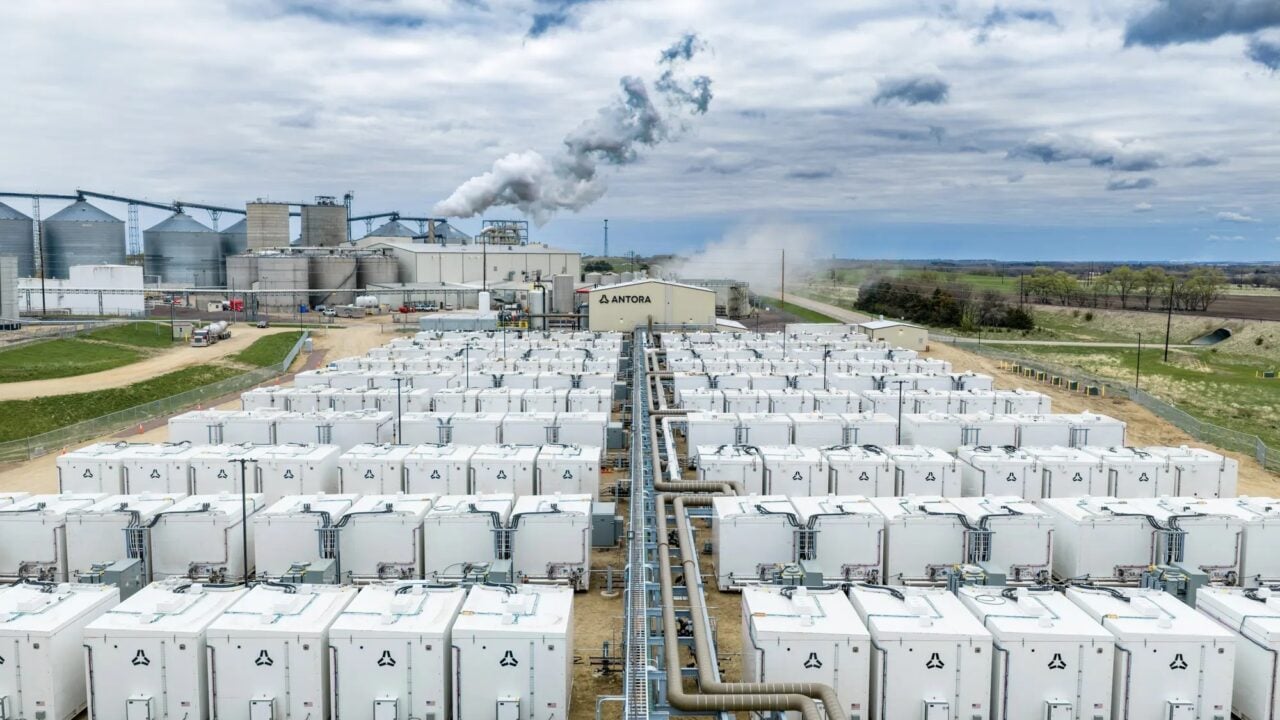
Charging occurs when electricity is used to resistively heat the carbon blocks, with their high thermal conductivity enabling fast charging. The blocks then store energy at temperatures up to 2,400°C, high enough to enable the thermal battery to serve continuous industrial demand for multiple days.
In addition, Antora has developed thermophotovoltaic (TPV) heat-to-power technology that converts light from the hot carbon blocks into electricity.
Thermal energy storage can help reduce the significant share of global greenhouse gas (GHG) emissions from industrial heating and cooling processes. Storing energy also allows for factories and processing plants to either buy electricity when it is cheap to charge their TES asset, or charge directly from onsite solar PV or other renewable sources, reducing costs.
However, the high temperatures required for many industrial processes make them difficult to abate emissions from, as this requires a lot more energy and an effective storage medium. Antora has claimed that its technology operates at high enough temperatures to meet the requirements of ‘hard-to-abate’ industries such as steel and cement production.
‘Critical investment in affordable, reliable energy’