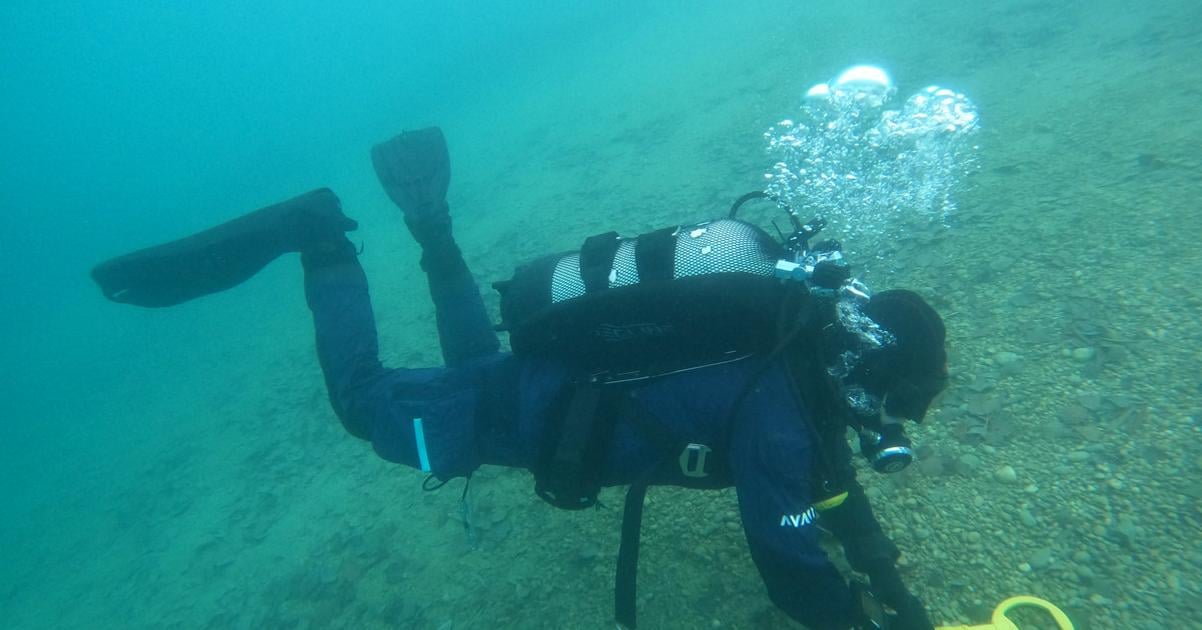
Underwater researchers are revealing how Slovakia’s rivers preserve history.
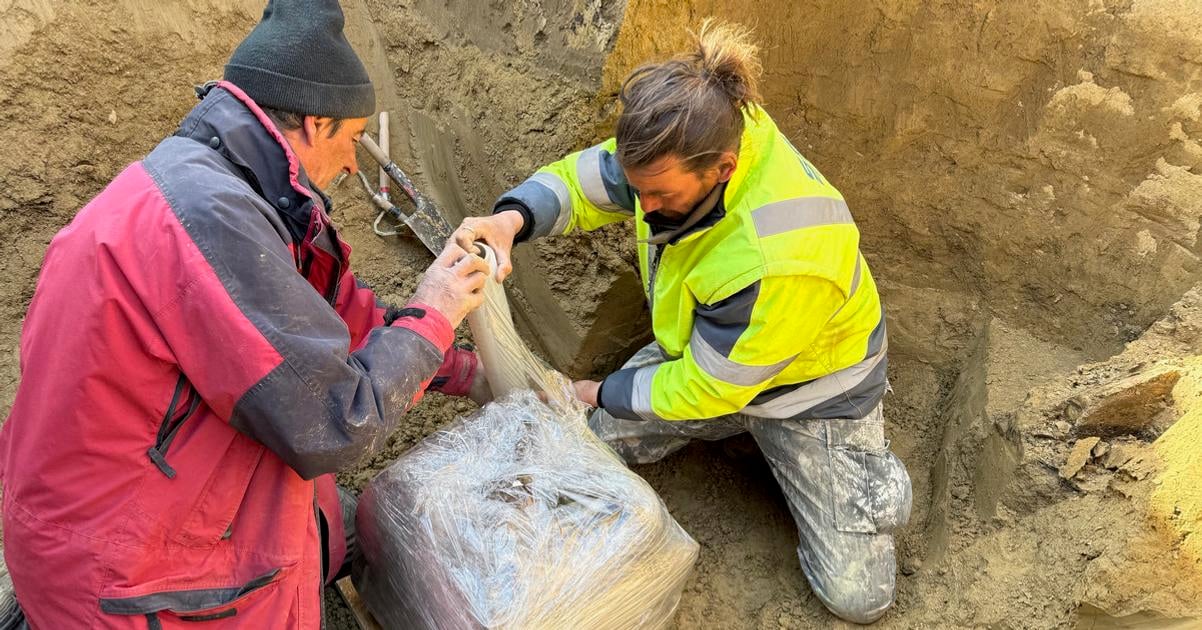
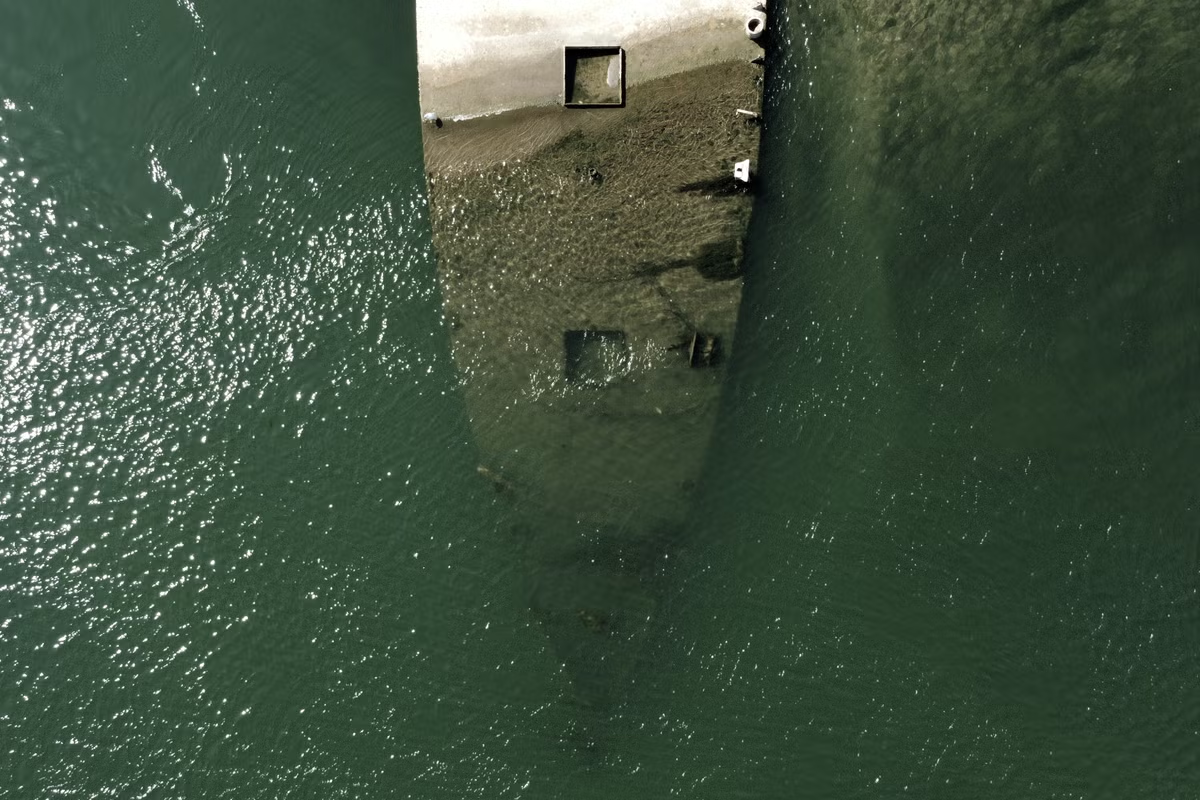
The first clue that the Danube near the village of Iža in southern Slovakia might be hiding something extraordinary came in 2021. During an extensive sonar survey, archaeologists detected what appeared to be the wooden pillars of an ancient bridge dating back to around the 4th century AD.
More than 1,700 years ago, the border between the Roman Empire and the so-called “Barbaricum”, or barbarian world ran through this stretch of the river. The Romans established a forward military camp on what is today Slovak territory to monitor hostile tribes beyond the empire’s frontier. The outpost stood near the legionary camp of Brigetio in present-day Hungary.
It was there that Roman emperor Valentinian I met representatives of the Germanic Quadi tribe for peace talks in late 375 AD. According to historical accounts, the negotiations went badly. Valentinian became so enraged that he suffered a fatal stroke during the meeting. Following his death, the Romans appear to have abandoned several strategic frontier positions, possibly including the camp at Iža. Why they withdrew remains one of many questions researchers from the Slovak Academy of Sciences (SAV) and Trnava University are trying to answer.