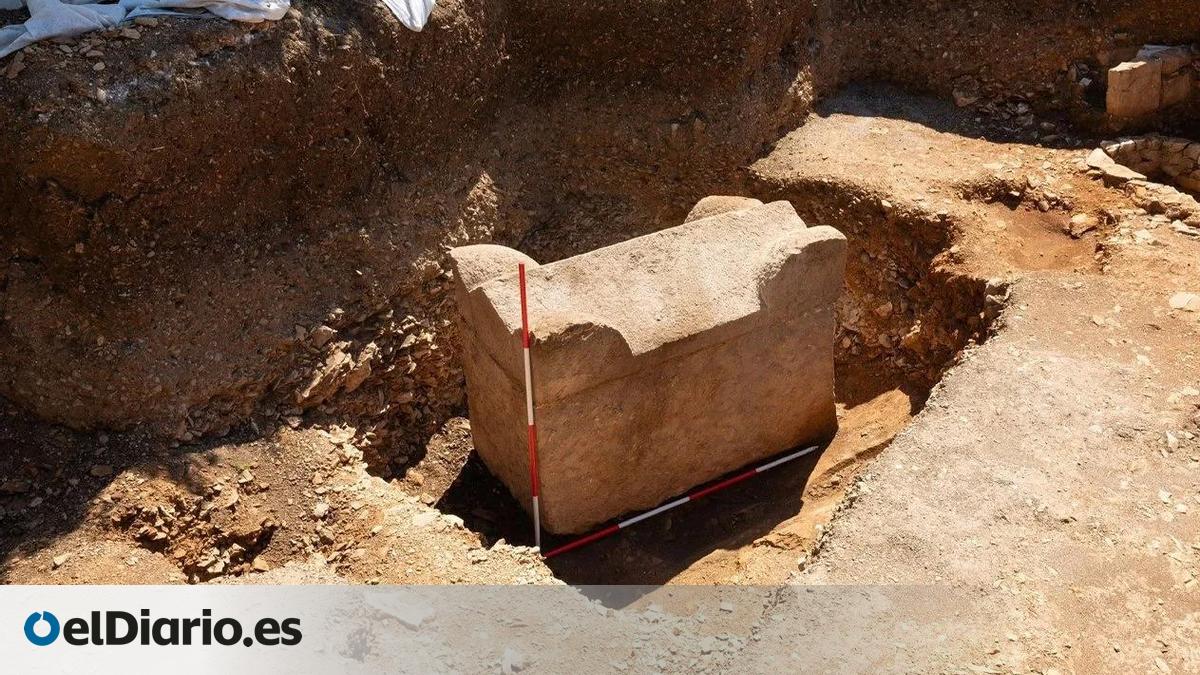
BUDAPEST: A remarkably well-preserved Roman sarcophagus has been unearthed in Hungary’s capital, offering a rare window into the life of the young woman inside and the world she inhabited around 1,700 years ago.
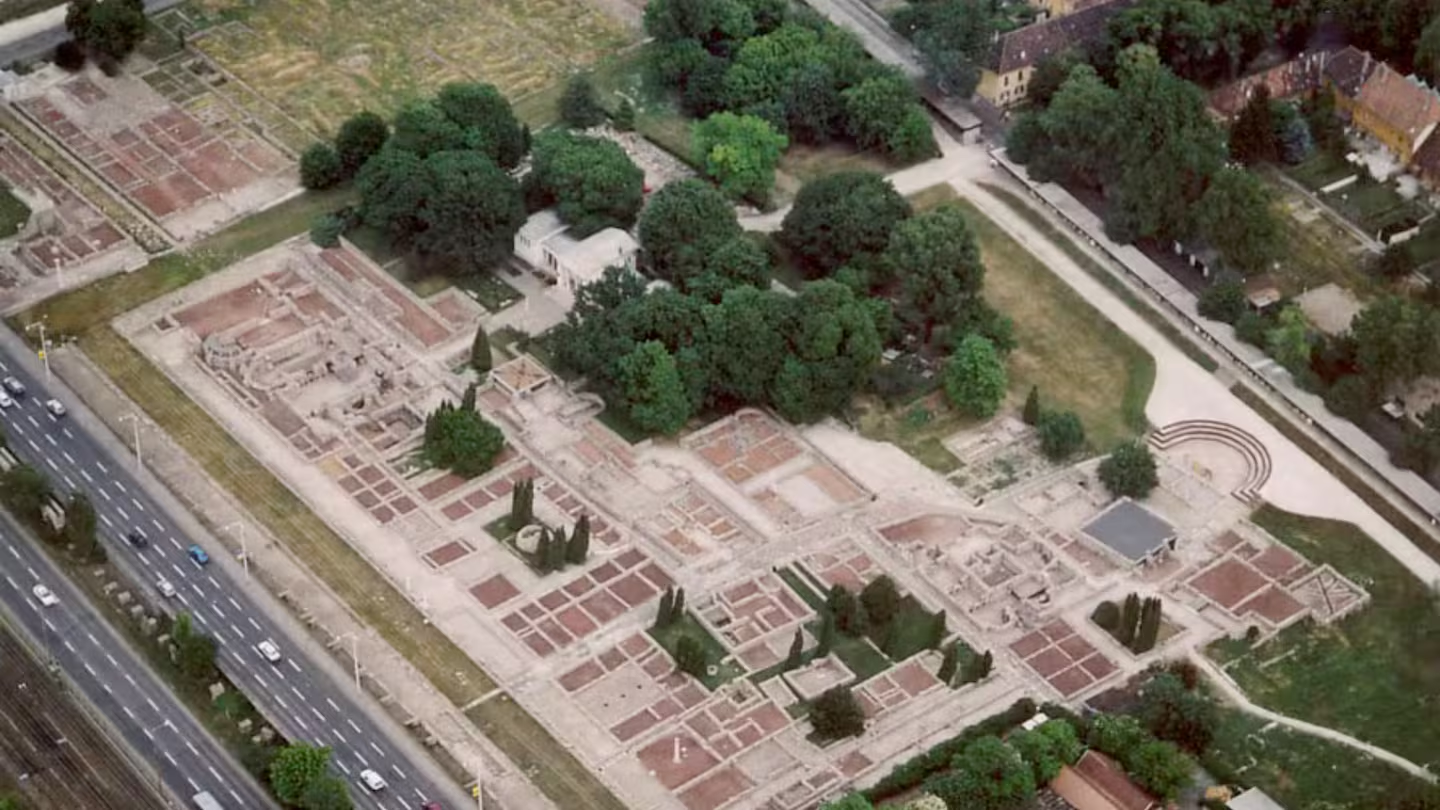
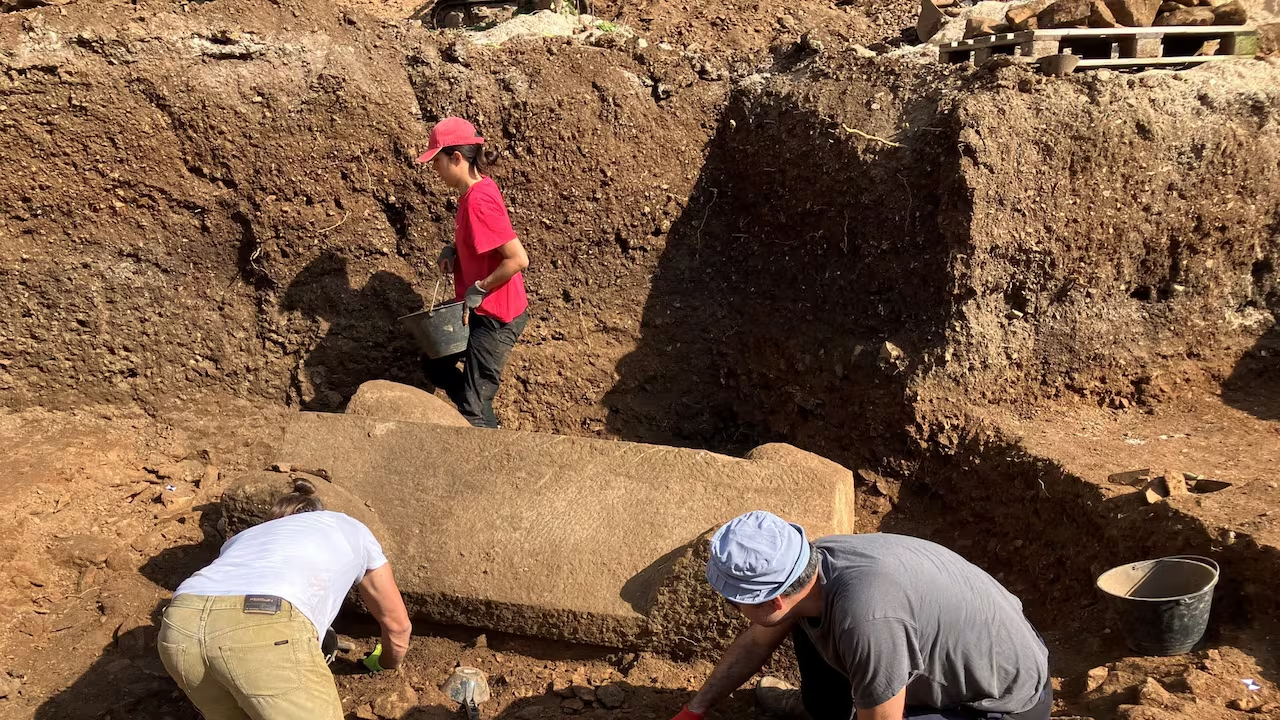
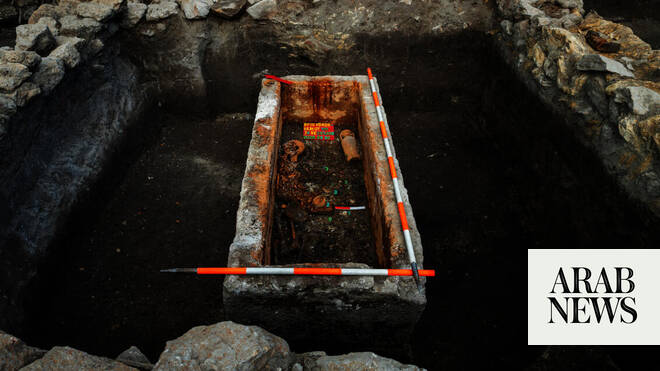
Archaeologists with the Budapest History Museum discovered the limestone coffin during a large-scale excavation in Obuda, a northern district of the city that once formed part of Aquincum, a bustling Roman settlement on the Danube frontier.
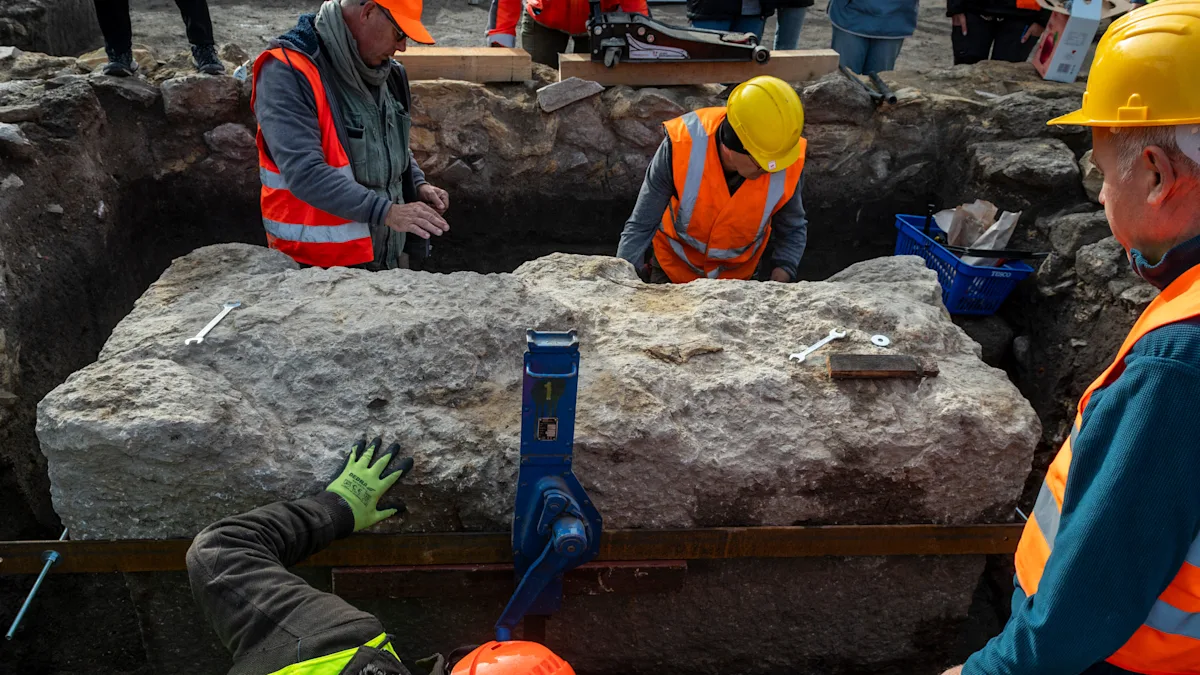
Untouched by looters and sealed for centuries, the sarcophagus was found with its stone lid still fixed in place, secured by metal clamps and molten lead. When researchers carefully lifted the lid, they uncovered a complete skeleton surrounded by dozens of artifacts.
“The peculiarity of the finding is that it was a hermetically sealed sarcophagus. It was not disturbed previously, so it was intact,” said Gabriella Fenyes, the excavation’s lead archaeologist.
The coffin lay among the ruins of abandoned houses in a quarter of Aquincum vacated in the 3rd century and later repurposed as a burial ground. Nearby, researchers uncovered a Roman aqueduct and eight simpler graves, but none approaching the richness or pristine condition of the sealed tomb.