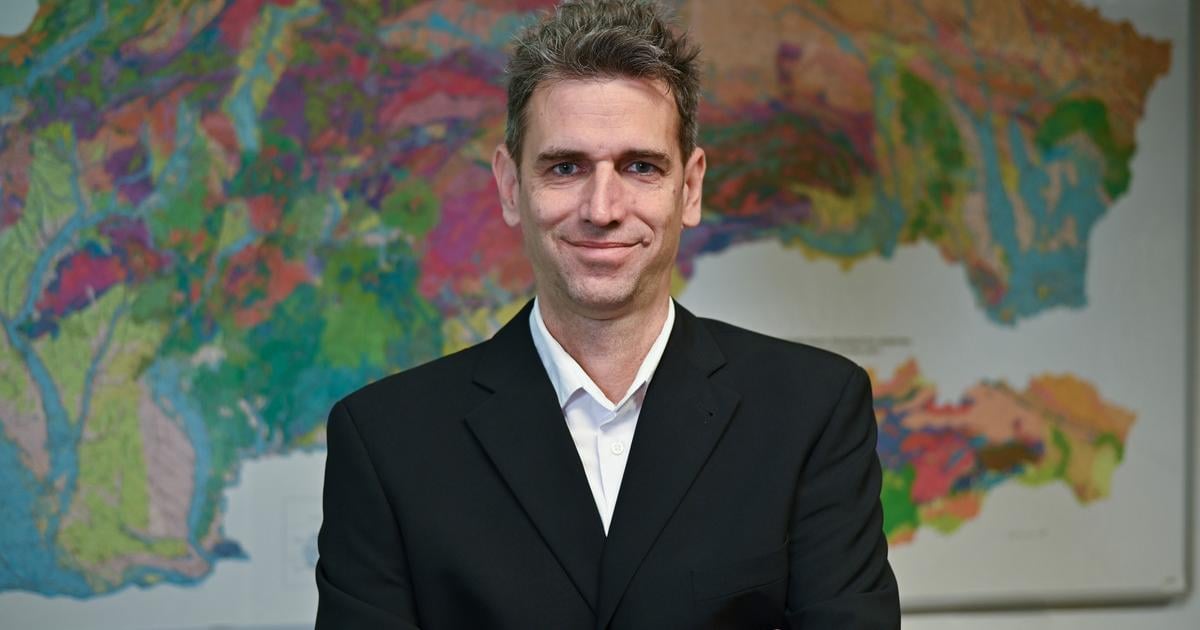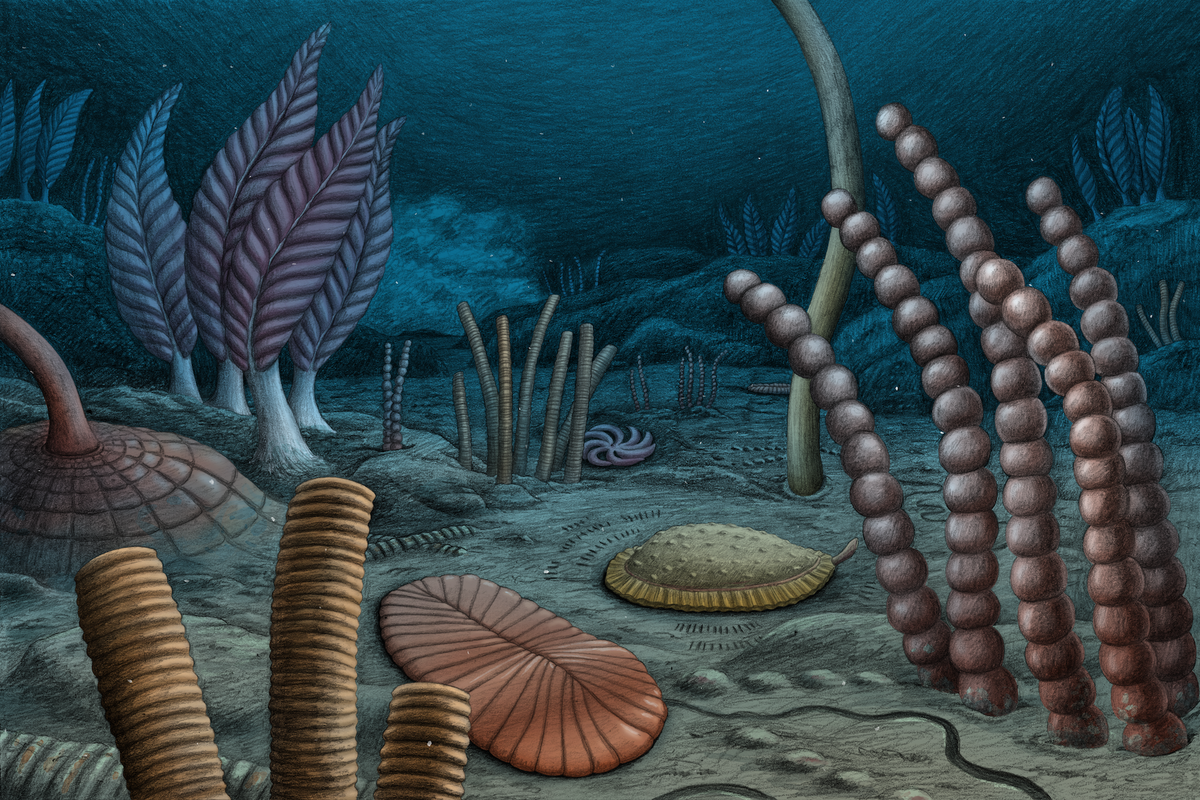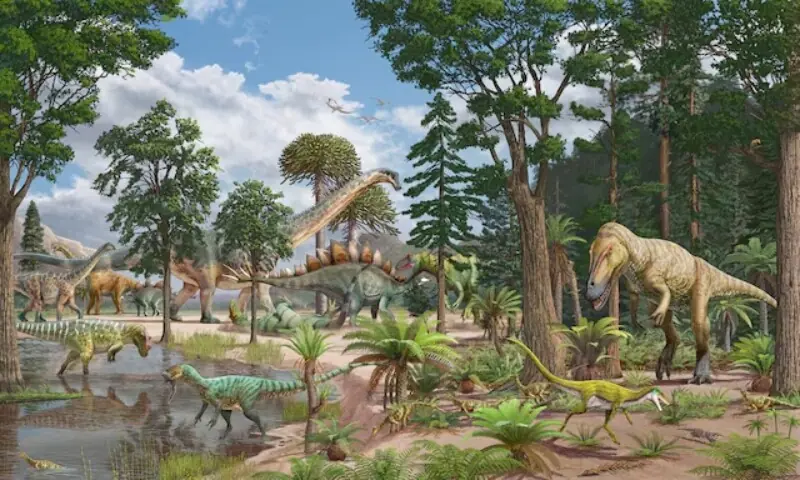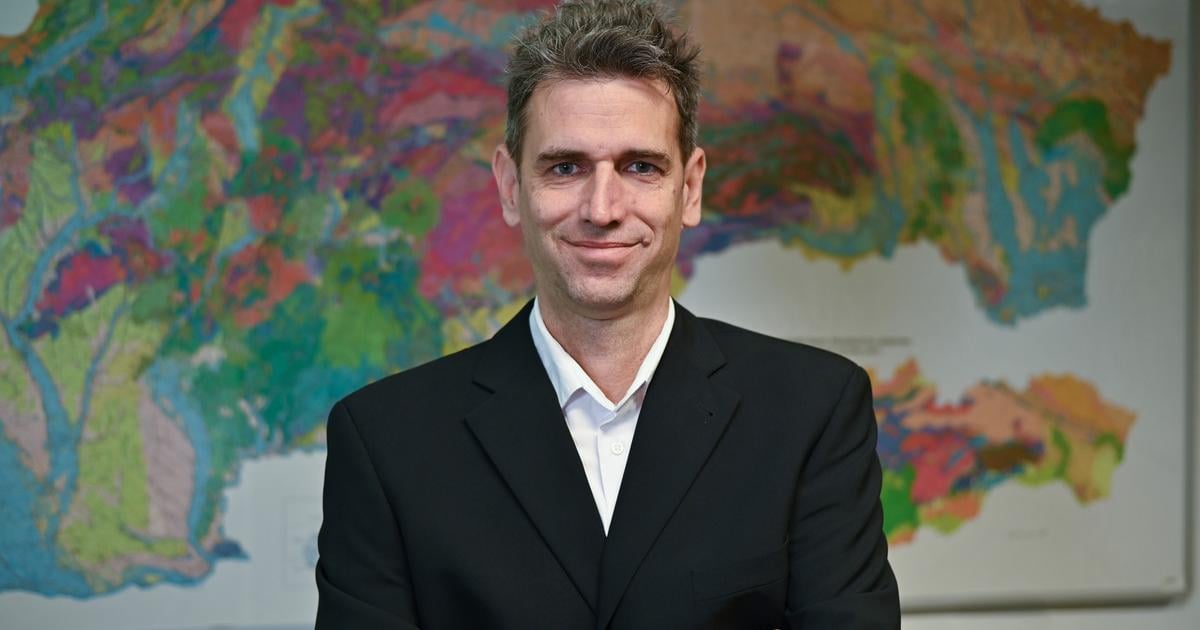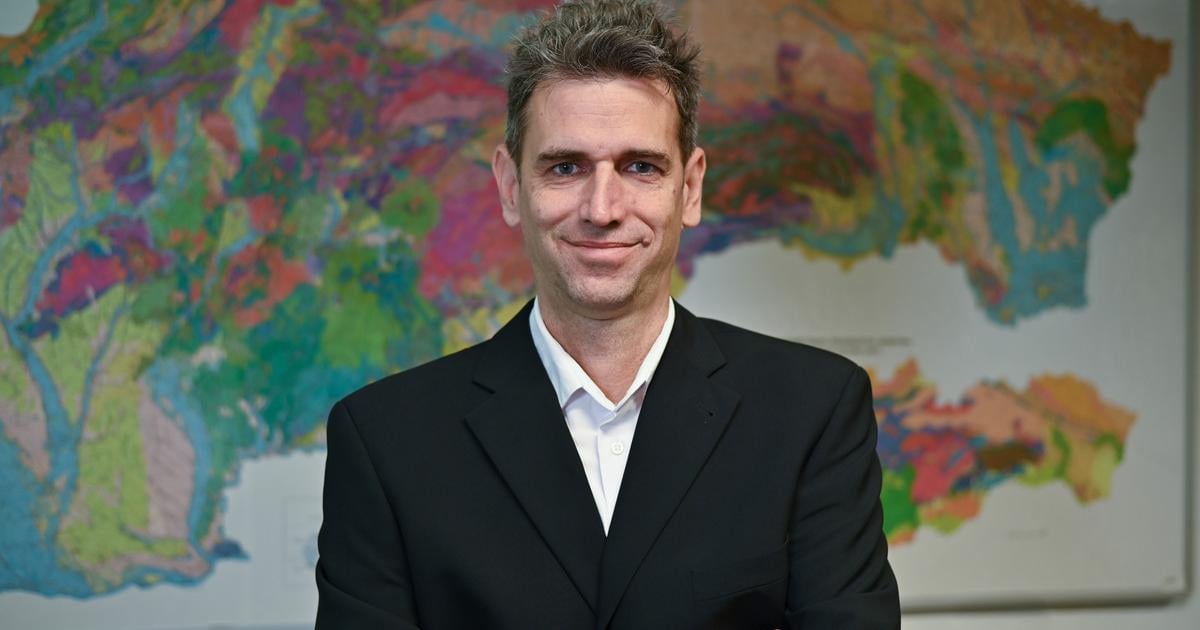
Adam Tomašových on why we it can be useful to compare the ecosystems of the distant past to those of today.
Although Slovakia is now a landlocked country, its territory was partly covered by the sea about 12-13 millions of years ago. According to palaeobiologist Adam Tomašových from the Earth Science Institute of the Slovak Academy of Sciences, several locations in Slovakia archive traces of several events that were associated with significant extinctions of marine organisms.
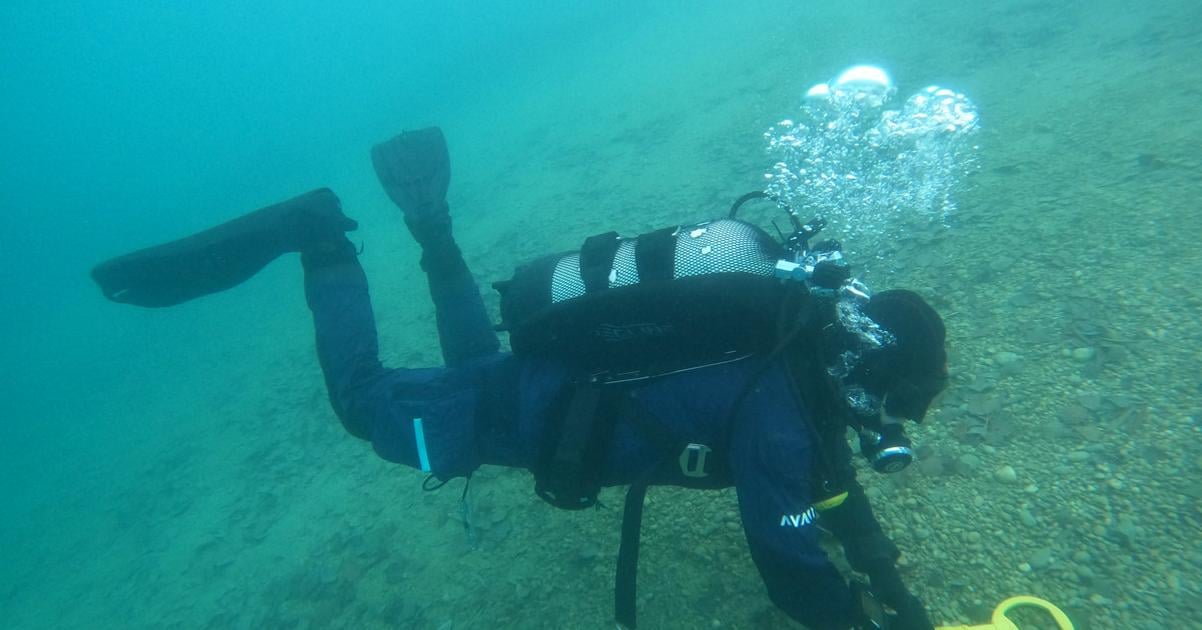
In addition to paleontological analyses of fossils, he also focuses on the evolution of marine ecosystems and how incomplete or biased information from the geological record can be deciphered, while also seeking to learn how ecosystems cope with changes caused by natural processes and human activities alike.
Last year, he was a finalist in the Eset Science Award, in the Outstanding Scientist in Slovakia category. In this interview, he talks about what it takes for fossils to preserve, how rare the process that leads to the so-called fossilization is, and what biases and distortions can affect research.
To stay up to date with what scientists in Slovakia or Slovak scientists around the world are doing, subscribe to the Slovak Science newsletter, which will be sent to readers free of charge four times a year.