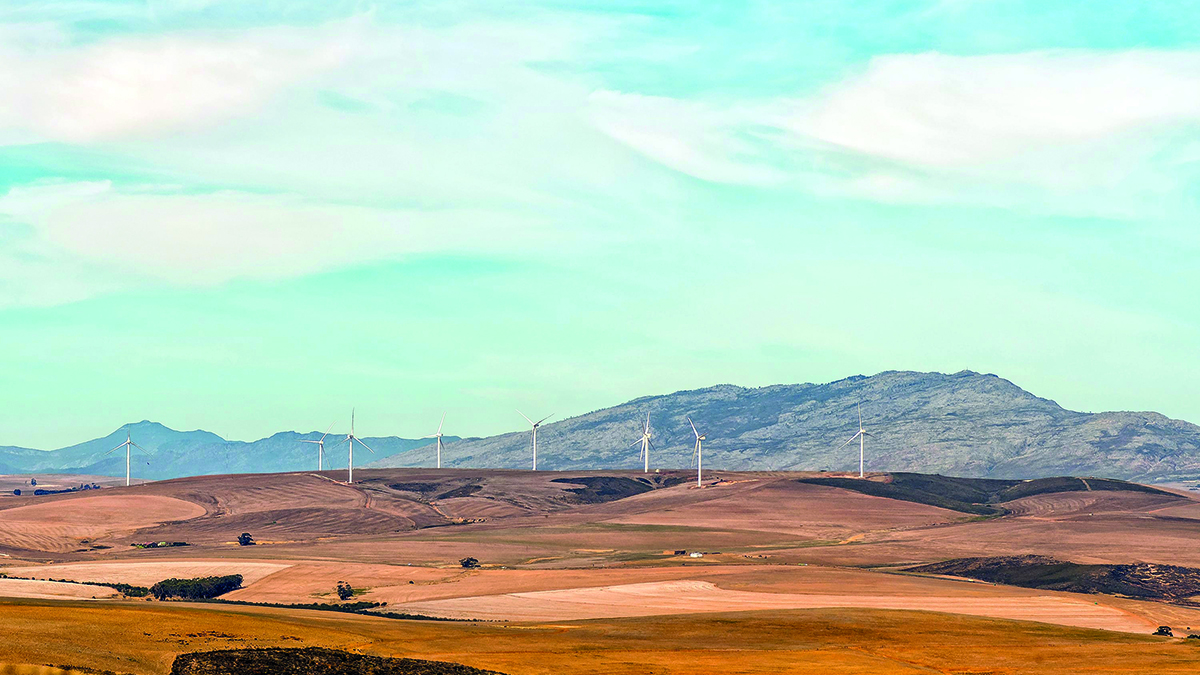
Brent crude prices have jumped by over 50% since the start of the US/Israel war with Iran in late February. Unlike the market shocks that followed the Russian war on Ukraine in 2022, which disrupted trade routes, the virtual closure of the Strait of Hormuz has thrown the world into disarray. For countries that rely on crude, the message has been stark: diversify or remain vulnerable to shocks beyond your control. South Africa’s energy narrative has been synonymous with failure: delayed maintenance, loadshedding, sluggish new energy developments, and corruption have all put strain on the economy since 2007. Progress in diversifying the country’s energy mix has been slow.South Africa has a centralised energy generation model, and power stations have been built where fuel or water resources are available. The electricity then flows along transmission lines to substations and consumers. Most of the country’s coal-powered stations are in Mpumalanga. One of the problems with this approach, says Taru Madangombe, VP for the power and grid segment for MEA at Schneider Electric, is that there are transmission losses, which increase as energy infrastructure ages. “This means that a significant portion of the power we generate is wasted because it gets lost on its way to us.” A decentralised model brings the power plant closer to the point of consumption, such as homes or farms installing their own solar power. Madangombe says the higher the current and the longer the line, the more energy is lost before reaching the end-user. And ageing or low-quality cables, loose connections, and inadequate insulation compound these losses. A smart grid, with sensors and automation, allows the operator to monitor performance in real-time. Smart grids automatically balance supply and demand to better manage the complexity of thousands of rooftop solar panels, batteries, and small generators feeding into the grid. China has the world’s most extensive smart grid infrastructure, and will invest $722bn over the next five years to eliminate renewable energy bottlenecks. Meanwhile, in the US, Duke Energy, which operates the largest energy grid in the country, has partnered with Amazon Web Services to build AI-driven smart grid software that can anticipate future energy demand and identify where grid upgrades are needed.Taru Madangombe, Schneider Electric There is some progress in this area in South Africa, and Eskom's ongoing smart meter rollout programme aims to provide real-time visibility into where electricity is being lost, stolen, or wasted. It can also give customers better insight into their own consumption. Eskom has two microgrid pilot sites in Ficksburg in the Free State and the Lynedoch eco-village in the Western Cape, where it is testing if decentralised power can be a solution for communities too remote to connect to the main grid. Over 70% of South Africa’s power is derived from coal. When demand is high, or a plant goes offline, Eskom uses diesel to run open-cycle gas turbines. While these may provide the power, it is costly. Eskom claims to have significantly reduced its diesel use, but it still spent around R10bn on diesel in the 2025/26 financial year. Other than coal, which provides over 80% of the country's energy generation, solar accounts for between 8% and 10%, wind is at 5%, and nuclear provides between 3% and 4%. Pumped storage and hydro generates between 2% and 3%. Recognising the need for diversification, government has produced an Integrated Resource Plan, which outlines targets to shift away from coal, towards a more renewable mix of energy sources. South Africa’s Renewable Energy Independent Power Producer Procurement Programme aims to add thousands of megawatts to the country’s electricity system by encouraging private-sector investment in renewable energy.This [centralised energy generation model] means that a
In search of a smart grid
From solar and wind to landfill gas, the case for a diversified energy future has never been more urgent or more achievable.
1,304 words~6 min read