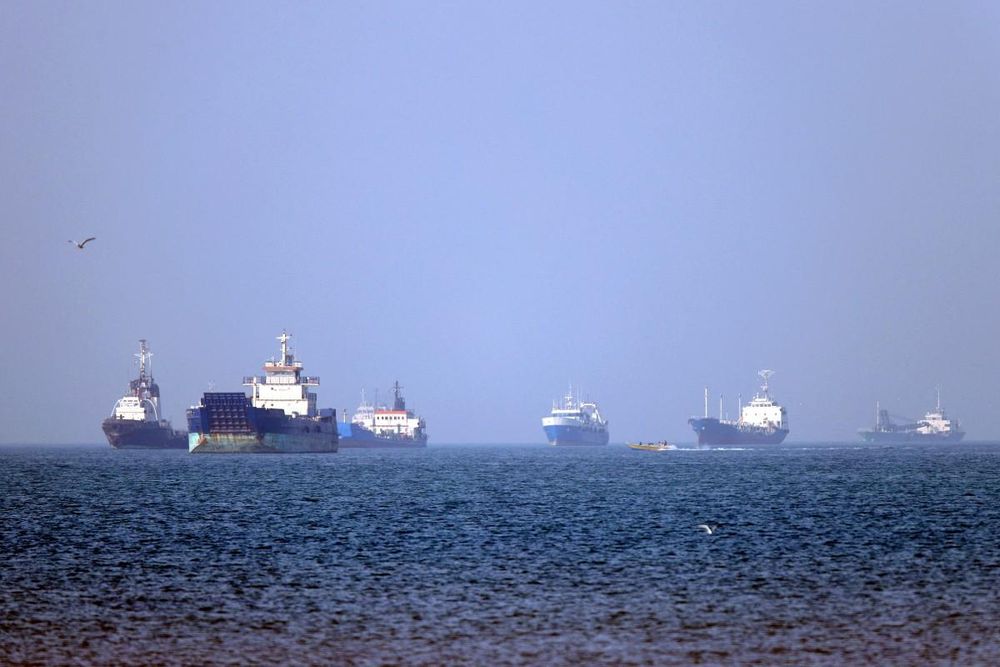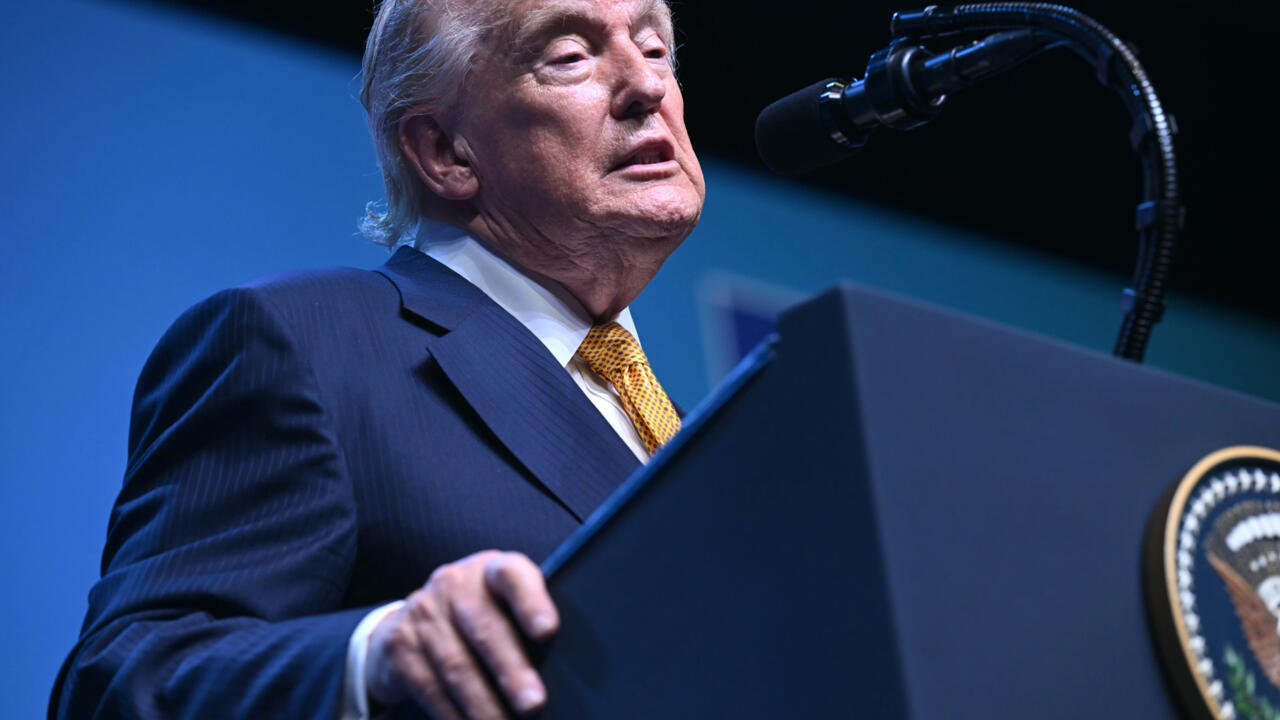
Global crude oil markets witnessed sharp volatility overnight as traders reacted to shifting signals around possible ceasefire negotiations involving Iran, even as uncertainty continued to dominate sentiment across energy markets.Speaking to ET Now, Peter McGuire, CEO, Australia-Trading.com said investors may have moved slightly ahead of developments on the geopolitical front, leading to aggressive swings in crude prices.“I tell you what, the volatility really puts everyone in a frame that there are just big blowouts as far as price. Maybe they are a little bit ahead of themselves. Some people are probably saying they are maybe a bit behind the curve, but there are just, again, all of those impact points as far as what President Trump is saying and they are in the final stages with Iran,” McGuire said.He added, “The storyline is that he is trying to wrap this up as quickly as possible and, again, traders are looking for opportunity. And you know as well as I do, where you have got opportunity is you see these big swings, you have just got to be on the right side of the market.”Markets initially reacted positively after statements from Donald Trump suggested that ceasefire terms were nearing completion. However, the absence of any formal response from either Iran or Israel kept traders cautious.McGuire noted that the negotiations currently appear heavily driven by Washington’s narrative.“No, that is very true. Look, it is one-way traffic as far as President Trump is concerned. In his mind, he is the deal maker and he is not really too interested in what the other sides have to say. We understand that from his rhetoric,” he said.He further added, “We have just got to work through this and, from a trading perspective, just see what sort of discussion comes forward, not necessarily from Israel but more from Iran and whether they are party to all of this.”A major focus for markets remains the Strait of Hormuz, one of the world’s most critical oil transit routes. Satellite data indicating that multiple supertankers crossed the strait overnight offered temporary relief to markets, although shipping activity remains under close watch.McGuire said the market is now balancing two clear scenarios.“Well, first off, there are quite simply two scenarios. Either it is going to work and there is going to be a deal put together and the conflict is going to die a natural death over the next couple of weeks and markets will drift lower. I think that is what everyone is after,” he explained.“If it does not move that way and the agreement does not work, then naturally you would see prices move to the upside and, again, you would see probably a big swing, maybe a $10 or $15 jump, quite simply because a deal has not been able to get well cemented,” McGuire added.The uncertainty has also raised concerns for major oil-importing economies such as India, where elevated crude prices could impact inflation, fuel costs, and fiscal balances.On the possibility of crude prices falling sharply toward the $60–65 range, McGuire remained cautious.“Well, that is maybe a little bit bullish to the downside. In other words, I think that the chance of it hitting 65 quickly is beyond us and first off I would like to see maybe $90. If it can get to 90 and with conviction and with acceleration, then that will tell us where it trends from there because it is a big jump from 105 to 65,” he said.He also pointed to past market collapses as a reminder of how quickly oil prices can reverse under extreme conditions.“I remember in 2008 I was in New York and the market was 147 and 13 weeks later it was $34 or $35. So, nothing is unachievable,” McGuire noted.
Crude market caught between diplomacy and disruption: Peter McGuire
Global crude oil markets experienced sharp volatility as traders reacted to shifting signals regarding potential Iran ceasefire negotiations. While initial optimism emerged from President Trump's statements, the absence of a formal response from Iran and Israel maintained market caution. Analysts suggest traders are anticipating a swift resolution, but uncertainty persists, with two key scenarios for future price movements.
623 words~3 min read