Kim Won-soo
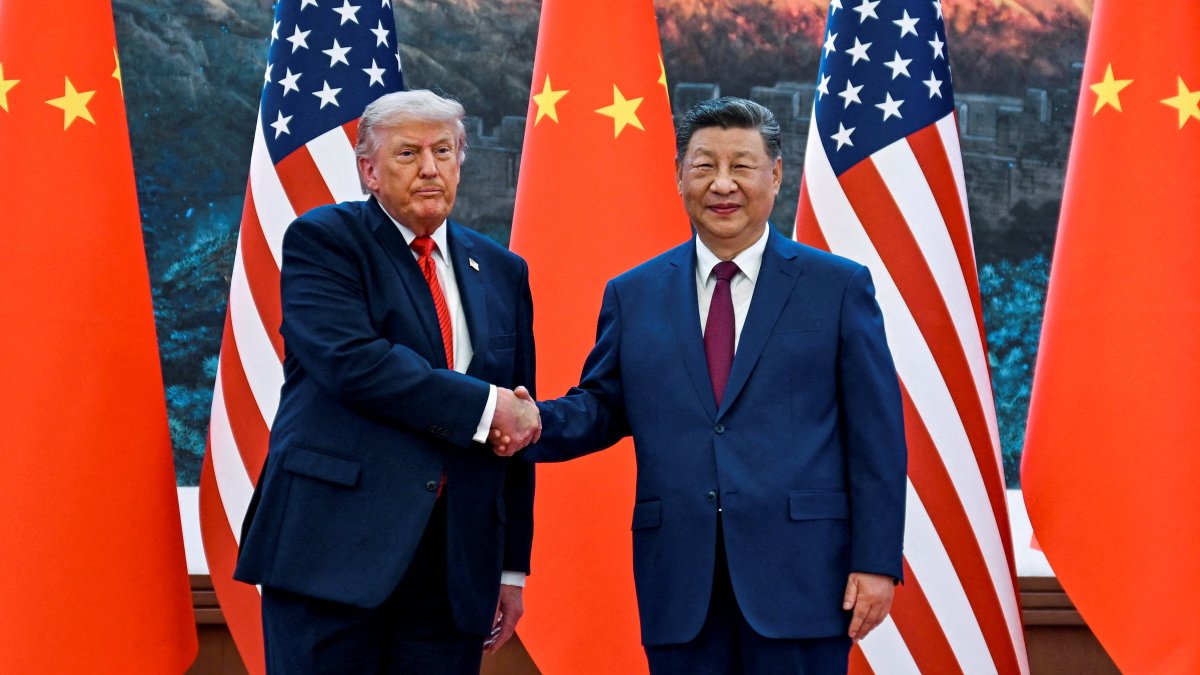
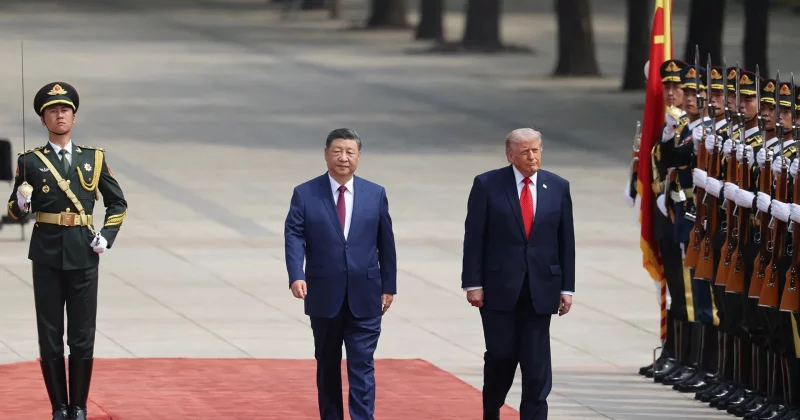
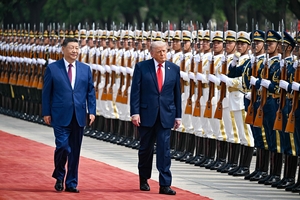
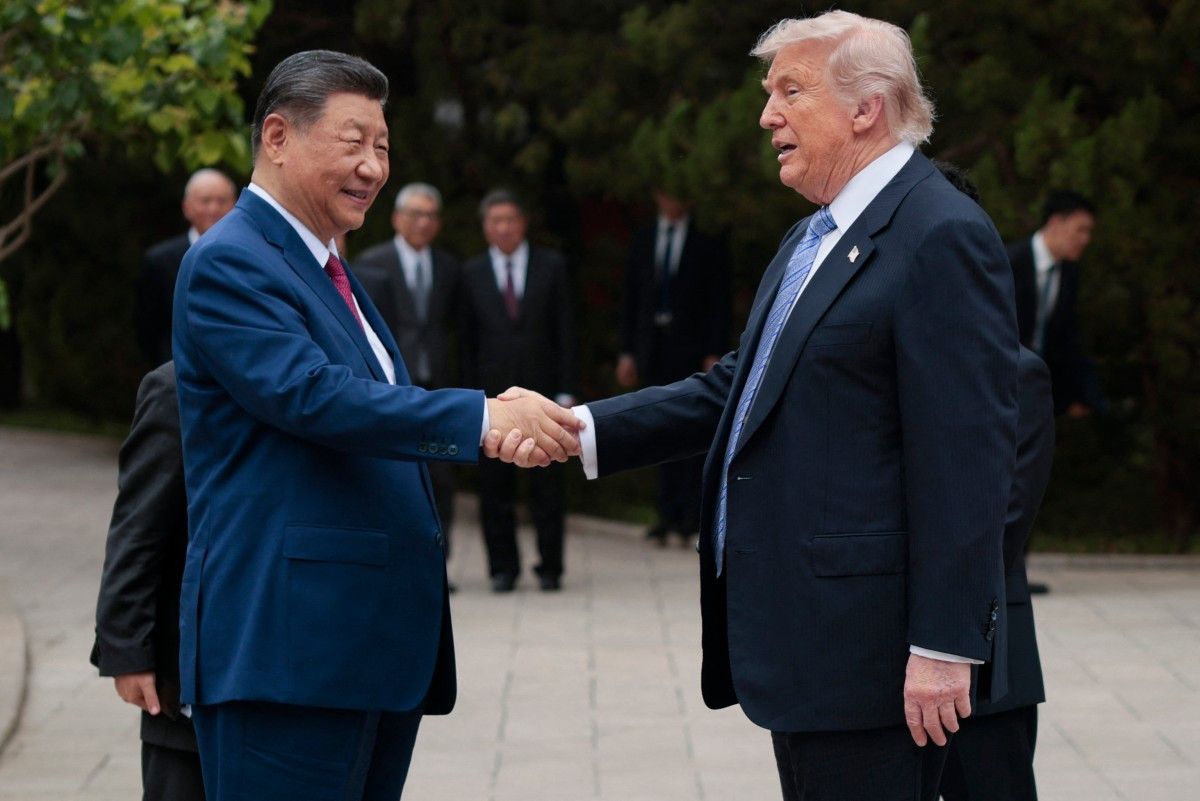
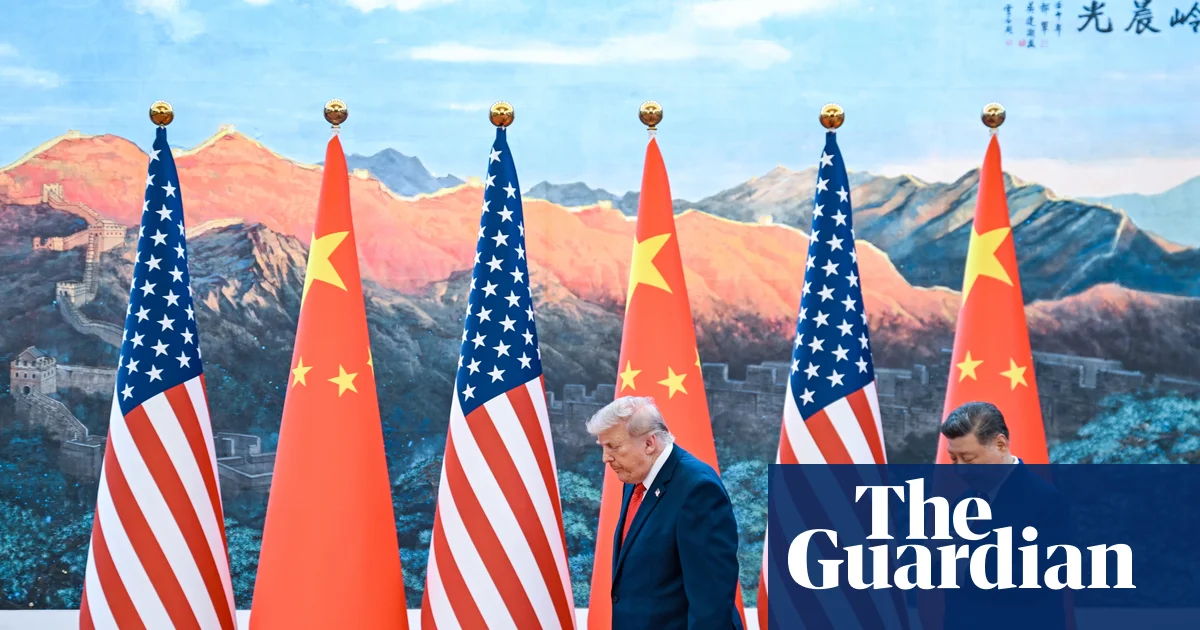
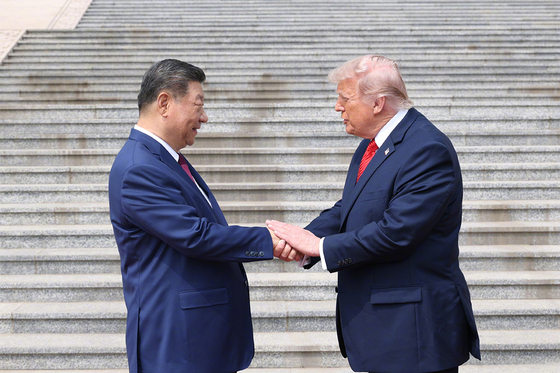
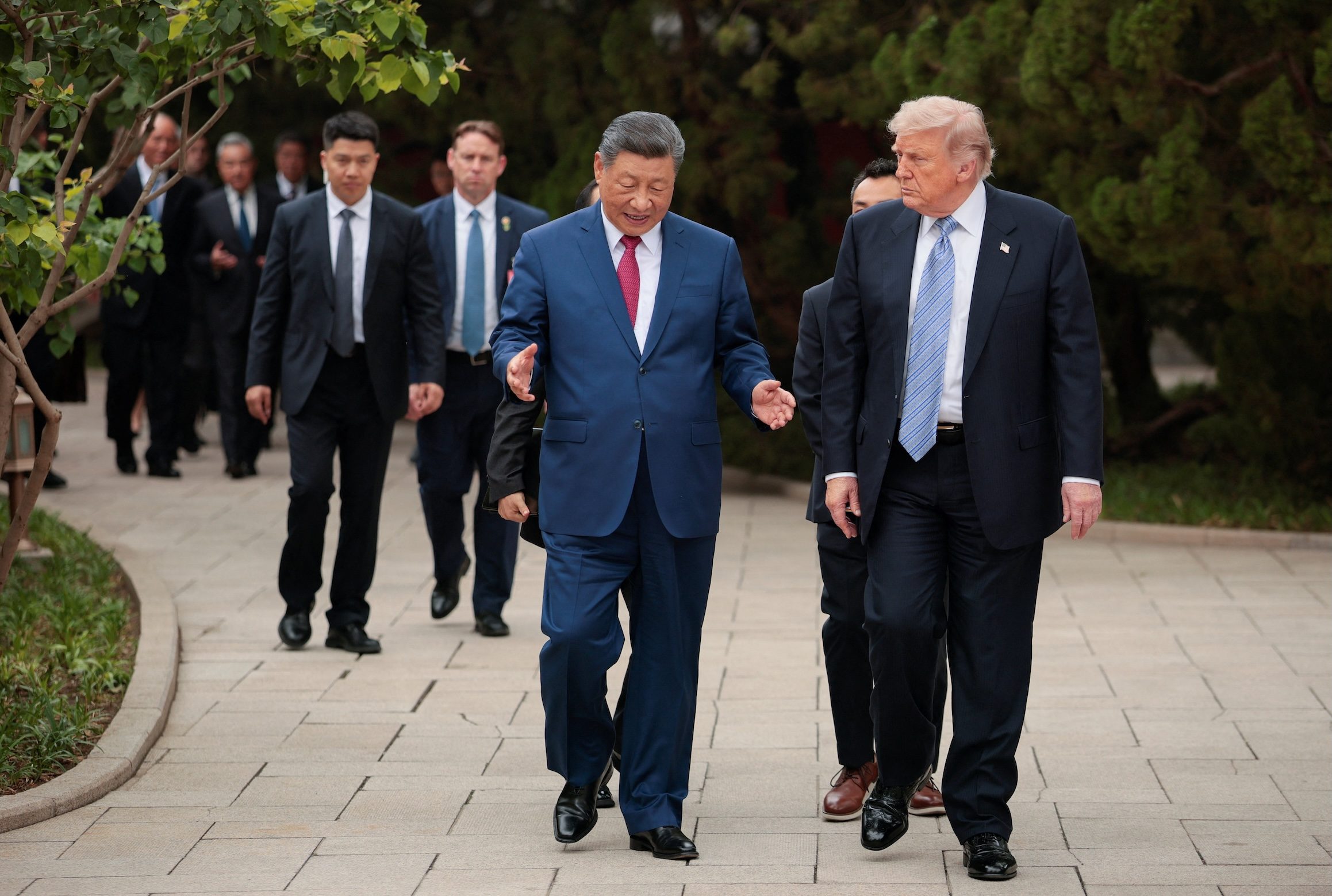
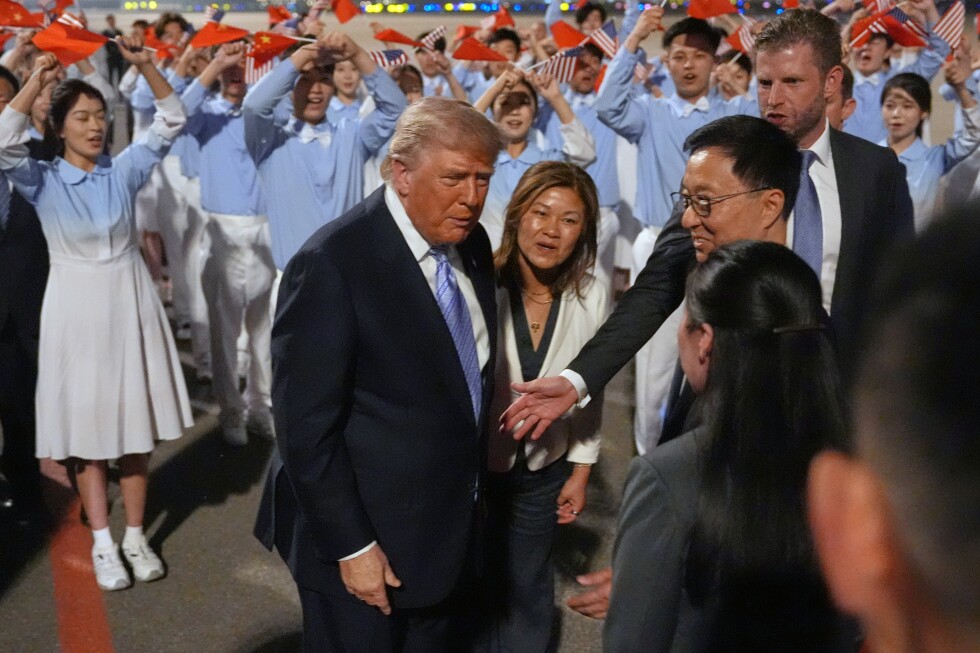
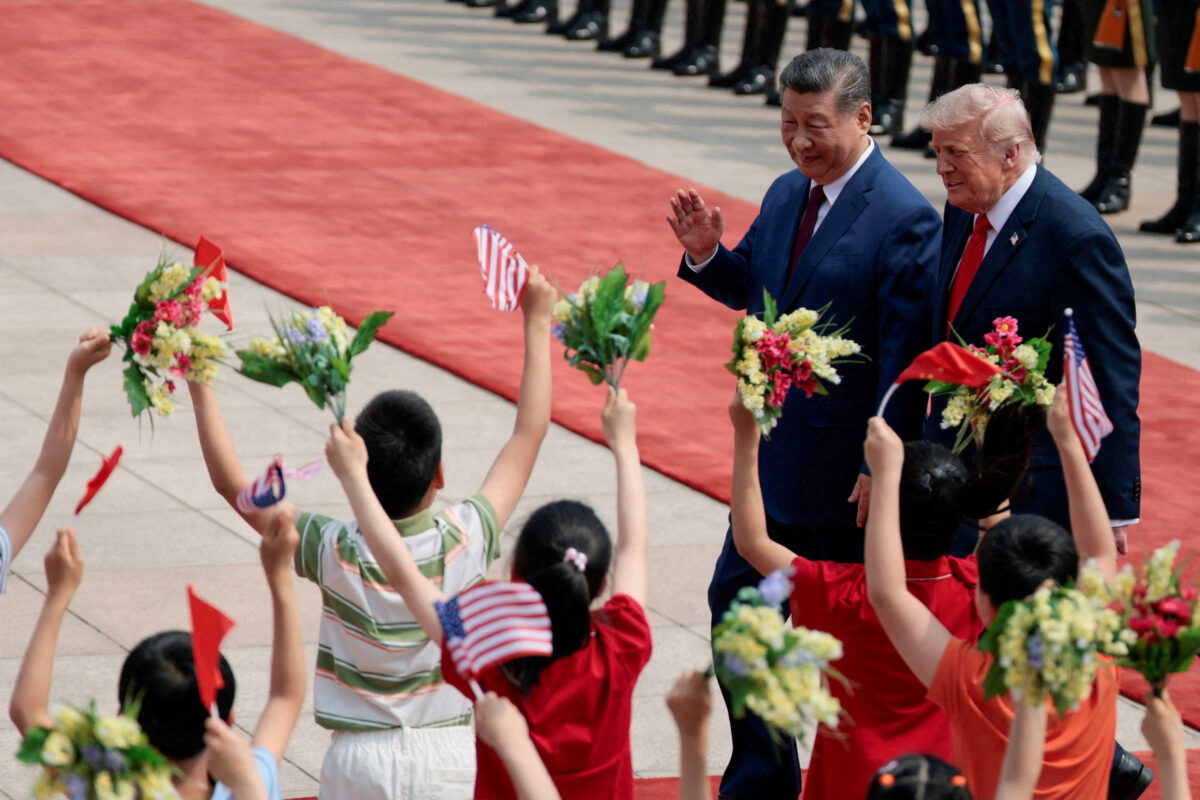
Last week, U.S. President Donald Trump paid his first visit to China in nine years. It had attracted much of the world's attention. But it ended in an anticlimactic way, being loud in pageantry style but hollow in policy substance.
The outcome of the visit can be summarized as two no's: no breakthrough and no surprises. It signaled a pause in the strategic competition between the U.S. and China. This strategic pause brought about some cooling-off in bilateral tensions, but also stirring anxiety regionally among U.S. allies and partners.
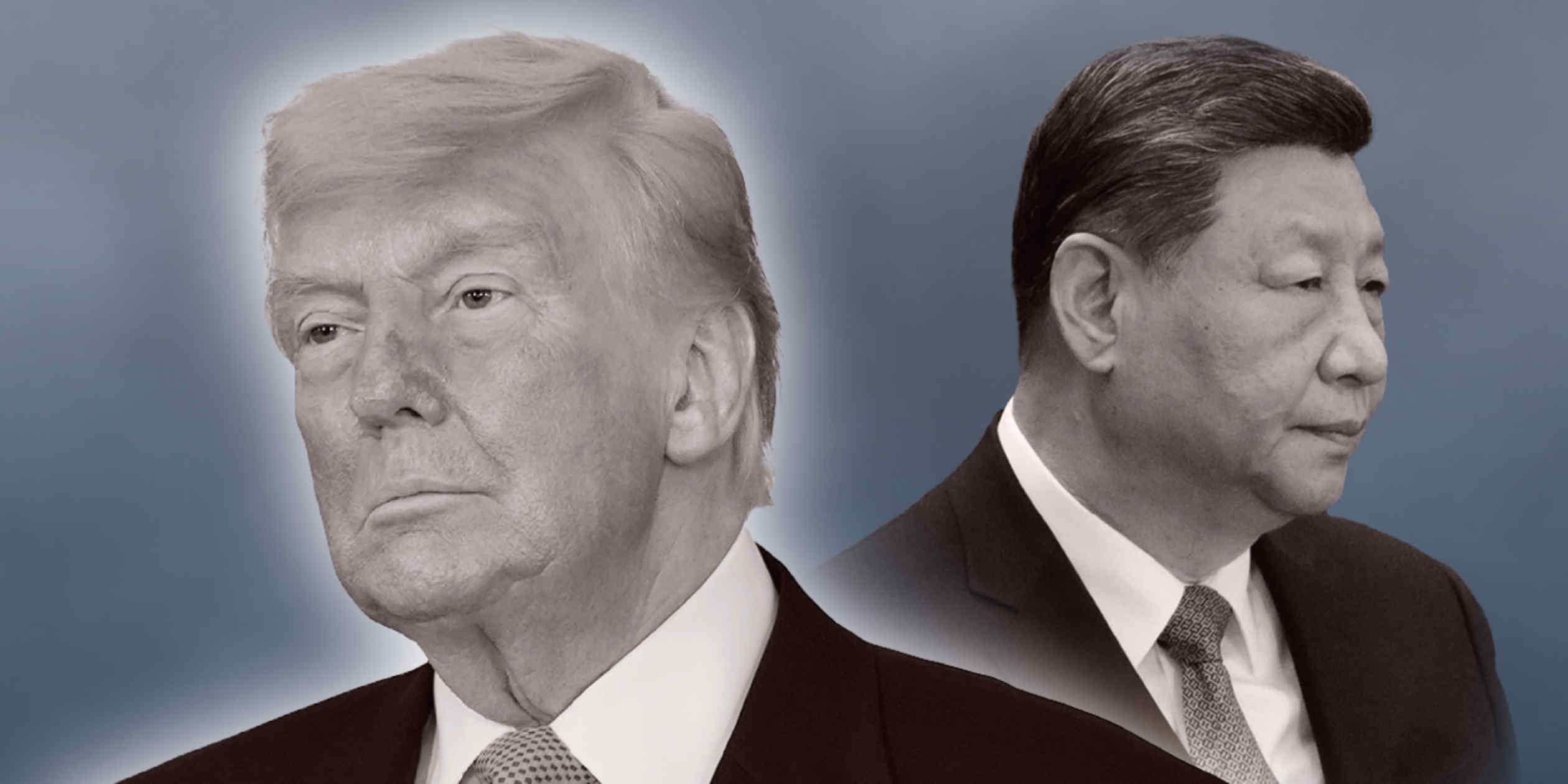
First and foremost, no meaningful breakthrough in any of the major pending issues has been made. Basically, the two sides agreed to disagree except on one thing: to keep talking. The only meaningful agreed outcome was Chinese President Xi Jinping's return visit to the U.S. this September. On every substantive issue at hand, both sides disagreed even on what they agreed. The statements each side issued during and after the visit revealed wide gaps, ranging from the U.S.-Israel war with Iran, bilateral trade and investment, as well as Taiwan.
Unlike the first visit in 2017, there was no agreed outcome in writing. Instead, both sides issued their respective readouts highlighting each side’s talking points, indicating the wide divergence of positions. But it is noteworthy that each side did not refute nor react strongly to the other side’s statements.