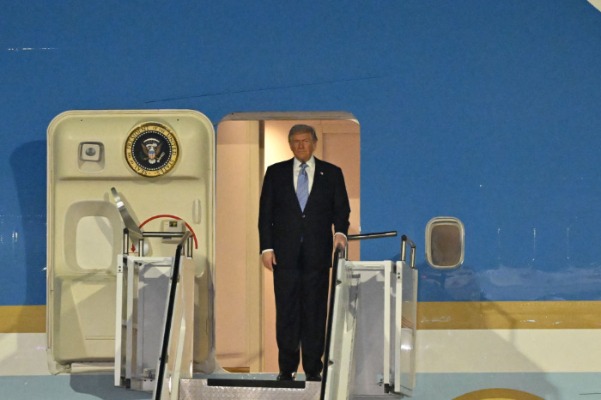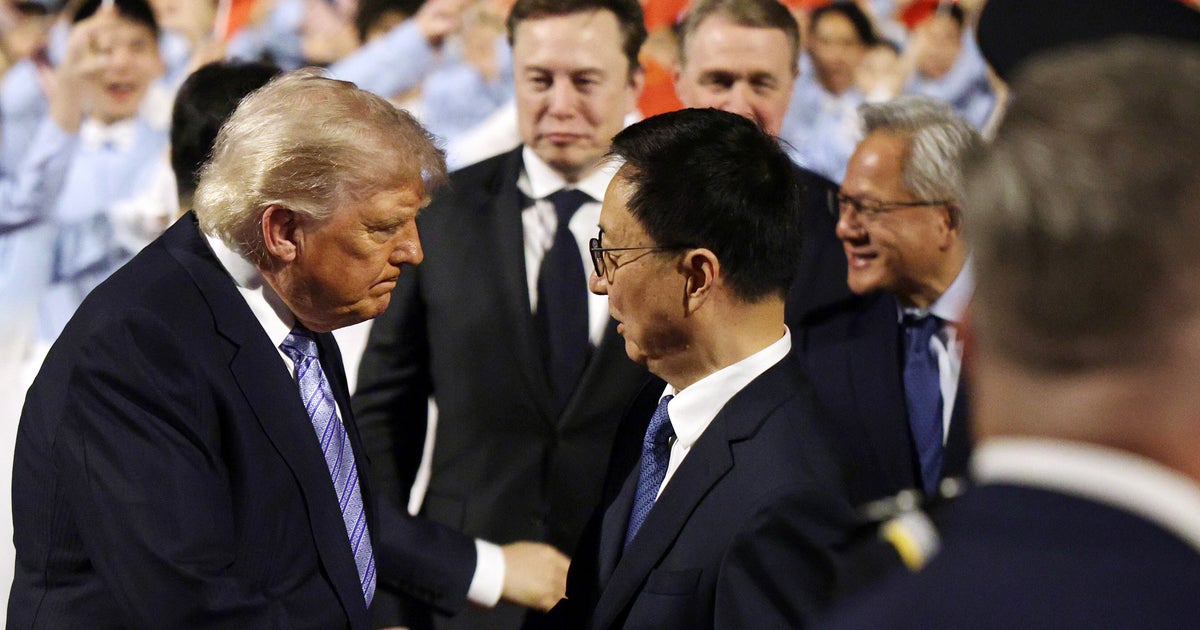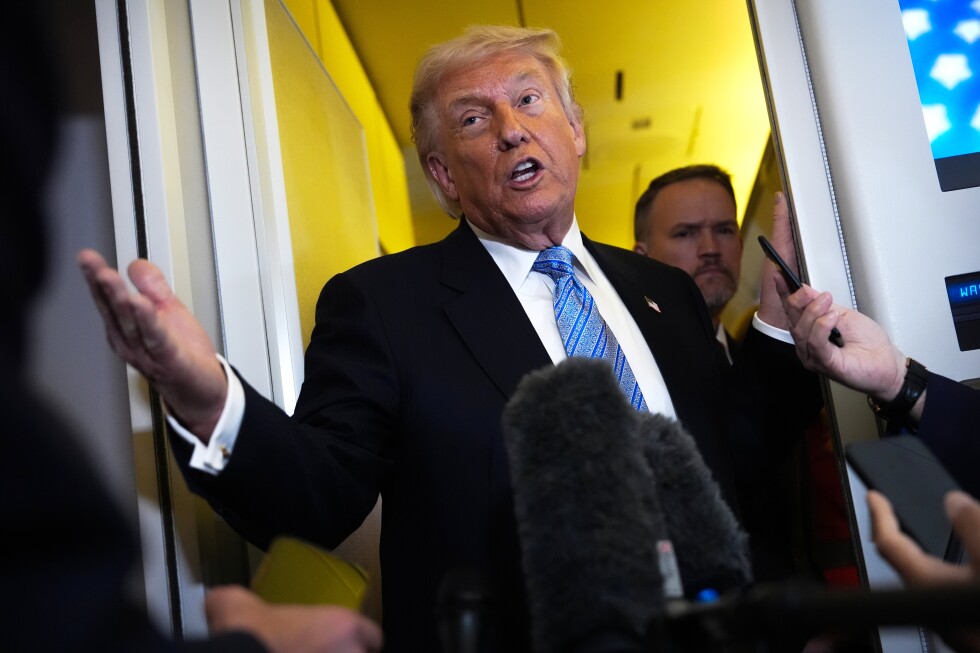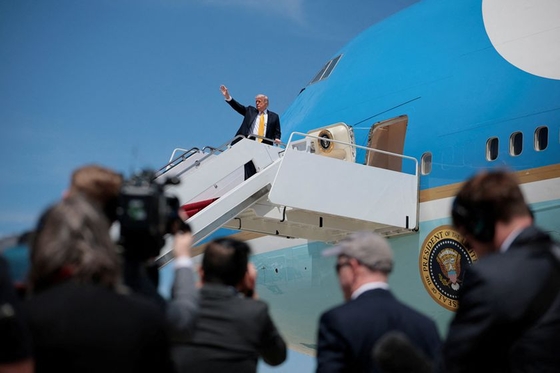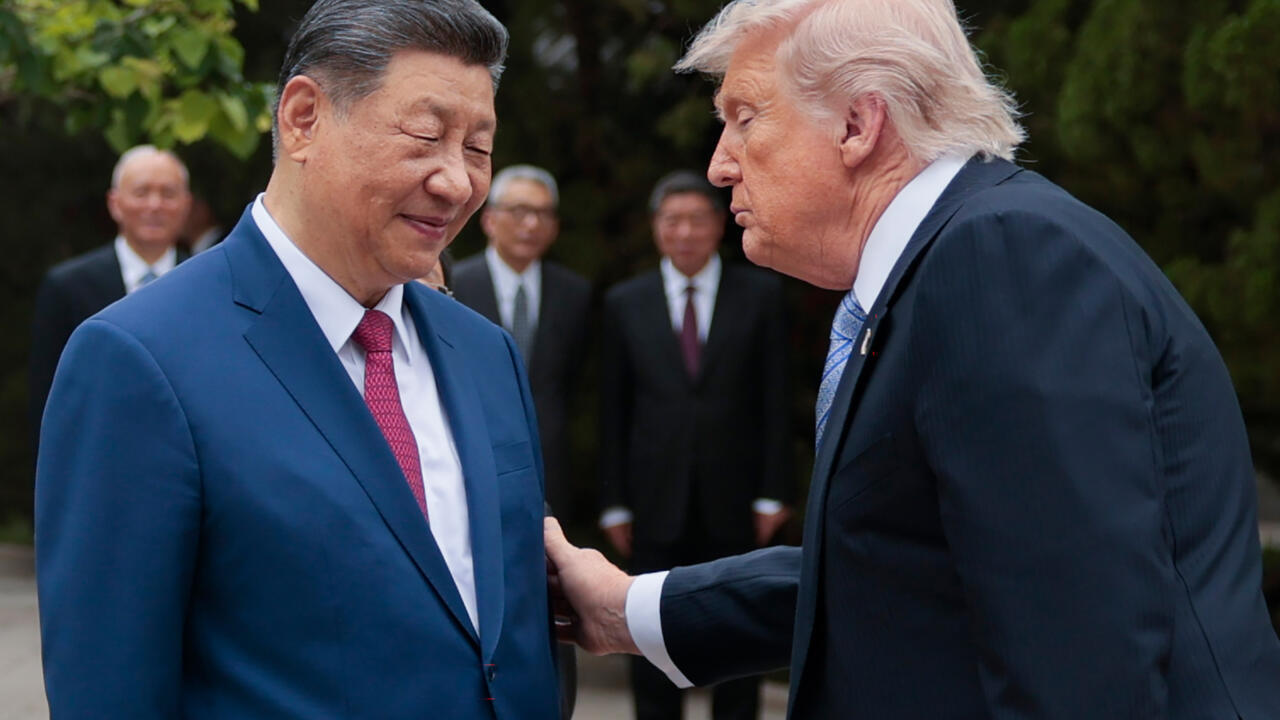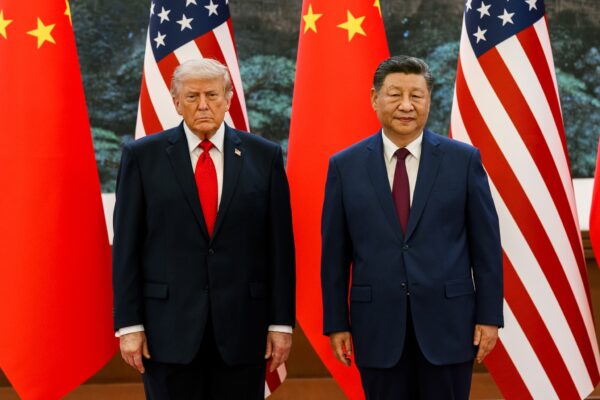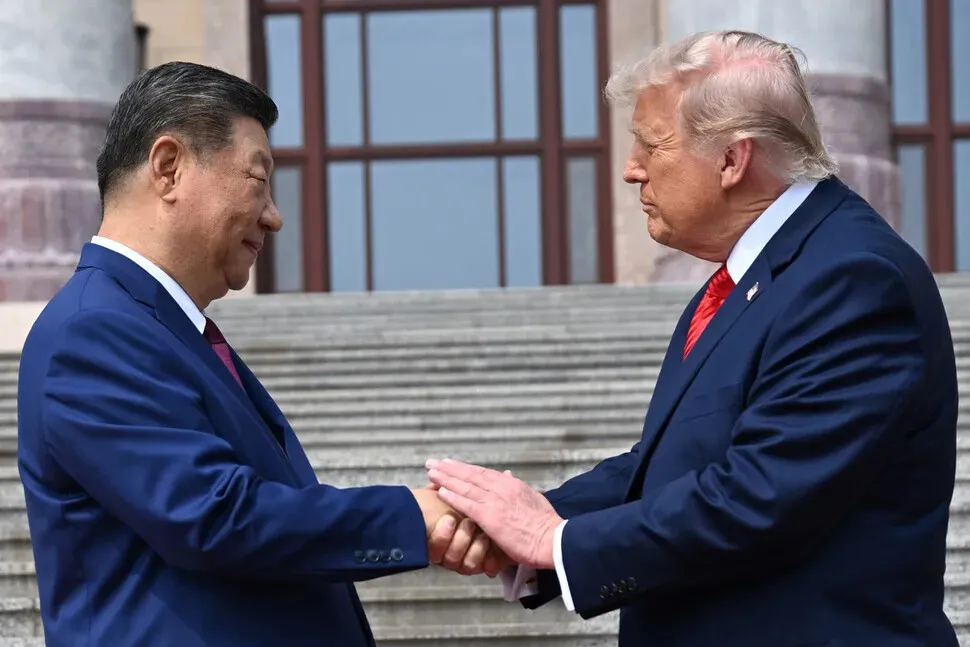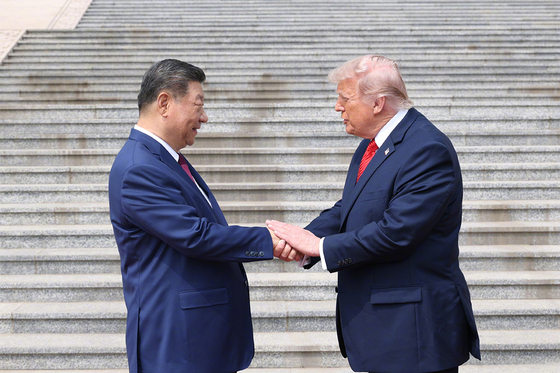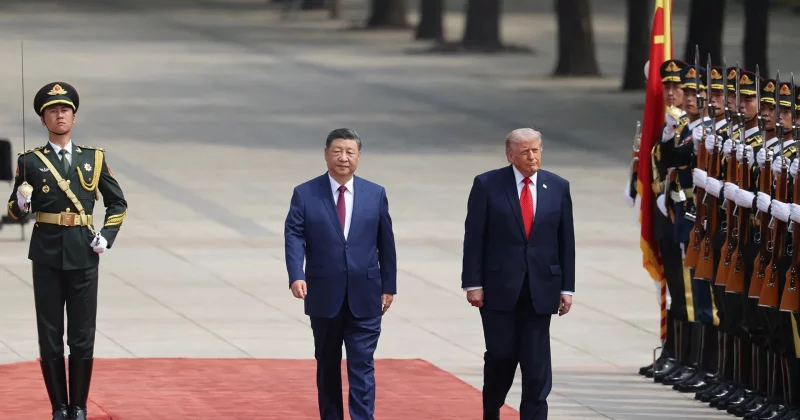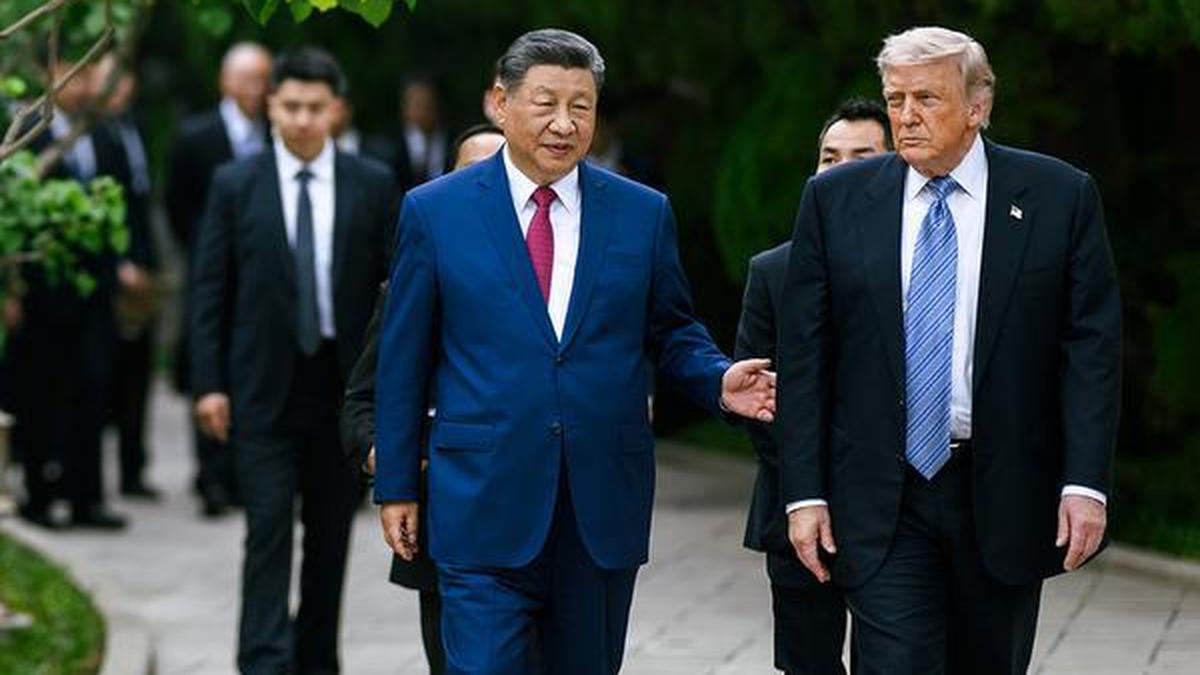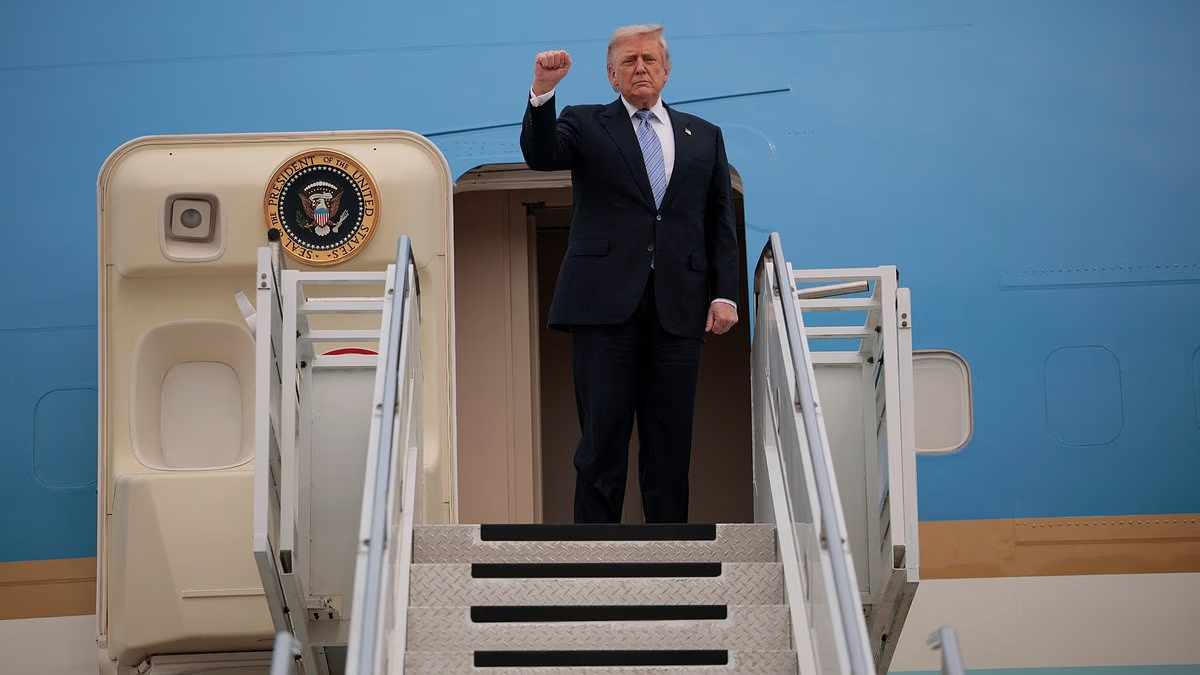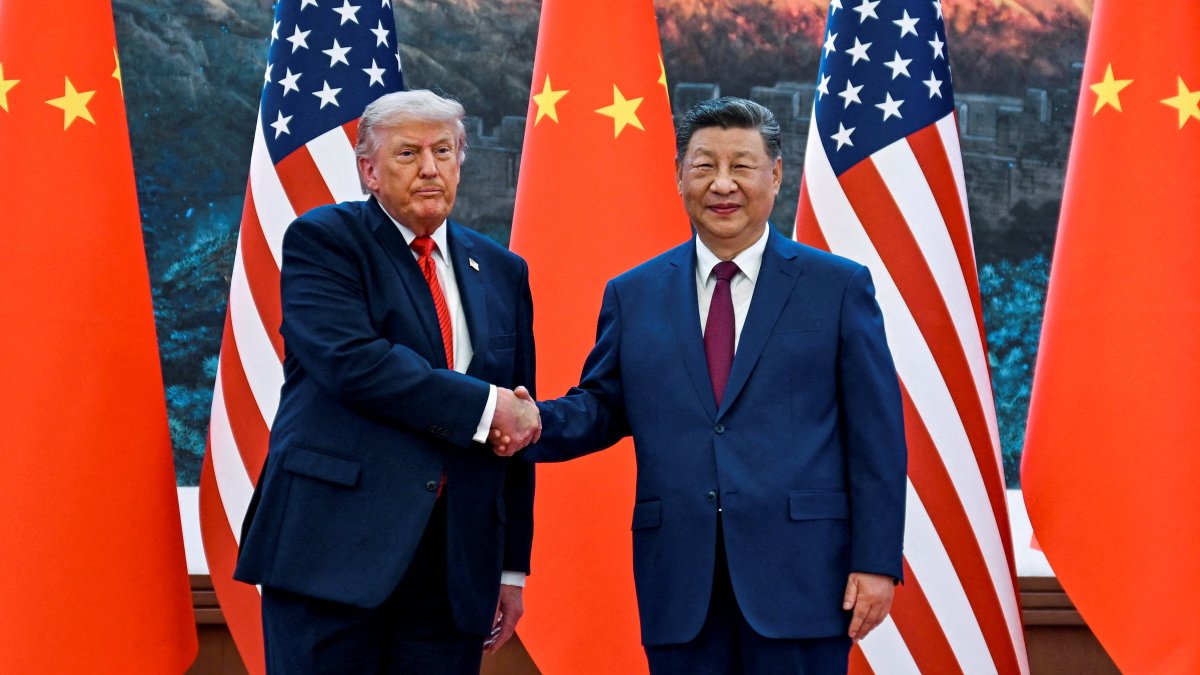
U.S. President Donald Trump visited China for a three-day official trip, marking the first visit by a U.S. president in nearly nine years. His previous visit to Beijing was in 2018. The visit was important since the two countries have decided to reestablish bilateral diplomatic relations.
During his stay, Trump met with Chinese President Xi Jinping twice to discuss different bilateral issues and global political developments, including trade imbalances, new technologies, the Taiwan issue, the U.S.-Israel-Iran war and global security concerns.
Normally, leaders of two countries that compete for global economic and political influence would be expected to meet more frequently. However, as soon as Trump assumed office for his second term, he began to pursue unilateral policies. First, he implemented an economic nationalist approach toward China and other countries, significantly increasing tariff barriers against China. Although China responded accordingly, it behaved more rationally. In bilateral relations, a pattern emerged of a panicking United States and a patient China.
Bilateral issues
However, the measures taken by the U.S. were largely counterproductive. There are many reasons for this. First of all, China is the largest trade partner of the U.S. There is a high degree of interdependence between the two countries. At a time when the U.S. is bogged down in the Middle East, the Trump administration is expected to soften its stance towards China. It appears that the U.S., at least under current circumstances, wants to pursue a different policy than it perceived before. The U.S. government today does not want to alienate Beijing.