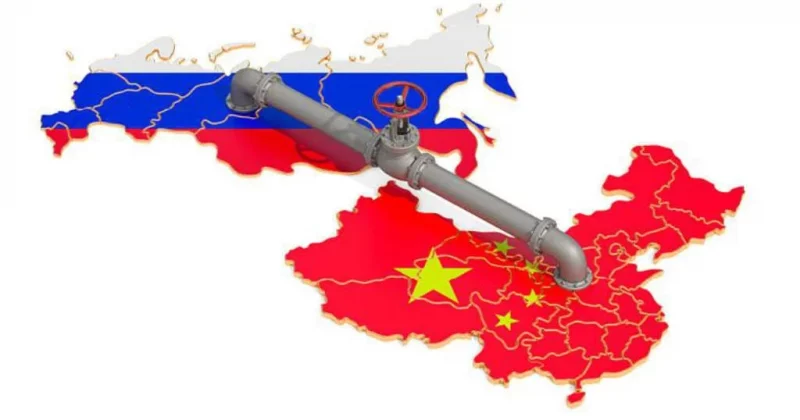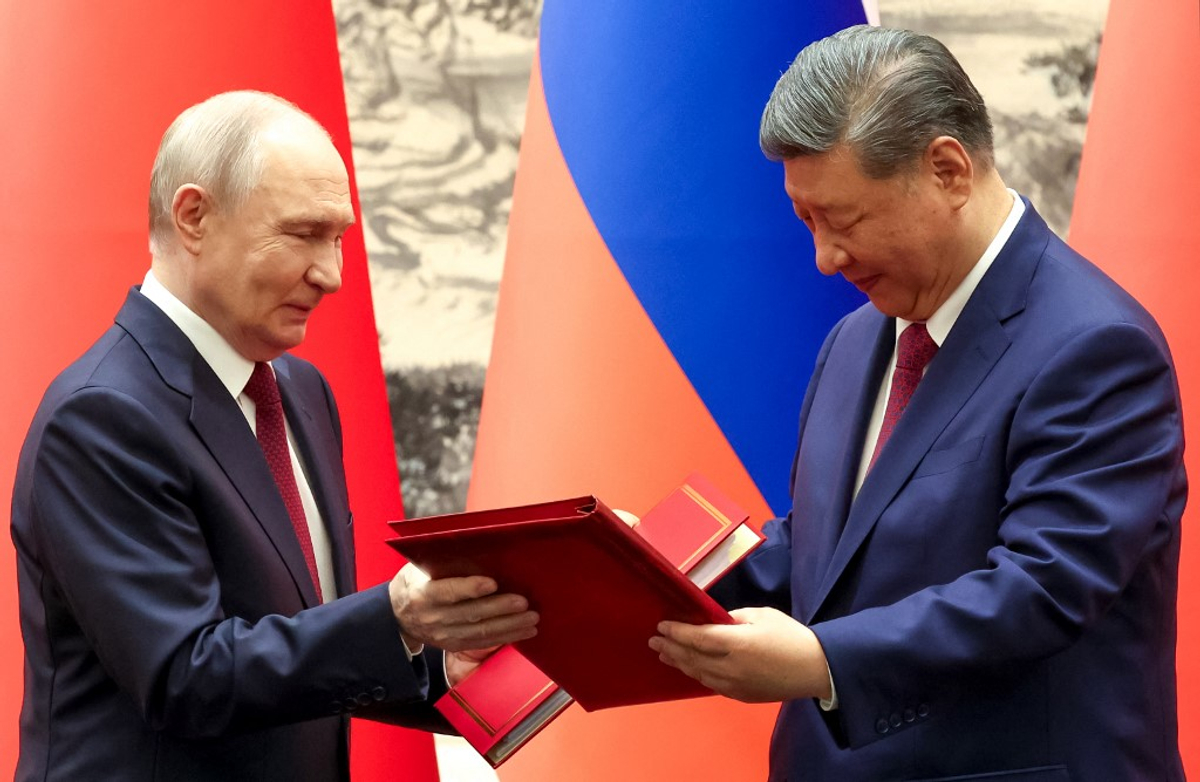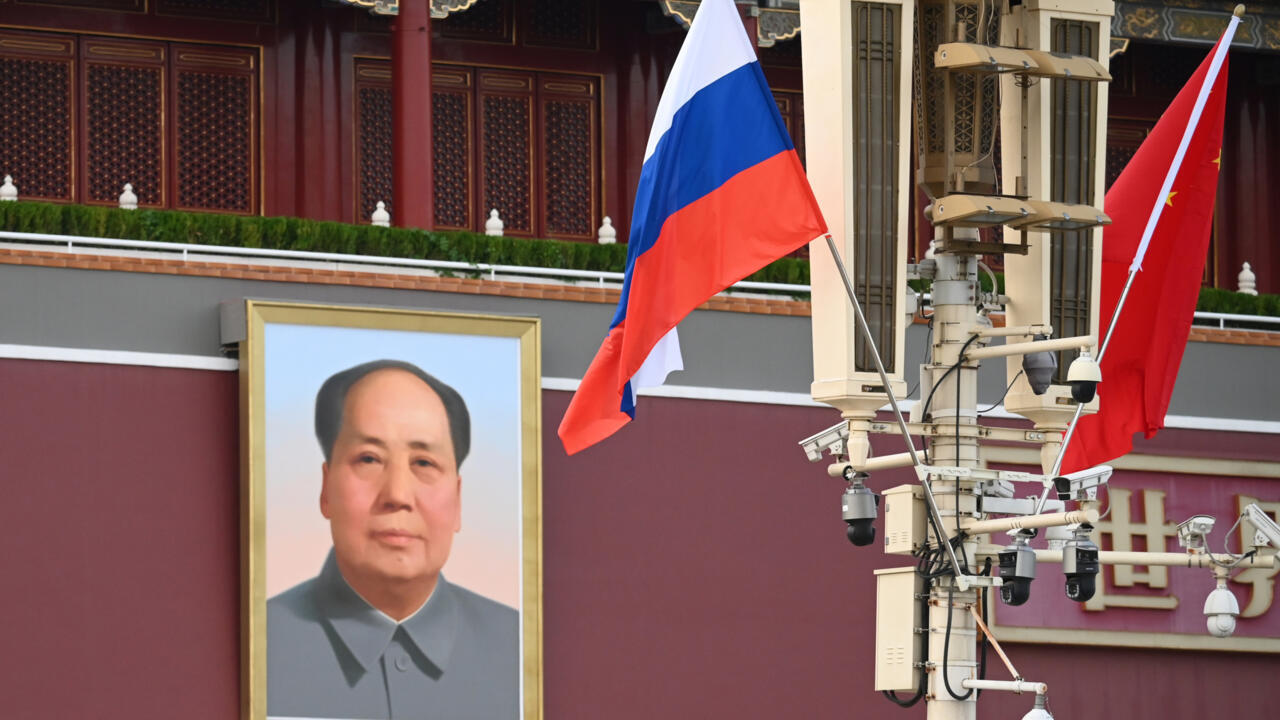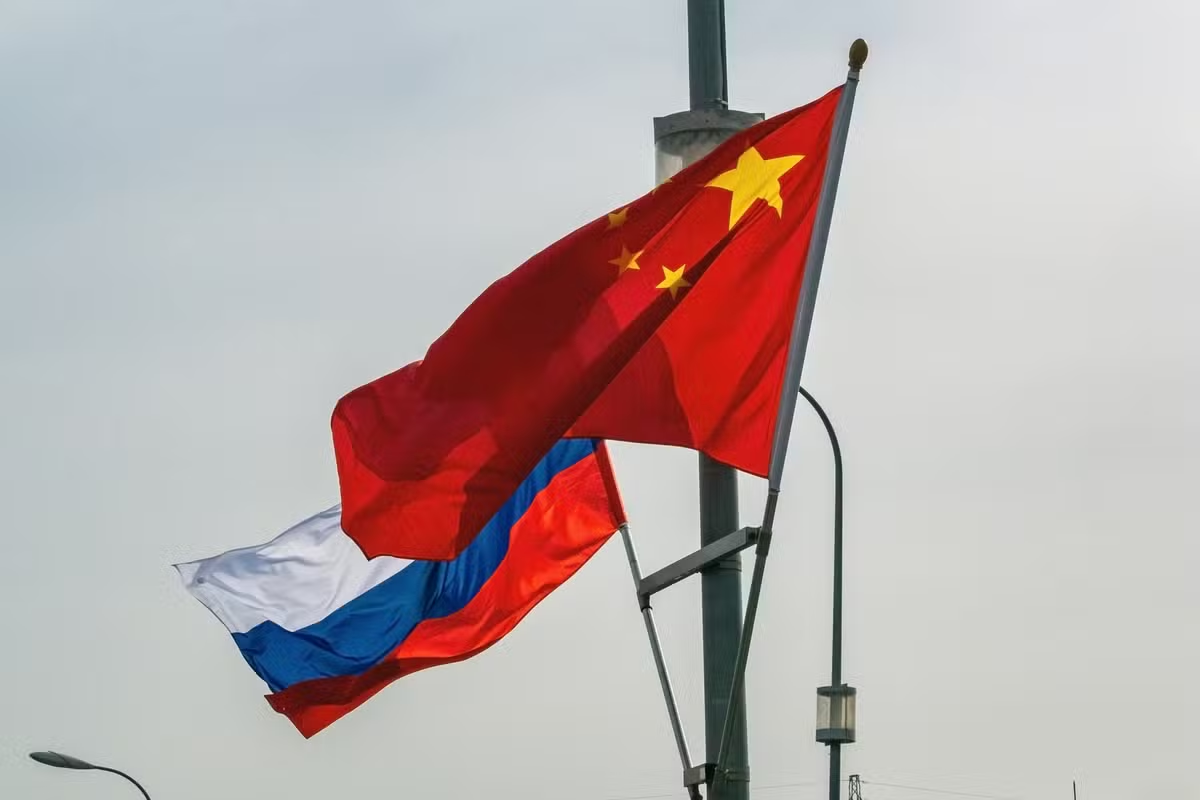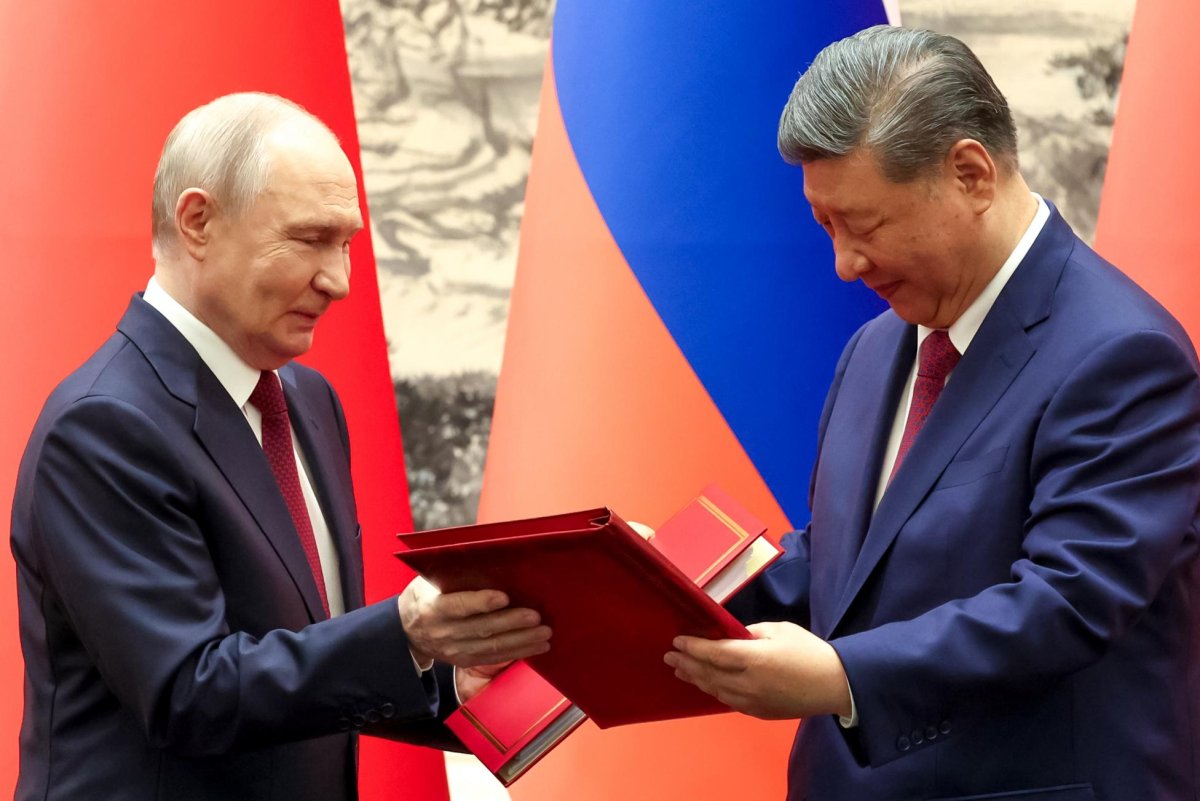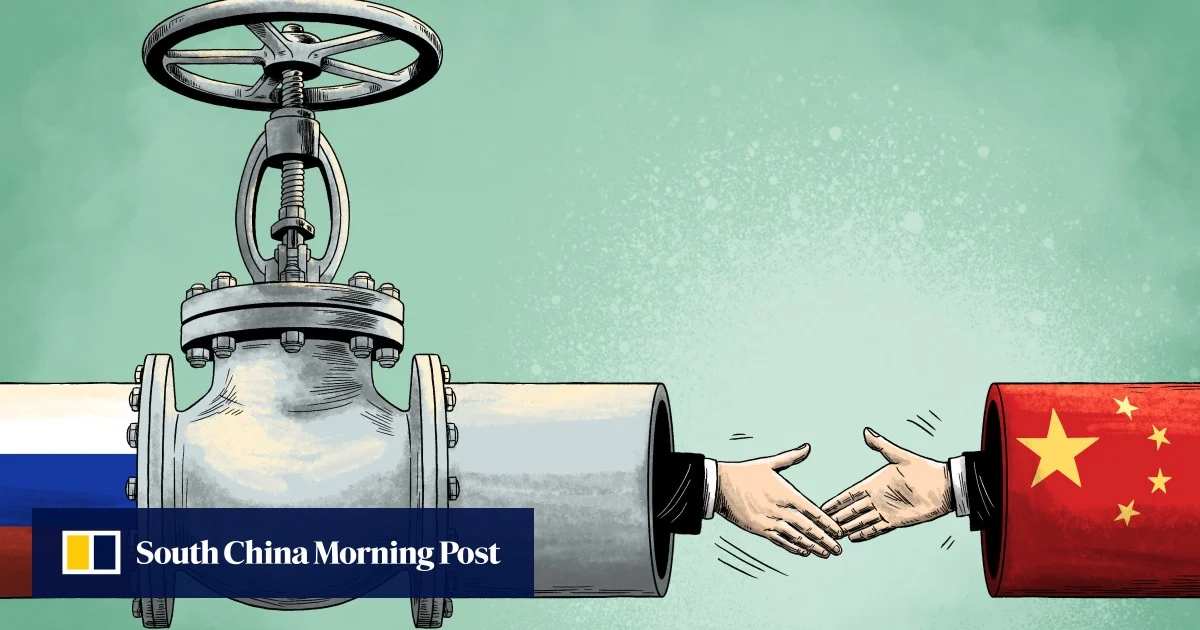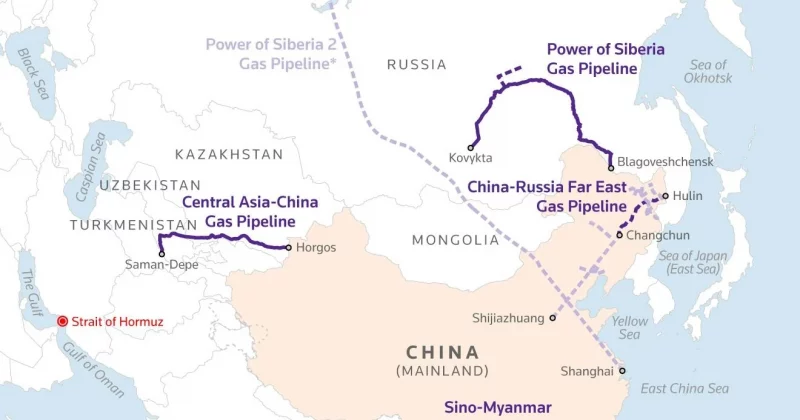
Russia and China have agreed on the main points for building the Power of Siberia 2 gas pipeline, a project that would funnel up to 50 billion cubic meters of natural gas annually from Russia’s Yamal fields to northern China. The catch: the commercial terms that actually determine whether this thing makes money for either side are still being hashed out.
Think of it like agreeing on the blueprints for a house while still arguing over the mortgage rate. The construction parameters are settled, but price, volume, duration, and take-or-pay clauses, the stuff that determines who profits and who bleeds, remain on the table.
What the pipeline actually is
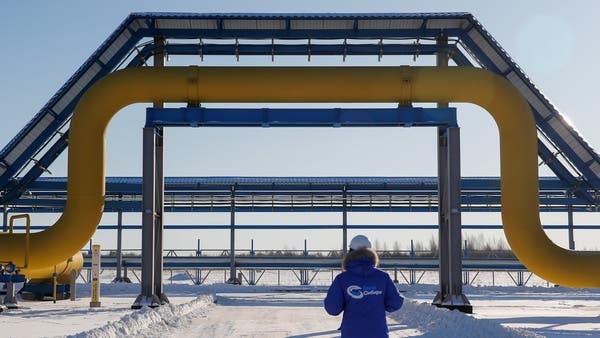
Power of Siberia 2 would be a roughly 2,600-kilometer pipeline running from Russia’s prolific Yamal gas fields through Mongolia and into northern China. At full capacity, it would deliver up to 50 billion cubic meters of gas per year over a projected 30-year lifespan, with potential deliveries starting around 2030.
If completed, it would dramatically expand Russia’s pipeline capacity to China. Combined with existing infrastructure, total Russian pipeline capacity to China could exceed 100 billion cubic meters per year. That figure would account for more than one-fifth of China’s projected gas demand by 2030.