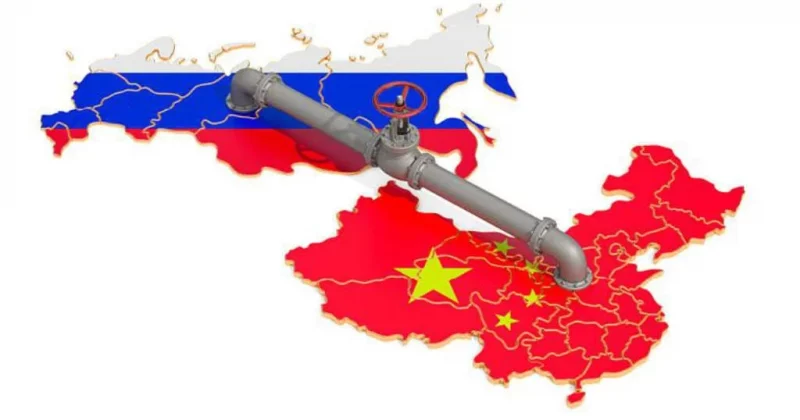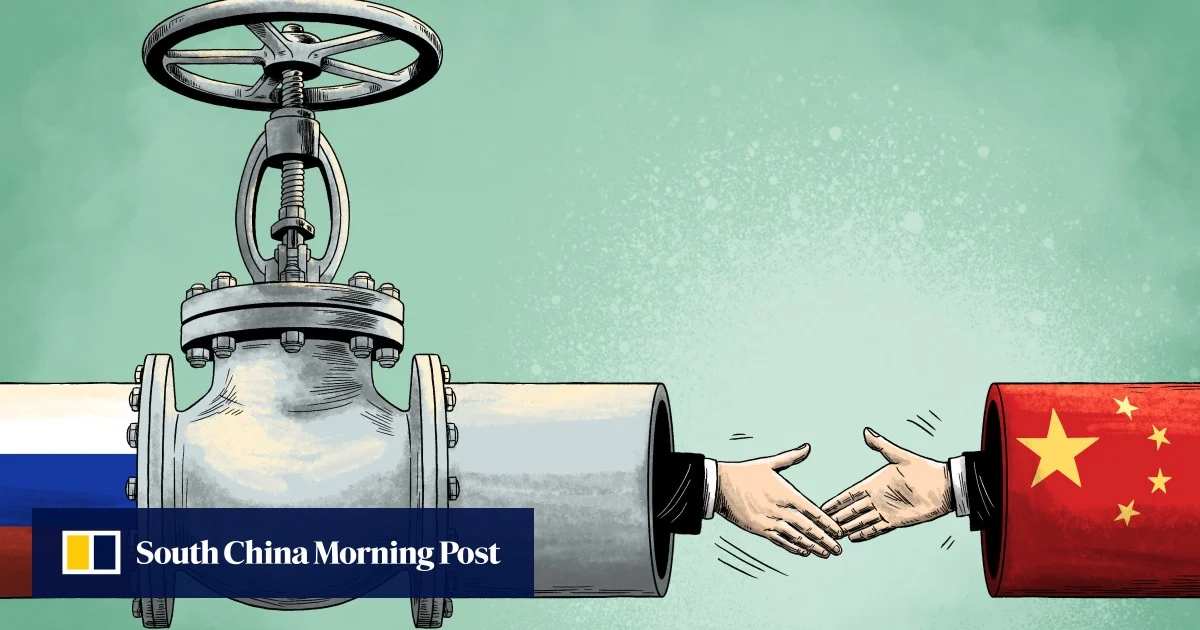
Beijing (AFP) – Russia has been pushing for years to build a new pipeline to China to deliver billions of dollars' worth of natural gas to its close ally.
Issued on: 19/05/2026 - 15:10
3 min Reading time
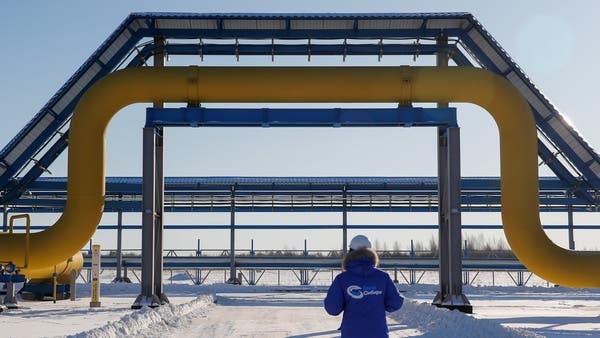
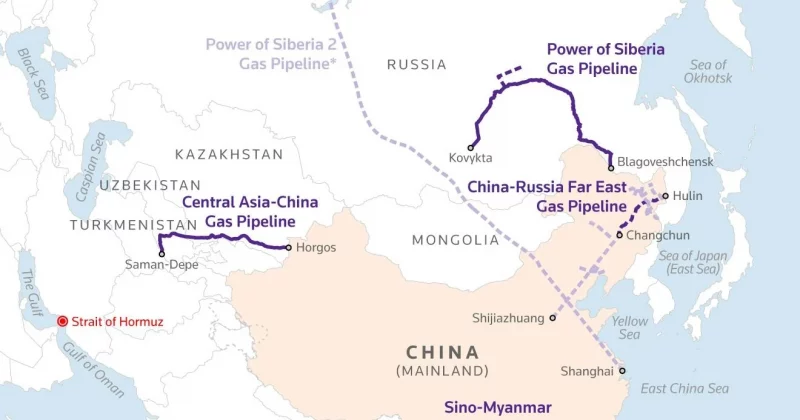
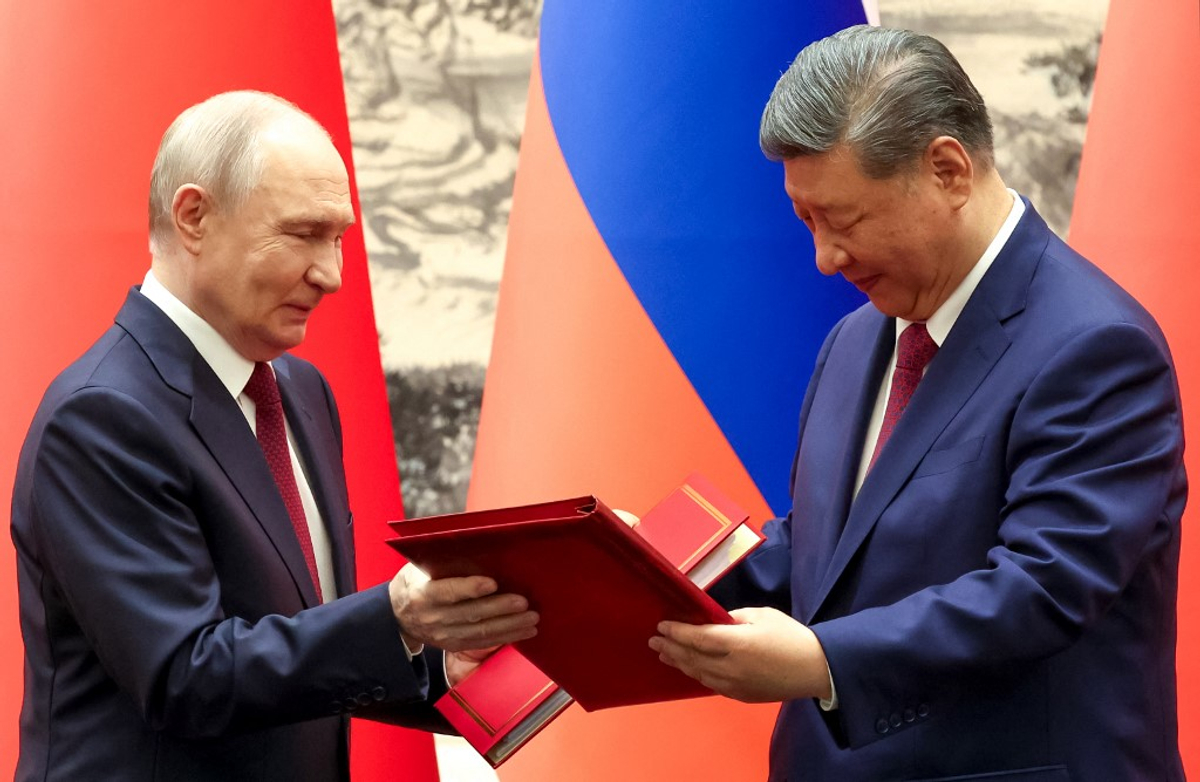
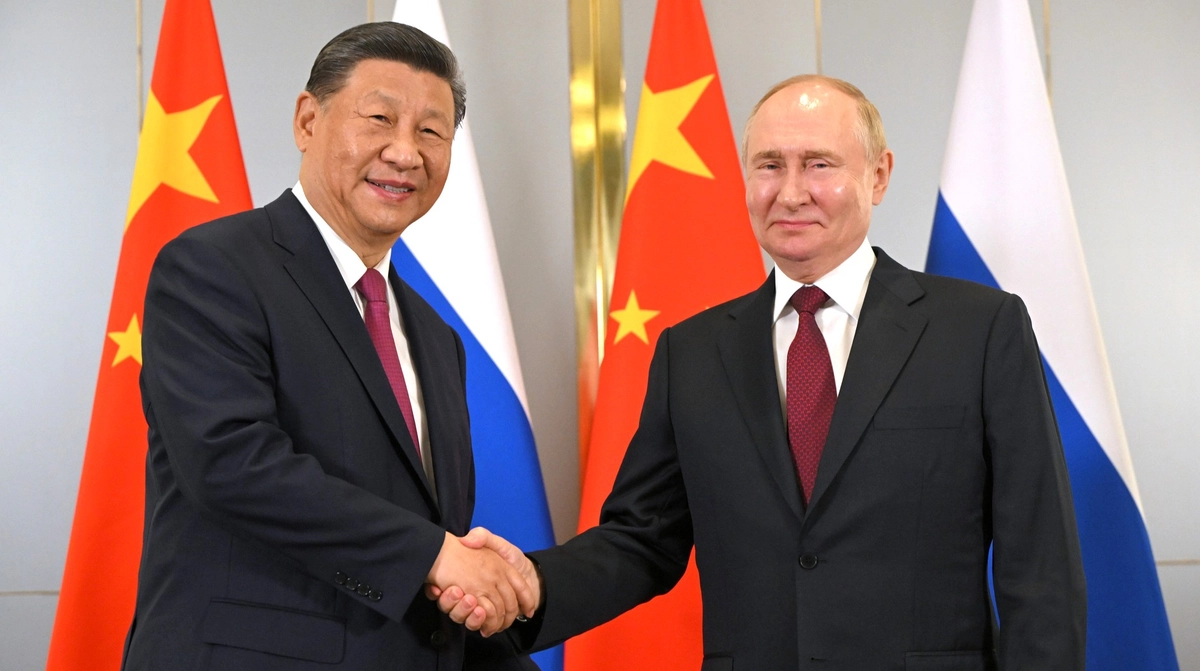
But progress has been slow amid hesitation in Beijing.As Russian President Vladimir Putin arrives for talks with his counterpart Xi Jinping, here is what AFP knows about the proposed pipeline:50 billion cubic metresThe 2,600-kilometre (1,600-mile) route would run from the Yamal peninsula in northern Siberia through Mongolia into China.It would carry around 50 billion cubic metres of gas a year, equivalent to around 12 percent of China's estimated total gas consumption in 2025.Crucially for Russia, the gas would be supplied from fields that previously served Europe, where exports of pipeline gas have plunged since Moscow launched its invasion of Ukraine in 2022.That differs from the existing Power of Siberia pipeline, launched in 2019, which has the capacity to move around 38 billion cubic metres of gas annually from eastern Siberia to northeastern China."For Russia, it is a strategic lifeline after losing most of its European gas market," said Alexander Korolev, a political scientist at UNSW Sydney in Australia. "For China, the pipeline is about energy security and leverage, and less about dependence. It diversifies supply away from maritime chokepoints," he said.Stalled progressFirst proposed by Putin in 2006 alongside what became the first Power of Siberia pipeline, Beijing has said little about a second pipeline, and construction has not started.Russia's state-owned Gazprom said last year that it had signed a legally binding 30-year supply agreement with the China National Petroleum Corporation (CNPC) that would underpin the pipeline.But details were scant, including on the critical issue of price.In a statement at the time, China's foreign ministry said only that Xi and Putin had signed "over 20 bilateral cooperation documents" in fields including energy, aerospace, artificial intelligence and agriculture, without mentioning the Power of Siberia 2.China's attitude to the project for years was "if it happens, great, if it doesn't, we'll manage", said Alexei Gromov, head of the Russia-based Institute for Energy and Finance.New momentumThat may now have changed, as Russia hopes to seize on energy volatility triggered by the war in the Middle East and the closure of the Strait of Hormuz to kick-start the project."The current crisis could boost the chances of the Power of Siberia 2 pipeline being built," said Natasha Kuhrt, lecturer in international peace and security at King's College London.