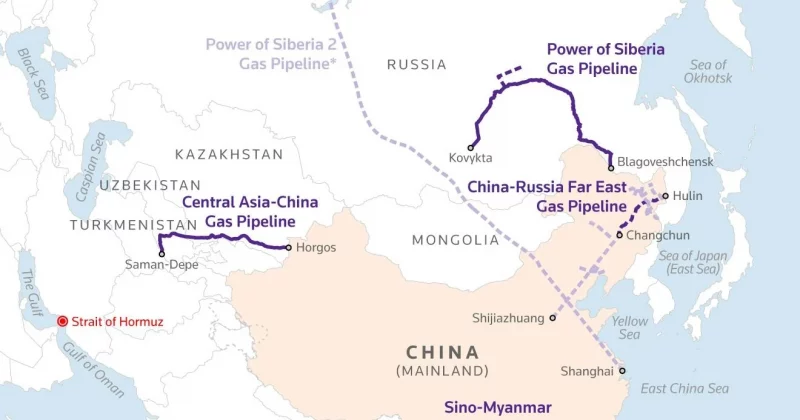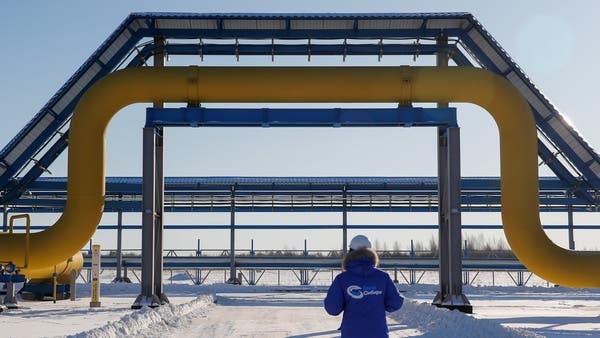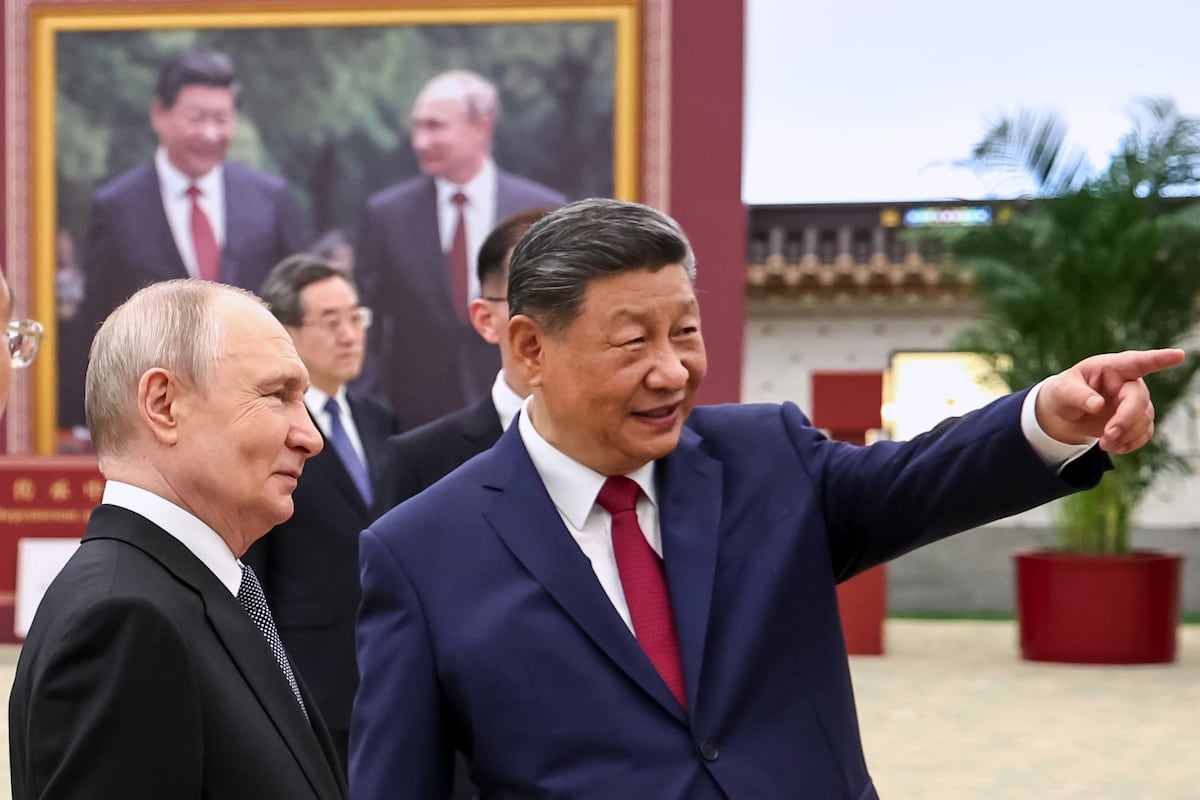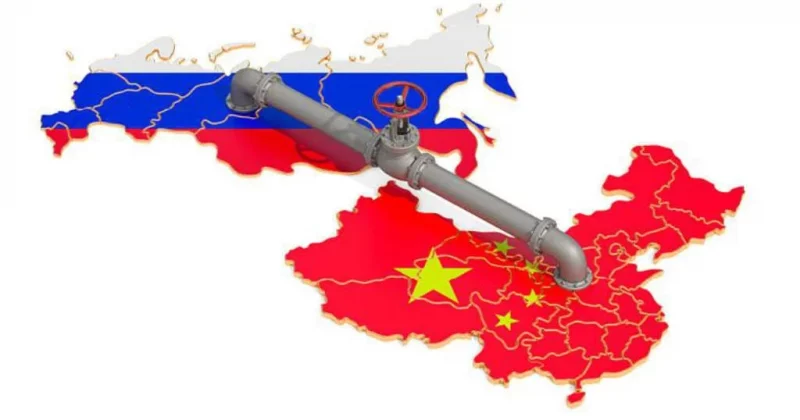
Russia’s Gazprom and China have reached what Moscow describes as a legally binding agreement on the route for the Power of Siberia 2 pipeline, a massive natural gas artery designed to carry 50 billion cubic meters of gas per year from Siberia to northern China. The deal, if fully realized, would represent one of the most significant energy infrastructure commitments of the decade, and it has implications that reach well beyond hydrocarbons.
The pipeline would stretch roughly 2,600 kilometers, running from Russia’s Yamal gas fields through Mongolia and into China’s northern provinces. Gazprom is targeting a 30-year operational lifespan, with first deliveries expected around 2030.
What the deal actually looks like
Moscow is calling this a done deal, but Beijing’s public posture has been notably more measured. Pricing terms and construction timelines remain unresolved.
China has significant leverage here. Russia desperately needs to replace the European gas revenue it lost after invading Ukraine, while China has the luxury of multiple competing suppliers and a growing LNG import market. The 50 bcm annual capacity would match roughly half of China’s total LNG imports in 2023, giving Beijing a massive new source of piped gas but also giving it reason to negotiate hard on price.