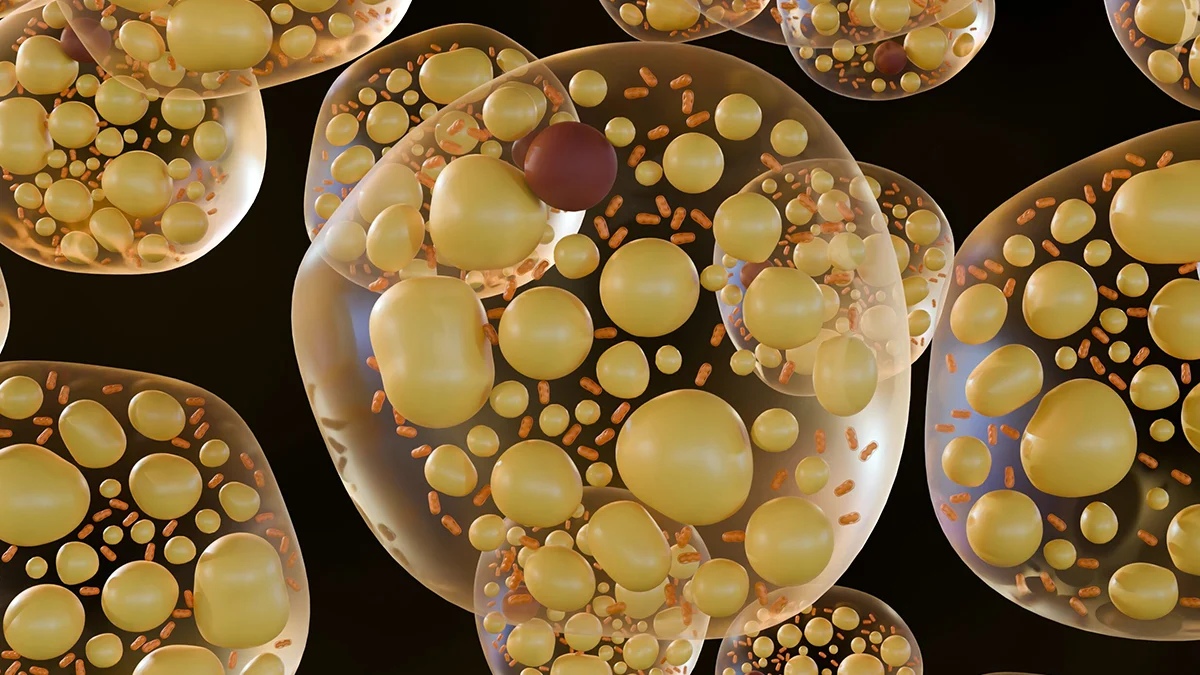
Scientists have made an important discovery about brown fat cells. (Love Employee/iStock/Getty Images Plus)
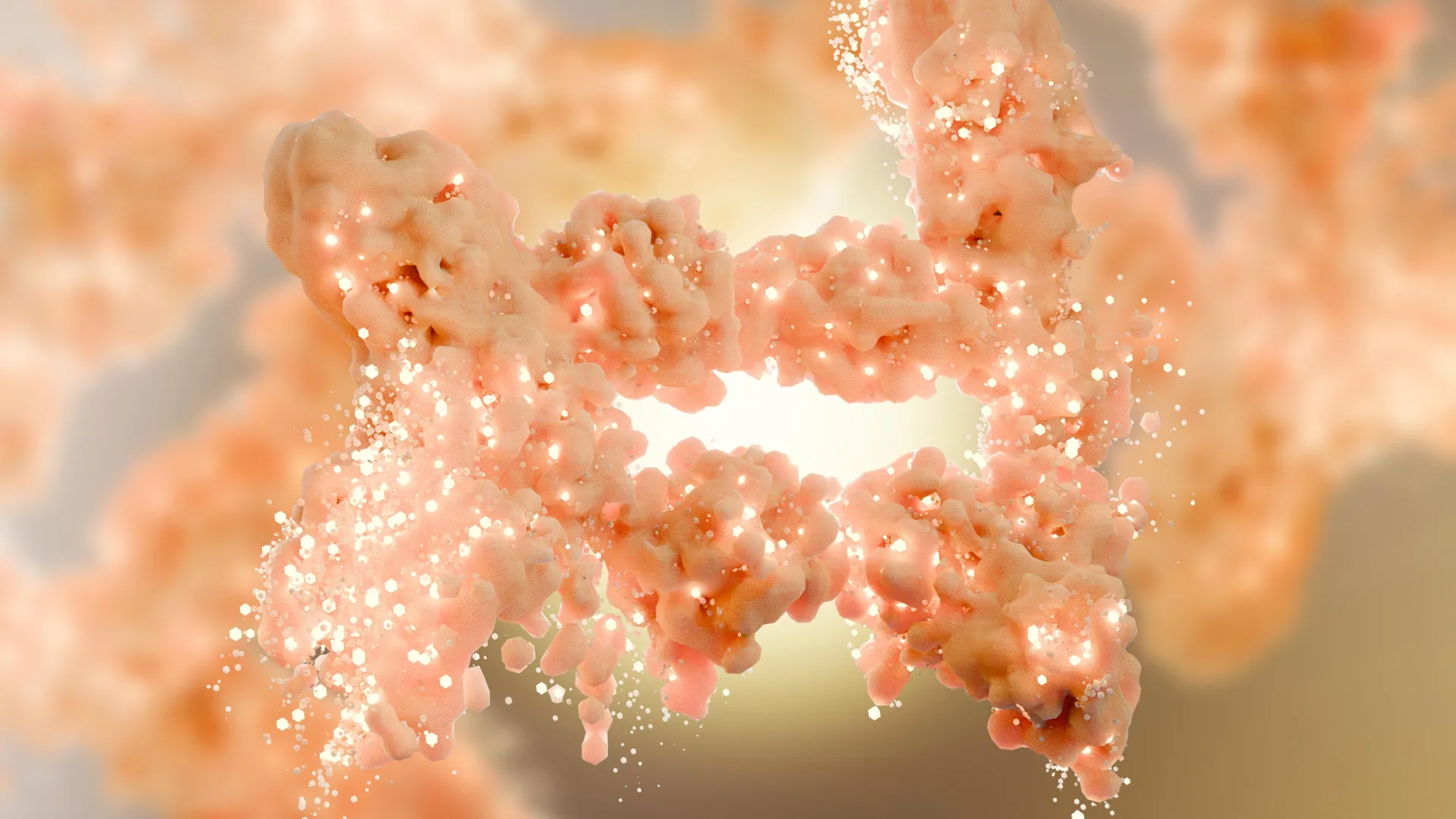
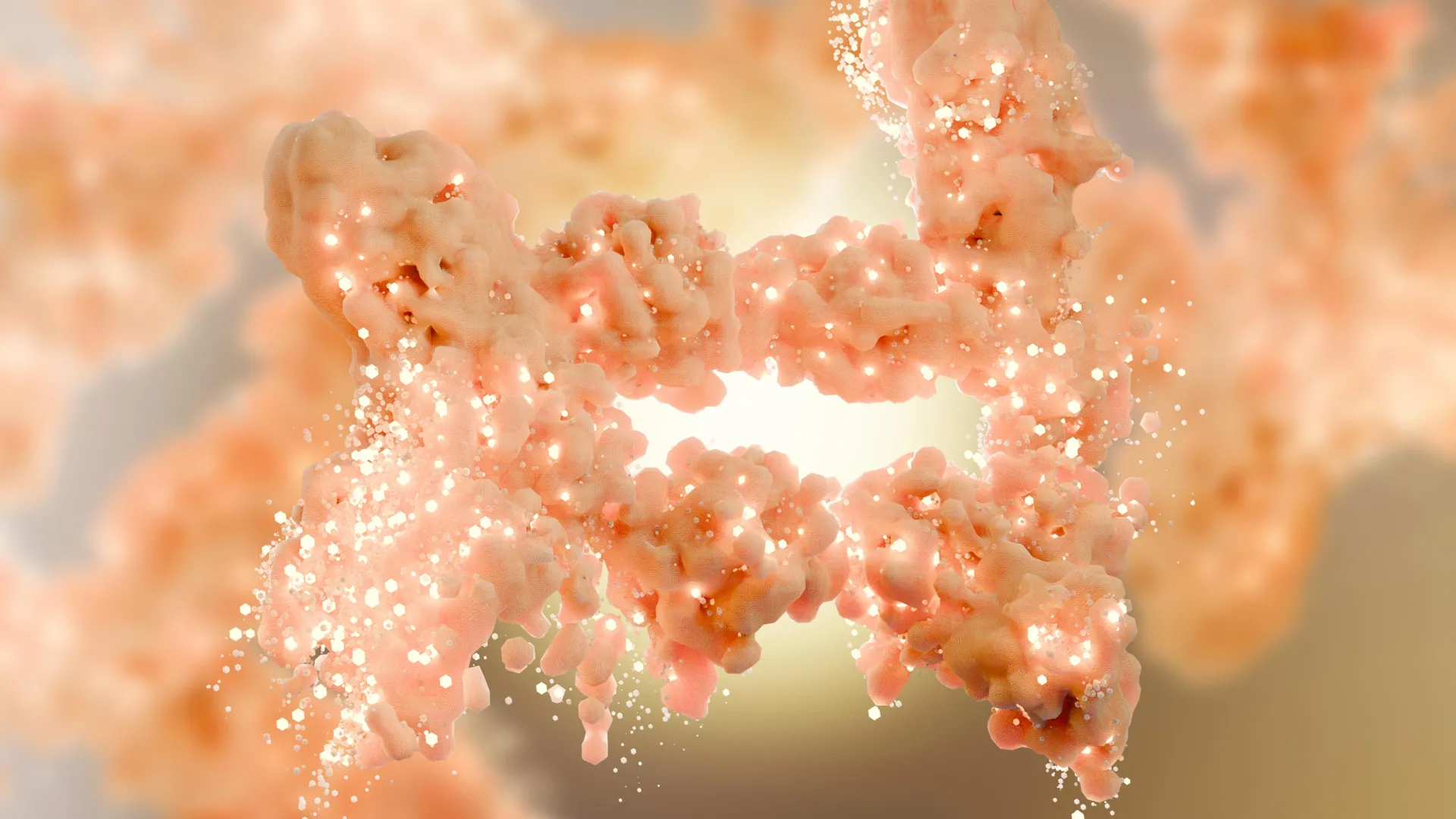
Knowing how the body burns fat is crucial to understanding all kinds of metabolic systems – for regulating body temperature, weight, energy levels, and more – and researchers just discovered a new molecular 'dial' controlling fat burning in mice.The study, led by a team from McGill University in Canada, focuses on brown fat (or adipose tissue), which the body holds in smaller amounts than white fat. Whereas white fat is primarily for energy storage and is linked to weight and obesity, brown fat's main job is to burn calories to keep us warm.It was recently discovered that there are not one, but two ways, brown fat generates heat: a long-known process linked to the UCP1 protein and a newer process called the futile creatine cycle.The TNAP enzyme, pictured here, plays a key role in the futile creatine cycle, which fuels heat production from brown fat. (Hussain et al., Nature, 2026)Until now, it hasn't been clear how the futile creatine cycle gets going – so identifying the dial that controls it has implications for improving health in several areas."This is the first time we've identified how an alternative heat-producing pathway is activated, independent of the classic system," says biochemist Lawrence Kazak, from McGill University."That opens the door to understanding how multiple energy‑burning systems work together to keep the body warm at the just-right temperature."The discovery was made through a careful examination of brown fat in mice exposed to the cold, and the chemicals that accumulated.These chemicals were then tested against an enzyme known to be key to the futile creatine cycle: tissue-nonspecific alkaline phosphatase (TNAP).The researchers discovered that glycerol, the backbone of some fat molecules, could activate TNAP. Advanced 3D mapping of the enzyme revealed how: Glycerol binds to a specific cavity in TNAP, which the researchers dubbed the 'glycerol pocket'.To verify their findings, the team looked at a rare bone disease linked to low TNAP levels called hypophosphatasia, where bones don't calcify properly, making them soft and weak.They analyzed genetic records of around 500,000 people in the UK Biobank database, and linked mutations in the glycerol pocket with lower bone density and reduced TNAP activity – further evidence that TNAP works as a crucial molecular dial."This finding," says McGill University cell biologist Marc McKee, "opens the door to a new kind of treatment, where increasing the activity of the TNAP enzyme through its glycerol pocket by natural or synthetic bioactive compounds could potentially boost the beneficial actions of the enzyme in patients, to help restore deficient bone mineralization to healthy levels."It's early days to talk about treatments, but identifying how this brown fat heat-producing pathway is turned on is a major step towards controlling it.At the moment, enzyme replacement therapy is used for hypophosphatasia, but it requires three injections a week. The researchers hope their work could lead to medications that are easier to administer. Drug candidates are already being assessed.And while bone health might be the more direct connection here, there are also implications for tackling obesity and diabetes – conditions where energy expenditure is important.Related: Study of Over 50,000 People Links Brown Fat With Better Health OutcomesPast research has linked the futile creatine cycle to obesity in mice, though it's worth noting that these rodents have more brown fat than humans do, relative to their body size.Future research may explore the role of TNAP in those conditions, but for now, we have new insight into a crucial mechanism for energy burning: two pathways that work alongside each other, but operate independently."Our work not only expands the conceptual framework of energy-dissipating pathways but also opens avenues for structure-guided design of TNAP activators, offering a targeted alternative to enzyme replacement therapy for skeletal disease," the researchers write in their published paper."The broader implications may extend well beyond adipose and bone."The research has been published in Nature.