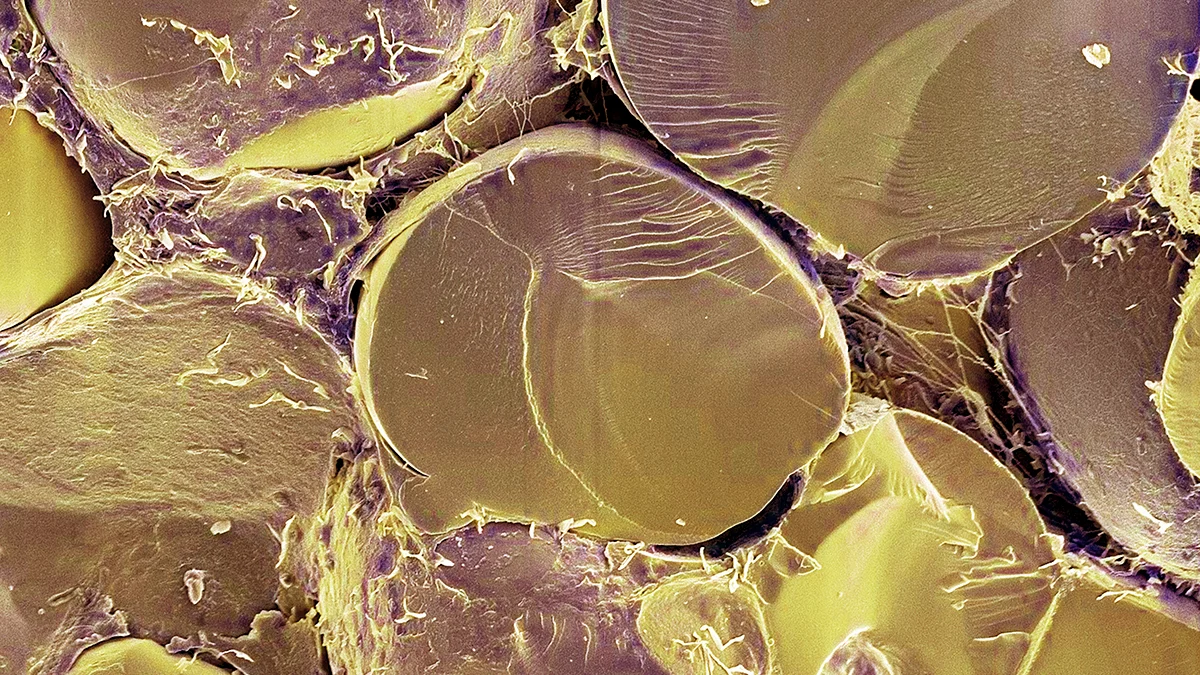
Scientists have uncovered a molecular "switch" in mice that turns on a hidden energy-burning system inside brown fat, a discovery that could eventually help researchers develop new treatments for bone disease.
The findings, published in Nature, provide new insight into how brown fat works. Unlike white fat, which stores energy, brown fat burns calories to generate heat. Scientists long believed this heat production depended on a single biological pathway. In recent years, however, researchers identified a second pathway operating alongside the original one, but they did not know what activated it.
A team led by Lawrence Kazak at McGill University's Rosalind and Morris Goodman Cancer Institute has now identified the molecular trigger for this alternative system, known as the futile creatine cycle.
Scientists Identify Brown Fat "On Switch"
When the body is exposed to cold temperatures, it breaks down stored fat to create heat. That process releases glycerol, a molecule produced during fat metabolism. Working with McGill structural biologist Alba Guarné, Canada Research Chair in Macromolecular Machines in DNA Damage and Repair, the researchers discovered that glycerol binds to an enzyme called TNAP in a region they describe as the glycerol pocket. This interaction activates the alternative heat-producing pathway.