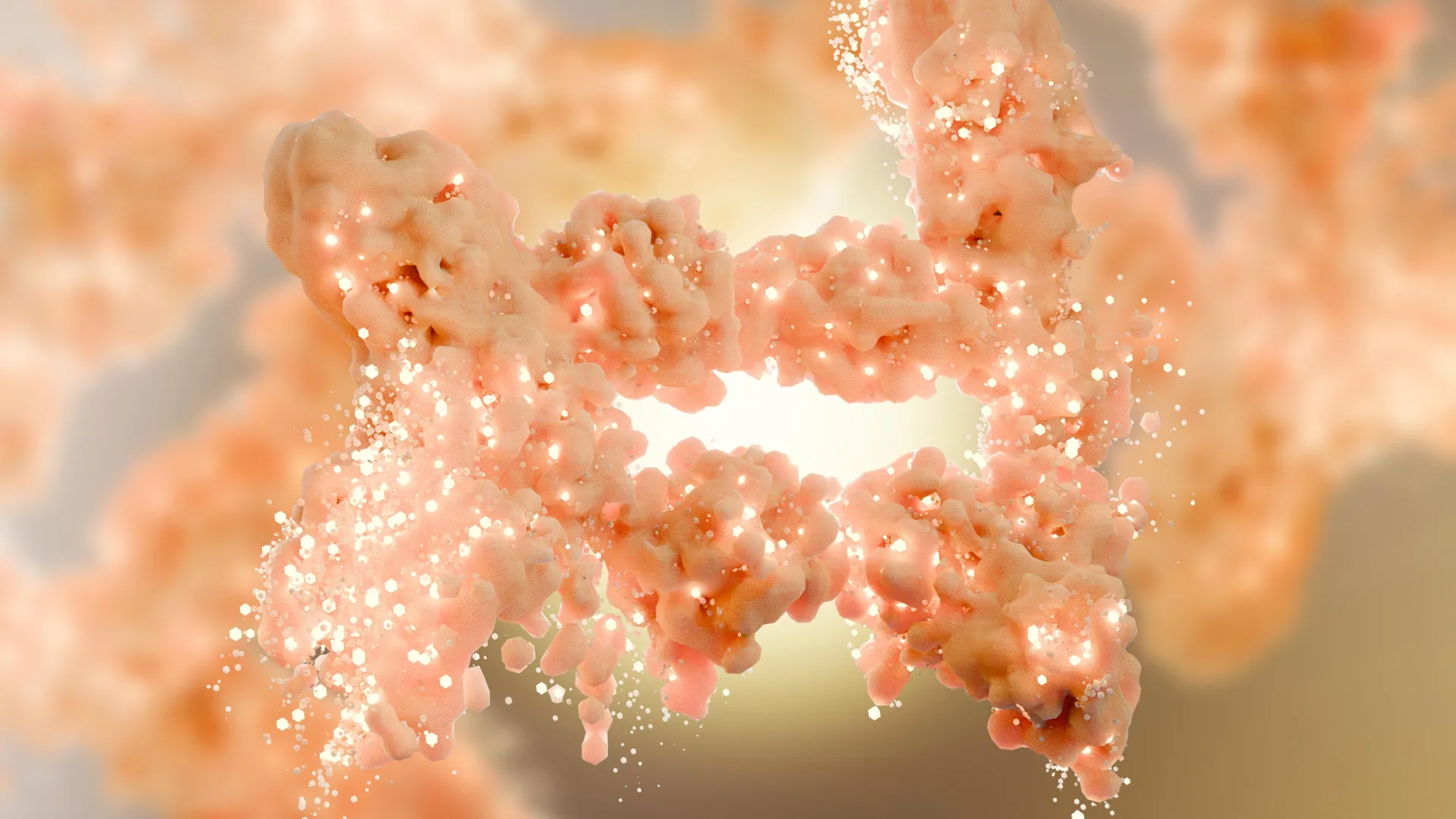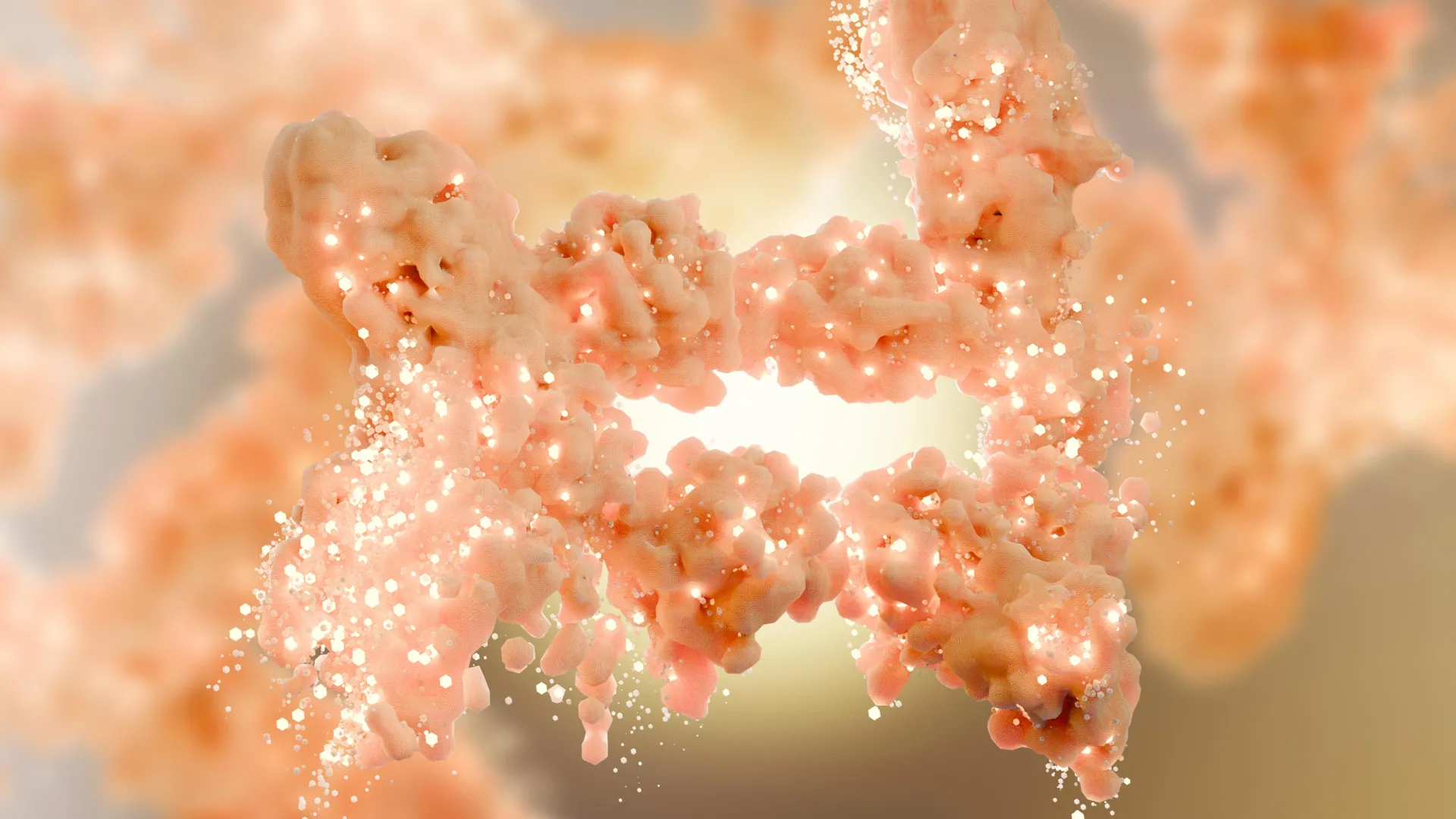
For decades, scientists believed they understood one of the body's key fat-burning proteins. Known as hormone-sensitive lipase, or HSL, the enzyme was thought to work mainly as the body's emergency fuel switch, helping release stored fat when energy runs low.
But researchers uncovered something unexpected. HSL was not just working on the surface of fat droplets inside fat cells. It was also operating deep inside the nucleus of those cells, where DNA is stored and important genetic activity is controlled. The discovery revealed an entirely different side to a protein scientists had studied since the 1960s.
The findings, published in Cell Metabolism, helped solve a long-standing mystery in obesity research and opened new directions for understanding diabetes, heart disease, and other metabolic disorders.
Fat Cells Do Far More Than Store Calories
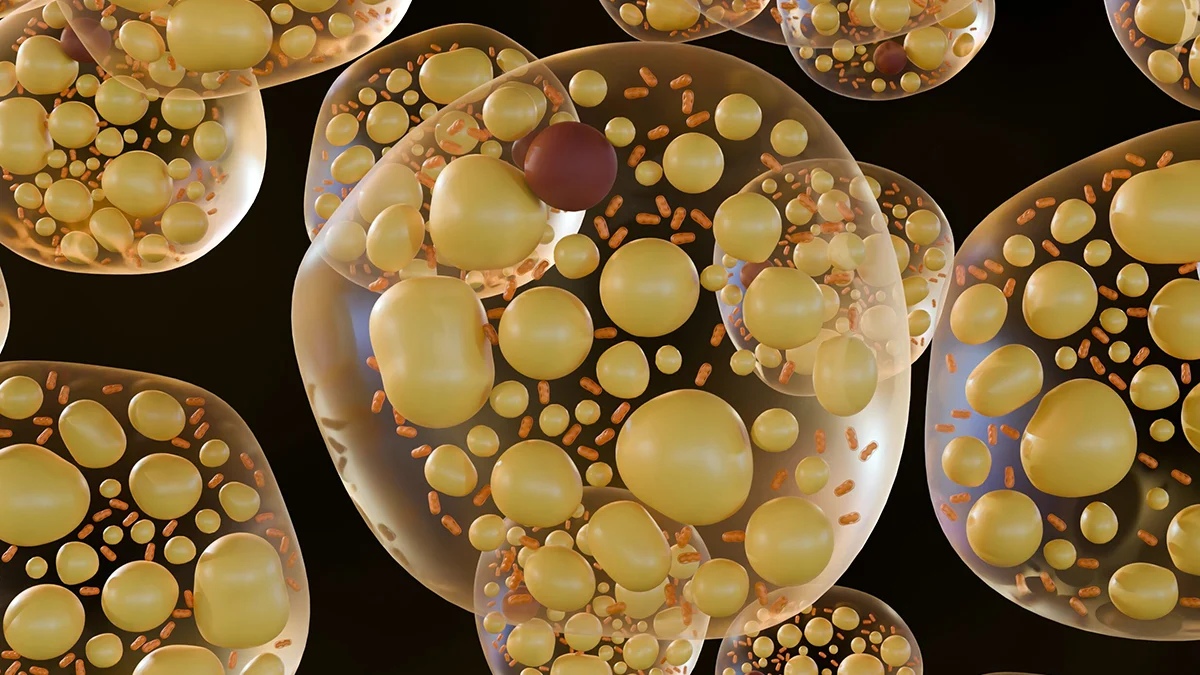
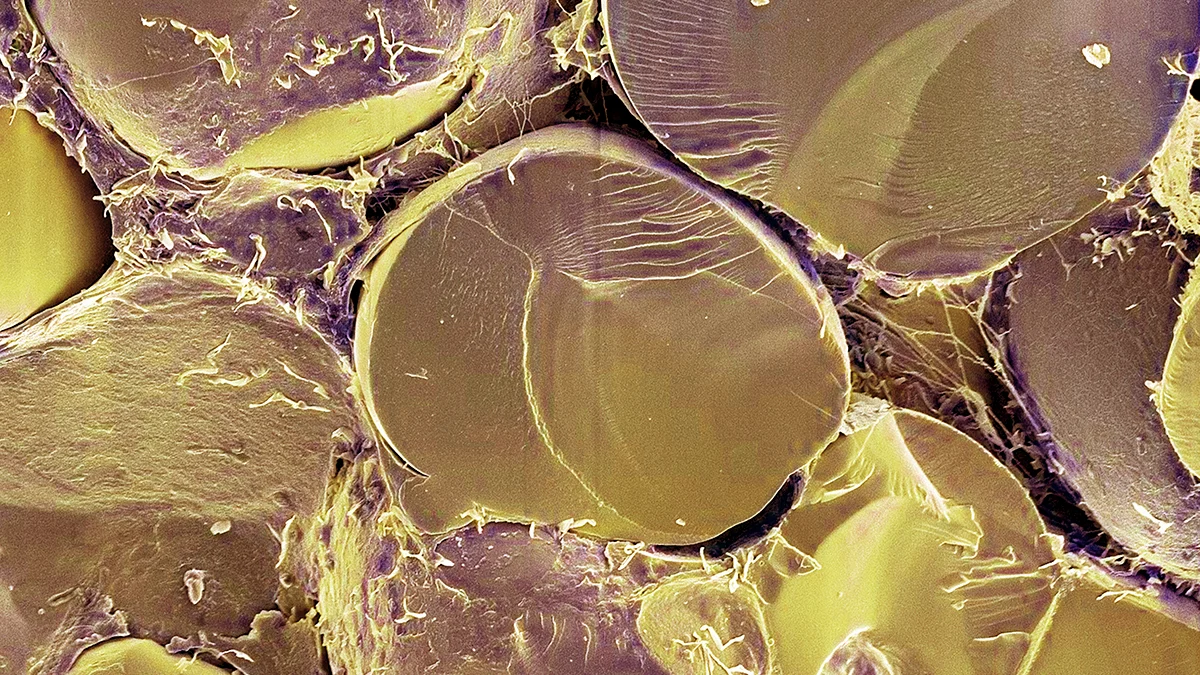
Fat cells, also called adipocytes, are often viewed as passive storage containers for excess calories. In reality, they are highly active cells that help regulate the body's entire energy system.