AN EXPERIMENTAL OBESITY pill that works in a different way from the wildly popular Ozempic may help people lose weight, according to results from a small, preliminary human trial.
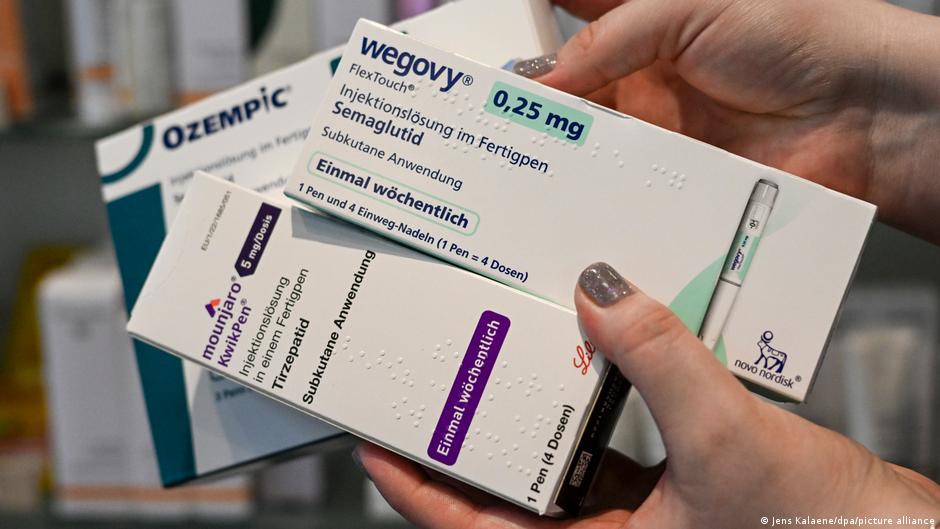
Ozempic and other GLP-1 drugs reduce food intake by stimulating a feeling of fullness. They act on the brain to promote satiety and on the gut to slow the movement of food through the stomach, helping people feel full longer. As a result, people on the drugs lose weight because they eat less.
But a new drug may be able to burn energy, and thus fat, without reducing appetite. In a Phase I trial described today in the journal Nature Metabolism, the drug led to statistically significant weight loss in participants after two weeks. Dubbed SANA, the drug is derived from salicylate, a compound used to make aspirin. Developed by Eolo Pharma of Montevideo, Uruguay, it activates a pathway called creatine-dependent thermogenesis.
Creatine is perhaps best known as a nutritional supplement taken after exercise to help build muscle mass, but the compound also occurs naturally in the human body and is important for energy production.
“It has been known for a long time that creatine has good effects on metabolism,” says Carlos Escande, cofounder and chief scientific officer of Eolo. In the 1970s, researchers found that rats exposed to cold used a lot of creatine. It wasn’t until a decade ago that a Harvard team found that creatine is used in fatty adipose tissue during exposure to cold to generate heat.