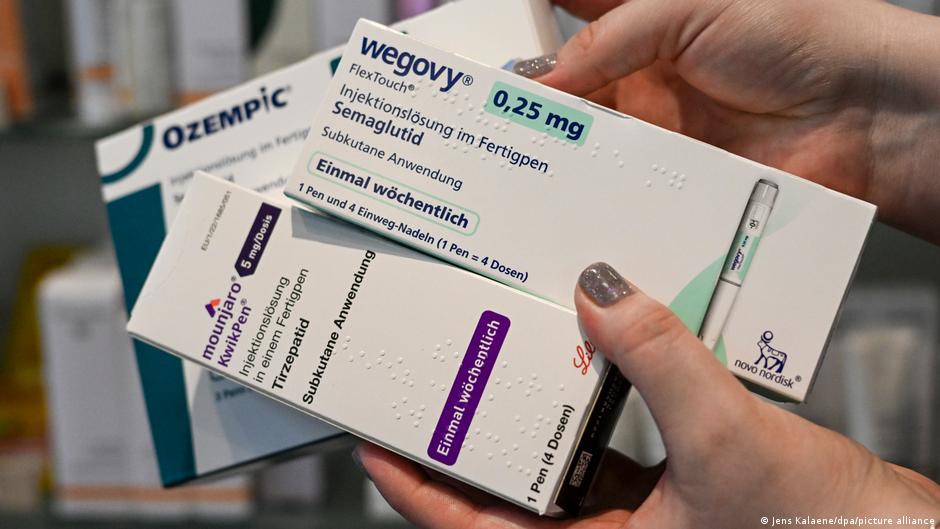
By now, very few people haven’t heard of Ozempic. Originally developed to treat type 2 diabetes by mimicking hormones that regulate blood sugar, the medication quickly became better known for its powerful impact on weight loss due to the way the same mimicking hormones affect appetite.
But while Ozempic is arguably the most recognizable drug in its class, it isn’t the only medication approved for weight management. Others include Wegovy and Saxenda, while newer drugs like tirzepatide (sold as Mounjaro and Zepbound) work through related hormonal pathways.
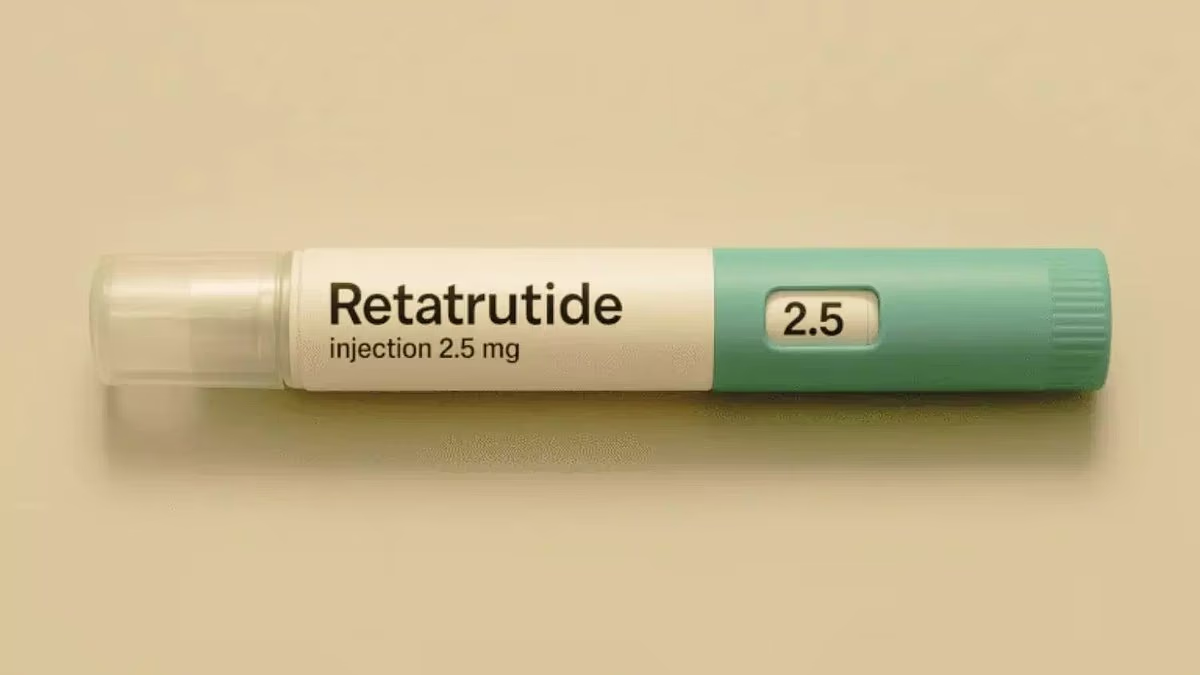
Now, additional drugs are generating even greater attention, with retatrutide dominating conversations and clinical trials alike, despite the medication not yet approved by the U.S. Food and Drug Administration (FDA). “Retatrutide is still under investigation, and long-term safety, dosing and side-effect profiles are still being evaluated,” says Dr. John Burns, a board-certified plastic surgeon and the president at Dallas Plastic Surgery Institute.
Here’s what researchers currently know about the drug, how it works and how it differs from existing weight management medications.
Retatrutide is an experimental injectable weight-loss medication being developed by the pharmaceutical company Eli Lilly. “It is sometimes referred to as a ‘triple-agonist’ medication because it targets three key metabolic hormone receptors involved in appetite control and energy balance,” explains Burns.