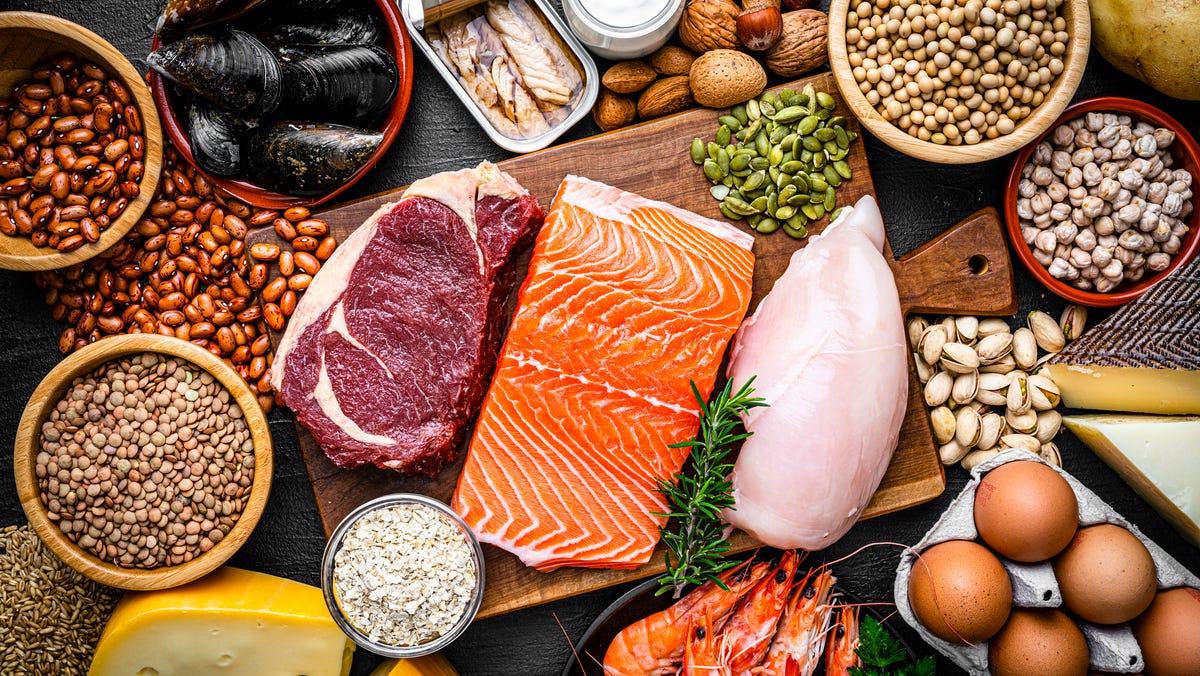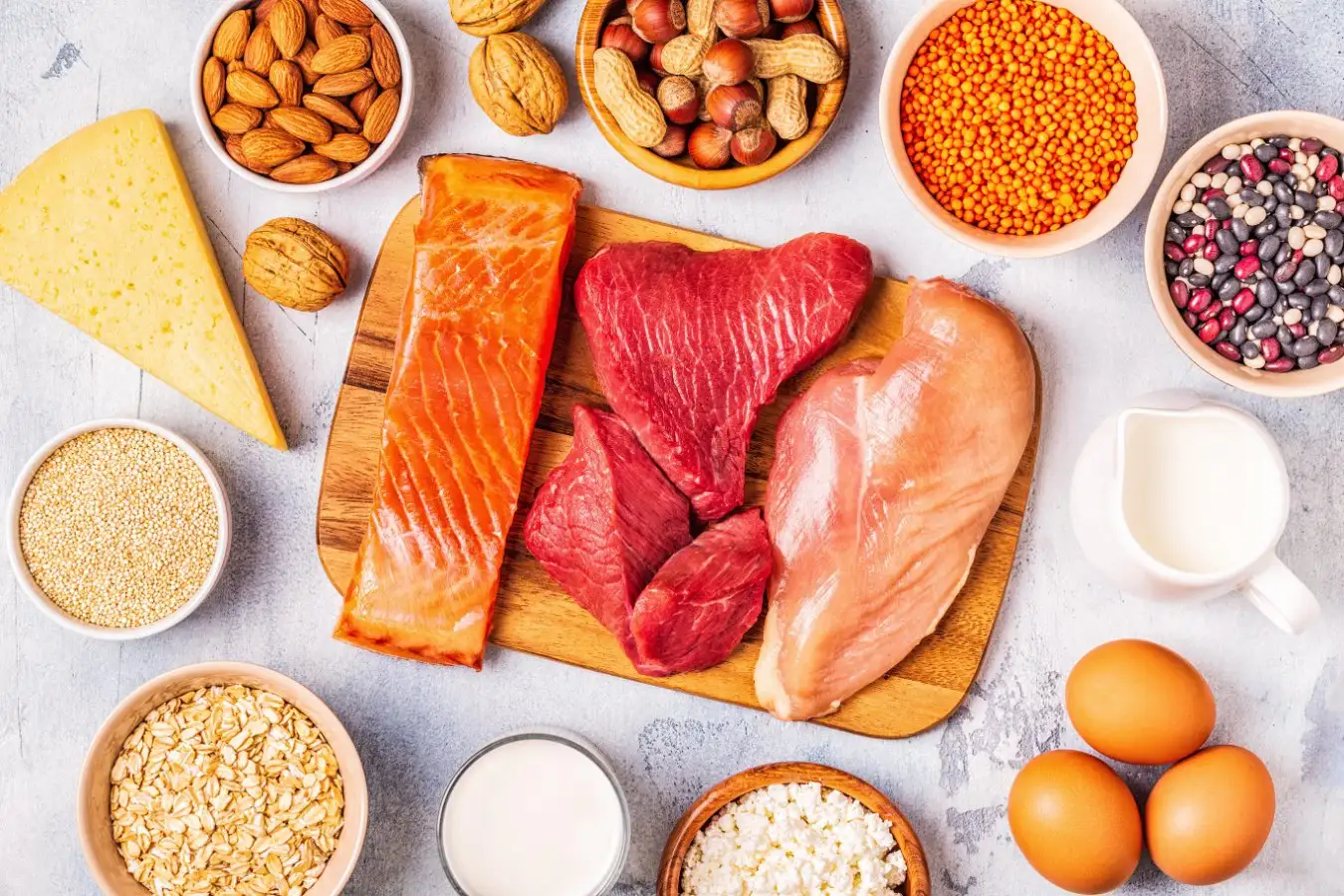
There are many sources of protein in your dietTatiana Bralnina/Alamy
From powders to popcorn to pancakes – supermarket shelves are awash with products stuffed with protein, but what is behind this nutritional trend? Donald Layman at the University of Illinois at Urbana-Champaign takes some responsibility for the craze, having conducted more than 100 studies over the decades, mostly focusing on one amino acid: leucine. Layman has consistently linked leucine, which is found in dietary protein, to muscle growth and repair. This helped make protein a wonder nutrient for young people seeking a honed physique and for older individuals looking to limit the muscle loss that naturally occurs with age. Here, he tells New Scientist the three most important things we should know about protein.
1. The protein craze is overblown
If you care enough to read an article about protein, you’re probably sufficiently conscious of your food choices to not be deficient in it. The latest US dietary guidelines recommend a target of 1.2 to 1.6 grams of protein per kilogram of body weight every day. This is easy to achieve if you consume a balanced, omnivorous diet without too much ultra-processed food.
While there’s no good evidence of our health being harmed if we consistently consume more protein than this, its benefits don’t consistently rise alongside a higher intake. In fact, the effect of protein on muscle growth and repair appears to plateau at daily intakes above 1.6 grams per kilogram of body weight per day, or at meals with more than 60 grams of protein.