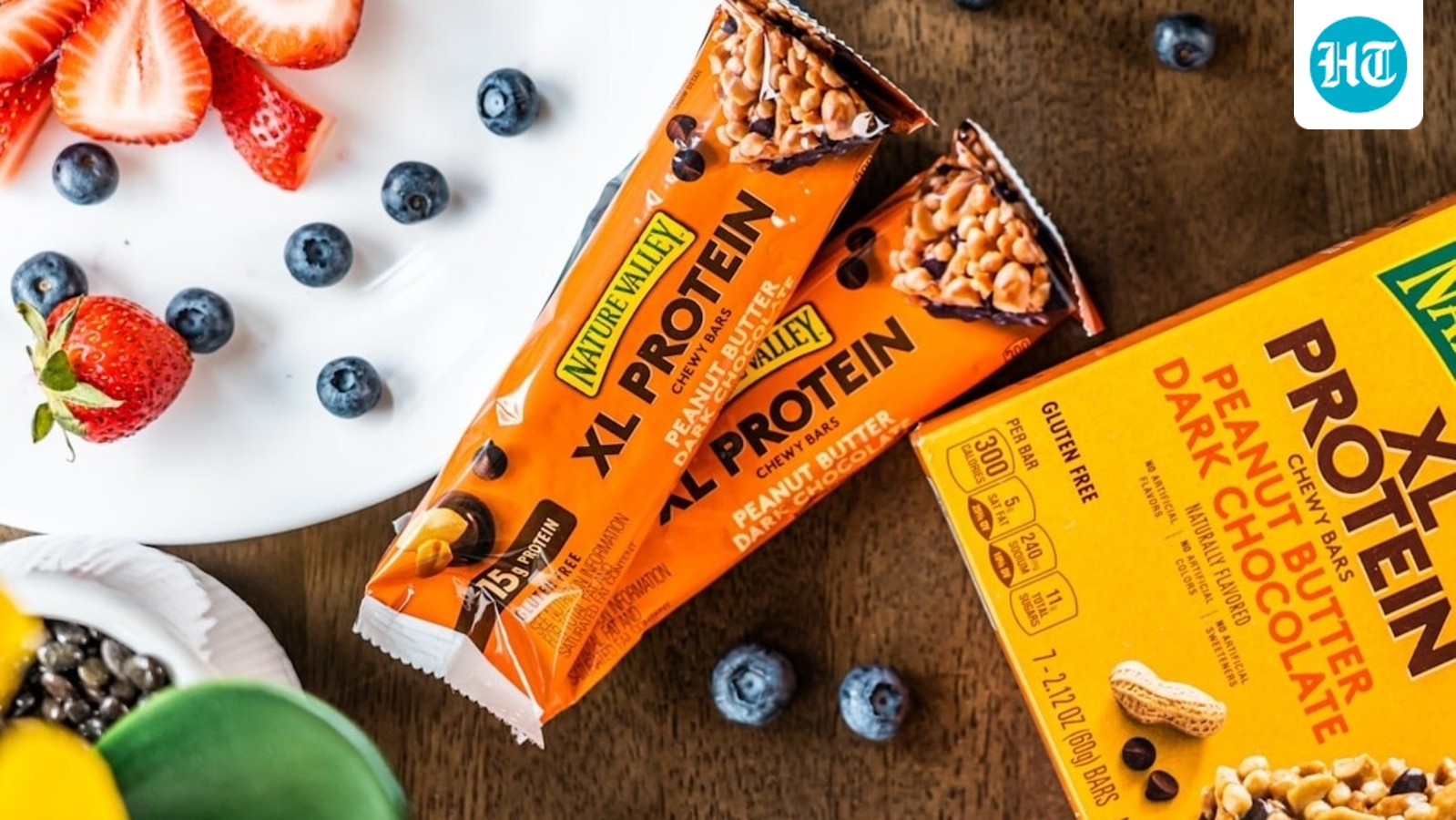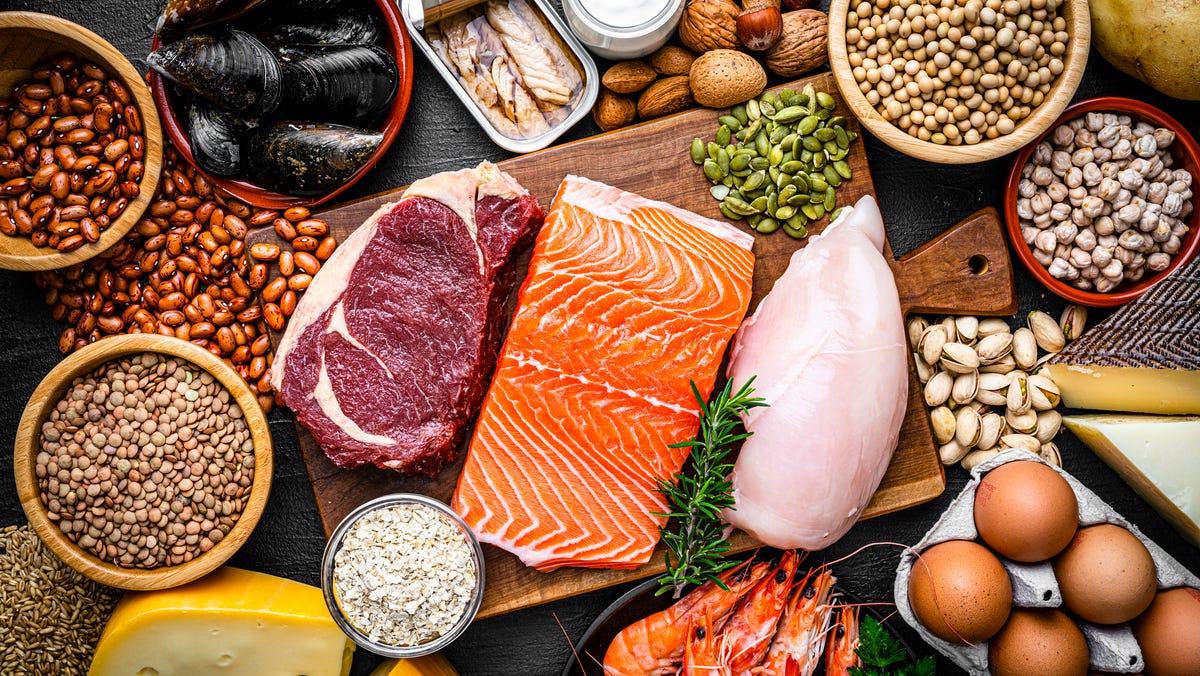
Whether it’s at the gym, in a doctor's or dietitian's office or simply while shopping at the grocery store, it’s hard to miss the constant reminders to eat more protein. After all, protein-boosted smoothie recipes, meal kits, fitness ads and even snack packaging are everywhere, each seeming to promise better energy, stronger muscles or easier weight control than the last. And today, there's more emphasis on protein intake than ever, fueled in part by recent updates to U.S. Dietary Guidelines.
This level of attention makes sense, as protein is far more than a trendy nutrient or fitness buzzword. It's a fundamental part of what makes our bodies work and is “in nearly every structure and function in the body,” says Amy Goodson, a nutritionist and registered dietitian at The Sports Nutrition Playbook. Indeed, from the way our cells communicate, to how our immune systems protect us, to how our muscles move and repair themselves, protein is constantly at work behind the scenes.
Yet despite such importance and emphasis, many people still don’t fully understand how protein works, why it matters or the best ways to get enough of it in their diet. Here’s what to know.
Protein is one of the body’s three macronutrients, along with carbohydrates and fat. Each provides calories and energy, but they serve different purposes. Protein's main role is to supply the building materials your body needs to grow, repair and function.