Story audio is generated using AI
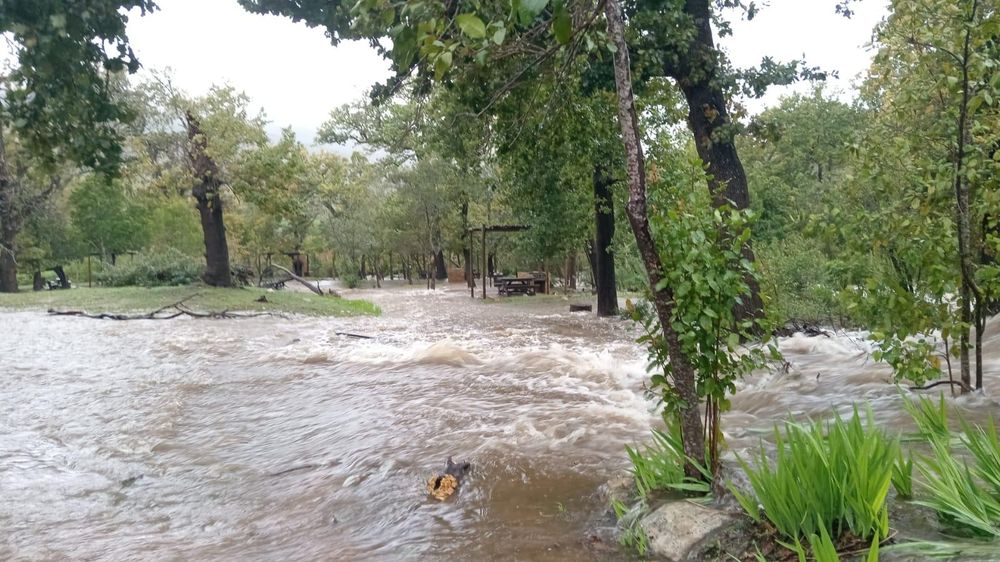
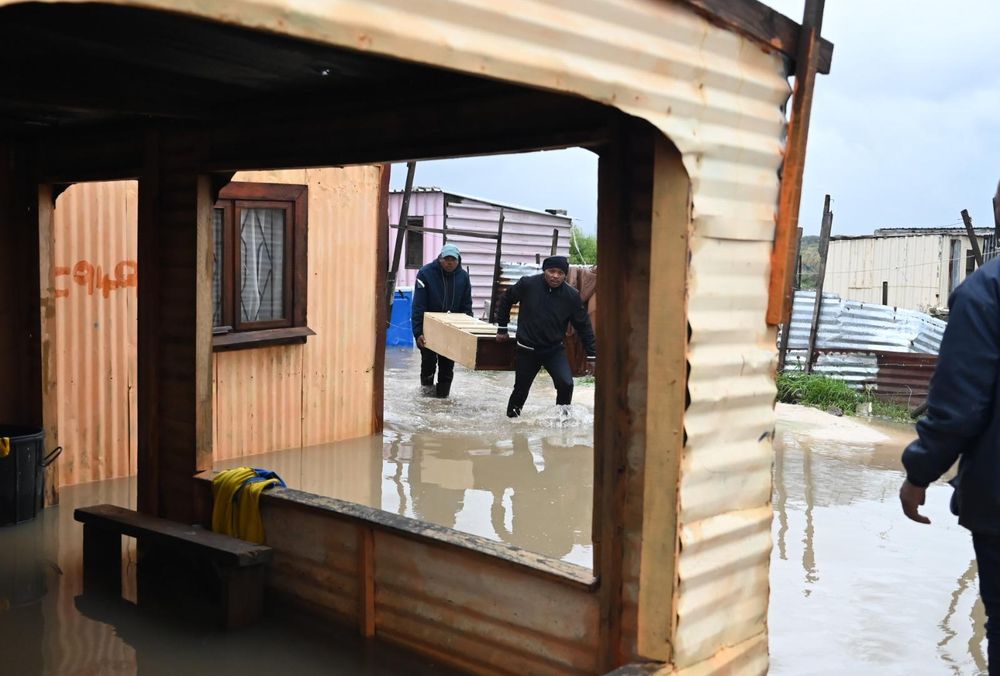
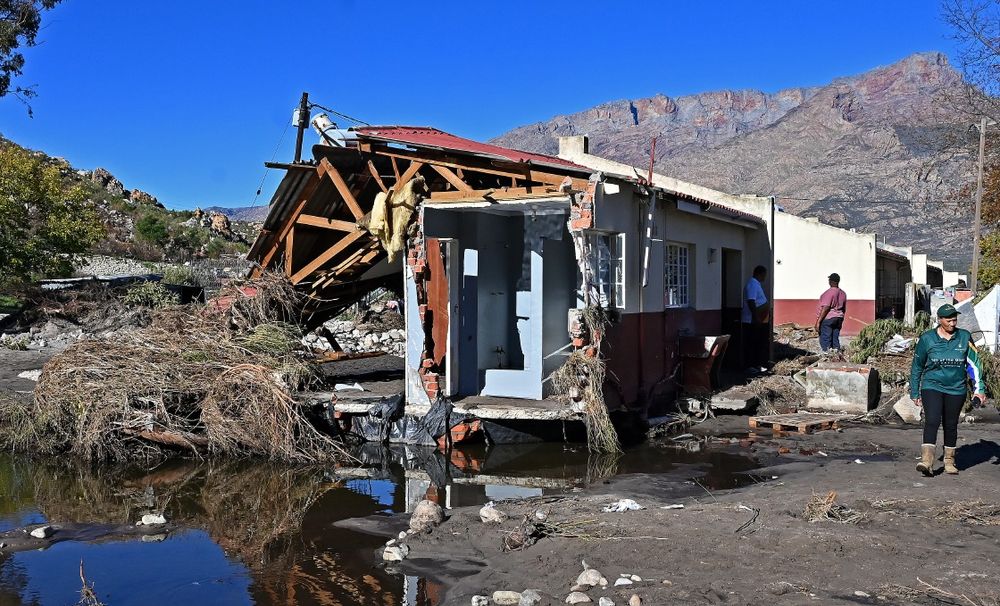
The South African Table Grape Industry (SATI) is pleading with both the Western Cape and national governments to provide urgent disaster relief and recovery support to grape producers and rural communities affected by recent severe storms, flooding and strong winds across parts of the province.Many farmers are still counting the heavy loss of crops and livestock as well as damage to infrastructure from the inclement weather that ravaged the Western Cape, killing as many as 11 people.Though the 2025/26 harvest season for table grapes — which are consumed as fresh fruit — concluded recently, widespread damage to farming infrastructure has been reported across several production regions, the most severely affected being parts of the Berg River, Hex River and Olifants River regions, SATI said on Tuesday.“A major concern at present is access,” CEO Mecia Petersen said. “In several areas, access roads have been damaged or washed away, leaving some farms inaccessible.”Producers have reported flooded vineyards, collapsed netting and poles, damaged trellising systems and irrigation infrastructure, with some farms having more than a third of their plantings affected.“In some cases, vines that were replanted in August 2025 to replace vineyards damaged during the 2024 floods have now been washed away again. The average cost of establishing one hectare of table grapes can be up to R1.2m, making the financial impact on affected producers extremely severe,” Petersen said.Farmers are in urgent need of relief funding to repair damaged roads, bridges and water infrastructure as they enter a post-harvest period crucial in determining the size, quality and productivity of next season’s table grape crop.In the 2024/25 season, South Africa exported 78.2-million 4.5kg cartons of table grapes, the highest recorded volume to date, with the EU and UK receiving 58% and 18%, respectively.Exports to Canada and the US grew 7% and 20%, respectively, compared with the average for the past five seasons and sales to the Middle East increased 26% over the past year. Exports to China and Hong Kong, however, fell by about 50%.The severe flooding also affected citrus-producing areas in the Western Cape and parts of the Eastern Cape, dealing a blow to the sector’s 2026 prospects after a stellar 2025 season which saw exports surpass those of global industry giant Spain, the Citrus Growers’ Association said last week.“These developments come at a challenging time for growers, who are already facing softer demand in the key export market of the Middle East, as well as rising input and logistics costs, CEO Boitshoko Ntshabele said.On Tuesday, the Western Cape department of agriculture said the sector has been particularly hard hit by the severe weather conditions that affected the province on May 10-13, with extensive damage reported in areas such as the Hex River Valley, Grabouw/Elgin and the Ceres and Worcester regions. In addition to crop losses, irrigation systems, access roads and bridges have been compromised, while power disruptions have affected irrigation, storage and packhouse operations. In several instances, farms have been cut off entirely due to flooded rivers and damaged transport routes.“The knock-on effects are expected to impact the province’s agricultural economy, particularly fruit and wine export supply chains. Delays in harvesting and transport are likely to reduce yields, affect export quality and increase financial losses across the sector,” the department said.The Western Cape government will meet on Wednesday to consider classifying the event a provincial disaster, after which it will approach the National Disaster Management Centre to seek a formal declaration, thereby unlocking additional national resources to support recovery efforts.Business Day