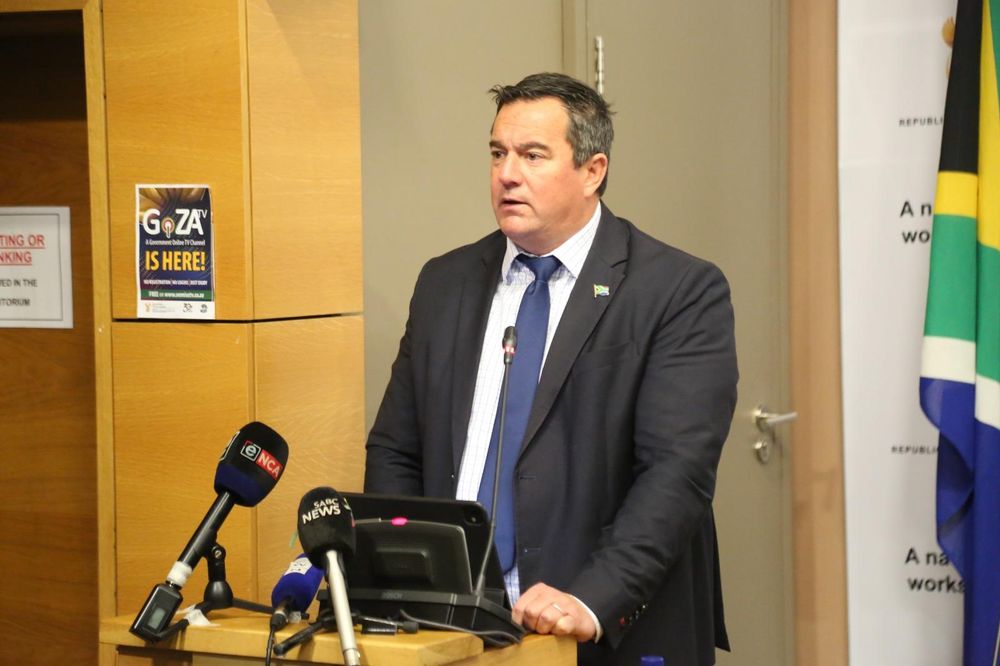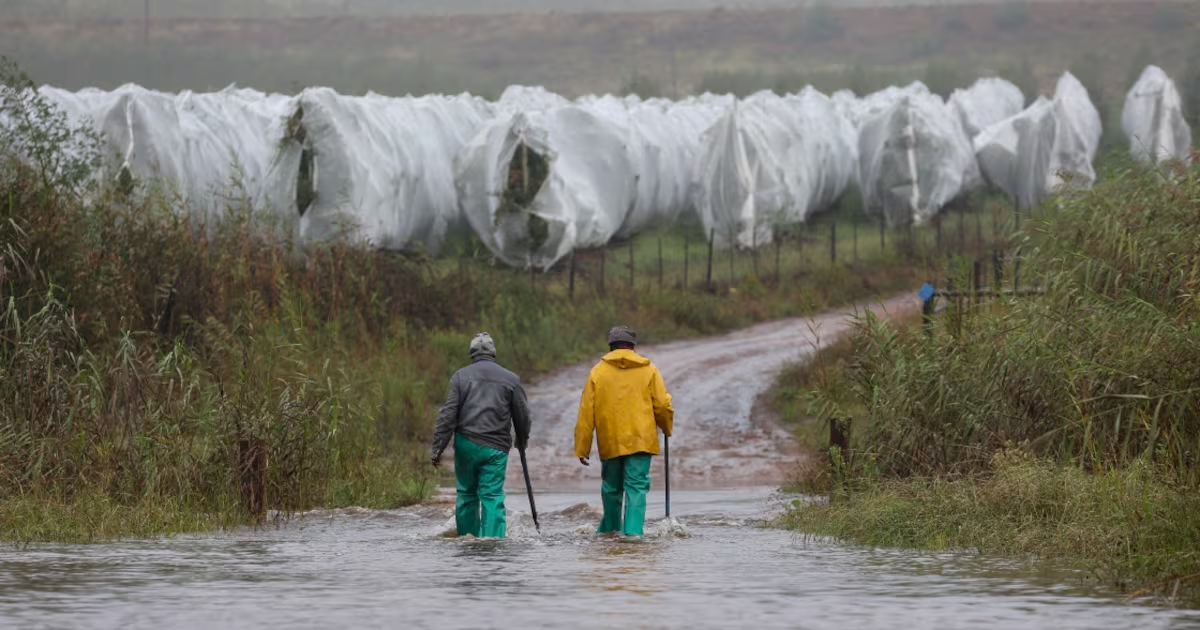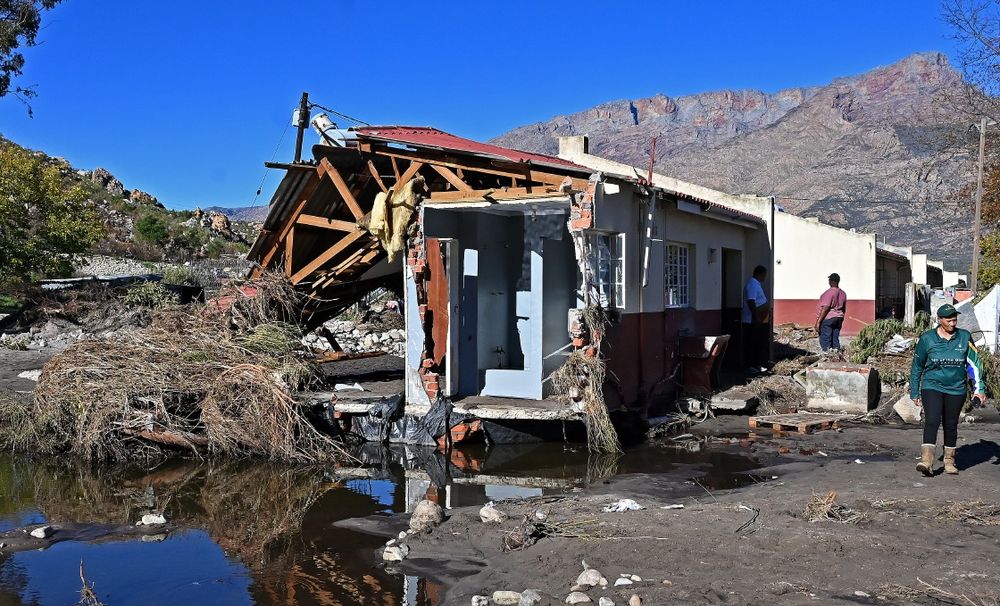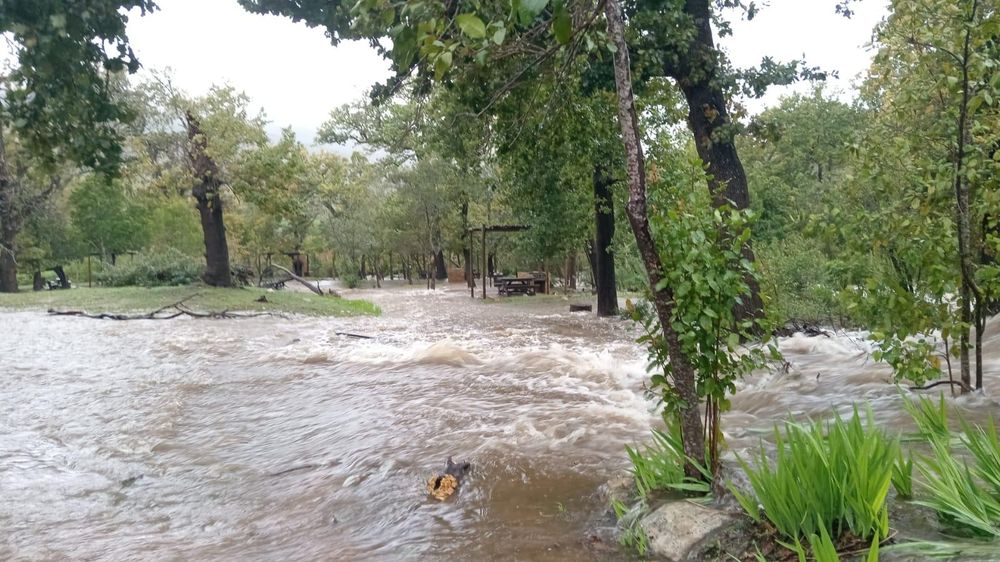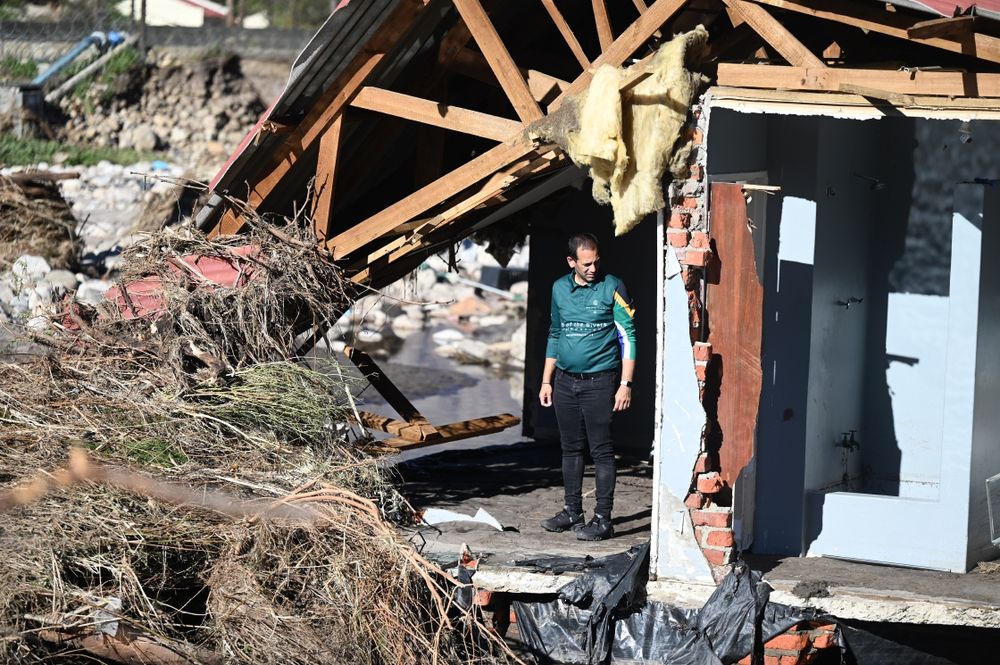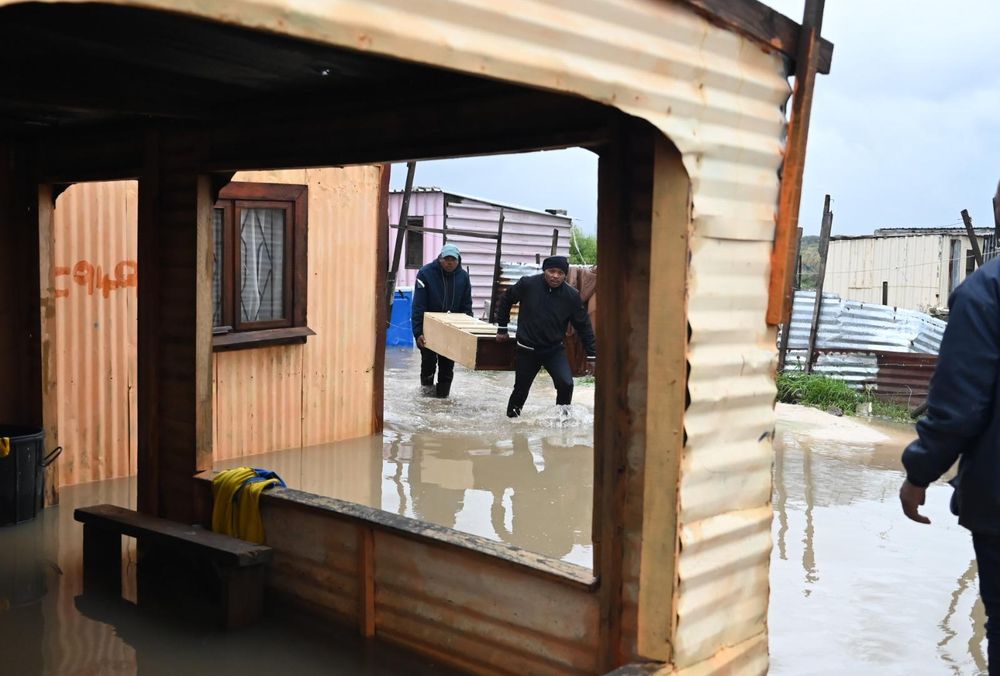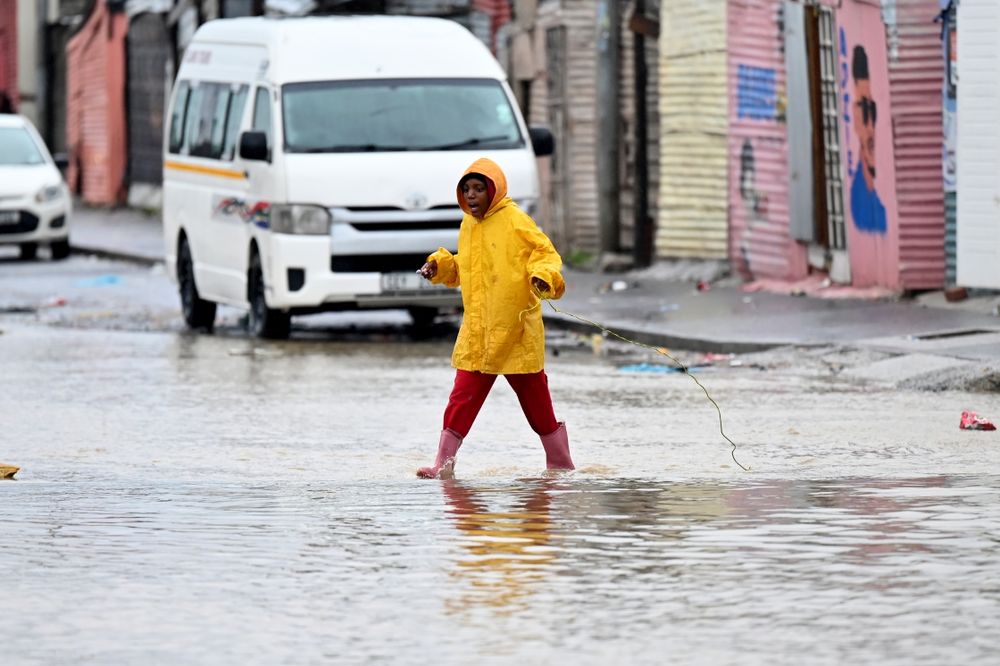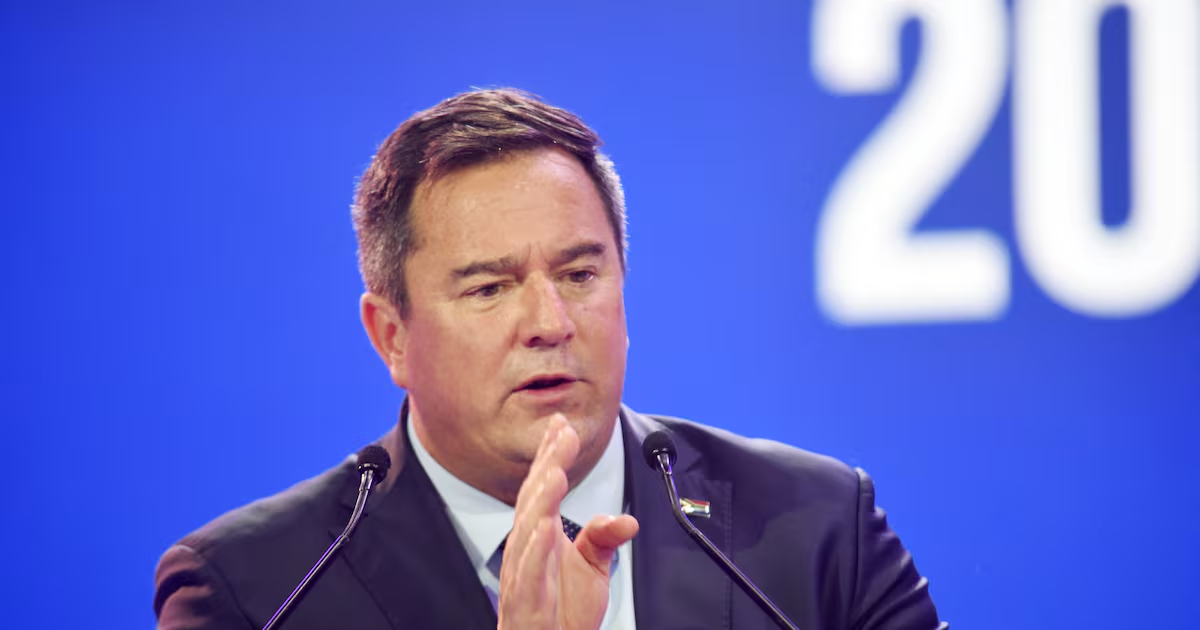
South Africa’s agriculture sector needs a blended state-private insurance scheme to help farmers hit by disasters, agriculture minister John Steenhuisen says.His comments in a media briefing held after his budget vote speech in the National Assembly on Friday followed the havoc caused to Western Cape farms by torrential rains, intense cold, gale-force winds and flooding in the past week. Severe damage was also caused to infrastructure, including roads and bridges, and the government declared a national disaster. Wine and fruit farms were flooded, and crops and livestock were lost. The financial impact is still being quantified, a spokesperson for the Western Cape provincial government said. Steenhuisen said the issue of an insurance scheme for the agricultural sector has been under discussion for some time but now needs to be implemented. The issue was also raised with the department by Grain SA at last week’s event of the National Maize Producers’ Organisation (Nampo). He said discussions have already been held with private insurance companies to assess the appetite for such a scheme. It will now have to be taken to the National Treasury to be considered.Farmers ... cannot wait six to eight months for a disaster to be declared to be able to start the turnaround and rescue of their operations. They need it immediately.— John Steenhuisen, agriculture minister The minister likened the proposed insurance scheme to the state-owned Sasria, which provides insurance for damage caused by riots, terrorism and civil unrest. The special risks insurer — funded by premiums paid on its policies — came to the rescue of hundreds of businesses damaged in the July 2021 riots in KwaZulu-Natal, paying out claims of about R32bn. Steenhuisen noted that the financial assistance provided by the declaration of a national disaster often came months after the devastation, too late for some farmers. “I do think the time is right for us to be moving towards a blended insurance scheme for farmers in South Africa, particularly small-scale farmers. There are a number of reasons for this. Out of reach“Agricultural insurance now is way too expensive for your average communal or small-scale farmer, and even some of the family farmers struggle to meet the premiums that are required for agricultural insurance. “This means that when there are disasters like we have seen this last week — and it won’t be the first and won’t be the last — we have to be able to have an activated response. “Why an insurance scheme much like a Sasria for the agricultural sector makes much more sense than waiting for a disaster to be declared and ultimately funds released — which can take up to six months — is that a Sasria-type index insurance scheme would ensure that farmers are paid out immediately upon the disaster.” Steenhuisen said such a scheme would also make financial sense when compared with what the state spends on disaster management and disaster funding at the end of the year. This was budgeted for, causing unforeseen expenditure on many budgets. Expenditure upfront at the beginning of the year as the state’s contribution to a blended insurance fund in partnership with private-sector insurance companies and perhaps even the Land Bank would make more sense from an agricultural perspective. Faster response“Farmers who have been devastated cannot wait six to eight months for a disaster to be declared to be able to start the turnaround and rescue of their operations. They need it immediately,” the minister said. In his budget vote speech Steenhuisen noted that the agricultural sector has demonstrated resilience amid global volatility, tightening margins and structural constraints. “Our agricultural exports reached R268.7bn in the fourth quarter of 2025, reflecting year-on-year growth of about 9% with a trade surplus of R24.6bn in that quarter alone and almost 950,000 jobs supported across the value chain. “This is not a marginal sector. While primary agriculture contributes about 2.8% to GDP, the broader value chain accounts for about 14% of economic activity. That multiplier effect is precisely why agriculture must sit at the centre of our economic strategy, not at its margins.” Greater access has been achieved for export markets such as China and other Asian countries such as the Philippines, Vietnam and Indonesia, which provides higher premiums for farmers and ensures their profitability. Export opportunities to Brazil and Argentina are also being explored. But the minister acknowledged that the sector remains highly concentrated in key areas and that growth has to be inclusive to be sustainable.
Steenhuisen urges swift rollout of Sasria-style disaster insurance for farmers
Proposed blended scheme aims to speed up disaster payouts to struggling farmers
741 words~3 min read