Story audio is generated using AI
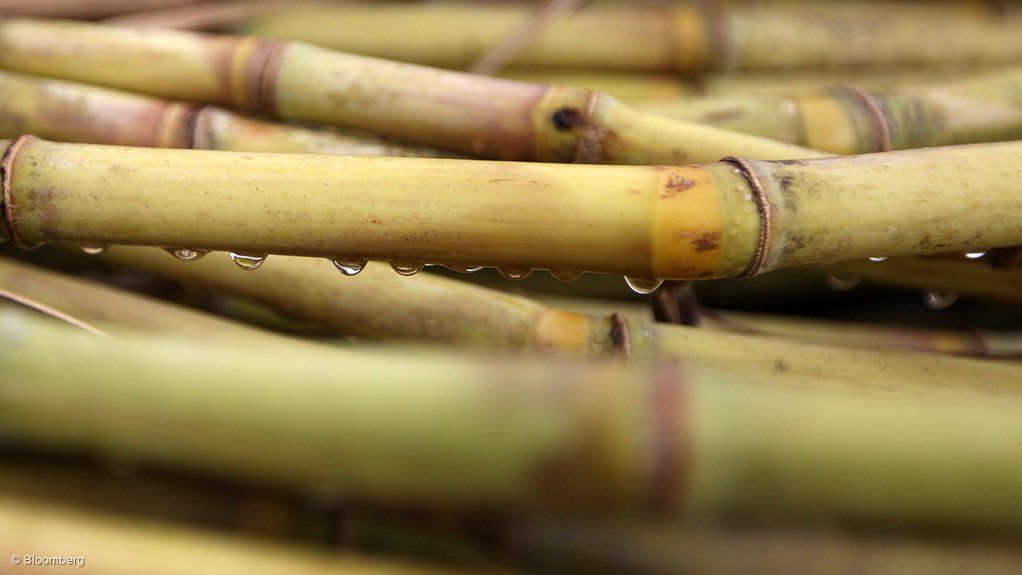
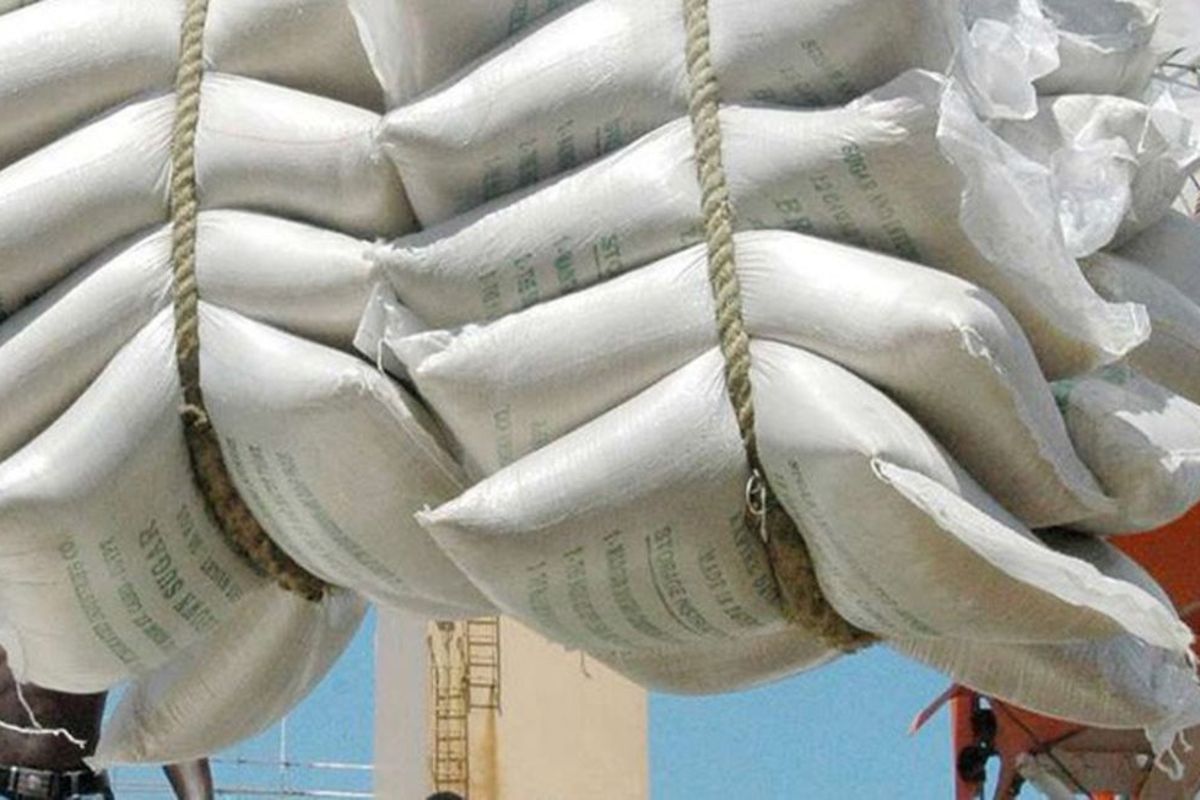
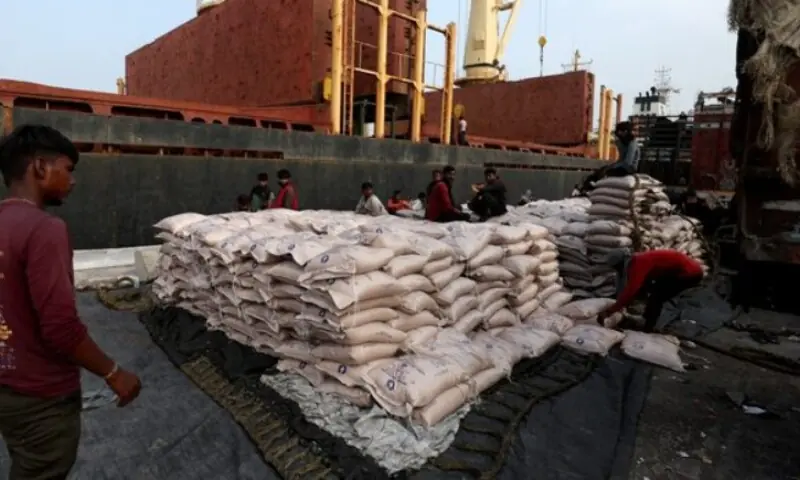
High levels of imported sugar from countries such as Brazil, Thailand and India are still coming into South Africa, displacing local growers on the domestic market and overshadowing an otherwise strong start to the 2026/27 milling season, a leading industry body said on Monday.All sugar mills, except for the three belonging to struggling Tongaat Hulett, have opened for the season and early statistics show that 48% more raw sugar cane has been delivered by growers compared with the same period last year, SA Canegrowers said.But cheap sugar imports continue to threaten the viability of local growers, who lose more than R7,500 for every tonne brought into the country. In March, 16,000 tonnes of imported sugar entered South Africa, double the same month in 2025. “Last year was one of the worst years on record regarding sugar imports with 213,000 tonnes being imported from duty-bearing countries,” SA Canegrowers said.“If nothing changes, this year is set to repeat this pattern placing significant strain on sugarcane growers and milling companies, including Tongaat Hulett.”The industry has long complained that weak local tariff protections have opened it up to cheap imports, contributing to the woes of companies such as Tongaat Hulett, which is fighting to stave off liquidation — with help from the state Industrial Development Corporation (IDC) — after going into business rescue in 2022.The liquidation case will return to the Durban high court next month.Robert Gumede, chair of the Vision Sugar Consortium which is pushing to acquire Tongaat Hulett, recently urged the government to accelerate plans to turn sugar cane into ethanol and electricity as part of the next phase of industry reforms, arguing the sector should be repositioned from a traditional agricultural industry into an energy and industrial asset.Despite the industry’s problems, SA Canegrowers on Monday said the 2026/27 sugarcane milling season has started strongly, with early deliveries tracking ahead of previous years and reflecting the resilience of the country’s 28,000 growers.In the coming weeks, the three remaining Tongaat Hulett sugar mills are also expected to open and begin accepting cane deliveries from growers in their respective regions, it said. The three mills serve 18,000 sugar cane growers in the country.“We hope growers supplying the Tongaat Hulett mills, who are beginning the season later than other growing regions, will be able to have a productive and successful season despite the uncertainty surrounding the company,” SA Canegrowers chair Higgins Mdluli said.SA Canegrowers argues South Africa’s sugar tariff mechanism is outdated, leaving local producers vulnerable as many major sugar-producing countries provide extensive state support to their industries, artificially suppressing global prices.The International Trade Administration Commission of South Africa (ITAC) is reviewing the tariff mechanism for imported sugar in a process started by the industry in 2024.“We urge both the IDC and ITAC to prioritise the sustainability of the local sugar industry,” Mdluli said.“Entire rural communities in KwaZulu-Natal and Mpumalanga depend on sugar cane farming for jobs and economic activity, and the industry supports more than a million livelihoods across the value chain.” Business Day