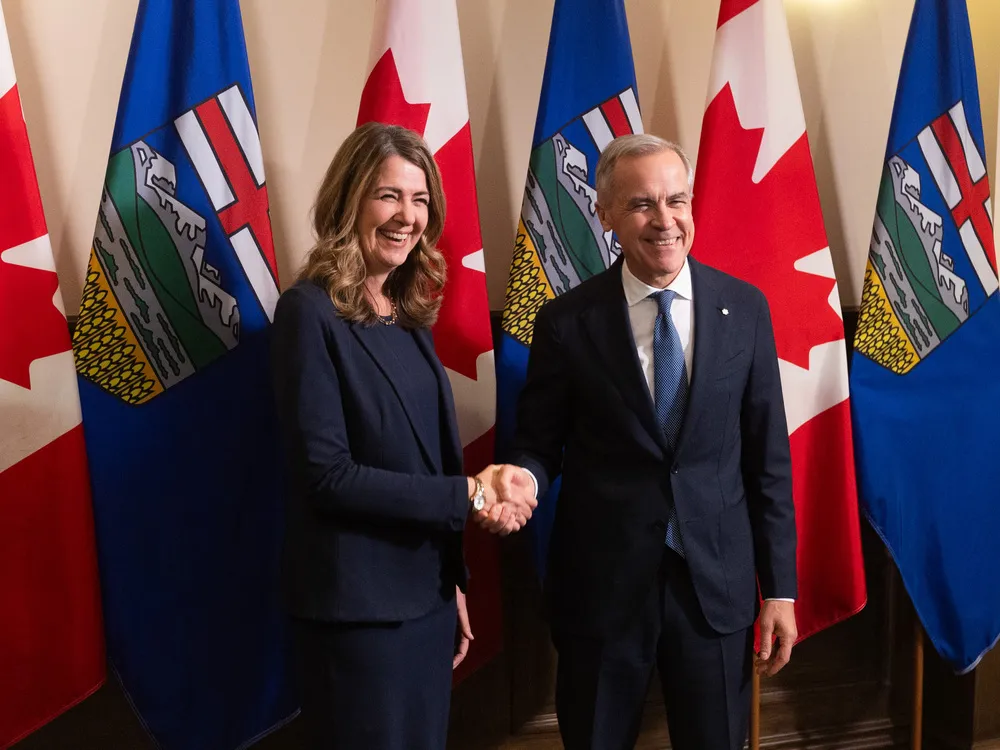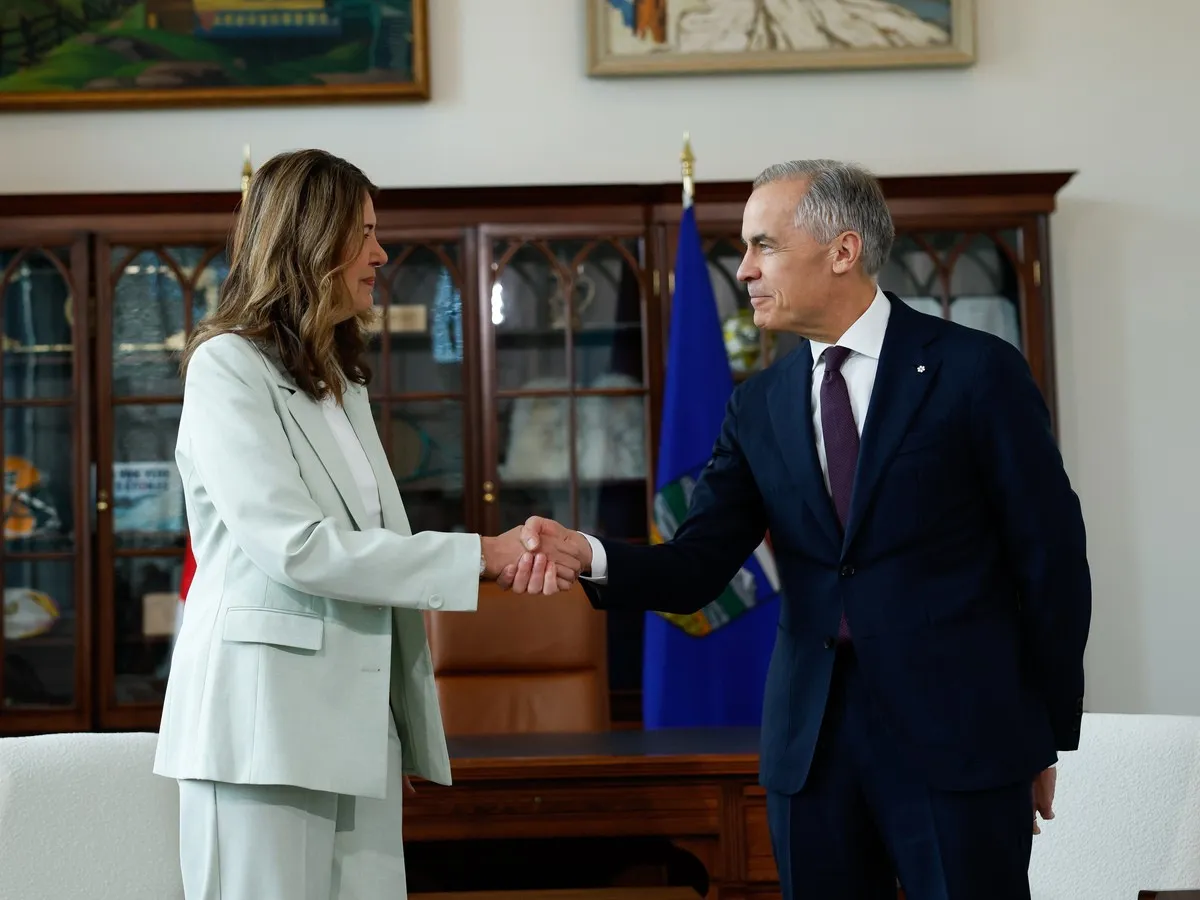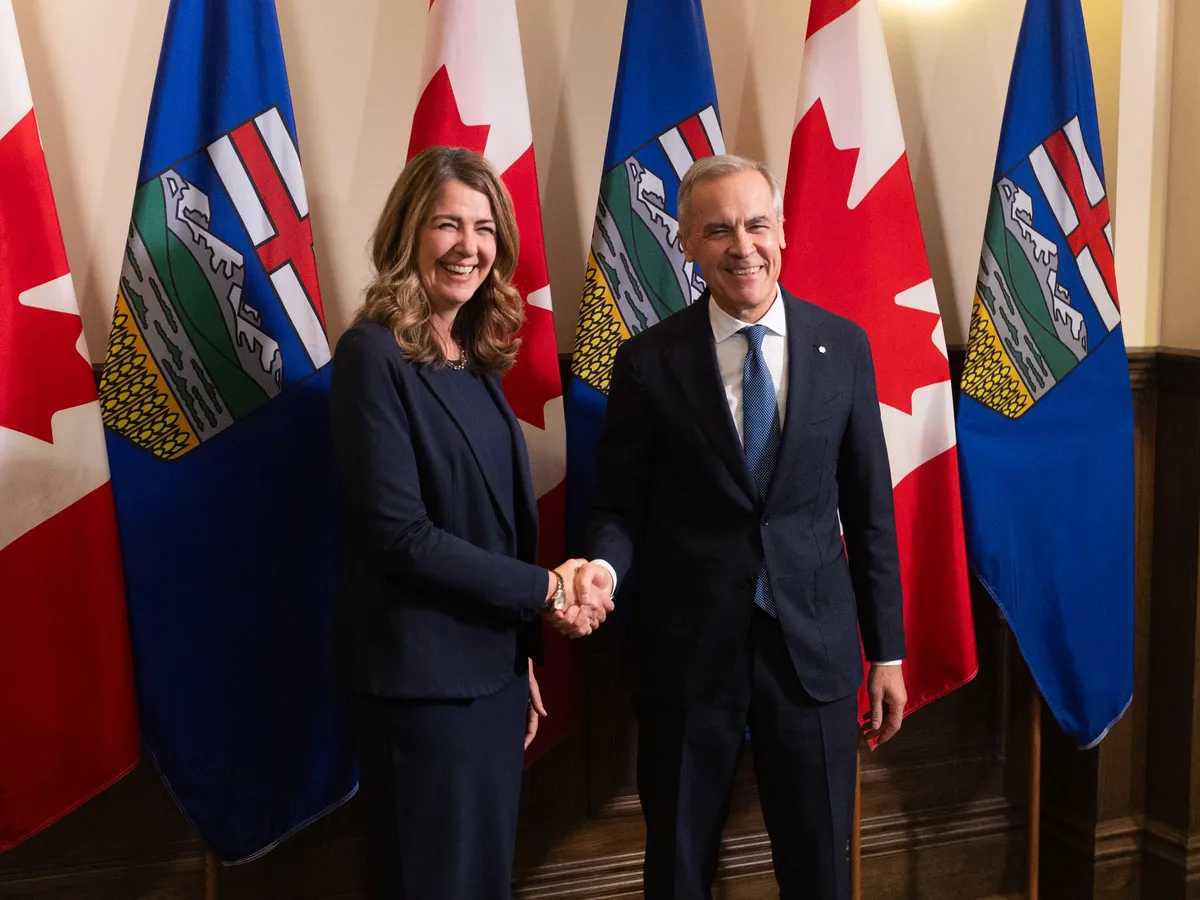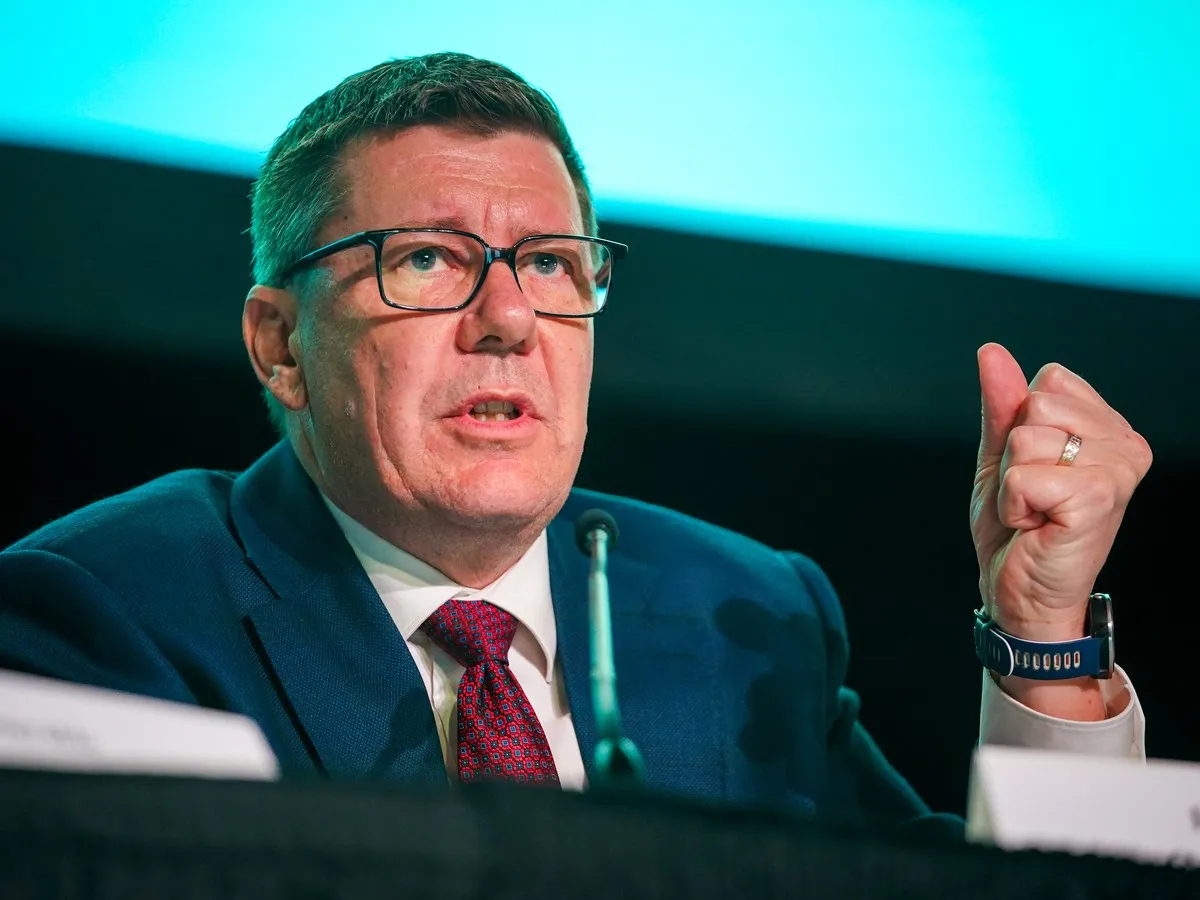
Skip to Content Subscribe Our Offers My Account Manage My Subscriptions FAQ Newsletters Canada Canadian True Crime Canadian Politics Health World Israel & Middle East Financial Post NP Comment Longreads Puzzmo Diversions Comics NP News Quiz New York Times Crossword Horoscopes Life Eating & Drinking Style Sponsored Play for Ontario Travel Travel Canada Travel USA Travel International Cruises Travel Essentials Culture Books Celebrity Movies Music Theatre Television Business Essentials Advice Lives Told Tails Told Shopping Buy Canadian Home Living Outdoor Living Tech Style & Beauty Kitchen & Dining Personal Care Entertainment & Hobbies Gift Guide Travel Guide Deals Savings National Post Store More Sports Hockey Baseball Basketball Football Soccer Golf Tennis Driving Vehicle Research Reviews News Gear Guide Obituaries Place an Obituary Place an In Memoriam Classifieds Place an Ad Celebrations Working Business Ads Archives Healthing Epaper Manage Print Subscription Profile Settings My Subscriptions Saved Articles My Offers Newsletters Customer Service FAQ Newsletters Canada World Financial Post NP Comment Longreads Puzzmo Diversions Life Shopping Epaper Manage Print Subscription HomeNewsCanadaCanadian PoliticsSaskatchewan open to talks on industrial carbon tax, 'refining' the deal struck with Alberta, Moe saysThere have been some 'high-level discussions' with the federal government, Moe saidLast updated 6 hours ago You can save this article by registering for free here. Or sign-in if you have an account.Saskatchewan Premier Scott Moe gestures while speaking during a question and answer period with cabinet ministers at Saskatchewan Urban Municipalities Association Convention in Regina, on Wednesday, April 15, 2026. Photo by HEYWOOD YU /Regina Leader-PostOTTAWA — Saskatchewan Premier Scott Moe says his province will begin talks with the federal government around how to find a “workable place” when it comes to the question of charging an industrial carbon tax.Enjoy the latest local, national and international news.Exclusive articles by Conrad Black, Barbara Kay and others. Plus, special edition NP Platformed and First Reading newsletters and virtual events.Unlimited online access to National Post.National Post ePaper, an electronic replica of the print edition to view on any device, share and comment on.Daily puzzles including the New York Times Crossword.Support local journalism.Enjoy the latest local, national and international news.Exclusive articles by Conrad Black, Barbara Kay and others. Plus, special edition NP Platformed and First Reading newsletters and virtual events.Unlimited online access to National Post.National Post ePaper, an electronic replica of the print edition to view on any device, share and comment on.Daily puzzles including the New York Times Crossword.Support local journalism.Create an account or sign in to continue with your reading experience.Access articles from across Canada with one account.Share your thoughts and join the conversation in the comments.Enjoy additional articles per month.Get email updates from your favourite authors.Create an account or sign in to continue with your reading experience.Access articles from across Canada with one accountShare your thoughts and join the conversation in the commentsEnjoy additional articles per monthGet email updates from your favourite authorsSign In or Create an Accountor“We’re open to the discussion about finding a place where that would work for the industries that are employing people here,” he told National Post on Tuesday.“So, I wouldn’t say we’re entirely open to just doing it, but we’re open to trying to find a workable place with the federal government.”Moe’s comments come after Prime Minister Mark Carney and Alberta Premier Danielle Smith struck a deal that will see her United Conservative Party government increase its industrial carbon tax to an effective rate of $130 per tonne by 2040, up from the current $95 per tonne she froze it at last year.That same year, Moe’s Saskatchewan Party government announced it would be pausing its industrial carbon tax, making it the first jurisdiction in the country to be “carbon tax free.”He said on Tuesday that will remain the case “until we can potentially find a path to move forward.”There have been some “high-level discussions” with the federal government, Moe said, but added he could not say how long talks may take.Industrial carbon taxes are a levy charged on heavy emitters by either the provincial or federal governments with the stated goal of reducing emissions by incentivizing industries to adopt lower-emission technologies.The federal government, under former prime minister Justin Trudeau, had introduced what is known as a “federal backstop,” setting a minimum tax rate that is meant to progressively increase to $170 per tonne by 2030.Back in 2021, the Supreme Court of Canada confirmed the federal government’s jurisdiction to enforce such policies, ruling its carbon tax regime to be constitutional in the face of a challenge from provinces like Saskatchewan and Alberta, which was largely launched over the charging on a consumer carbon tax on fuel, which Carney cancelled last year.Asked on Friday whether the deal ushered in for Alberta — an industrial carbon tax that is lower and takes longer to hit — will apply to other provinces, Carney said the short answer was “yes.”A spokesman for Environment Minister Julie Dabrusin says the federal government will be updating the federal backstop to “ensure consistency across the country.”“The updating of the ‘headline’ price trajectory for all industrial carbon pricing systems in Canada is informed by feedback from provinces, territories, industry and other stakeholders received during consultations launched last year,” wrote Keean Nembhard. “This new trajectory will be part of a full, updated federal benchmark that will be published in 2026.”Headline carbon taxes refer to the publicly stated rates set by government, while “effective” carbon taxes describe the actual carbon tax companies pay after exemptions and other regulatory carveouts are factored in.Under the deal with Alberta, it will reach a headline rate of $140 per tonne by 2040, while the effective rate will be $130 per tonne.Moe said on Tuesday his government is now looking at “refining” the Ottawa-Alberta deal, “on behalf of Saskatchewan Industries to find a workable path forward.”“I’ve said this to Minister (Tim) Hodgson and Prime Minister Carney, is once they come to agreement with Alberta, we’ll work on refinements,” he said, adding he spoke to Hodgson, who leads the energy and natural resources portfolio, before the deal with Alberta was unveiled.Moe says the reason he stepped away from the industrial carbon tax was that it had been set at levels, which he said were “not attainable by the industry” and that there was no previous negotiations.“If we can find a workable environment where the industry can continue to not only operate but can attract investment and expand, we would look at that, but it would have to be good for the industries, who would have to then be able to come to agreement between our provincial system and the federal system as well,” he said.“But we’re ways away from that yet, so the status quo will remain for right now.”Rick Smith, president of the Canadian Climate Institute, a climate change think-tank, said their worry had been the deal struck between Ottawa and Alberta would result in similar ones across the country. “Our initial take is that it’s certainly not good news in terms of Canada’s ability to reach net zero emissions nationally by 2050,” he said on Tuesday.“These changes will essentially lock Canada into a mediocre trajectory of emission reduction for the foreseeable future,” he added.Michael Bernstein, CEO and president of the climate policy group Clean Prosperity, says the deal with Alberta provides welcome “clarity.”“I would also say that it would have been my preference to see that pricing schedule escalate a little faster and focus more on 2035 than 2040.”Moe said his government would also be discussing with the federal government its planned clean electricity regulations, which Carney announced last week, as well as the planned phase out of coal plants, which Saskatchewan uses to generate electricity, along with natural gas.He chalked up those discussions as being part of the relationship reset committed to with Carney.“That was a serious commitment that we had made, and I think people in the province are, not all, but largely happy to see us making efforts to work with the federal government, and I would just say they’re making efforts to collaborate as well, which is something we haven’t seen for about a decade.”With files from Jesse SnyderNational PostOur website is the place for the latest breaking news, exclusive scoops, longreads and provocative commentary. Please bookmark nationalpost.com and sign up for our daily newsletter, Posted, here. Join the Conversation This website uses cookies to personalize your content (including ads), and allows us to analyze our traffic. Read more about cookies here. By continuing to use our site, you agree to our Terms of Use and Privacy Policy.
Saskatchewan open to talks on industrial carbon tax, 'refining' the deal struck with Alberta, Moe says
Scott Moe says his province will begin talks with the government around how to find a "workable place" on the industrial carbon price.
1,416 words~6 min read